Hoppers of North Carolina:
Spittlebugs, Leafhoppers, Treehoppers, and Planthoppers
Scientific Name: Search Common Name:
Family (Alpha):
« »
MEMBRACIDAE Members: NC Records

Stictocephala terminalis - No Common Name


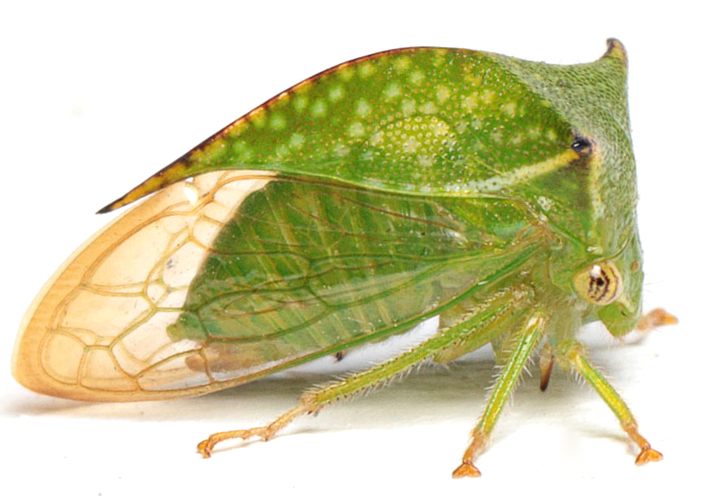
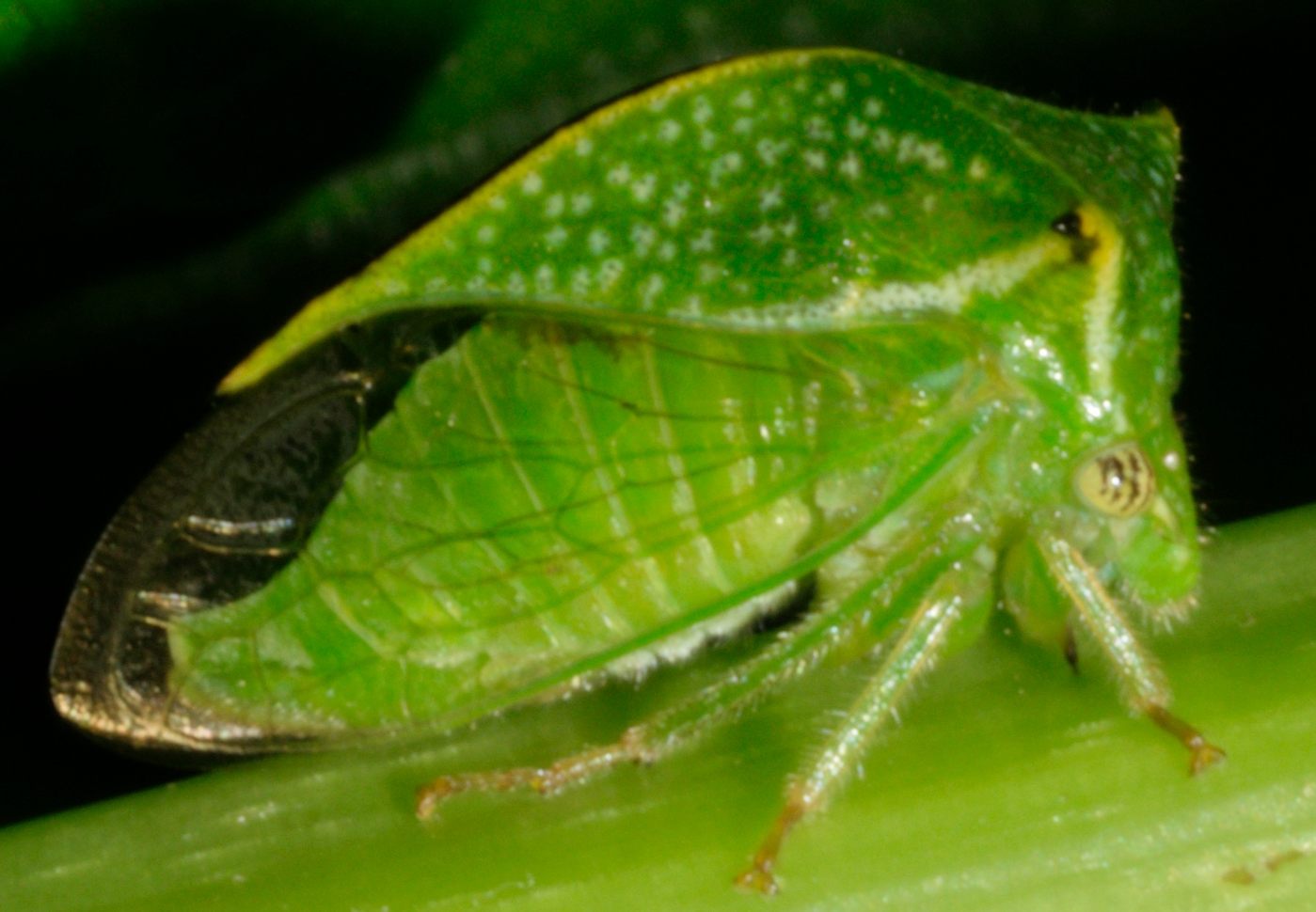
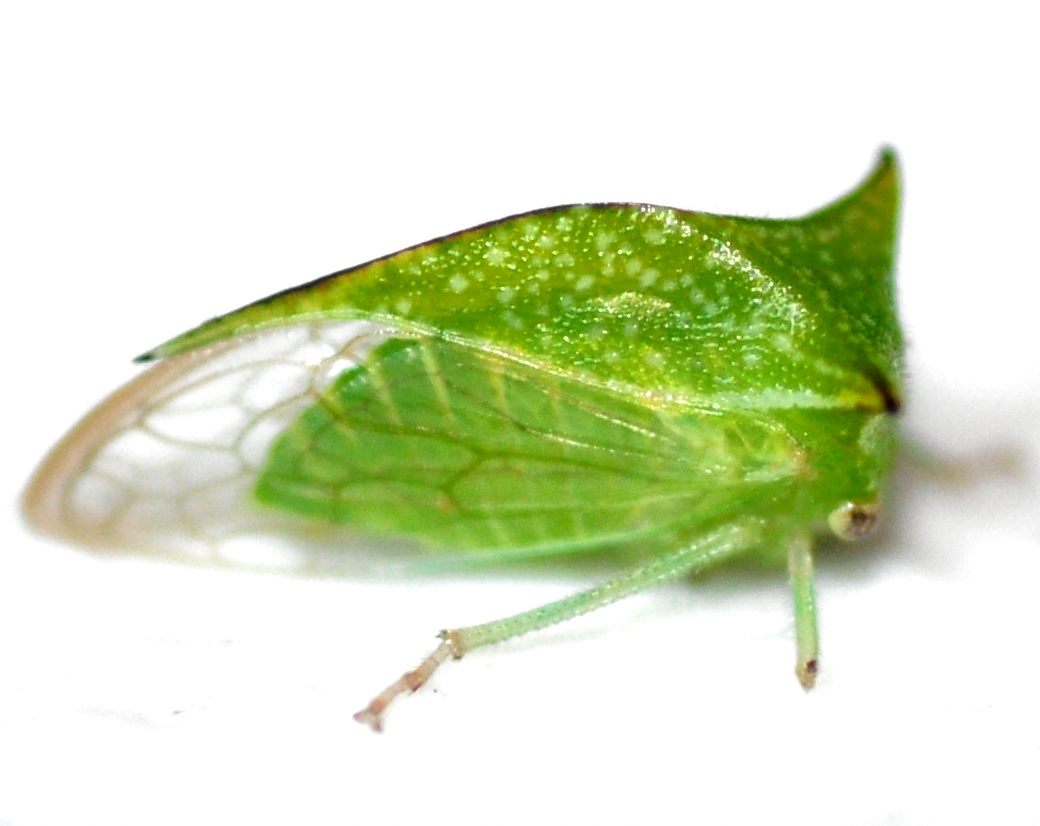
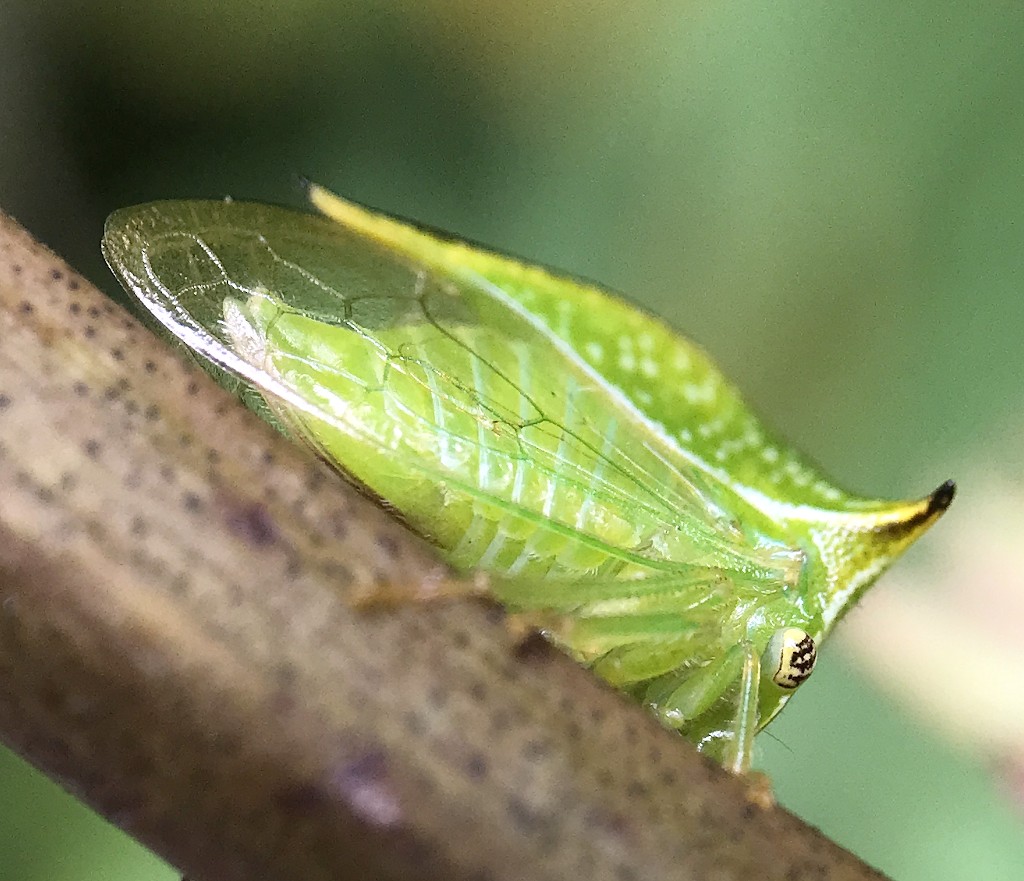
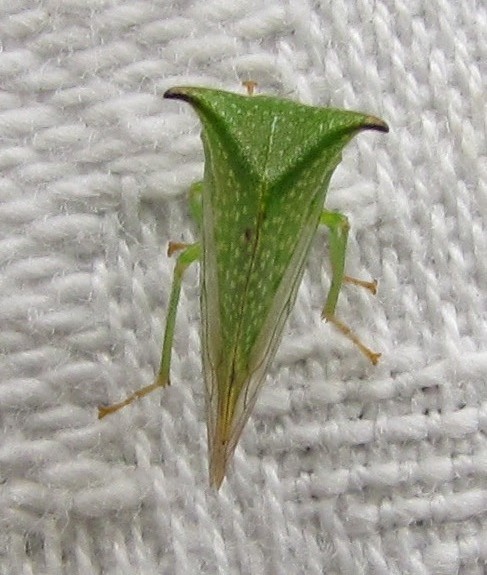
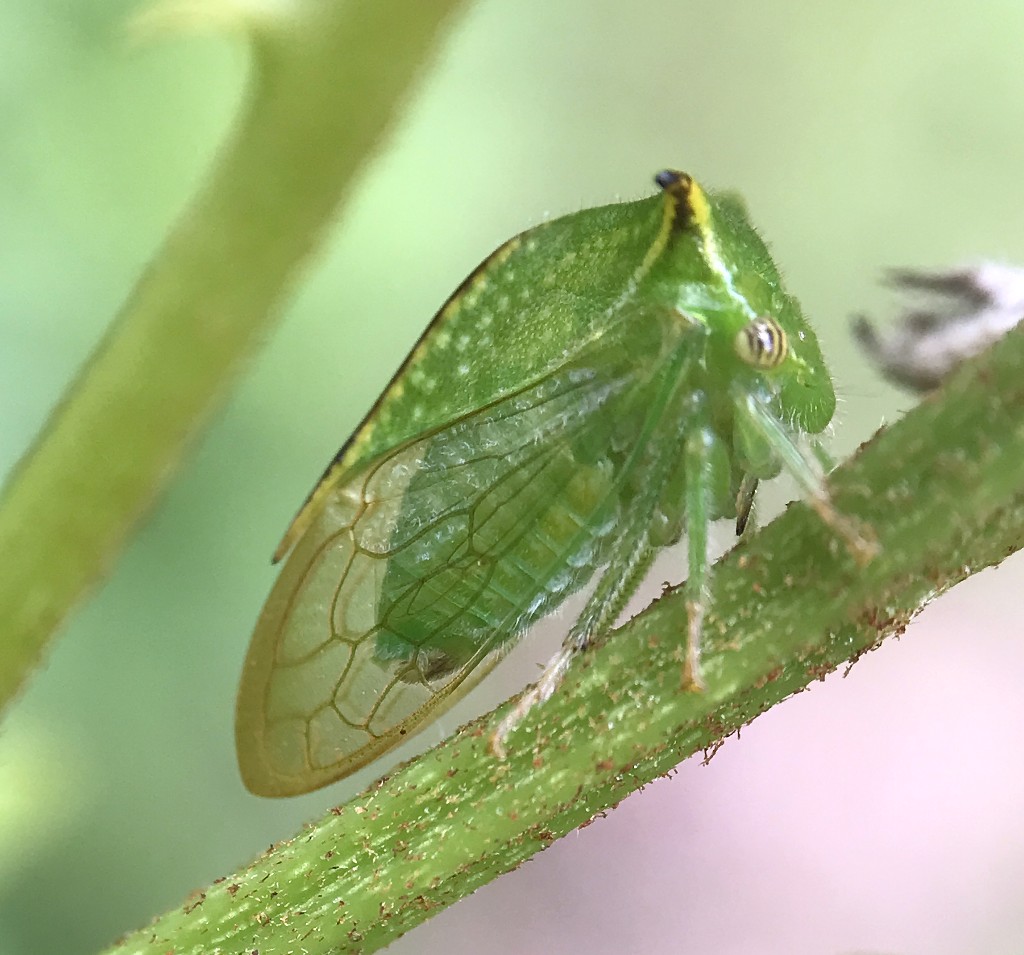
Stictocephala terminalis
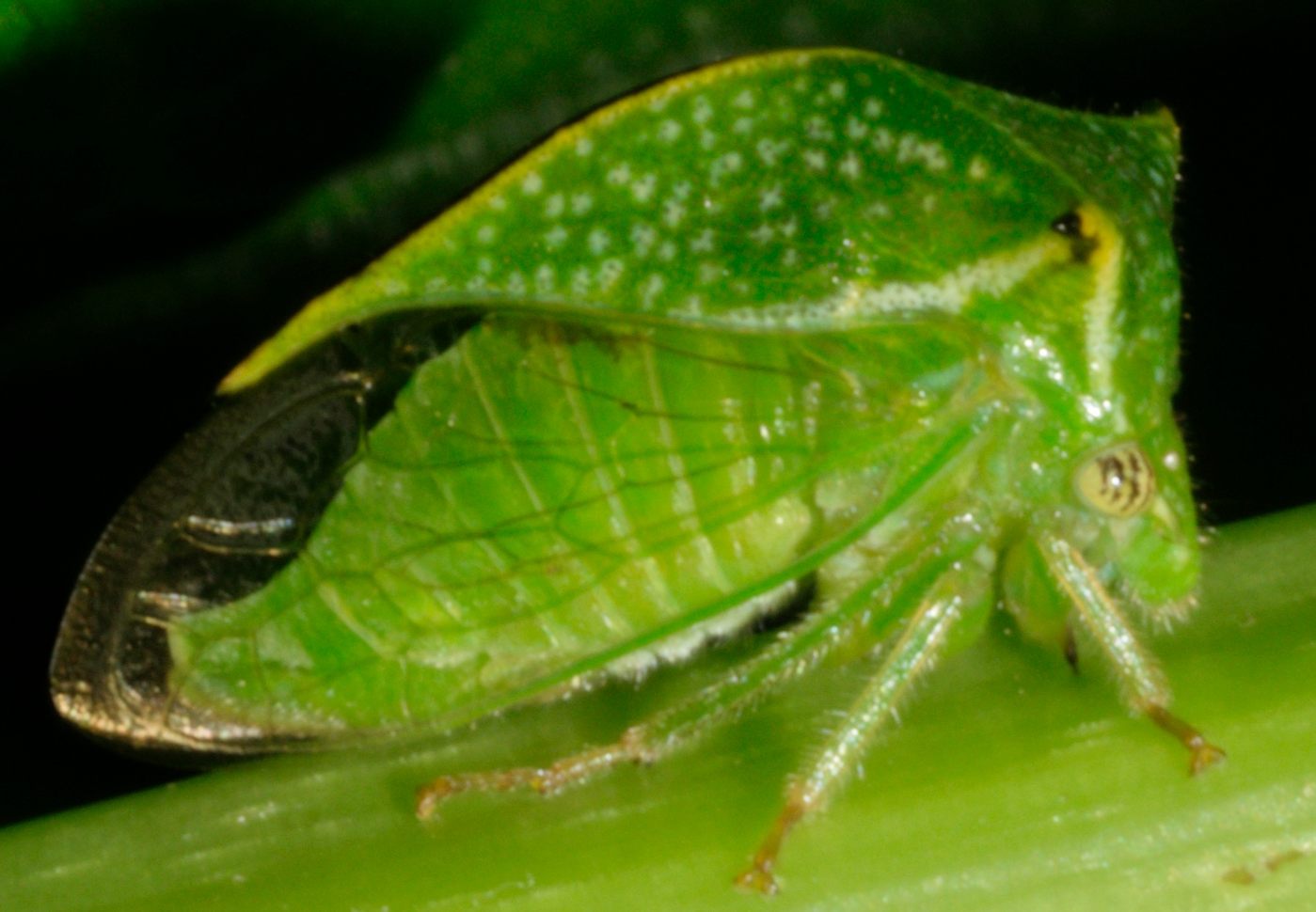
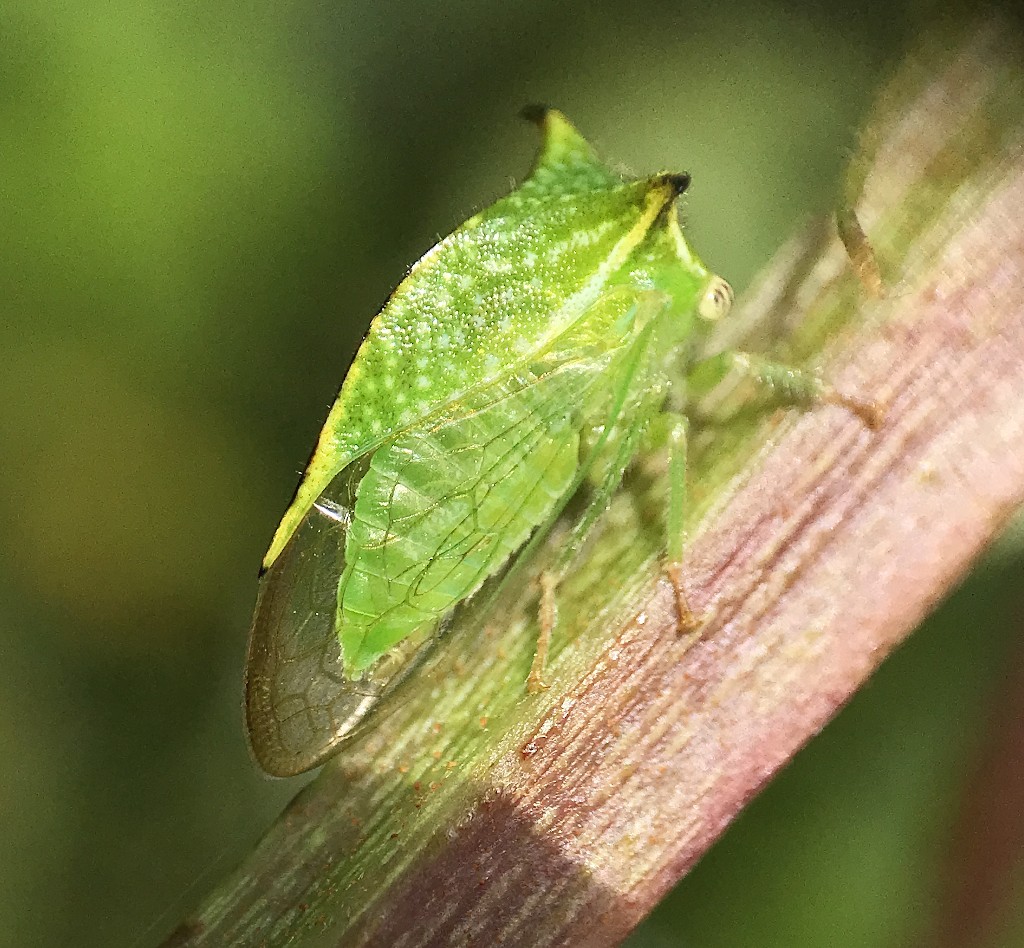
© Ken Childs- note coloration, pattern
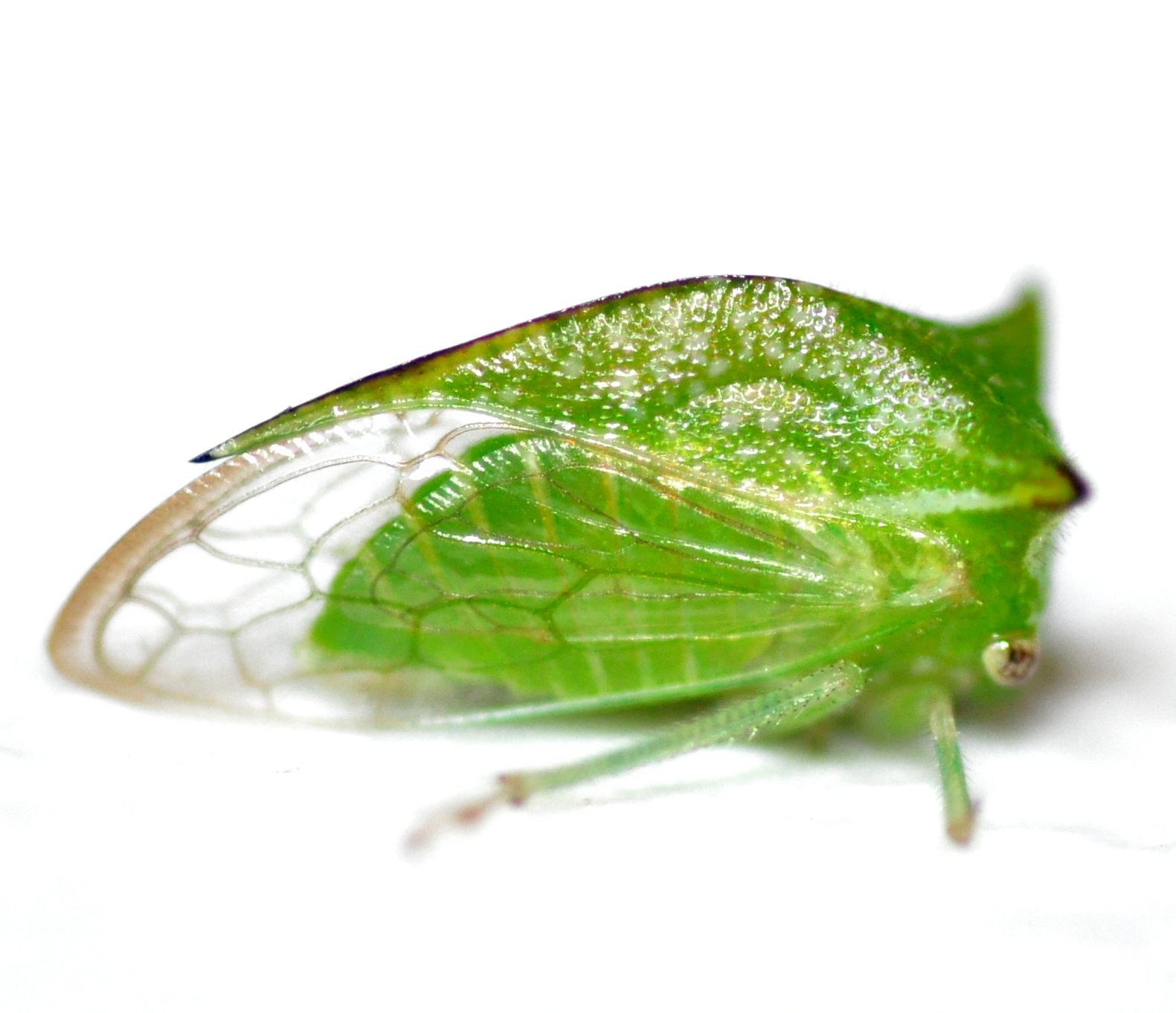
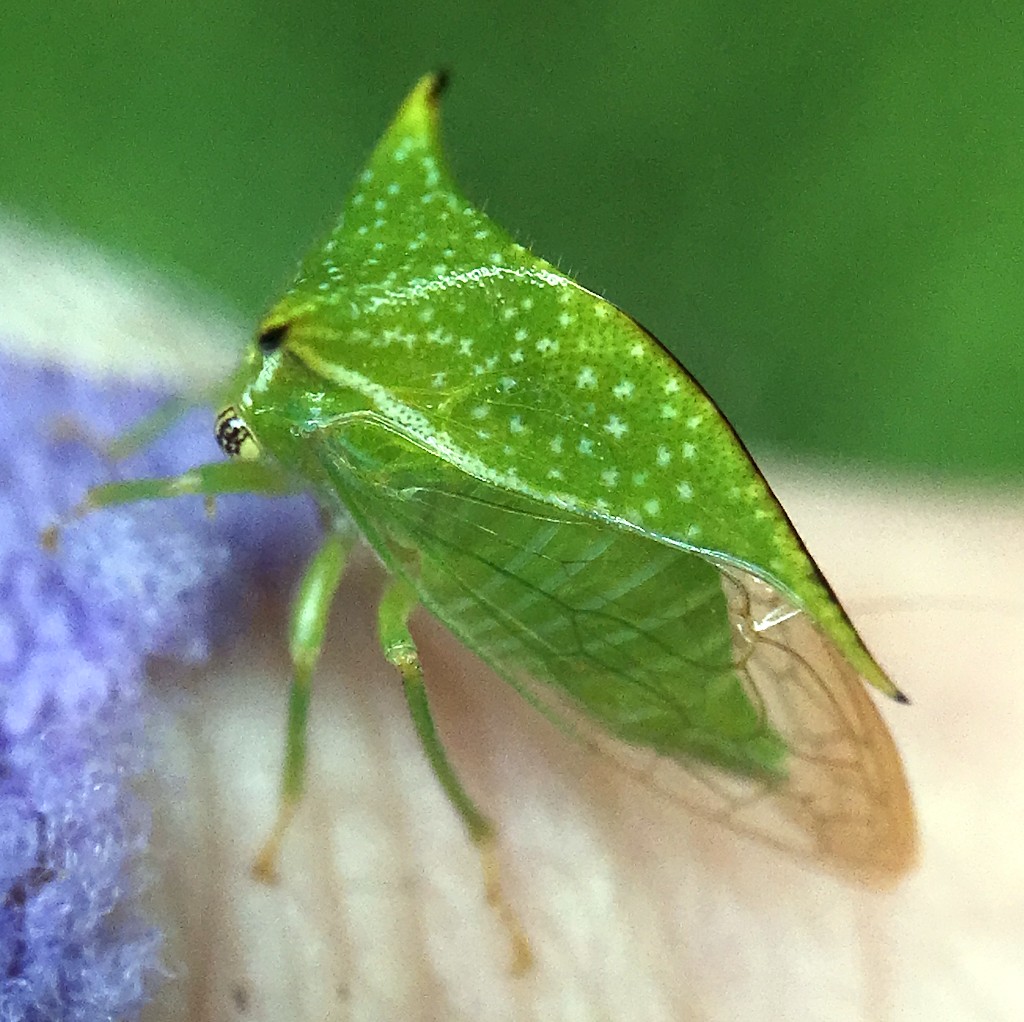
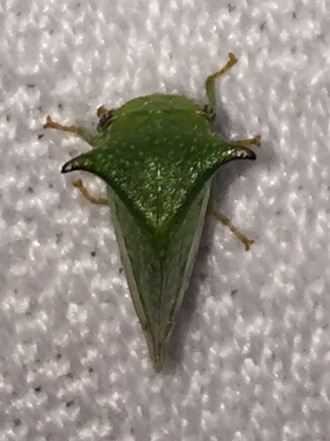
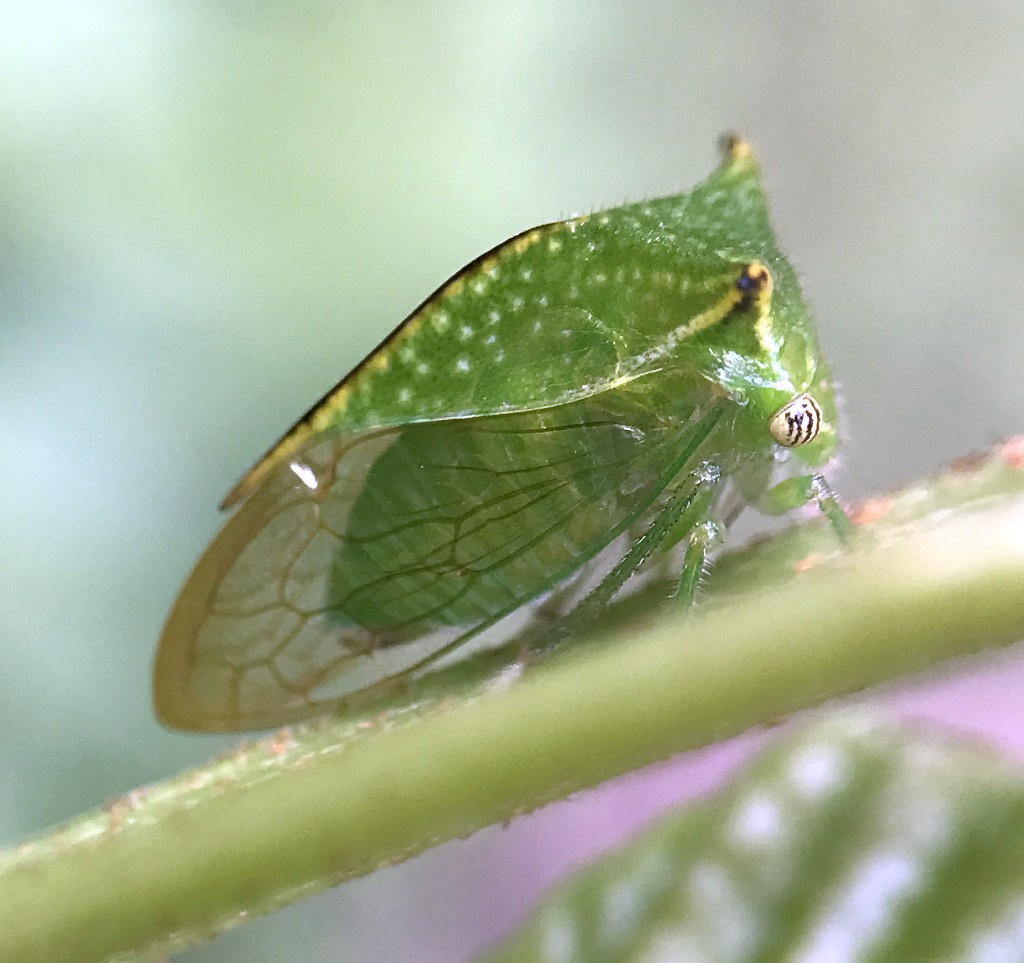
Stictocephala terminalis
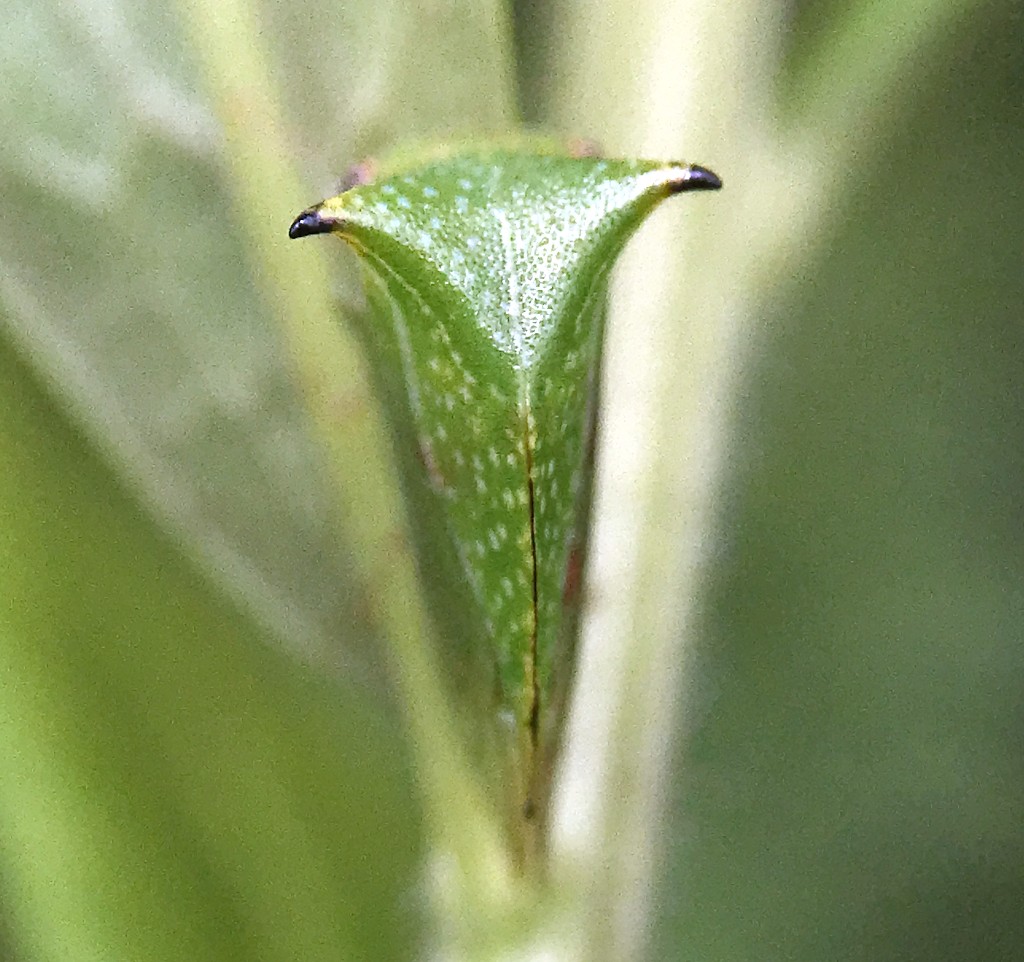
© Ken Kneidel
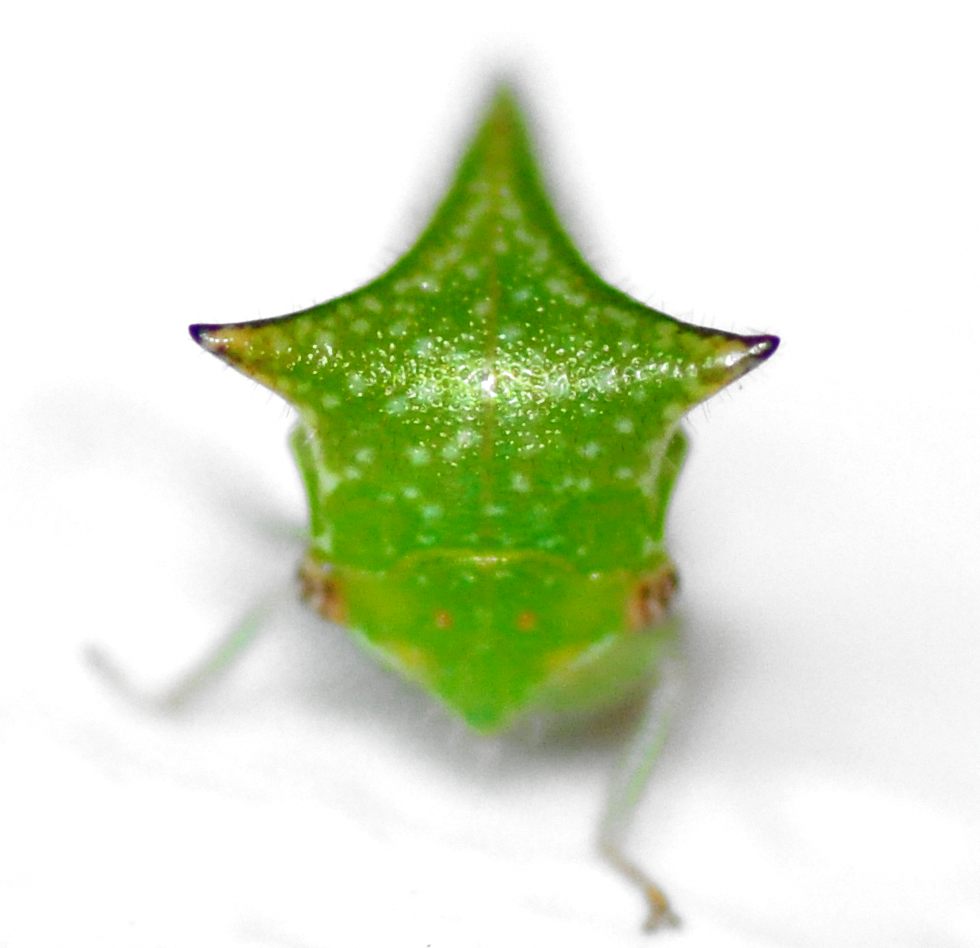
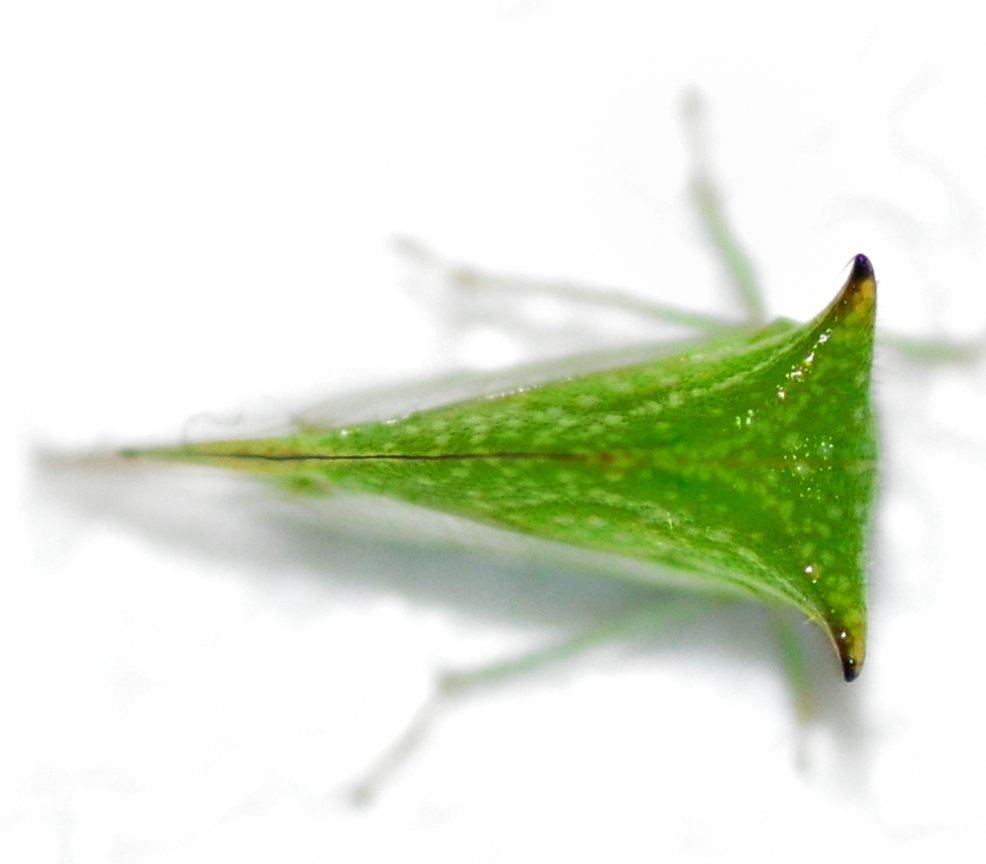
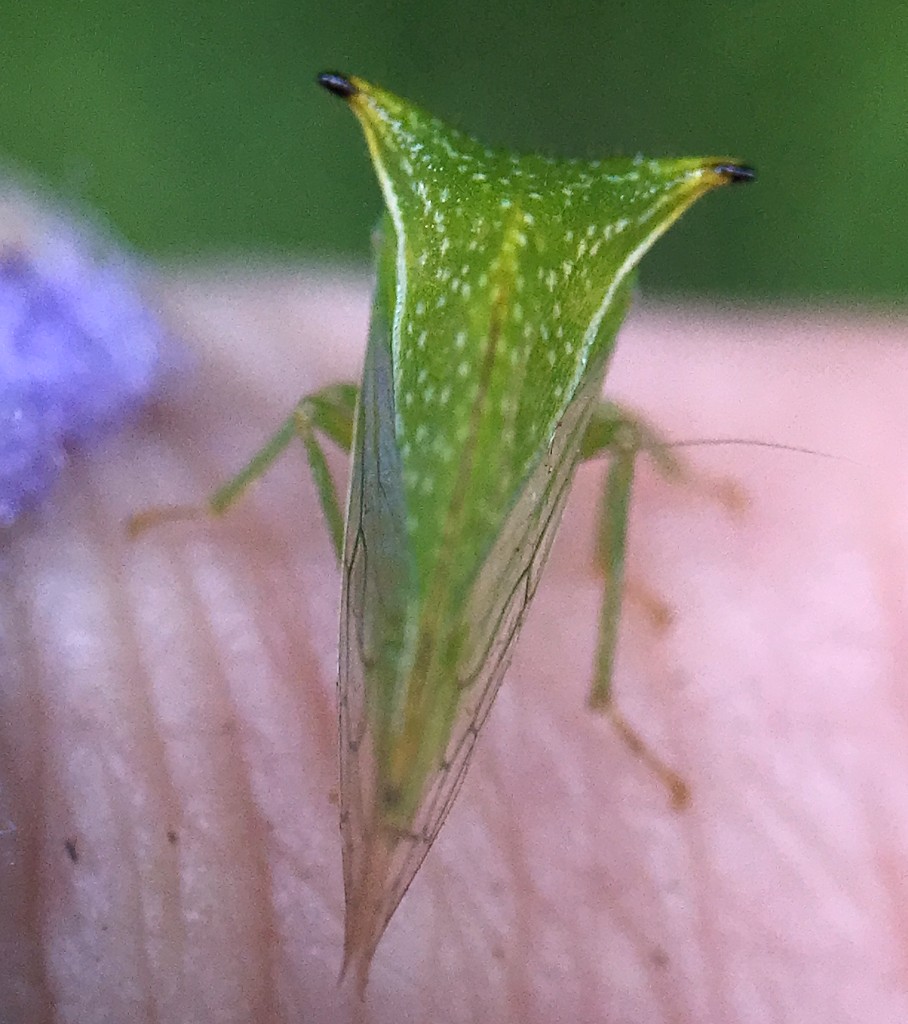
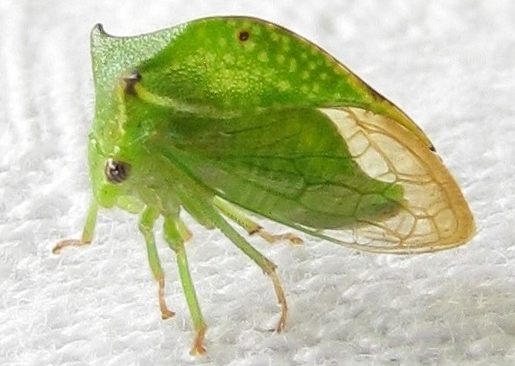
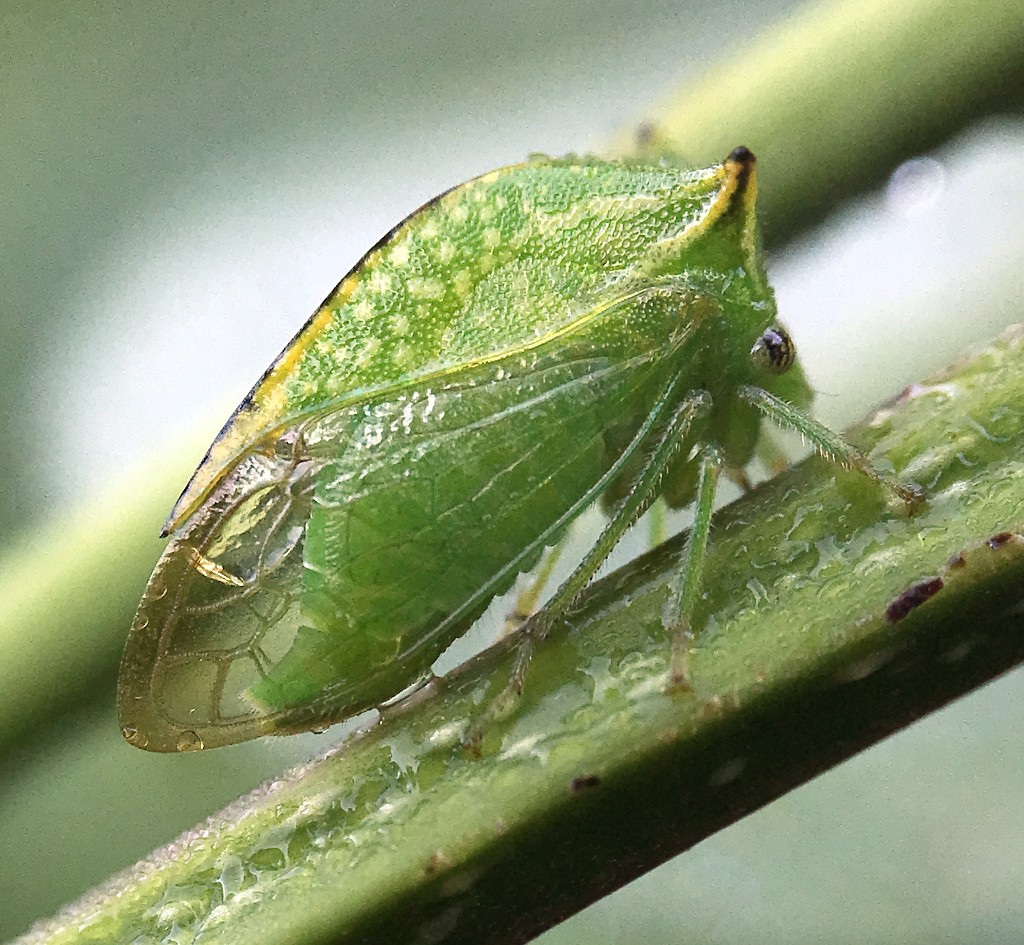
Stictocephala terminalis
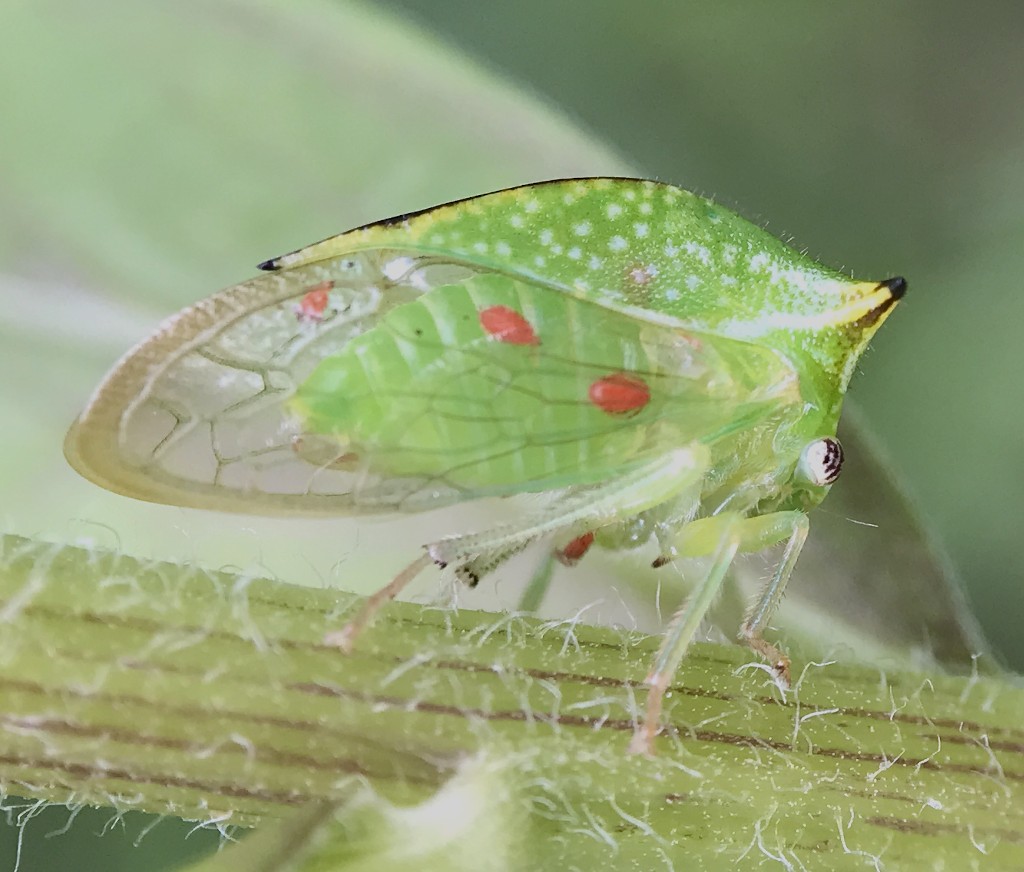
© Scott Bolick
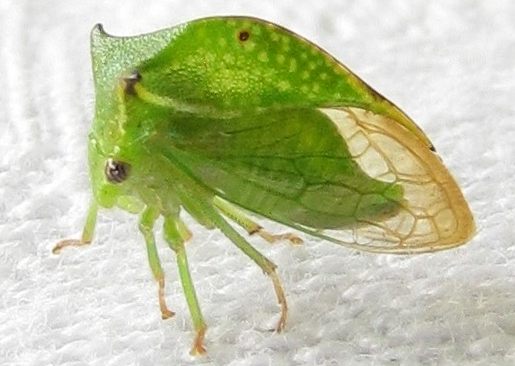
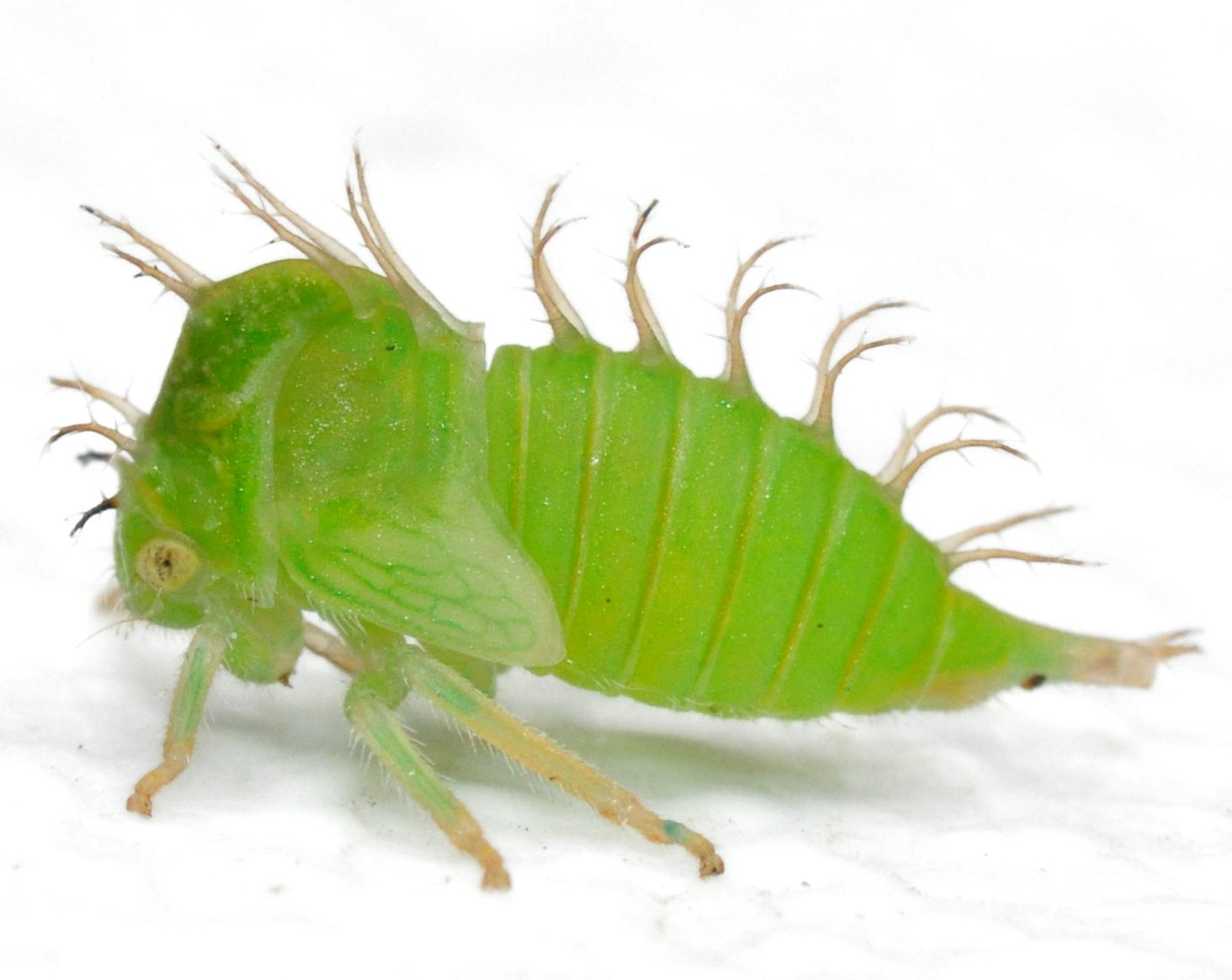
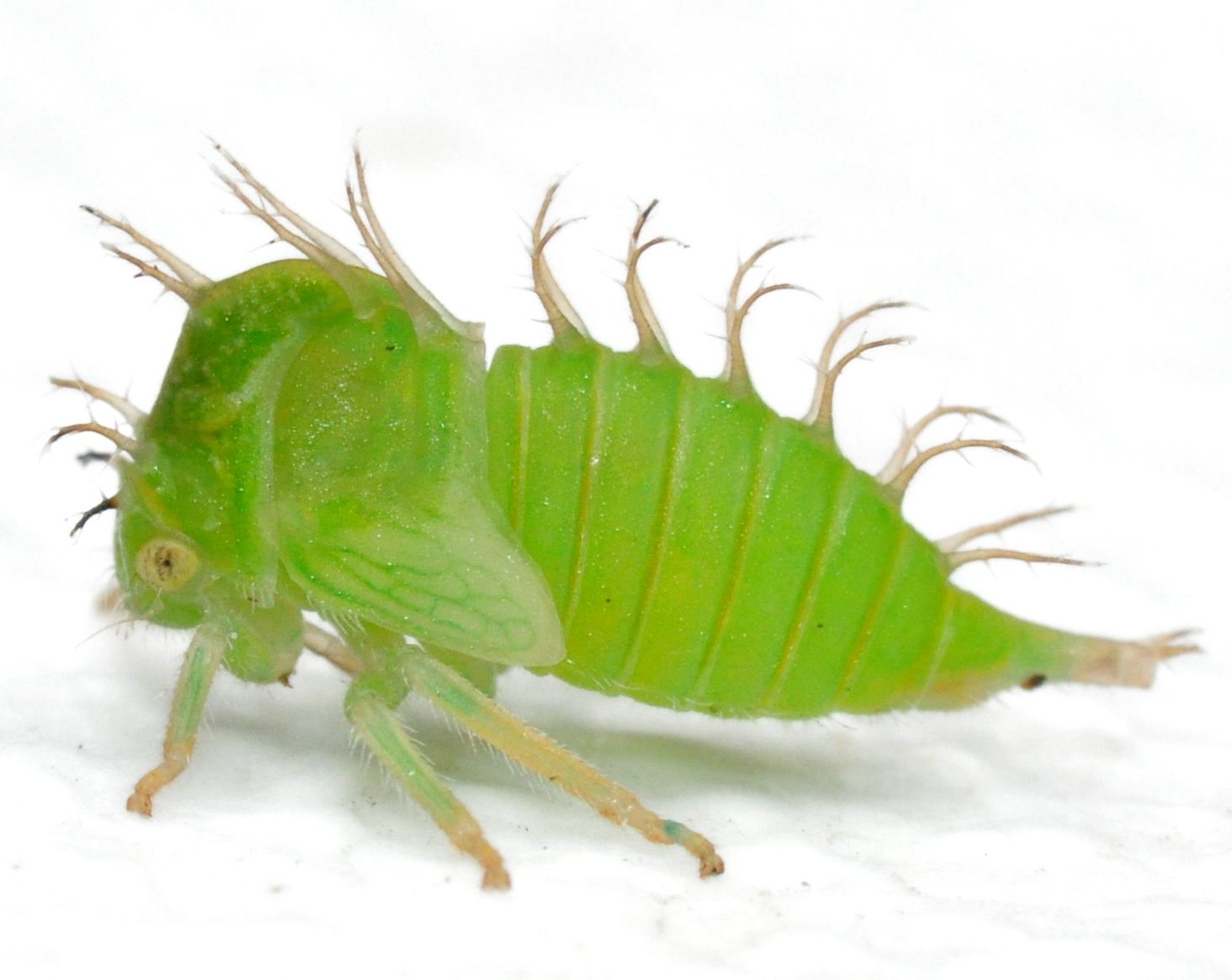
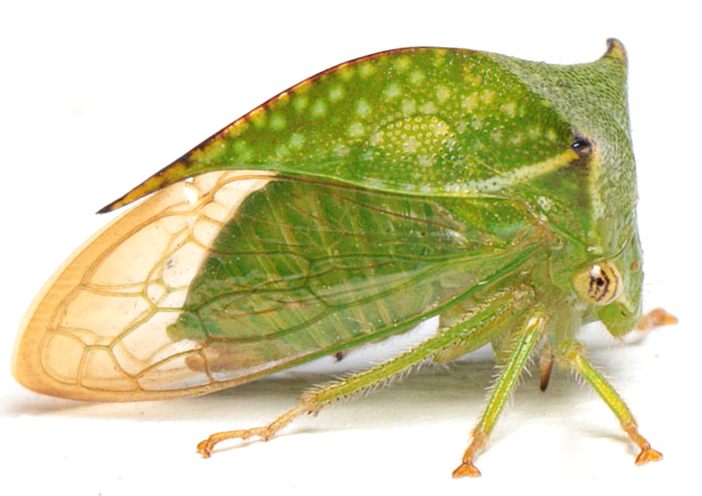
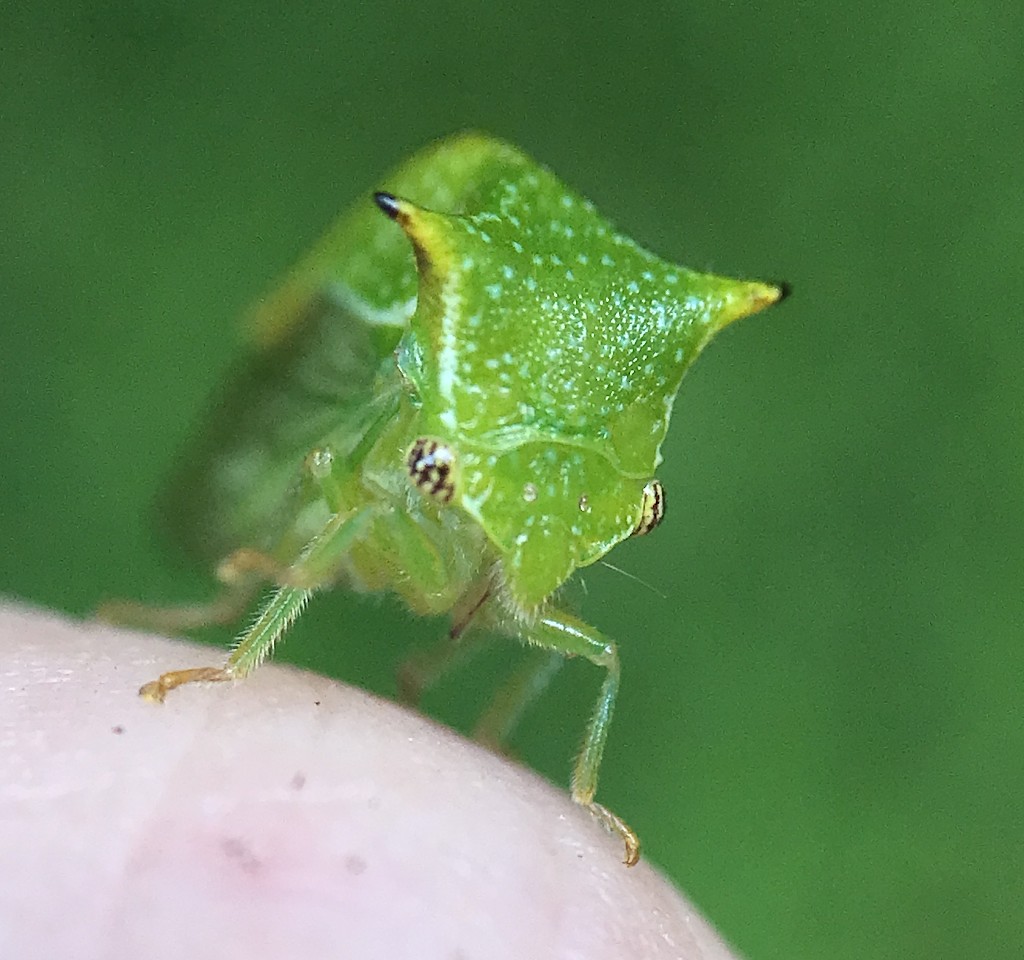
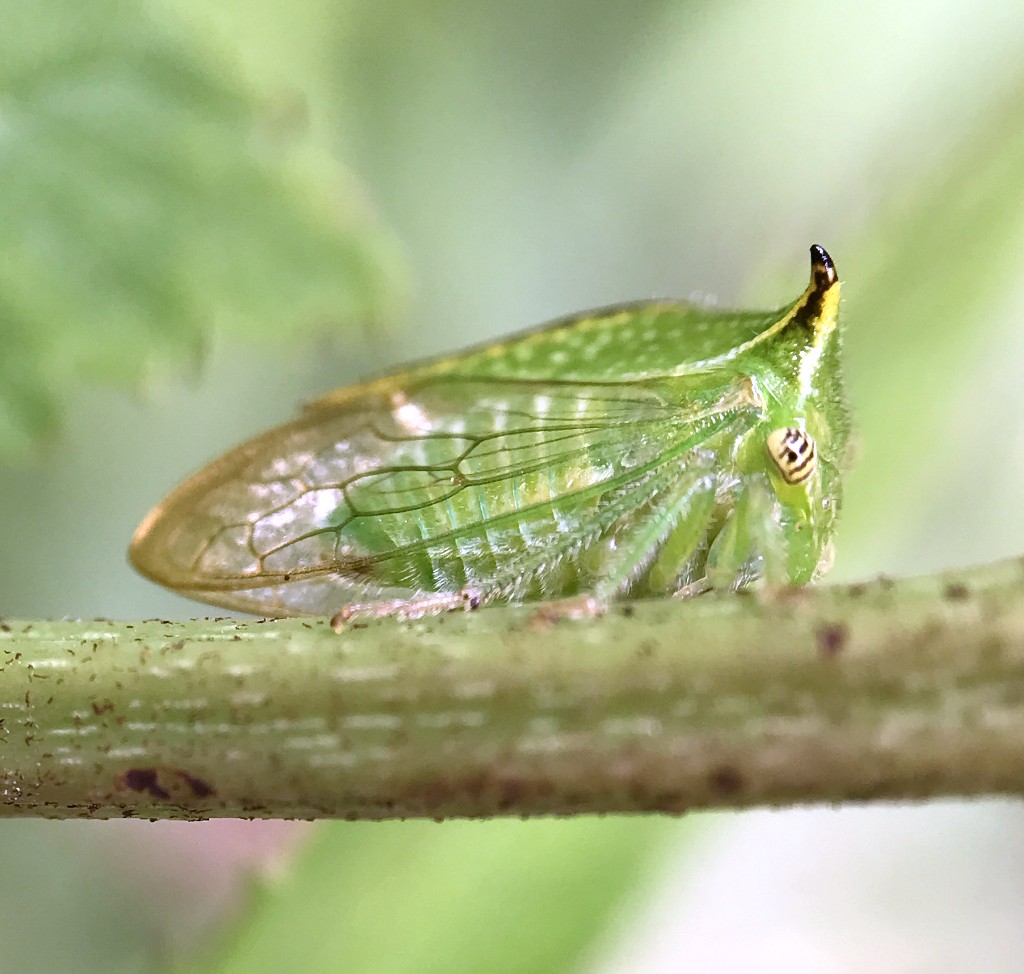
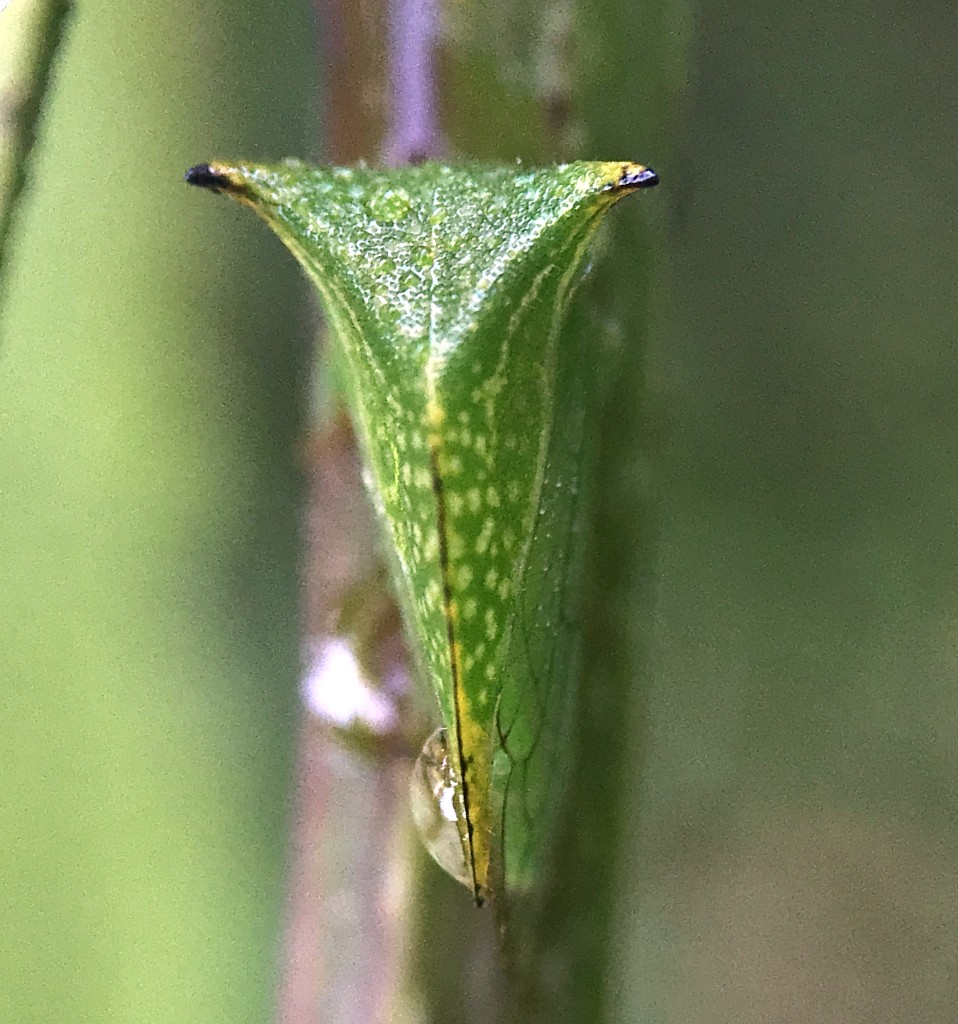
Stictocephala terminalis
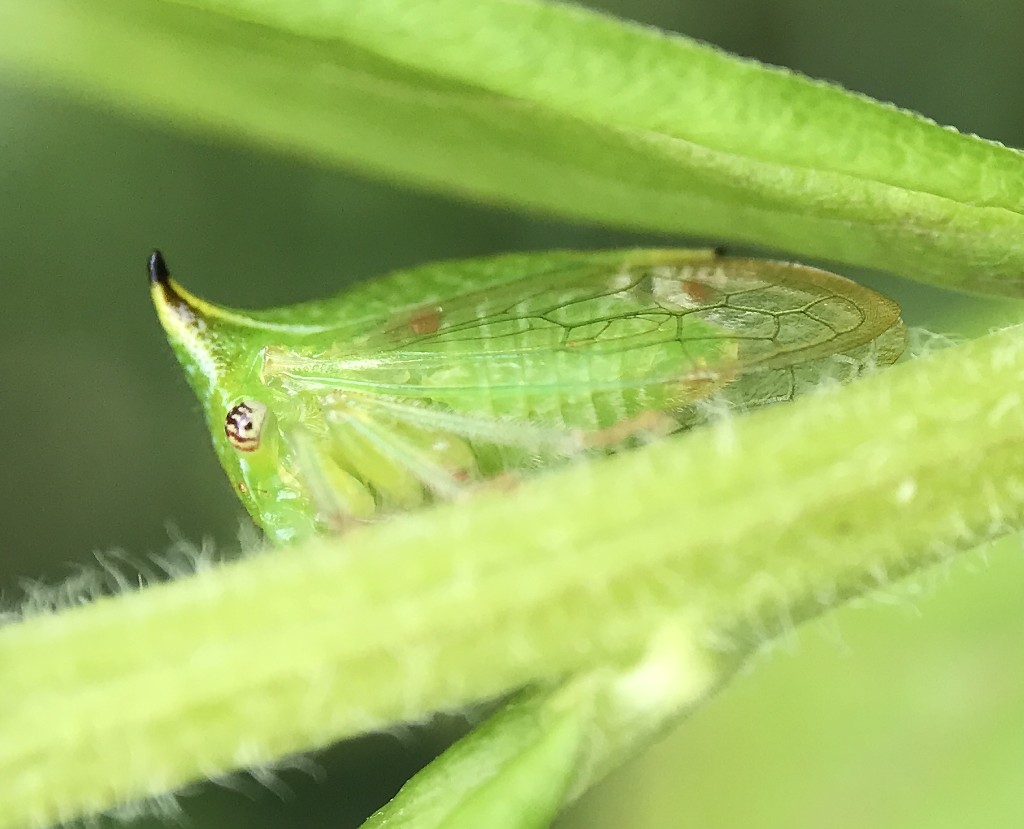
© Kyle Kittelberger- nymph
Taxonomy
Family: MEMBRACIDAESubfamily: SmiliinaeTribe: CeresiniSynonym: Ceresa terminalis
Taxonomic Author: (Walker, 1851)
Identification
Online Photographs: BugGuide, GBIF  iNaturalist  Google                                                                                  
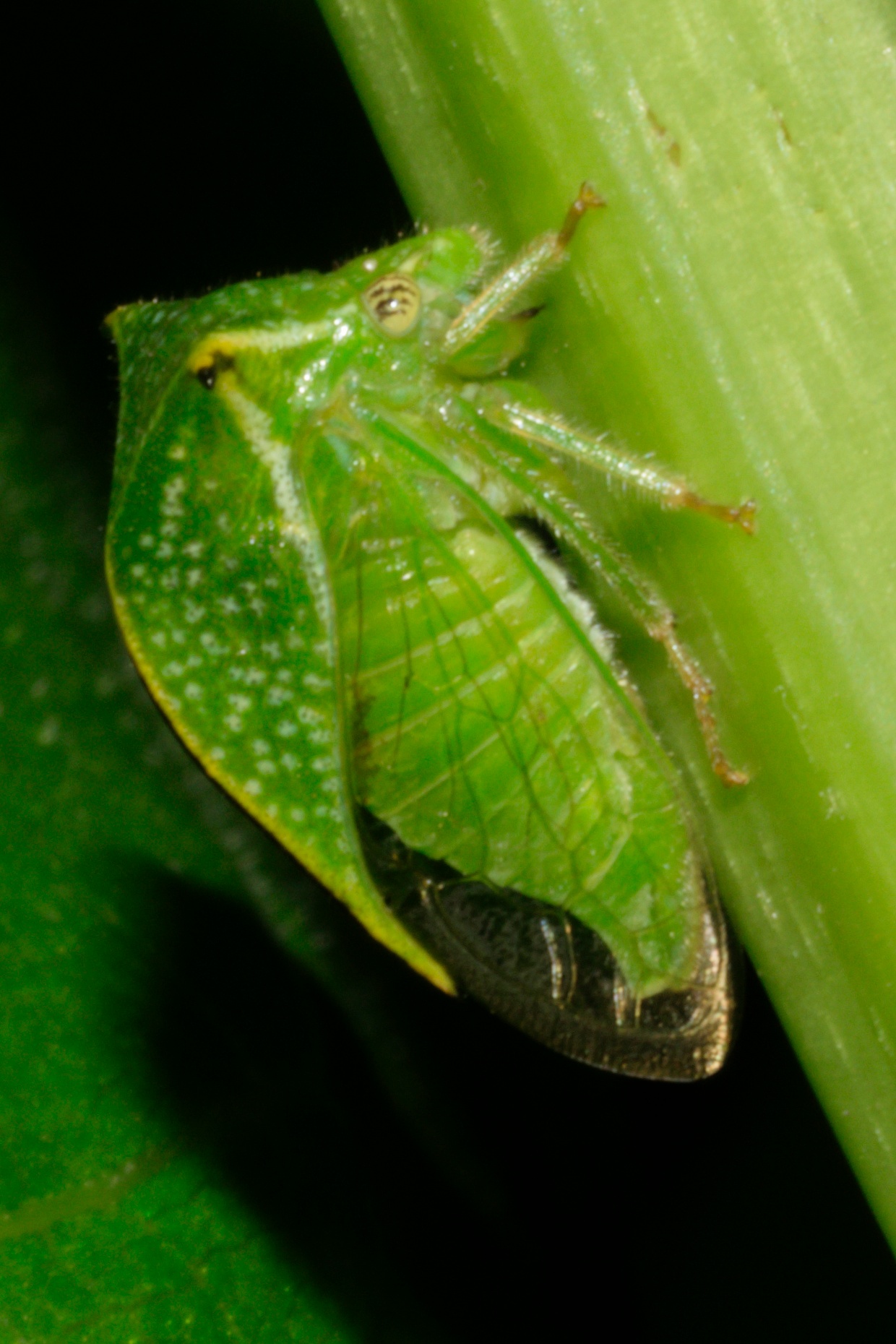
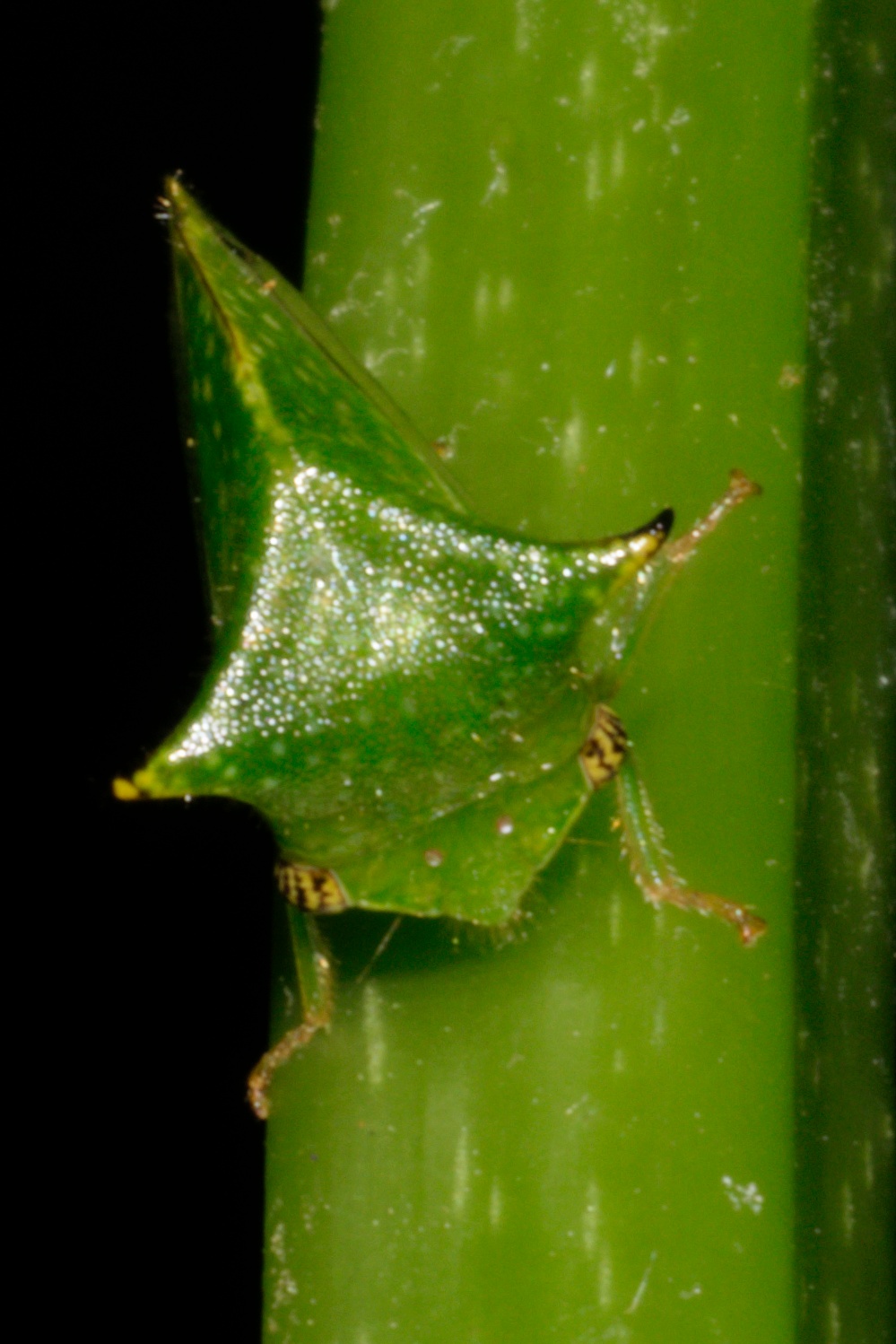
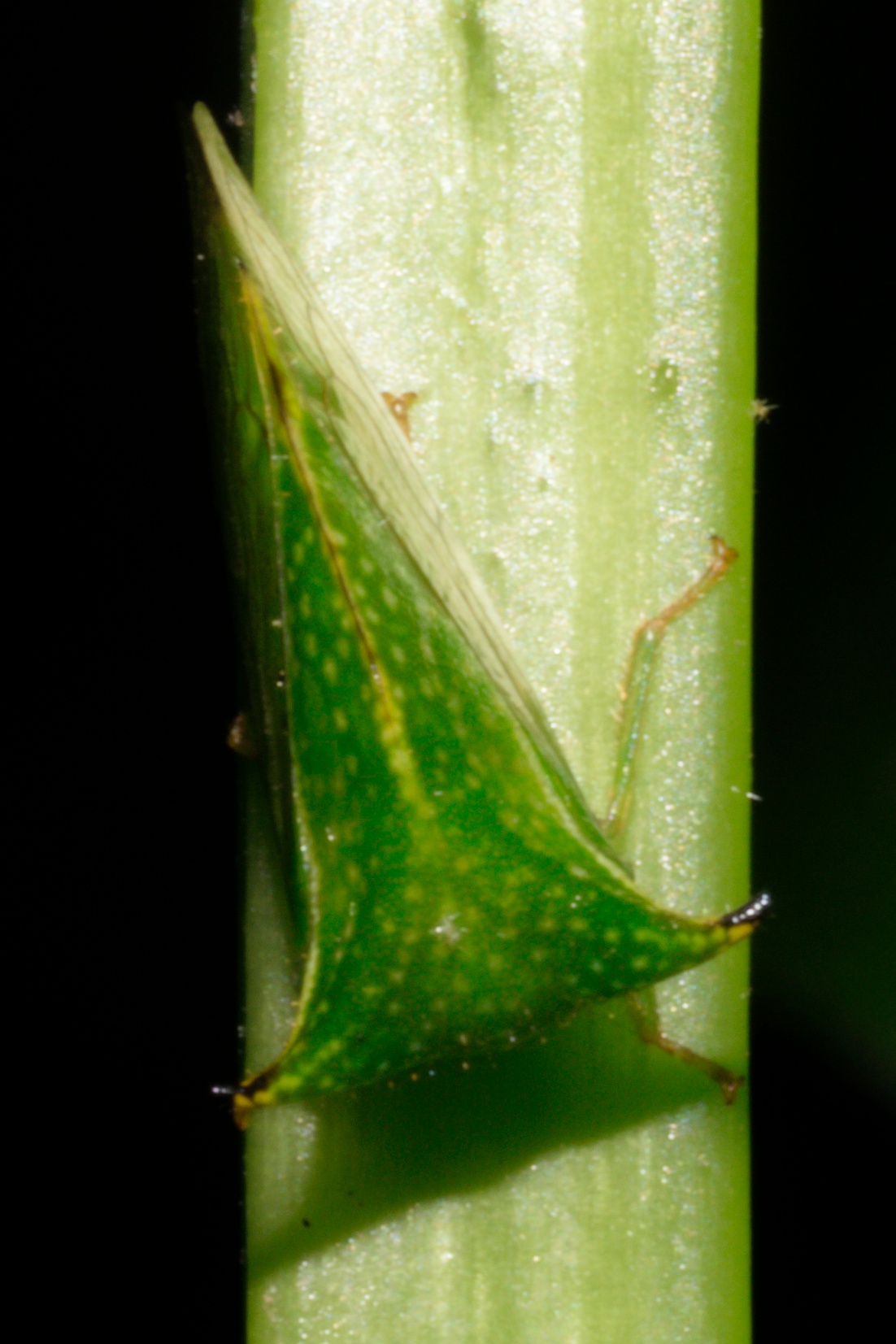
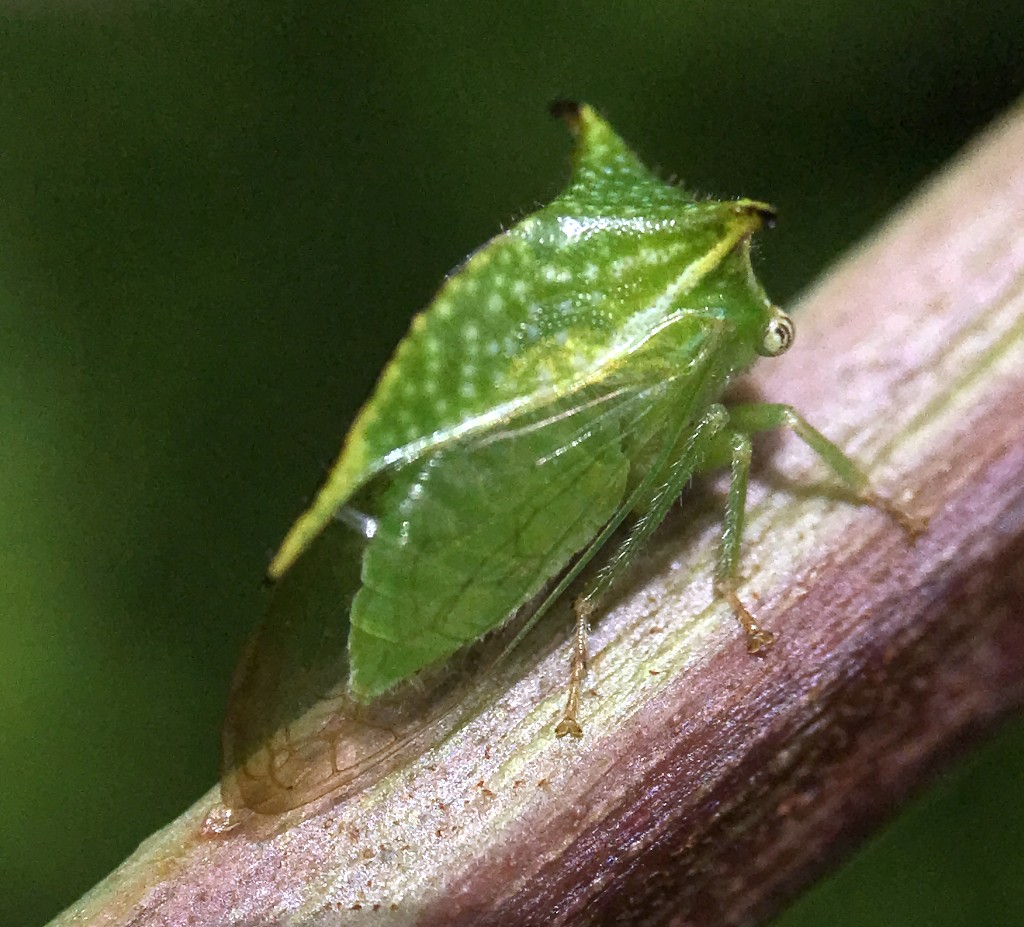
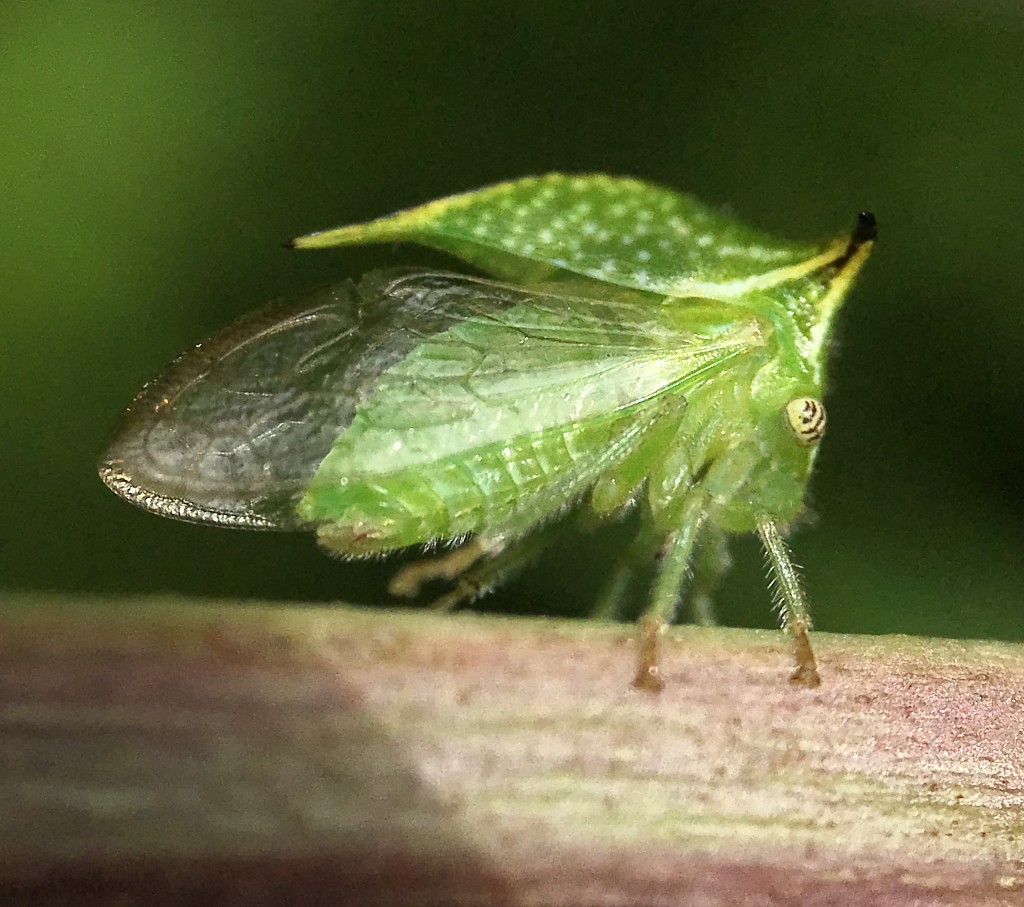
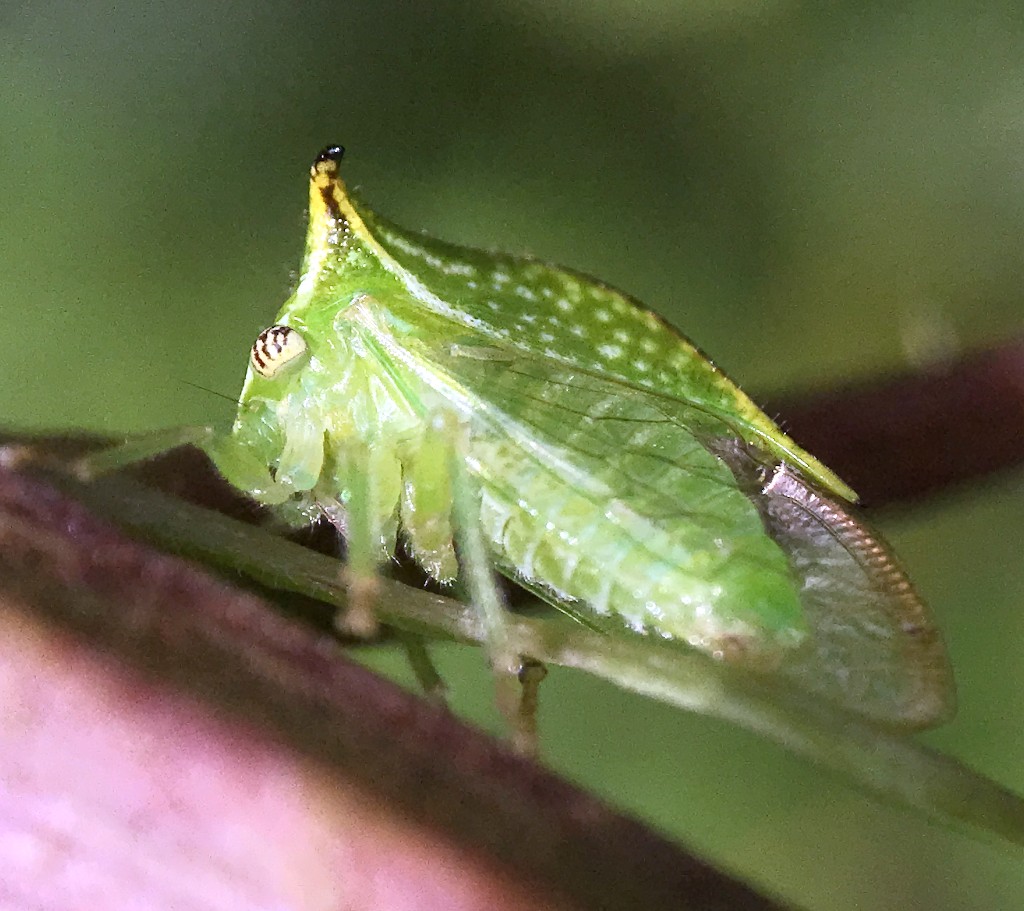
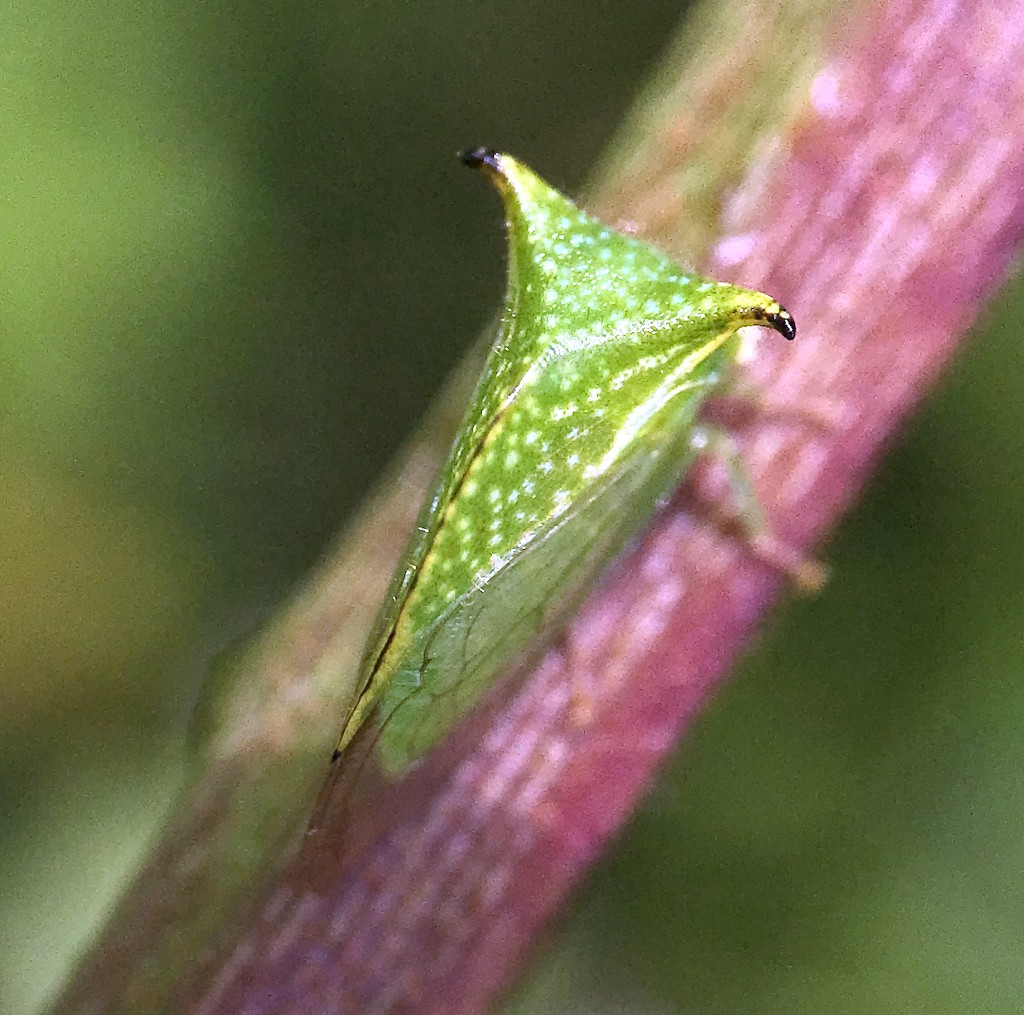
Description: A green species with many pale spots scattered all over the pronotum. The horns are prominent but not overly large and may have a dark edge to them. The legs are green. The nymph is typical for this genus, see above. Adults are around 7.5 mm long.
Distribution in North Carolina
County Map: Clicking on a county returns the records for the species in that county.
Out of State Record(s)
Distribution:
Abundance: Recorded from the mountains and Piedmont.
Seasonal Occurrence
Jan
Feb
Mar
Apr
May
Jun
Jul
Aug
Sep
Oct
Nov
Dec
Habitats and Life History
Habitats:
Plant Associates:
Behavior: To listen to the male courtship call for this genus, listen here. These courtship calls are not audible to the human ear, and the calls here are produced by recording the substrate vibrations that the treehoppers use to communicate through the plants themselves. The recorded call is then amplified so that it is now audible to human ears. Research has shown that treehoppers use vibrations to attract mates, to announce the discovery of a good feeding site, or to alert a defending mother to the approach of a predator (T.IM).
Comment: This species has very likely been misidentified as taurina in the literature over the many years, as the holotype for terminalis closely matches the type material for taurina. Therefore, this page for now encompasses photographic records that had previously bene treated on here as taurina. Currently it is unclear what true taurina looks like, but it has been noted as similar to terminalis. "Stictocephala terminalis was described from a female specimen and was largely ignored until de Andrade took a look at it again in 2005 and determined previous synonymies to be incorrect. The male of this species still has yet to be described, but I think—based on the general form—it is the species we have been calling taurina. Although the species was described from "Northern America" (without any more specificity), it was described in the same work as several other North American Ceresini."- S. Hendrix to KK

This species is perhaps most similar to Hadrophallus bubalus, as both species have a very similar color pattern and a similarly sized pronotum. However, H. bubalus has dense pubescence (white hair) scattered across the pronotum, whereas taurina has little to no pubescence.

Status: Native
Global and State Rank:

Species Photo Gallery for Stictocephala terminalis No Common Name 30

Stictocephala terminalisPhoto by: Kyle Kittelberger
Out Of State Co.
Comment:
Stictocephala terminalisPhoto by: Kyle Kittelberger
Out Of State Co.
Comment:
Stictocephala terminalisPhoto by: Kyle Kittelberger
Out Of State Co.
Comment:
Stictocephala terminalisPhoto by: Kyle Kittelberger
Out Of State Co.
Comment:
Stictocephala terminalisPhoto by: Kyle Kittelberger
Out Of State Co.
Comment:
Stictocephala terminalisPhoto by: Ken Childs
Out Of State Co.
Comment:
Stictocephala terminalisPhoto by: Scott Bolick
Watauga Co.
Comment:
Stictocephala terminalisPhoto by: Scott Bolick
Watauga Co.
Comment:
Stictocephala terminalisPhoto by: Scott Bolick
Watauga Co.
Comment:
Stictocephala terminalisPhoto by: Scott Bolick
Watauga Co.
Comment:
Stictocephala terminalisPhoto by: Ted Wilcox
Watauga Co.
Comment:
Stictocephala terminalisPhoto by: Ted Wilcox
Watauga Co.
Comment:
Stictocephala terminalisPhoto by: Ted Wilcox
Watauga Co.
Comment:
Stictocephala terminalisPhoto by: Ted Wilcox
Watauga Co.
Comment:
Stictocephala terminalisPhoto by: Ted Wilcox
Avery Co.
Comment: unid_treehopper
Stictocephala terminalisPhoto by: Ted Wilcox
Avery Co.
Comment: unid_treehopper
Stictocephala terminalisPhoto by: Ted Wilcox
Avery Co.
Comment: unid_treehopper
Stictocephala terminalisPhoto by: Ted Wilcox
Avery Co.
Comment: unid_treehopper
Stictocephala terminalisPhoto by: Ted Wilcox
Avery Co.
Comment: unid_treehopper
Stictocephala terminalisPhoto by: Ted Wilcox
Avery Co.
Comment: unid_treehopper
Stictocephala terminalisPhoto by: Ted Wilcox
Avery Co.
Comment: unid_treehopper
Stictocephala terminalisPhoto by: Ted Wilcox
Avery Co.
Comment: unid_treehopper
Stictocephala terminalisPhoto by: Ken Kneidel
Yancey Co.
Comment: edge of lush forest at foothills of Black Mountains with small lawn and meadow nearby
Stictocephala terminalisPhoto by: Ken Kneidel
Yancey Co.
Comment: edge of lush forest at foothills of Black Mountains with small lawn and meadow nearby
Stictocephala terminalisPhoto by: Ken Kneidel
Yancey Co.
Comment: edge of lush forest at foothills of Black Mountains with small lawn and meadow nearby; TENTATIVE ID
Stictocephala terminalisPhoto by: Ted Wilcox
Watauga Co.
Comment:
Stictocephala terminalisPhoto by: Ted Wilcox
Watauga Co.
Comment:
Stictocephala terminalisPhoto by: Ted Wilcox
Watauga Co.
Comment:
Stictocephala terminalisPhoto by: Ted Wilcox
Watauga Co.
Comment: unid_treehopper
Stictocephala terminalisPhoto by: Ted Wilcox
Watauga Co.
Comment: unid_treehopper