Taxonomy
Family: CIXIIDAE Subfamily: CixiinaeTribe: PentastiriniSynonym: Melanoliarus difficilis Taxonomic Author: (Van Duzee, 1912)
Identification
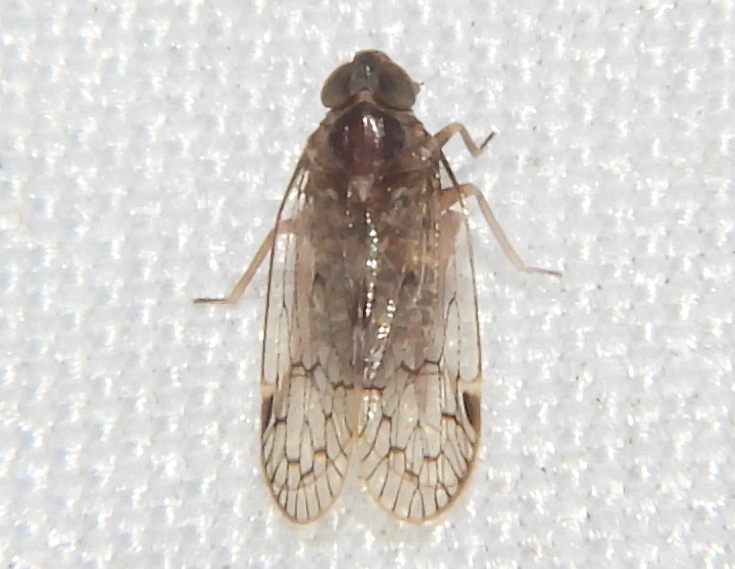
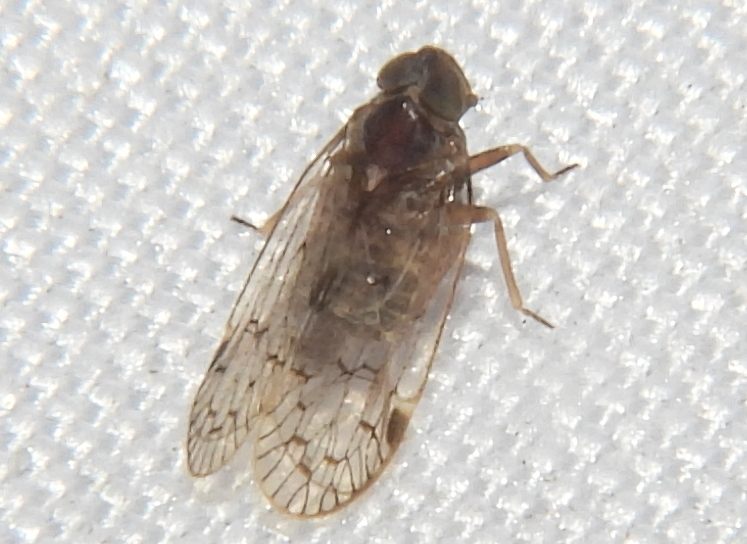
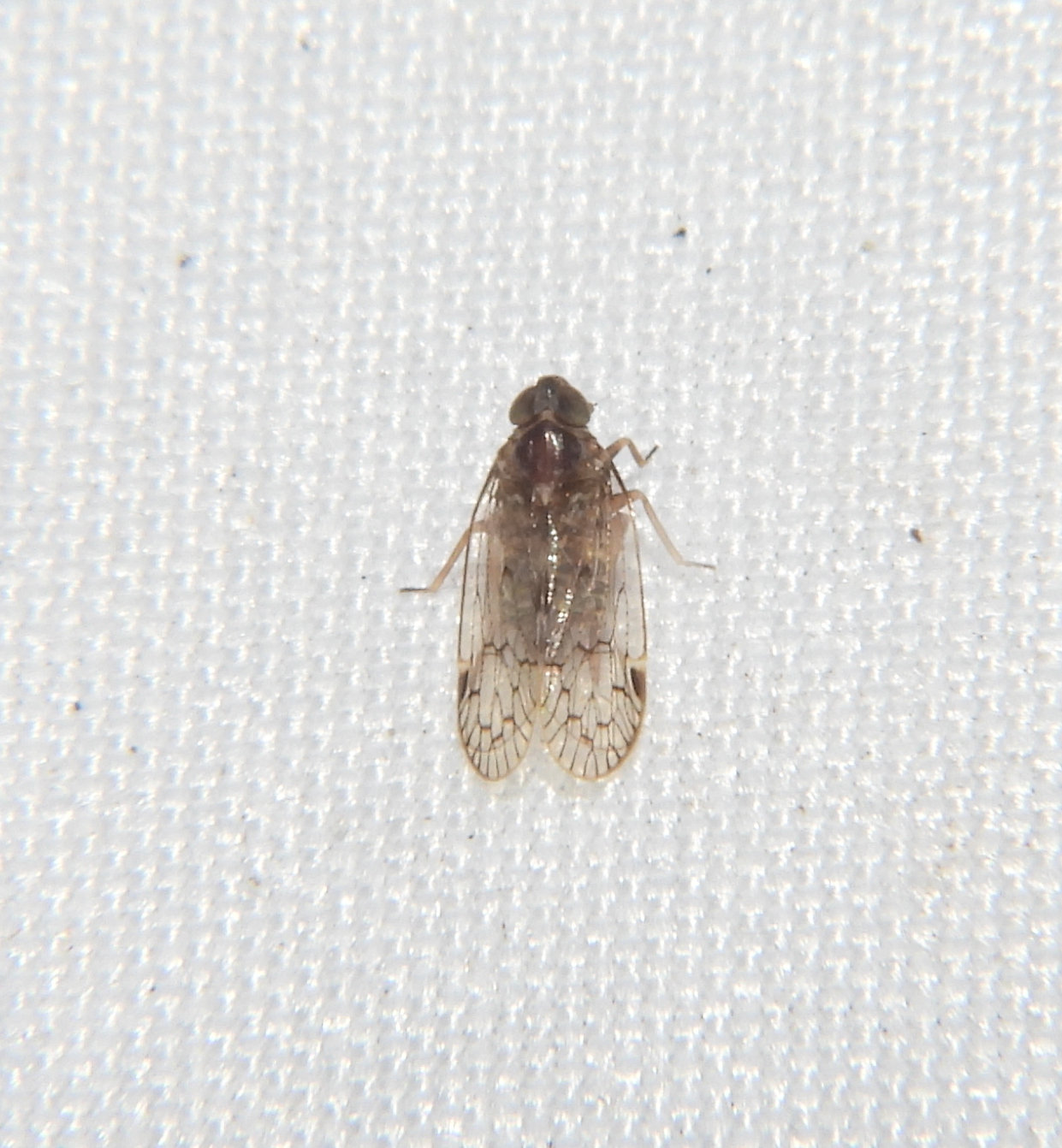
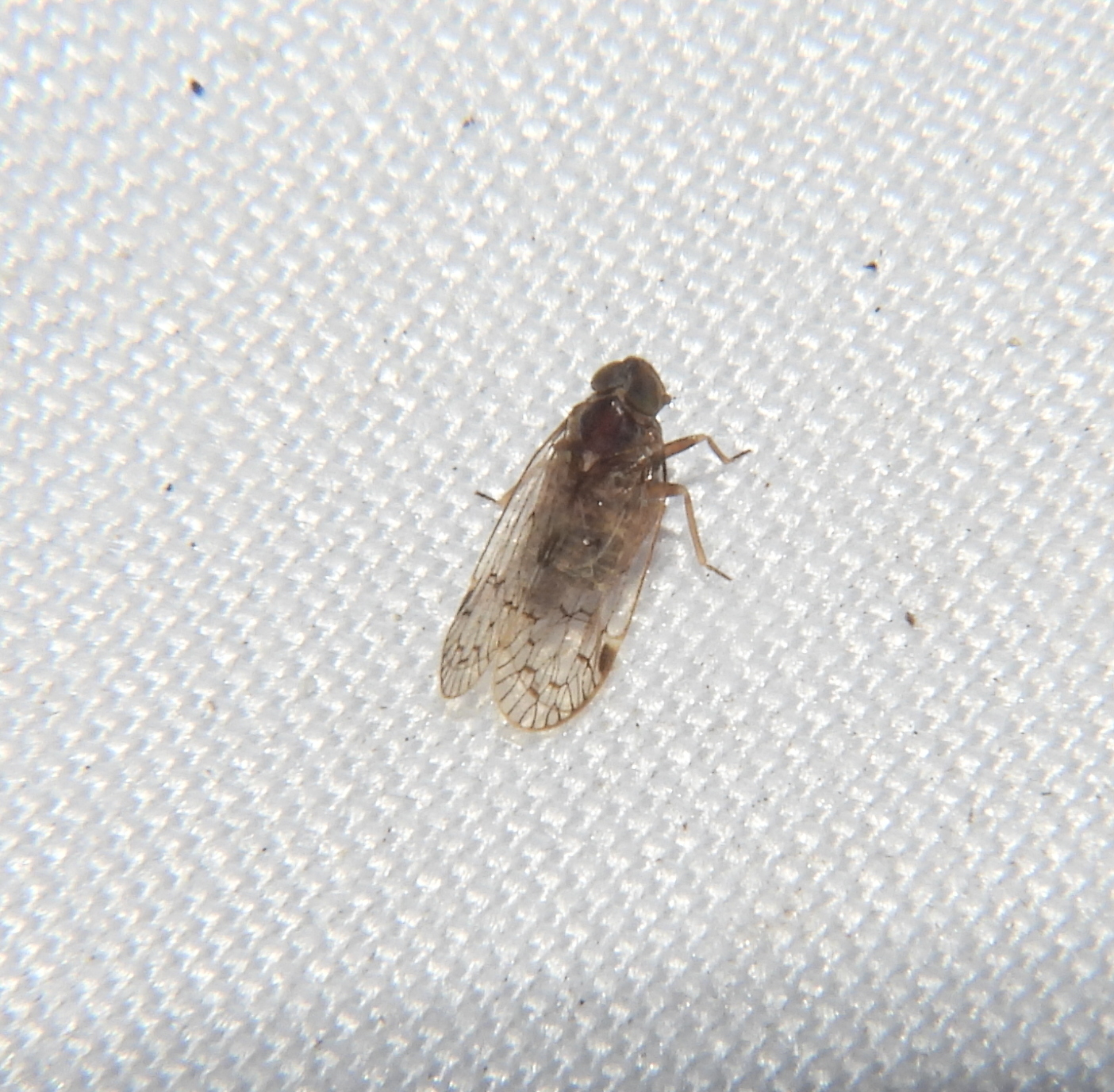
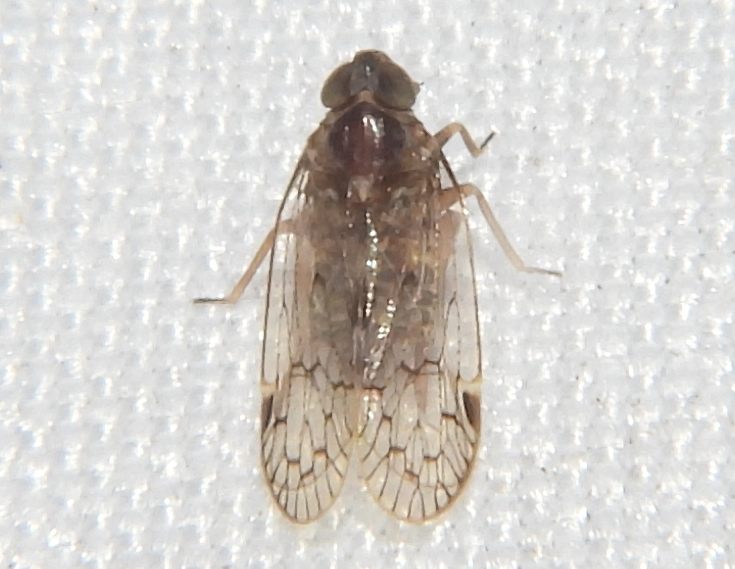
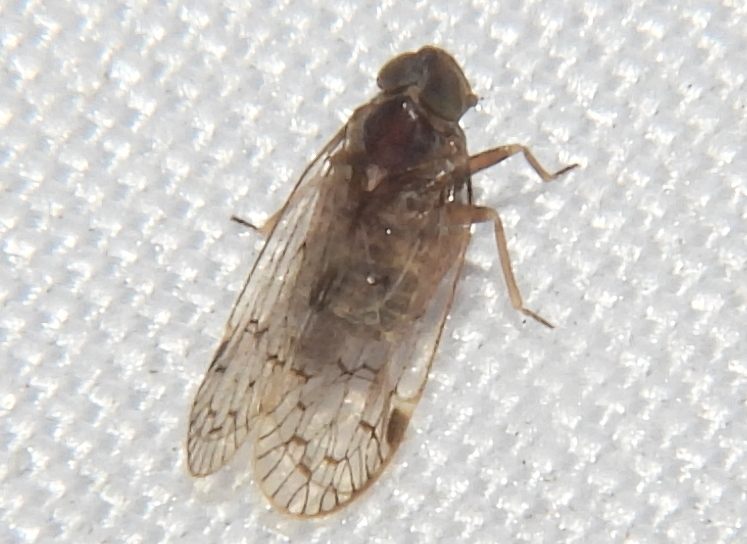
Online Photographs: BugGuide , GBIF iNaturalist Google Description: An overall reddish species, with the base color of the vertex and mesonotum a variable medium brown (the mesonotum is sometimes paler medially). The face has the color variable, usually a castaneous or ochraceous color; the median carina are conspicuously elevated and are yellowish throughout (the lateral carinae are a pale yellow). The eyes are unmottled. The tegmina have the membrane usually subhyaline, with the basal area smoky brown in some individuals; the crossveins here usually are brownish. The commissure is fuscous, and the veins elsewhere on the wings are pale yellow. The stigma is a distinct brown path, being nearly twice as long as wide. The legs are mostly a light brown color and are unbanded. Adult males are around 4.5-5.0 mm long. (Mead & Kramer, 1982 )For more images of this species, see: BG .
Distribution in North Carolina
County Map: Clicking on a county returns the records for the species in that county. Distribution: Southern United States (3I )Abundance: Rare, a single record from the coast; likely found elsewhere in this region.Seasonal Occurrence
Habitats and Life History
Habitats: Plant Associates: Mimosa borealis, Celtis laevigata (UDEL )Behavior: Can be attracted at night with a light.Comment: This may be the most difficult tribes of planthoppers, perhaps even hoppers to identify in North Carolina. However, the small size, reddish color, unmottled eyes, and coastal distribution are helpful indicators of this species. See Mead & Kramer, 1982 for additional information on this species and differences with other members of the tribe.Status: NativeGlobal and State Rank:
Species Photo Gallery for Lapsium difficile No Common Name 4Photo by: Nathan Nazdrowicz Photo by: Nathan Nazdrowicz Photo by: Nathan Nazdrowicz Photo by: Nathan Nazdrowicz

 »
»