| description |
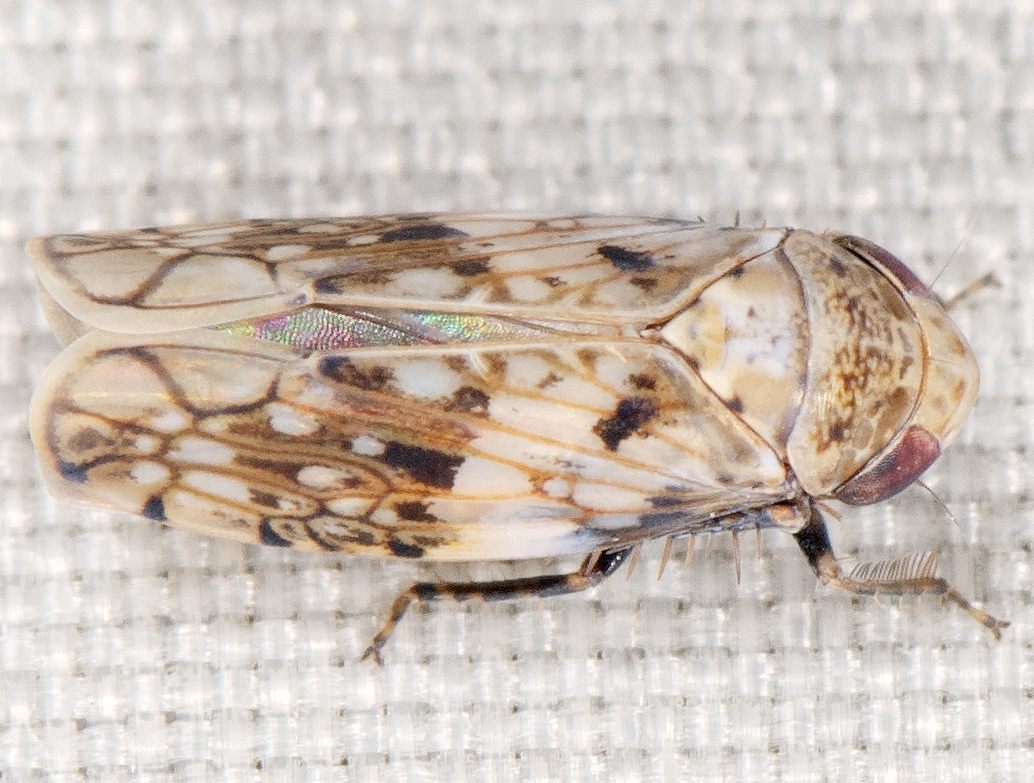
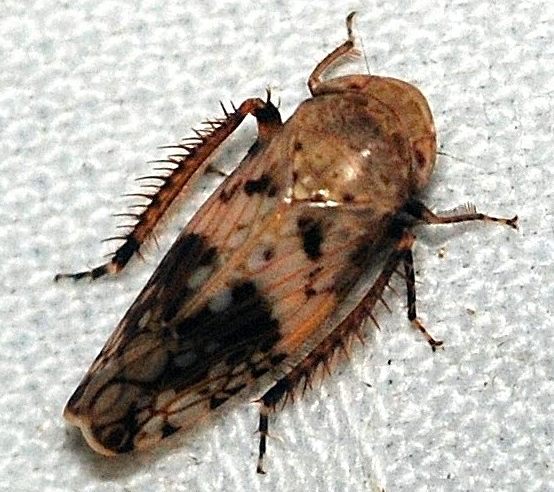
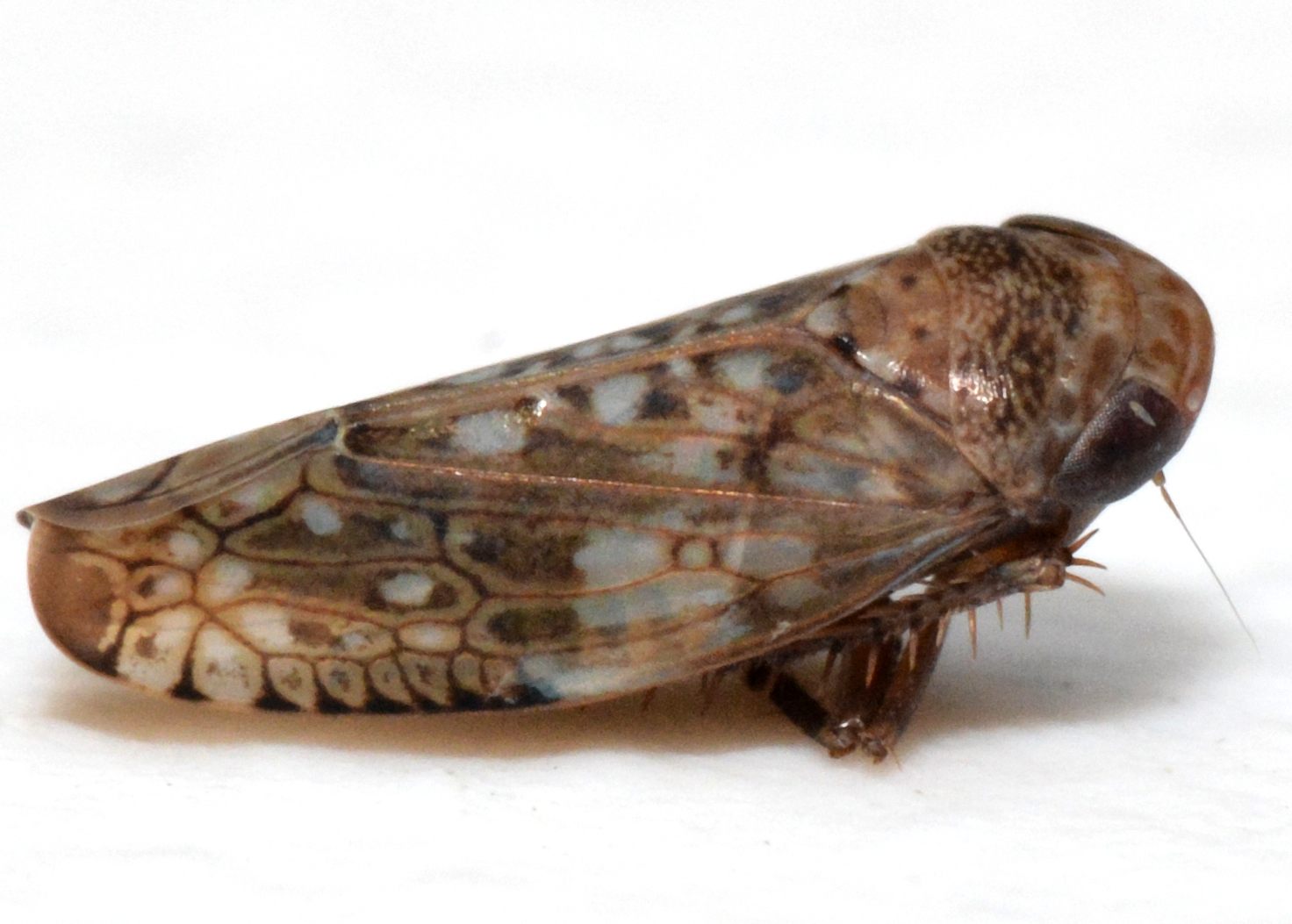
A fairly distinctively marked species, ranging in color from greenish yellow to dark brown. Typically the wings have a pale base and brown apical half. This two-toned wing pattern/coloration is characteristic of M. cinctum. However, some individuals can be paler and less bold overall, with a less distinct, smaller pale transverse band across the wings. The wing venation is red to reddish-brown, with the cross nervures on each clavus and the costa black. The vertex is bluntly conical, being one-half longer in the middle than near the eyes. The scutellum is pale and concolorous with the wing bases. The underside of the body is dark. The female pregenital sternite has the posterior margin slightly rounded, slightly produced in the middle. The male subgenital plates are long with broad bases that concavely narrow to slender upturned apices. Adults are 5.5-6.0 mm long. (DeLong, 1948)
This species has three subspecies: binaria, cinctum, and mexicanum (found from Mexico to Argentina). Subspecies binaria resembles typical cinctum but has a much darker, more intensified coloration, appearing as almost black with a broad white band on the wings; it can be described [and is by some] as looking as if the hopper was dipped in paint. The wings have a bold black blotch on either side of the junction of the claval nervures, with two similarly-colored blotches at the base of the costa on each wing; the pale, whitish transverse wing band is between these dark markings and the blackish posterior halves of the wings. The rest of the wings are largely blackish except for a pair of pale spots at the apex of the clavi, and a hyaline area across the outer apical cells. The vertex and pronotum are pale with brown or fuscous markings. The vertex is slightly more angled than typical cinctum, and the female pregenital sternite is slightly shorter. This ssp. is 5.5 mm long. (Ball, 1931) Some more images of subspecies binaria: 1, 2, 3.
For additional images showing variation, see: BG. Here is a neat image of a pair mating, showing difference in pattern and color. |
Species Photo Gallery for Menosoma cinctum No Common Name |
 | Photo by: T. DeSantis
Camden Co.
Comment: DISW | 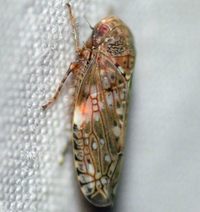 | Photo by: Kyle Kittelberger
Wake Co.
Comment: mixed hardwood forest habitat |
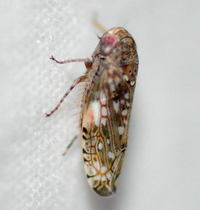 | Photo by: Kyle Kittelberger
Wake Co.
Comment: mixed hardwood forest habitat | 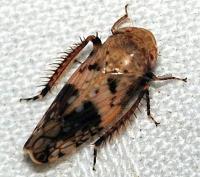 | Photo by: Paul Scharf
Warren Co.
Comment: Attracted to Black Light |
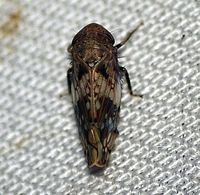 | Photo by: Paul Scharf
Warren Co.
Comment: Attracted to Black Light | 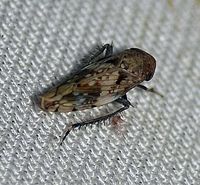 | Photo by: Paul Scharf
Warren Co.
Comment: Attracted to Black Light |
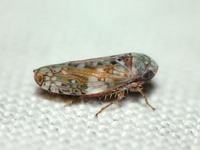 | Photo by: Kyle Kittelberger, Brian Bockhahn, Paul Scharf
Wake Co.
Comment: grassy habitat and mixed hardwood forest edge | 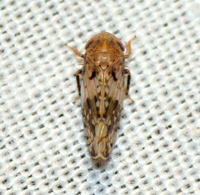 | Photo by: Kyle Kittelberger, Brian Bockhahn, Paul Scharf
Wake Co.
Comment: grassy habitat and mixed hardwood forest edge |
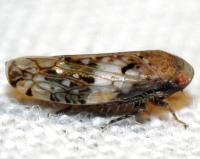 | Photo by: Kyle Kittelberger, Brian Bockhahn, Paul Scharf
Wake Co.
Comment: grassy habitat and mixed hardwood forest edge | 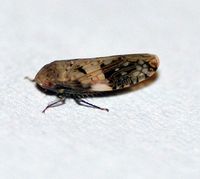 | Photo by: Paul Scharf
Warren Co.
Comment: Attracted to Black Light |
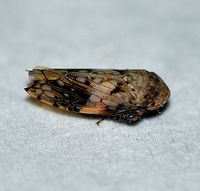 | Photo by: Paul Scharf
Warren Co.
Comment: Attracted to Light | 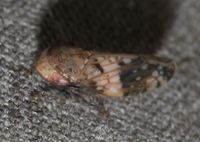 | Photo by: Harry Wilson
Wake Co.
Comment: attracted to light - unid_leafhopper |
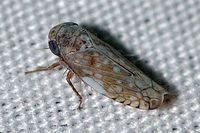 | Photo by: Paul Scharf, B Bockhahn
Stanly Co.
Comment: Attracted to UV Light | 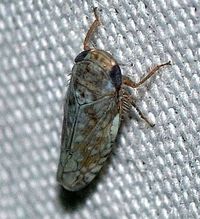 | Photo by: Paul Scharf, B Bockhahn
Stanly Co.
Comment: Attracted to UV Light |
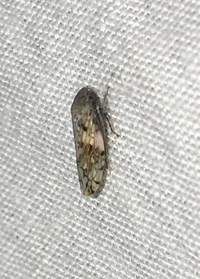 | Photo by: Randy L Emmitt
Orange Co.
Comment: | 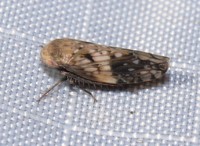 | Photo by: Rob Van Epps
Mecklenburg Co.
Comment: Attracted to black light. |
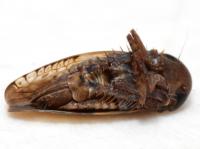 | Photo by: Kyle Kittelberger, Brian Bockhahn
Rockingham Co.
Comment: female | 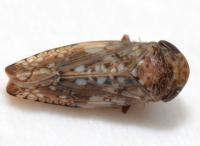 | Photo by: Kyle Kittelberger, Brian Bockhahn
Rockingham Co.
Comment: female |
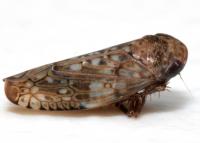 | Photo by: Kyle Kittelberger, Brian Bockhahn
Rockingham Co.
Comment: female | 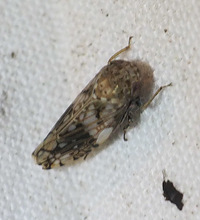 | Photo by: Randy Emmitt
Orange Co.
Comment: moth shhet |
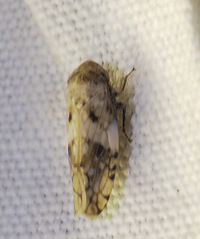 | Photo by: Randy Emmitt
Orange Co.
Comment: lost image had bad file extension. - unid_leafhopper | 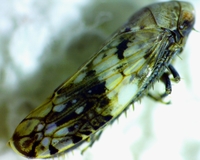 | Photo by: Ken Kneidel
Mecklenburg Co.
Comment: 5.9 mm female |
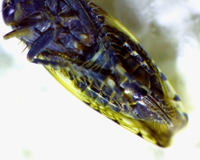 | Photo by: Ken Kneidel
Mecklenburg Co.
Comment: 5.9 mm female | 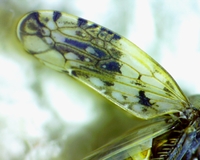 | Photo by: Ken Kneidel
Mecklenburg Co.
Comment: 5.9 mm female |
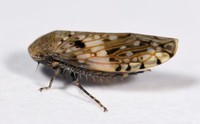 | Photo by: Rob Van Epps
Mecklenburg Co.
Comment: Attracted to UV light. Greenway in wooded area. | 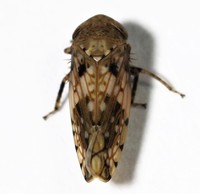 | Photo by: Rob Van Epps
Mecklenburg Co.
Comment: Attracted to UV light. Greenway in wooded area. |
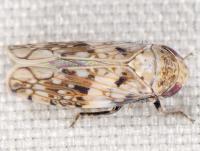 | Photo by: Mark Shields
Onslow Co.
Comment: | 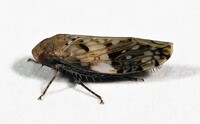 | Photo by: Rob Van Epps
Mecklenburg Co.
Comment: Attracted to UV light. Suburban yard near woods. |
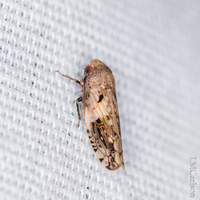 | Photo by: Lior Carlson
Orange Co.
Comment: | 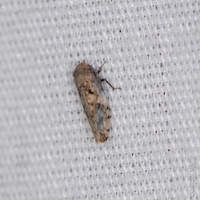 | Photo by: Lior Carlson
Orange Co.
Comment: |
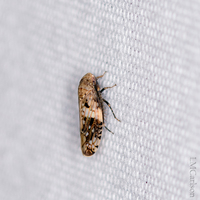 | Photo by: Lior Carlson
Orange Co.
Comment: | 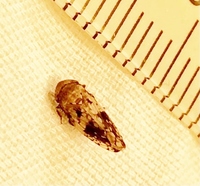 | Photo by: Ken Kneidel
Mecklenburg Co.
Comment: came to UV light at night |
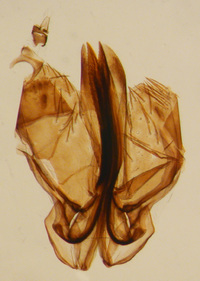 | Photo by: Bo Sullivan
Craven Co.
Comment: female, 5.7 mm | 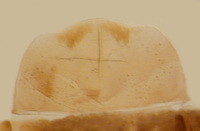 | Photo by: Bo Sullivan
Craven Co.
Comment: female, 5.7 mm |
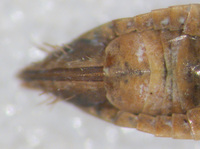 | Photo by: Bo Sullivan
Craven Co.
Comment: female, 5.7 mm | 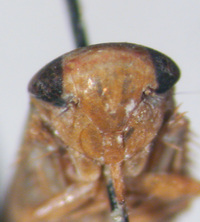 | Photo by: Bo Sullivan
Craven Co.
Comment: female, 5.7 mm |
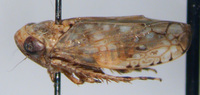 | Photo by: Bo Sullivan
Craven Co.
Comment: female, 5.7 mm | 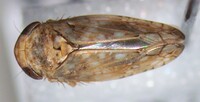 | Photo by: Bo Sullivan
Craven Co.
Comment: female, 5.7 mm |
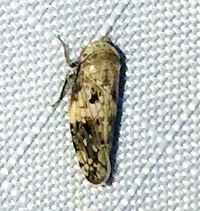 | Photo by: Ken Kneidel
Mecklenburg Co.
Comment: came to UV light at night | 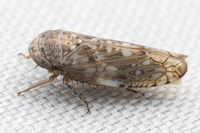 | Photo by: Solomon Hendrix
Wake Co.
Comment: attracted to light |
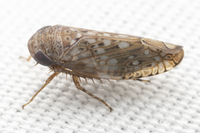 | Photo by: Solomon Hendrix
Wake Co.
Comment: attracted to light | 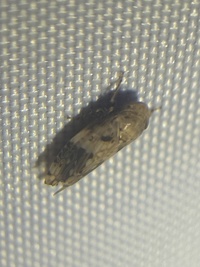 | Photo by: Larry Chen, Sarah Toner, Jeff Niznik, Kaitlyn Elliott
Richmond Co.
Comment: |
|

 »
»