| description |
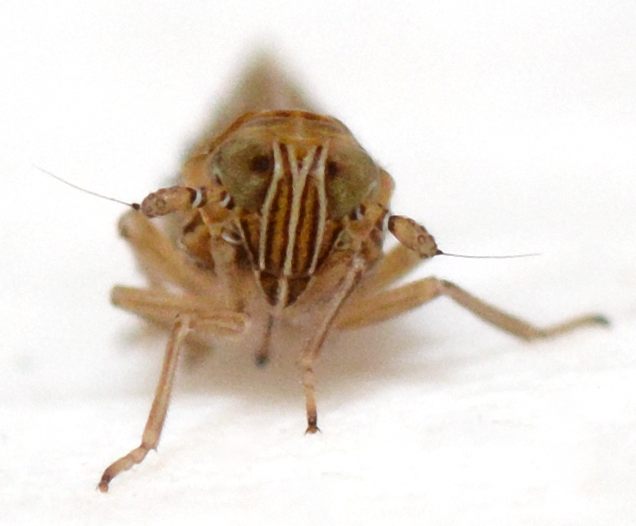
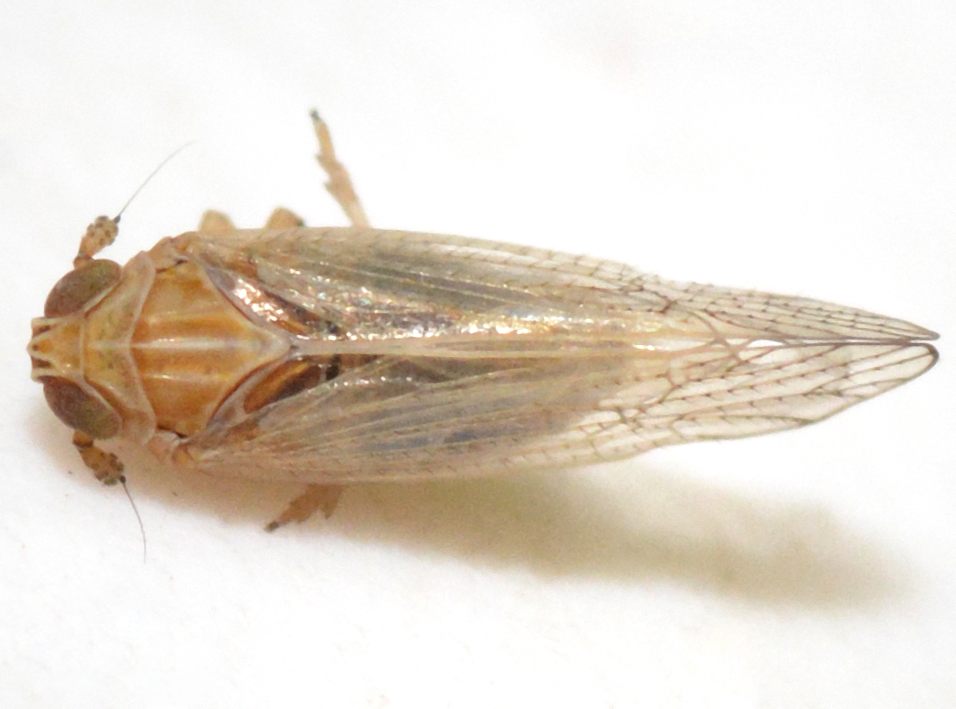
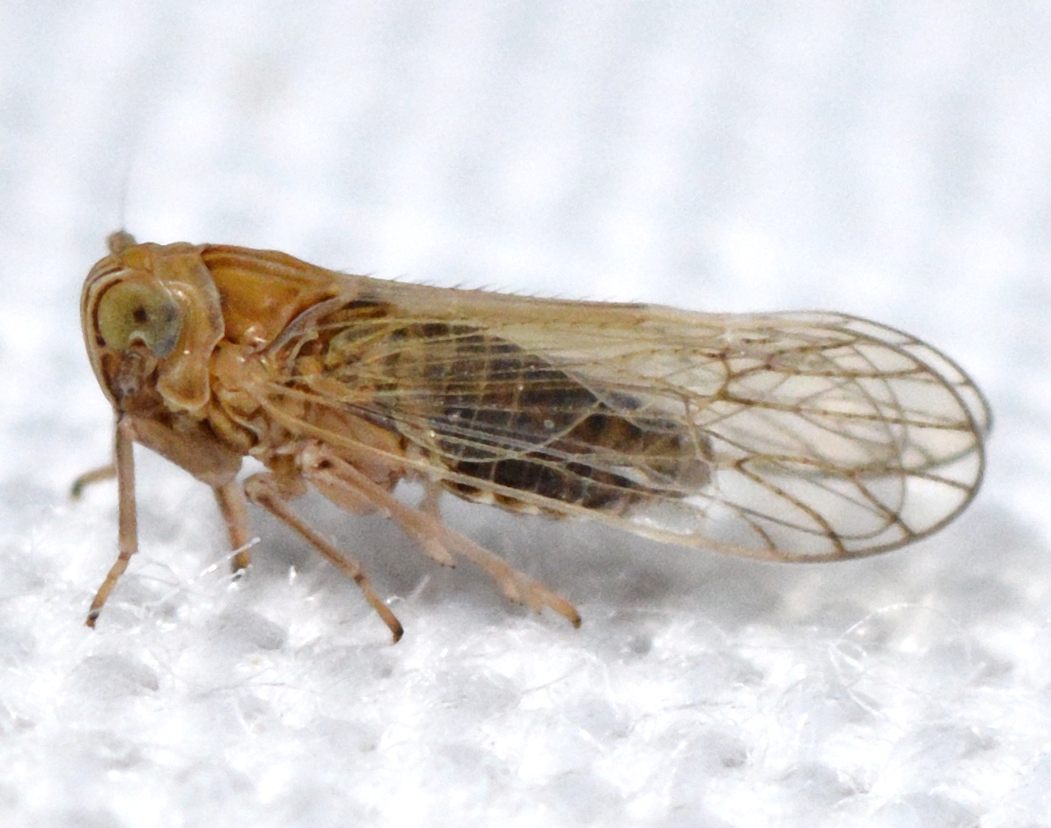
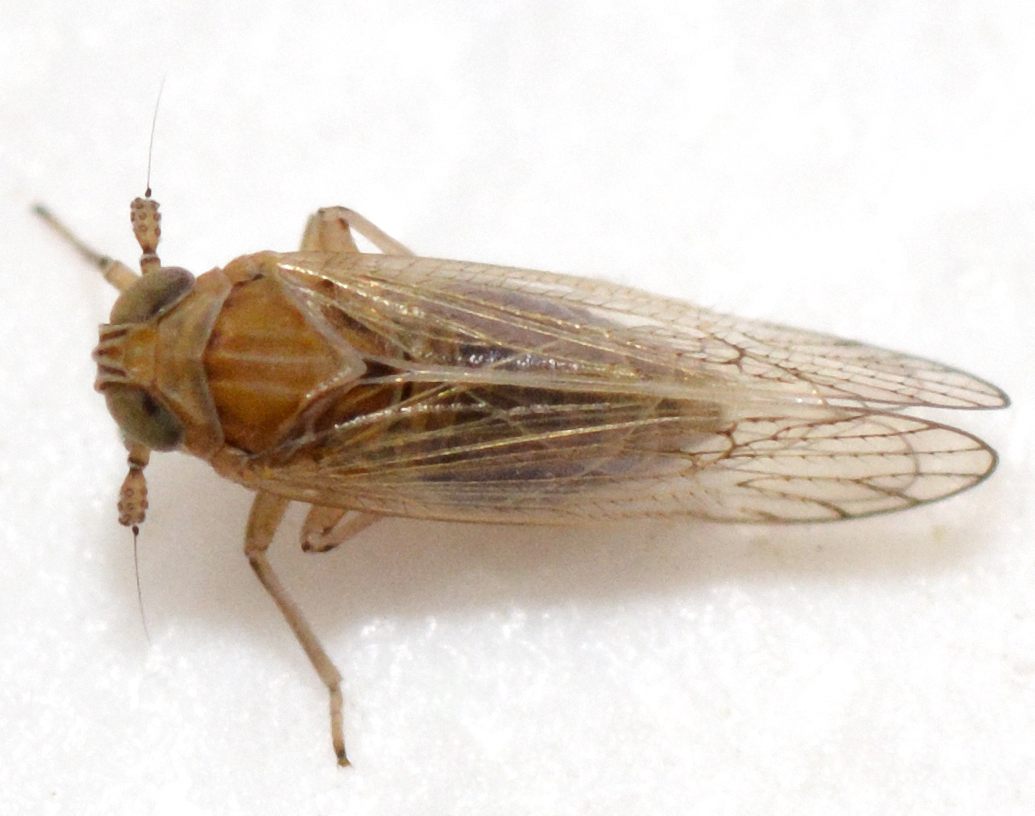
A highly variable species in which short (brachypter) and long-winged (macropter) forms are common. Adult macropterous males are around 3.29 mm long, while brachypters are around 1.97 mm; macropter females are around 3.37 mm and brachypters are on average around 2.35 mm. Adults are generally yellowish tan to brownish in color, and the face is embrowned with pale/white ridges and darker borders to the embrowned parts. The two antennal segments are pale with dark margins apically on segment I and basally on segment II. The pronotum is concolorous with the rest of the body, and the wings can be slightly fuscous. Brachypterous individuals tend to be paler than macropters. This species closely resembles M. wetmorei and Toya idonea. However, M. wetmorei is described as consistently exhibiting dark intercarinal regions compared to propinqua which has embrowned regions with dark borders on the frons: the frons in wetmorei is completely dark with white ridges, while it is brown with a black border and white ridges in propinqua. Furthermore, wetmorei tends to have a dark clypeus (lower part of the face), whereas propinqua's clypeus is pale. These features are compounded by the fact that variation occurs in the two species with regards to the face and should not be used as a definitive distinguishing feature. However, while propinqua tends to have pale antennal segments, there is a dark brown ring around the juncture of the two segments in wetmorei. T. idonea resembles both species but has a darkened face like in wetmorei and pale antennal segments like in propinqua. It is helpful to photograph the face of individuals that may represent one of these three species, but in some cases an ID may not be possible. For images of pinned specimens from these three closely related species, see: propinqua, wetmorei, and idonea. For more information about these three species and species-specific characteristics, see: G & B 2007. |
Species Photo Gallery for Metadelphax propinqua No Common Name |
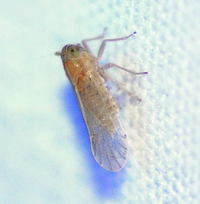 | Photo by: Kyle Kittelberger, Brian Bockhahn, Paul Scharf
Wake Co.
Comment: grassy habitat | 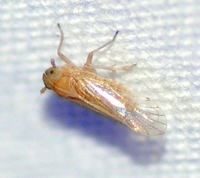 | Photo by: Kyle Kittelberger, Brian Bockhahn, Paul Scharf
Wake Co.
Comment: grassy habitat |
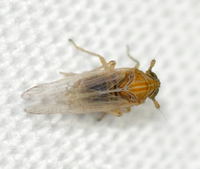 | Photo by: Kyle Kittelberger, Brian Bockhahn, Paul Scharf
Warren Co.
Comment: mixed hardwood, open forest near lake edge | 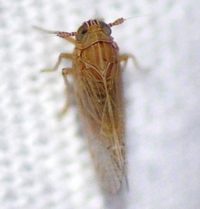 | Photo by: Kyle Kittelberger, Brian Bockhahn, Paul Scharf
Warren Co.
Comment: open grassy area within mixed hardwood forest habitat |
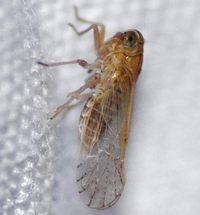 | Photo by: Kyle Kittelberger, Brian Bockhahn, Paul Scharf
Warren Co.
Comment: open grassy area within mixed hardwood forest habitat | 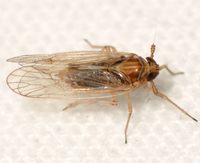 | Photo by: Kyle Kittelberger
Wake Co.
Comment: near mixed hardwood forest |
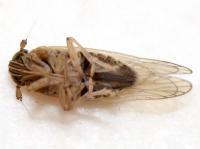 | Photo by: Kyle Kittelberger, Brian Bockhahn
Carteret Co.
Comment: female | 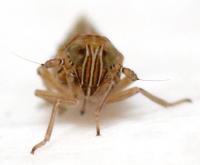 | Photo by: Kyle Kittelberger, Brian Bockhahn
Carteret Co.
Comment: female |
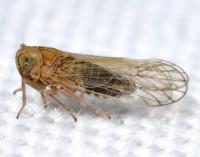 | Photo by: Kyle Kittelberger, Brian Bockhahn
Carteret Co.
Comment: female | 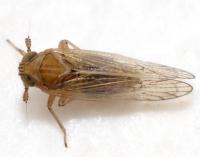 | Photo by: Kyle Kittelberger, Brian Bockhahn
Carteret Co.
Comment: female |
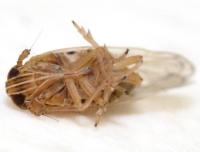 | Photo by: Kyle Kittelberger, Brian Bockhahn, Paul Scharf
New Hanover Co.
Comment: open woodlands, pine dominated; | 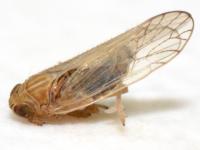 | Photo by: Kyle Kittelberger, Brian Bockhahn, Paul Scharf
New Hanover Co.
Comment: open woodlands, pine dominated; |
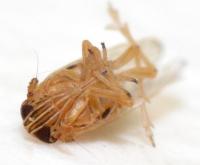 | Photo by: Kyle Kittelberger, Brian Bockhahn, Paul Scharf
New Hanover Co.
Comment: open woodlands, pine dominated; | 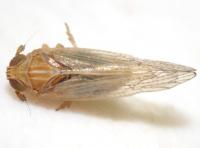 | Photo by: Kyle Kittelberger, Brian Bockhahn, Paul Scharf
New Hanover Co.
Comment: open woodlands, pine dominated; |
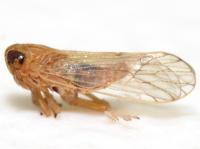 | Photo by: Kyle Kittelberger, Brian Bockhahn, Paul Scharf
New Hanover Co.
Comment: open woodlands, pine dominated; 2 specimens photographed | 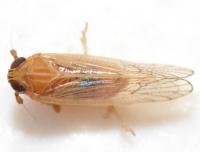 | Photo by: Kyle Kittelberger, Brian Bockhahn, Paul Scharf
New Hanover Co.
Comment: open woodlands, pine dominated; 2 specimens photographed |
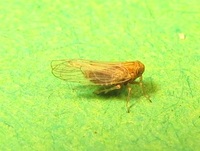 | Photo by: Ken Kneidel
Mecklenburg Co.
Comment: Wet area with cattails and goldenrod. | 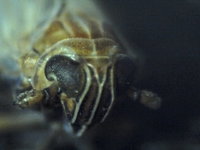 | Photo by: Ken Kneidel
Mecklenburg Co.
Comment: Wet area with cattails and goldenrod. |
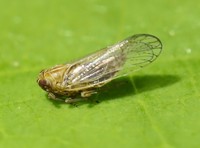 | Photo by: Rob Van Epps
Mecklenburg Co.
Comment: Open area near woods. Attracted to black light. | 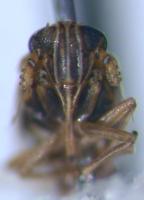 | Photo by: J. B. Sullivan
Yancey Co.
Comment: |
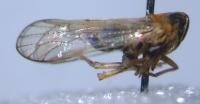 | Photo by: J. B. Sullivan
Yancey Co.
Comment: | 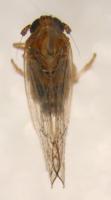 | Photo by: J. B. Sullivan
Yancey Co.
Comment: |
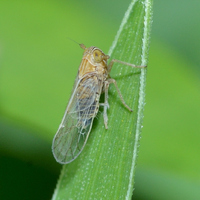 | Photo by: Margarita Lankford
Orange Co.
Comment: https://www.inaturalist.org/observations/55853890 | 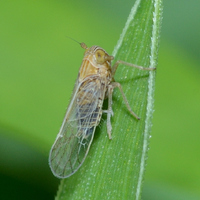 | Photo by: Margarita Lankford
Orange Co.
Comment: https://www.inaturalist.org/observations/55853890 |
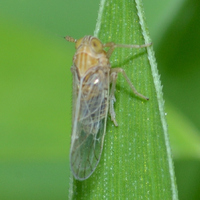 | Photo by: Margarita Lankford
Orange Co.
Comment: https://www.inaturalist.org/observations/55853890 | 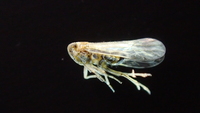 | Photo by: Erich Hofmann
New Hanover Co.
Comment: https://www.inaturalist.org/observations/60970173 |
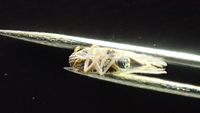 | Photo by: Erich Hofmann
New Hanover Co.
Comment: https://www.inaturalist.org/observations/60970173 | 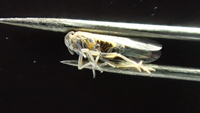 | Photo by: Erich Hofmann
New Hanover Co.
Comment: https://www.inaturalist.org/observations/60970173 |
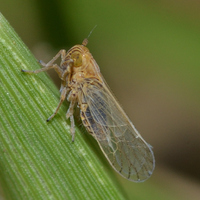 | Photo by: Margarita Lankford
Dare Co.
Comment: https://www.inaturalist.org/observations/61163309 | 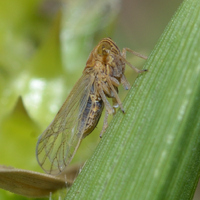 | Photo by: Margarita Lankford
Dare Co.
Comment: https://www.inaturalist.org/observations/61163309 |
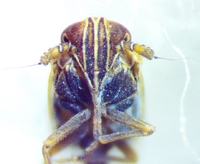 | Photo by: Ken Kneidel
Mecklenburg Co.
Comment: caught during a sweep through a wet area in an athletic field | 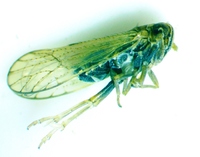 | Photo by: Ken Kneidel
Mecklenburg Co.
Comment: caught during a sweep through a wet area in an athletic field |
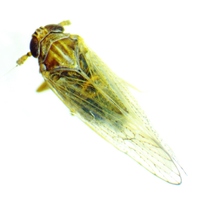 | Photo by: Ken Kneidel
Mecklenburg Co.
Comment: caught during a sweep through a wet area in an athletic field | 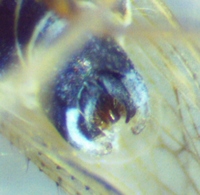 | Photo by: Ken Kneidel
Mecklenburg Co.
Comment: caught during a sweep through a wet area in an athletic field |
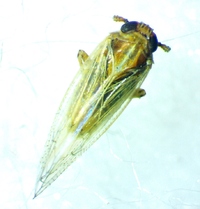 | Photo by: Ken Kneidel
Mecklenburg Co.
Comment: 3.5 mm | 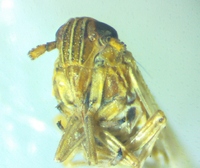 | Photo by: Ken Kneidel
Mecklenburg Co.
Comment: 3.5 mm |
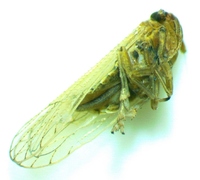 | Photo by: Ken Kneidel
Mecklenburg Co.
Comment: 3.5 mm | 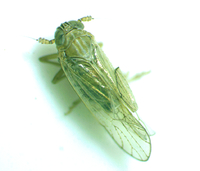 | Photo by: Ken Kneidel
Mecklenburg Co.
Comment: 3 mm, caught while sweeping over clover in a residential lawn |
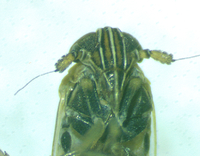 | Photo by: Ken Kneidel
Mecklenburg Co.
Comment: 3 mm, caught while sweeping over clover in a residential lawn | 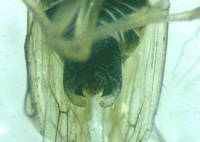 | Photo by: Ken Kneidel
Mecklenburg Co.
Comment: 3 mm, caught while sweeping over clover in a residential lawn |
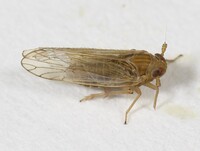 | Photo by: Rob Van Epps
Mecklenburg Co.
Comment: Caught sweeping in weedy field. | 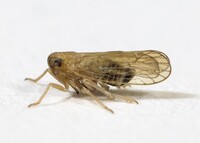 | Photo by: Rob Van Epps
Mecklenburg Co.
Comment: Caught sweeping in weedy field. |
|

 »
»