| description |
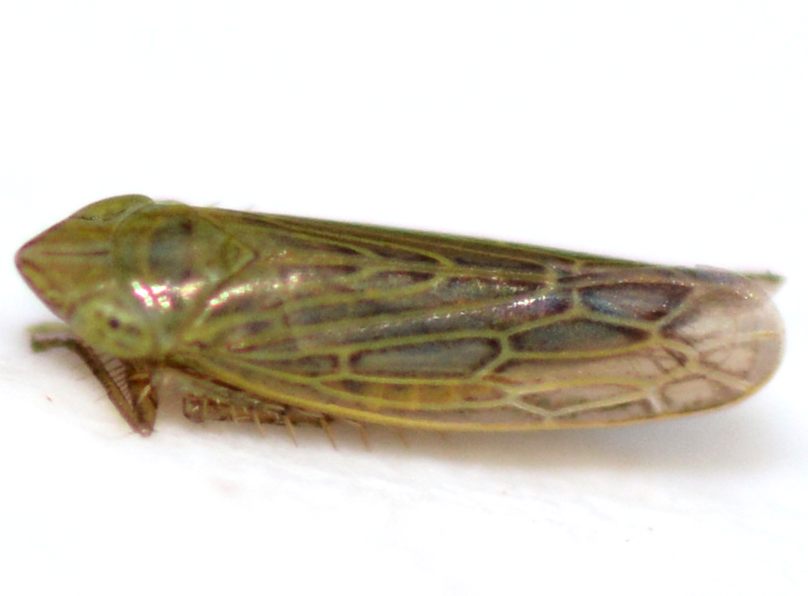
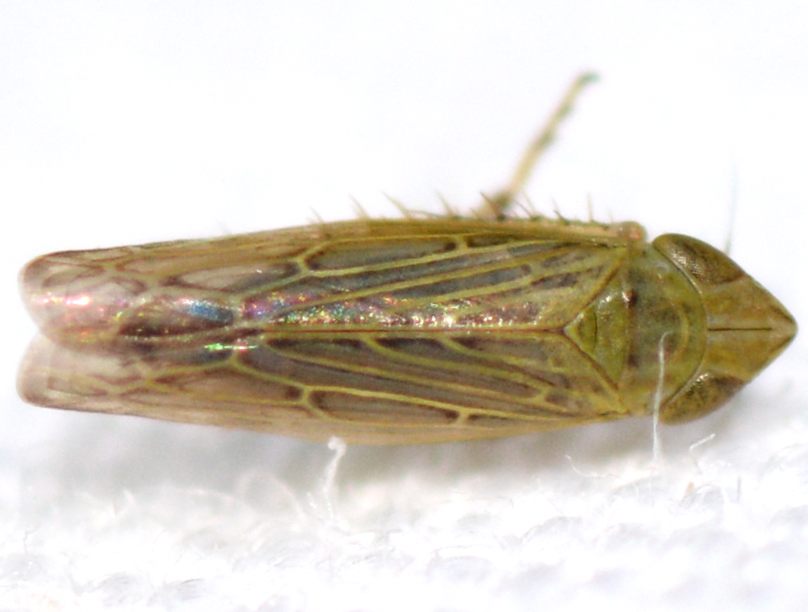
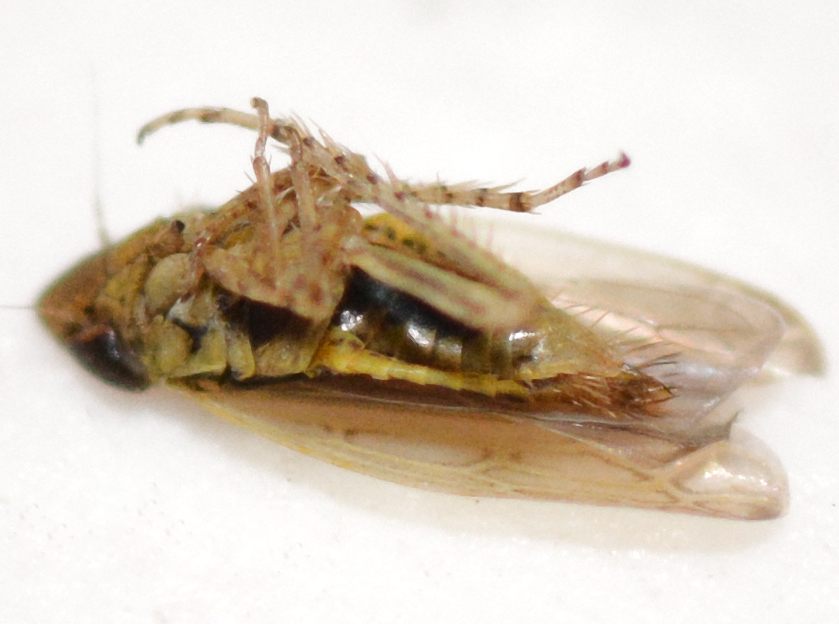
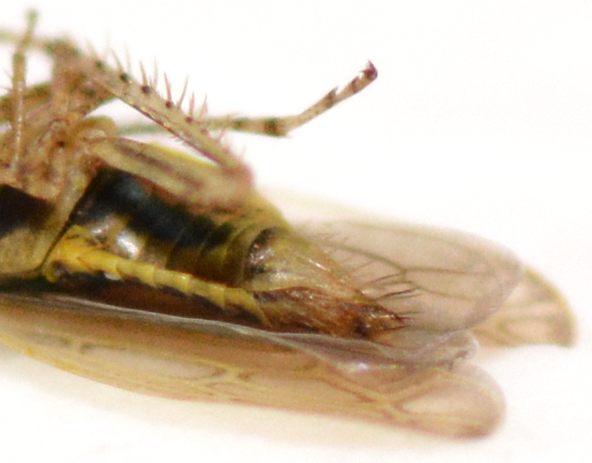
A pale yellowish-green to golden yellow species species that is unmarked; it has bold, yellow wing venation that contrasts with the darker wing cells. There is a thin dark midline on the head, and the face and underside of the thorax and abdomen are concolorous with much of the rest of the body (golden yellow). The head is moderately long, a little longer than the basal width between the eyes. The male subgenital plates are distinctive: they are triangular and elongated (longer than in other members of this genus), with finger-like, narrow projections. Additionally, the pygofer (the genital segment under the plates) narrows towards a somewhat pointed apex; in other species, the apex is not tapered to a point. The female pregenital sternite has a truncated projection with some brownish coloration on the projection that extends toward the anterior base of the sternite; the ovipostior is not dark. Adults are between 3.0 and 3.5 mm long. (Ross & Hamilton 1972)
For diagrams of this species (note, the diagram of the male plates doesn't quite seem to be completely accurate), see: 3I. |
Species Photo Gallery for Laevicephalus unicoloratus No Common Name |
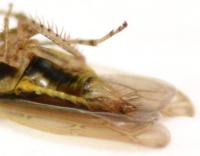 | Photo by: Kyle Kittelberger, Paul Scharf
Wake Co.
Comment: brushy habitat near mixed hardwood forest | 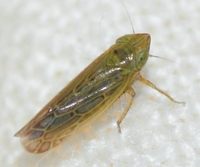 | Photo by: Kyle Kittelberger, Paul Scharf
Wake Co.
Comment: brushy habitat near mixed hardwood forest |
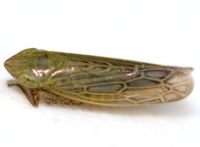 | Photo by: Kyle Kittelberger, Paul Scharf
Wake Co.
Comment: brushy habitat near mixed hardwood forest | 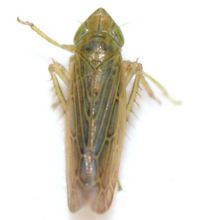 | Photo by: Kyle Kittelberger, Paul Scharf
Wake Co.
Comment: brushy habitat near mixed hardwood forest |
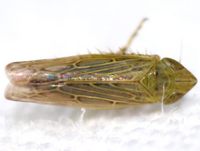 | Photo by: Kyle Kittelberger, Paul Scharf
Wake Co.
Comment: brushy habitat near mixed hardwood forest | 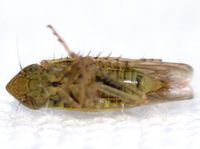 | Photo by: Kyle Kittelberger, Paul Scharf
Wake Co.
Comment: brushy habitat near mixed hardwood forest; note fingerlike projections in subgenital plates |
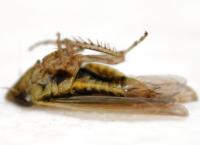 | Photo by: Kyle Kittelberger, Paul Scharf
Wake Co.
Comment: brushy habitat near mixed hardwood forest; male, 3.0 mm long | 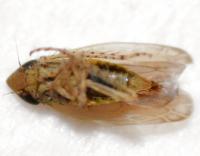 | Photo by: Kyle Kittelberger, Paul Scharf
Wake Co.
Comment: brushy habitat near mixed hardwood forest; male, 3.0 mm long |
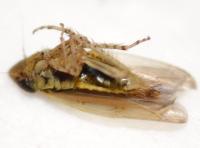 | Photo by: Kyle Kittelberger, Paul Scharf
Wake Co.
Comment: brushy habitat near mixed hardwood forest; male, 3.0 mm long | 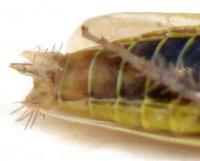 | Photo by: Kyle Kittelberger, Brian Bockhahn, Paul Scharf
New Hanover Co.
Comment: marsh grass: black needlerush, spartina, etc.; male |
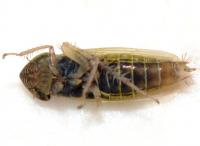 | Photo by: Kyle Kittelberger, Brian Bockhahn, Paul Scharf
New Hanover Co.
Comment: marsh grass: black needlerush, spartina, etc.; male | 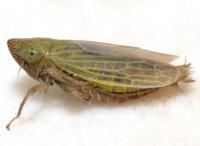 | Photo by: Kyle Kittelberger, Brian Bockhahn, Paul Scharf
New Hanover Co.
Comment: marsh grass: black needlerush, spartina, etc.; male |
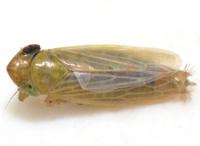 | Photo by: Kyle Kittelberger, Brian Bockhahn, Paul Scharf
New Hanover Co.
Comment: marsh grass: black needlerush, spartina, etc.; male |

 »
»