Hoppers of North Carolina:
Spittlebugs, Leafhoppers, Treehoppers, and Planthoppers
Scientific Name: Search Common Name:
Family (Alpha):
« »
Cantura jucunda (Uhler, 1889) - No Common Name     CICADELLIDAE Members: NC Records Public View


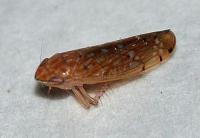
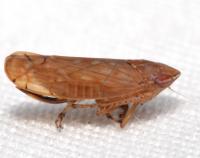
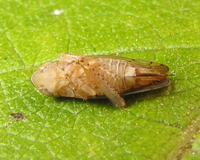
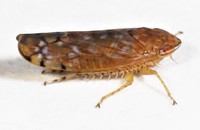
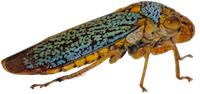
© Kyle Kittelberger- female; note coloration

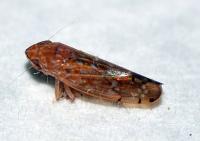
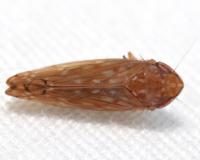
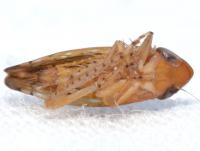
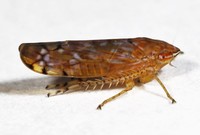
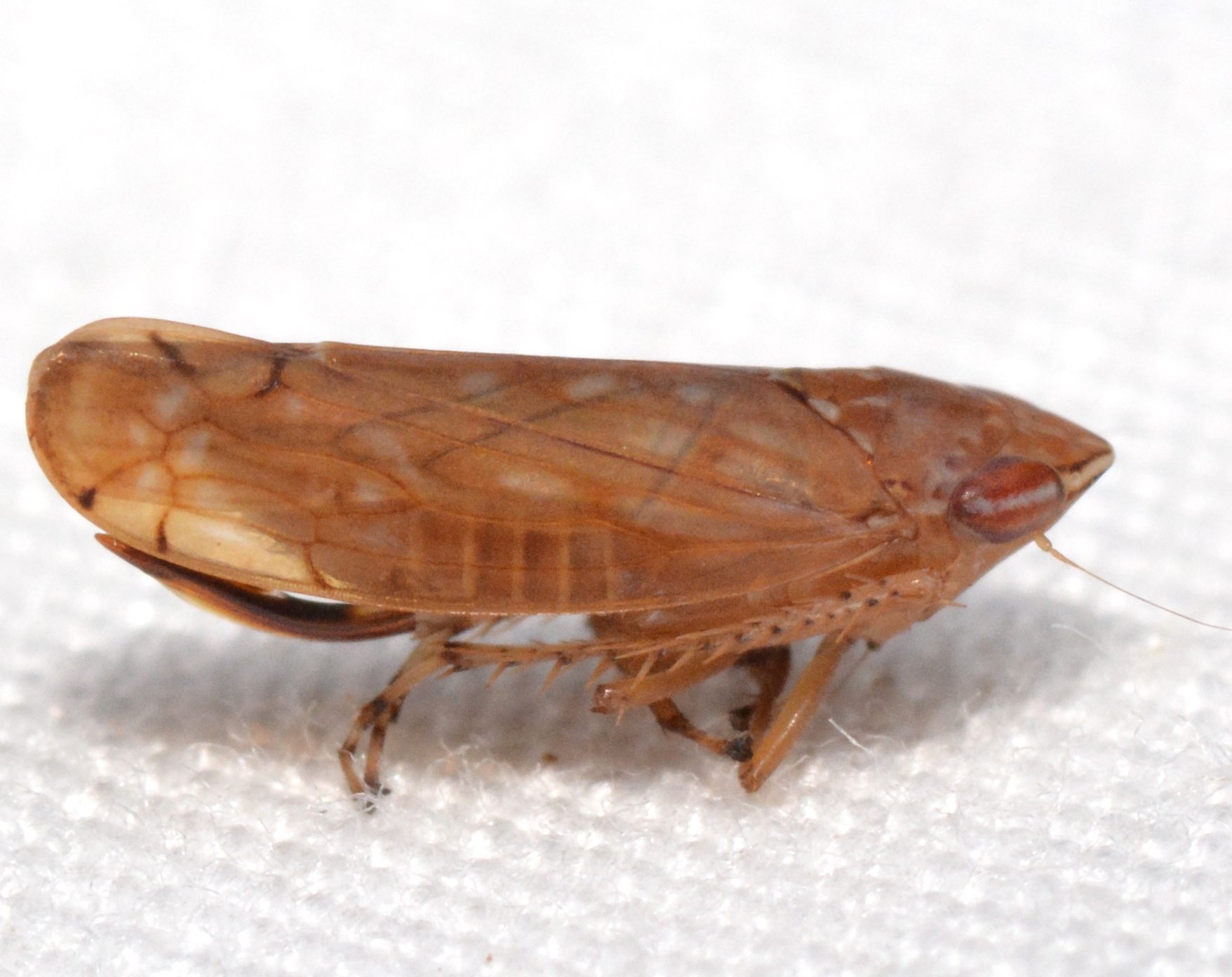
© Kyle Kittelberger- female; note pattern

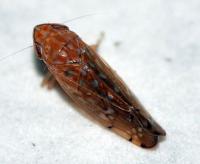
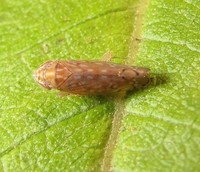
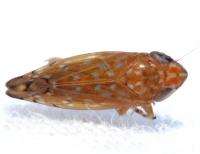
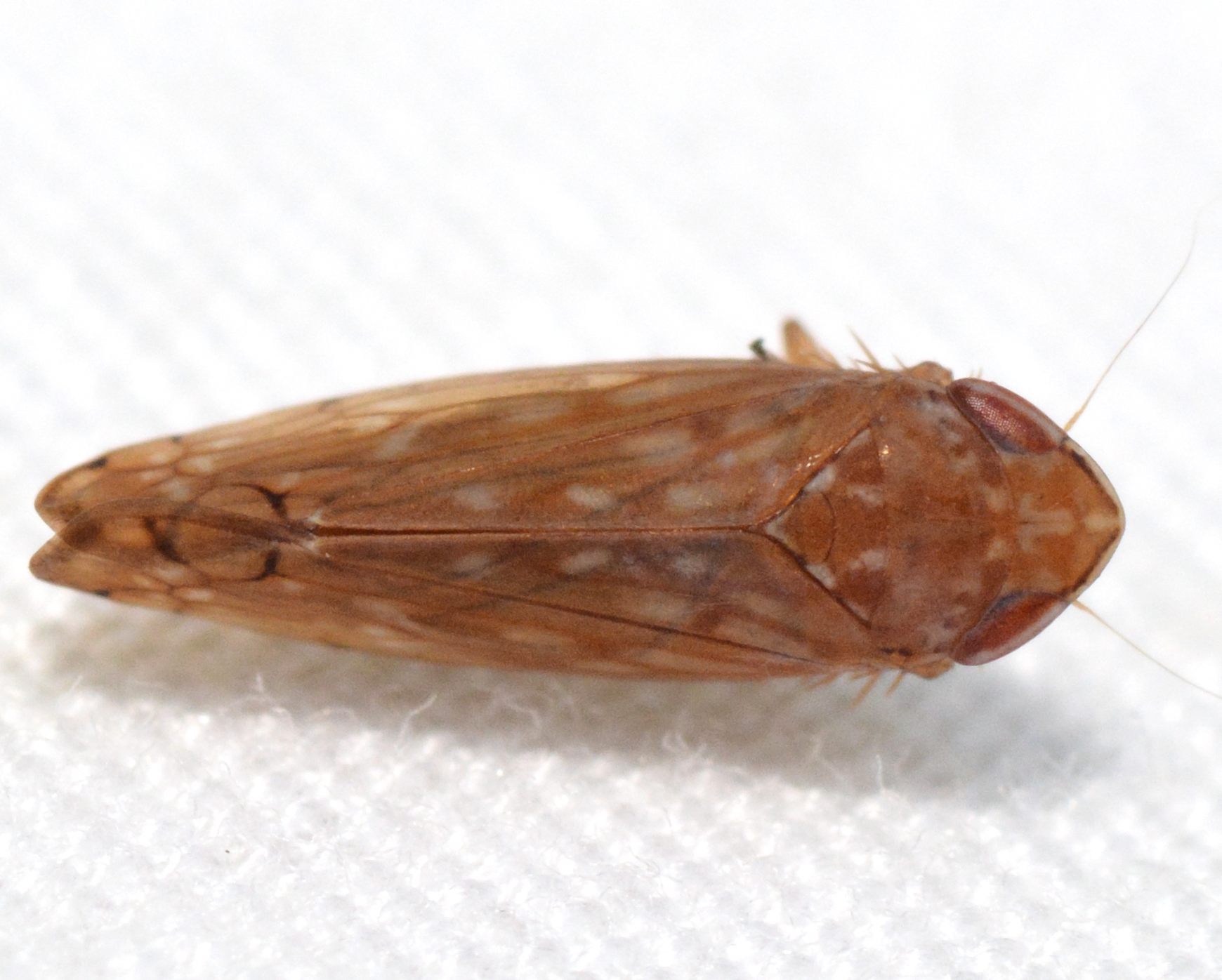
© Kyle Kittelberger- male; note pattern

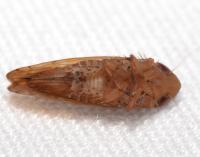
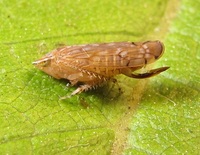
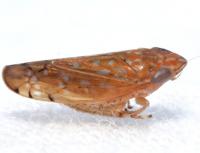
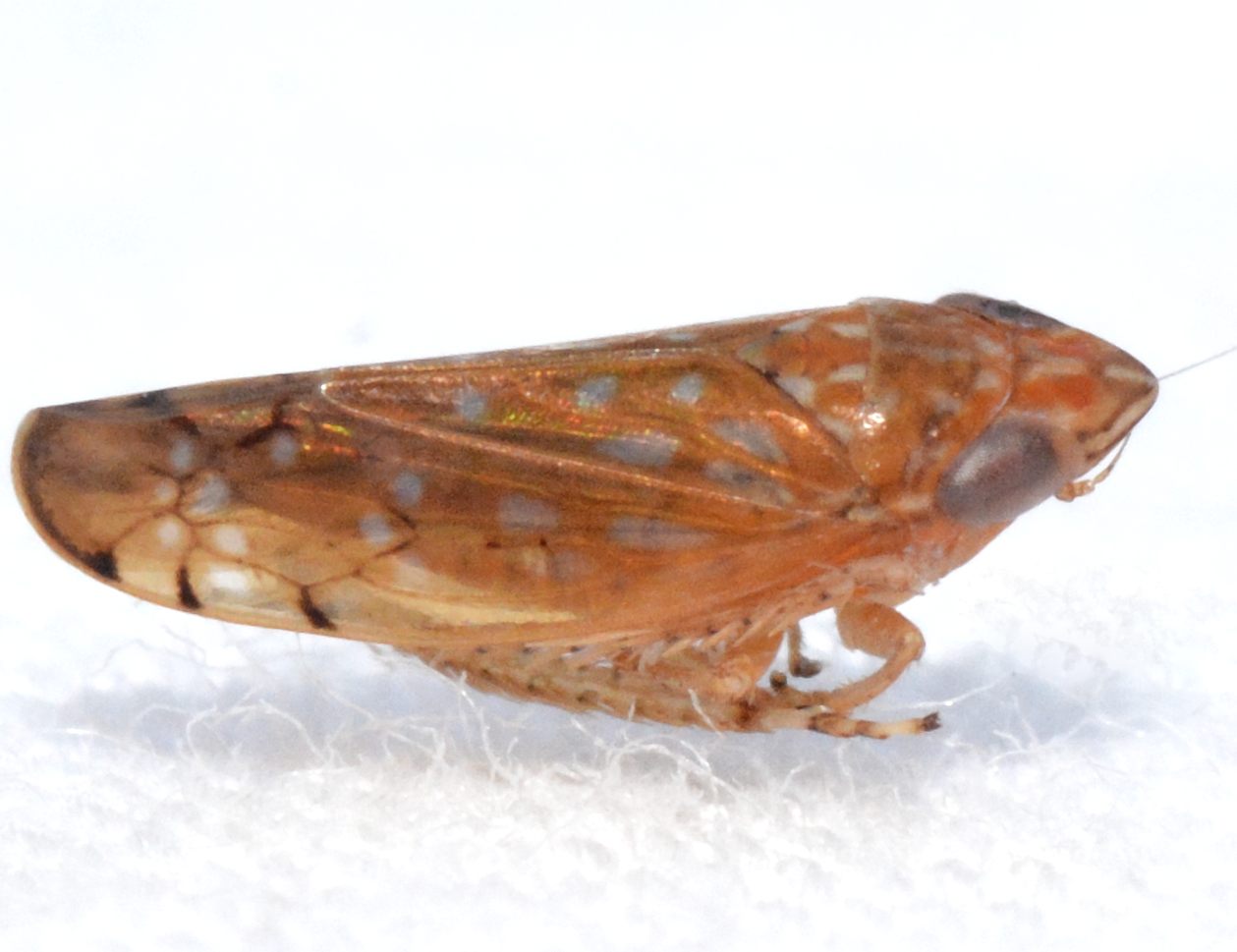
© Kyle Kittelberger- male

synonym
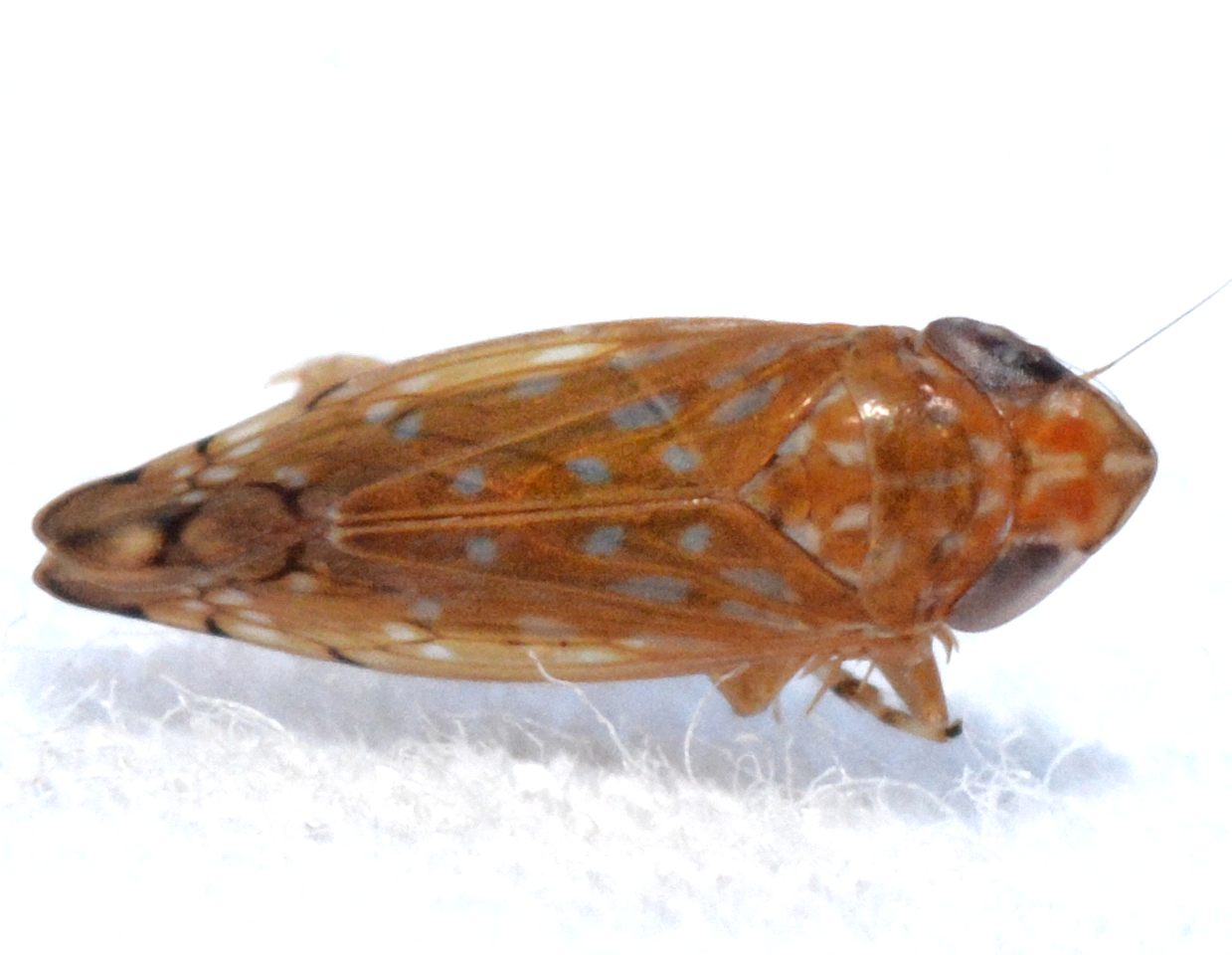
description Reddish-orange to orange-brown overall with some milky-white speckling, especially on the wings and pronotum. There is a narrow black line along the margin of the vertex and a more distinct black line along the upper part of the face; between these two black lines is a cream-colored line. There are two longitudinal orange marks on the vertex. The female pregenital sternite has the posterior margin broadly and convexly rounded; there is a slight indication of a medial notch. The male plates are slender and narrow to a long attenuate apex. Adults are 5.0-6.3 mm long. (Beamer 1937, DeLong 1948)

Nymphs are brownish with some paler mottling.

See here for more images of this species.

distribution Eastern and central North America, as far west as Wisconsin and Minnesota (Metcalf)
abundance Uncommon to rare, recorded from several counties in the Piedmont and Coastal Plain.
seasonal_occurrence
Jan
Feb
Mar
Apr
May
Jun
Jul
Aug
Sep
Oct
Nov
Dec
habitat Woodland areas, open forest, maritime shrub
plant associates Herbaceous vegetation
behavior Can be attracted at night with a light.
comments This is one of three members of the genus Cantura, the other two species being O. albonotata and O. cocana. O. albonotata could occur in North Carolina, its been recorded from FL, GA, and VA. This species is dark overall with three pairs of white spots on the clavus and white areoles on the wings. The lines of the vertex margin are often not continuous or parallel. (Beamer 1937)
status [Native:] [Introduced:] [Extirpated:]
list_type [Official:] [Provisional:]
adult_id Unmistakable and widely known Identifiable from good quality photos of unworn specimens
Identifiable from photos showing undersides, or other specialized views [e.g., legs, face]
Identifiable only by close inspection of structural features or by DNA analysis NULL
nymph_id Unmistakable and widely known Identifiable from good quality photos, especially where associated with known host plants
Identifiable from close inspection of specimens or by DNA analysis
Identifiable only through rearing to adulthood NULL
G_rank
S_rank
rank_comments
tribe Scaphoideini
subgenus

Species Photo Gallery for Cantura jucunda No Common Name

Photo by: Paul Scharf
Warren Co.
Comment: Attracted to Light
Photo by: Paul Scharf
Warren Co.
Comment: Attracted to Light
Photo by: Paul Scharf
Warren Co.
Comment: Attracted to Light
Photo by: Kyle Kittelberger, Paul Scharf, Brian Bockhahn
Rockingham Co.
Comment: attracted at night with a light; female
Photo by: Kyle Kittelberger, Paul Scharf, Brian Bockhahn
Rockingham Co.
Comment: attracted at night with a light; female
Photo by: Kyle Kittelberger, Paul Scharf, Brian Bockhahn
Rockingham Co.
Comment: attracted at night with a light; female
Photo by: Ken Kneidel
Mecklenburg Co.
Comment:
Photo by: Ken Kneidel
Mecklenburg Co.
Comment:
Photo by: Ken Kneidel
Mecklenburg Co.
Comment:
Photo by: Kyle Kittelberger
Carteret Co.
Comment: maritime shrub; collected by Bo Sullivan, male
Photo by: Kyle Kittelberger
Carteret Co.
Comment: maritime shrub; collected by Bo Sullivan, male
Photo by: Kyle Kittelberger
Carteret Co.
Comment: maritime shrub; collected by Bo Sullivan, male
Photo by: Rob Van Epps
Mecklenburg Co.
Comment: Came to porch light.
Photo by: Rob Van Epps
Mecklenburg Co.
Comment: Came to porch light.
Photo by: Erich Hofmann
Craven Co.
Comment: