| description |
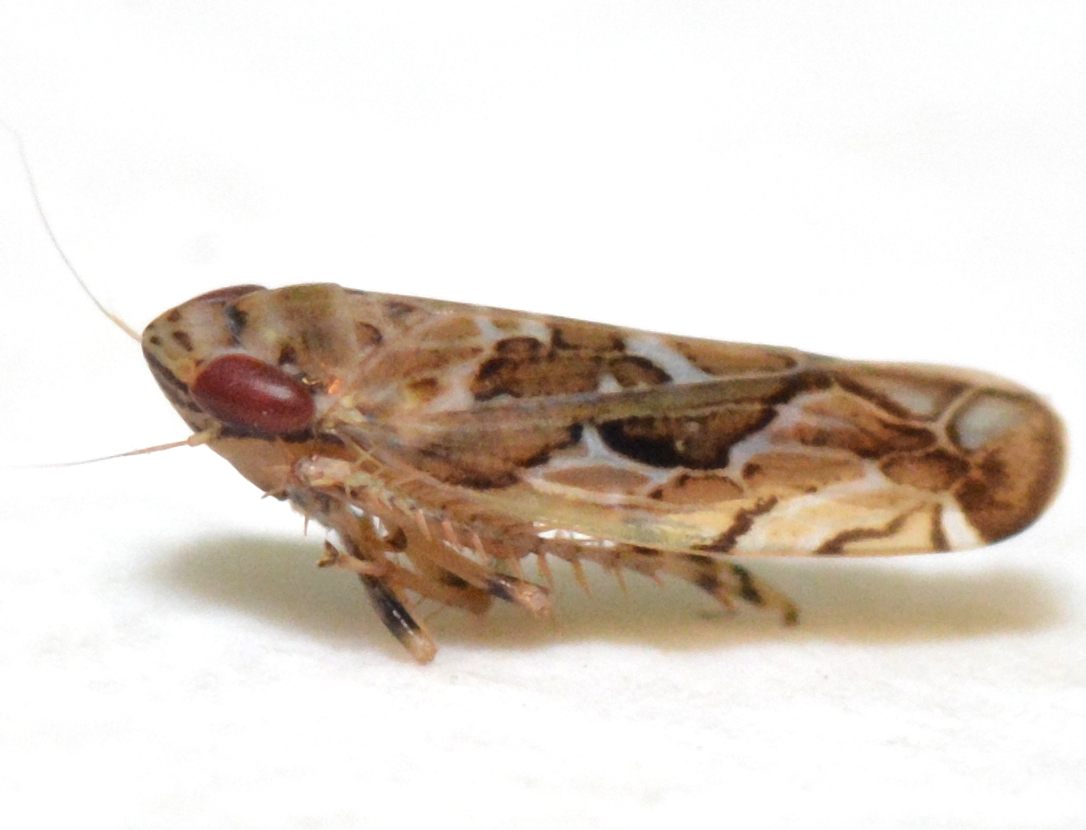
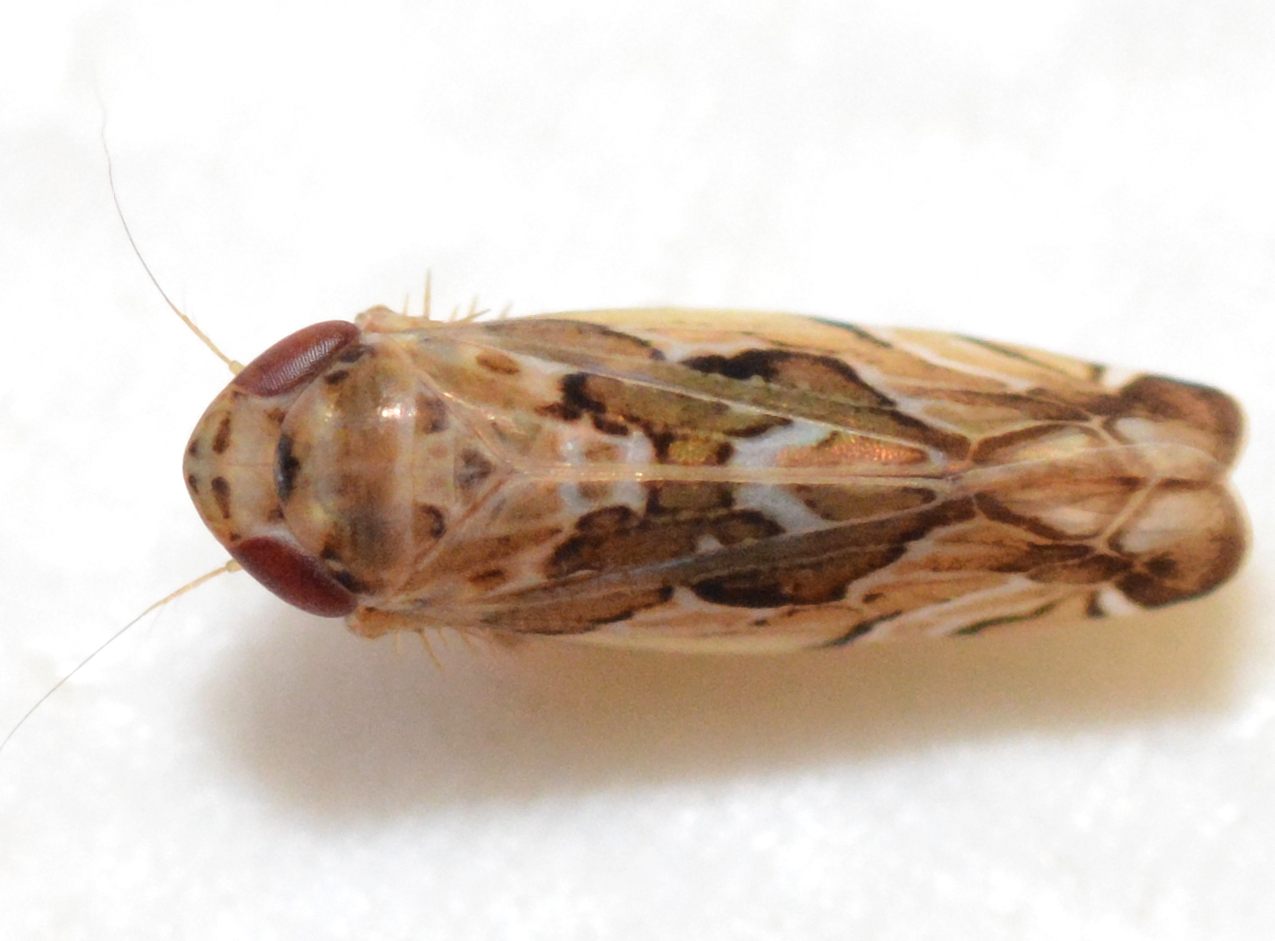
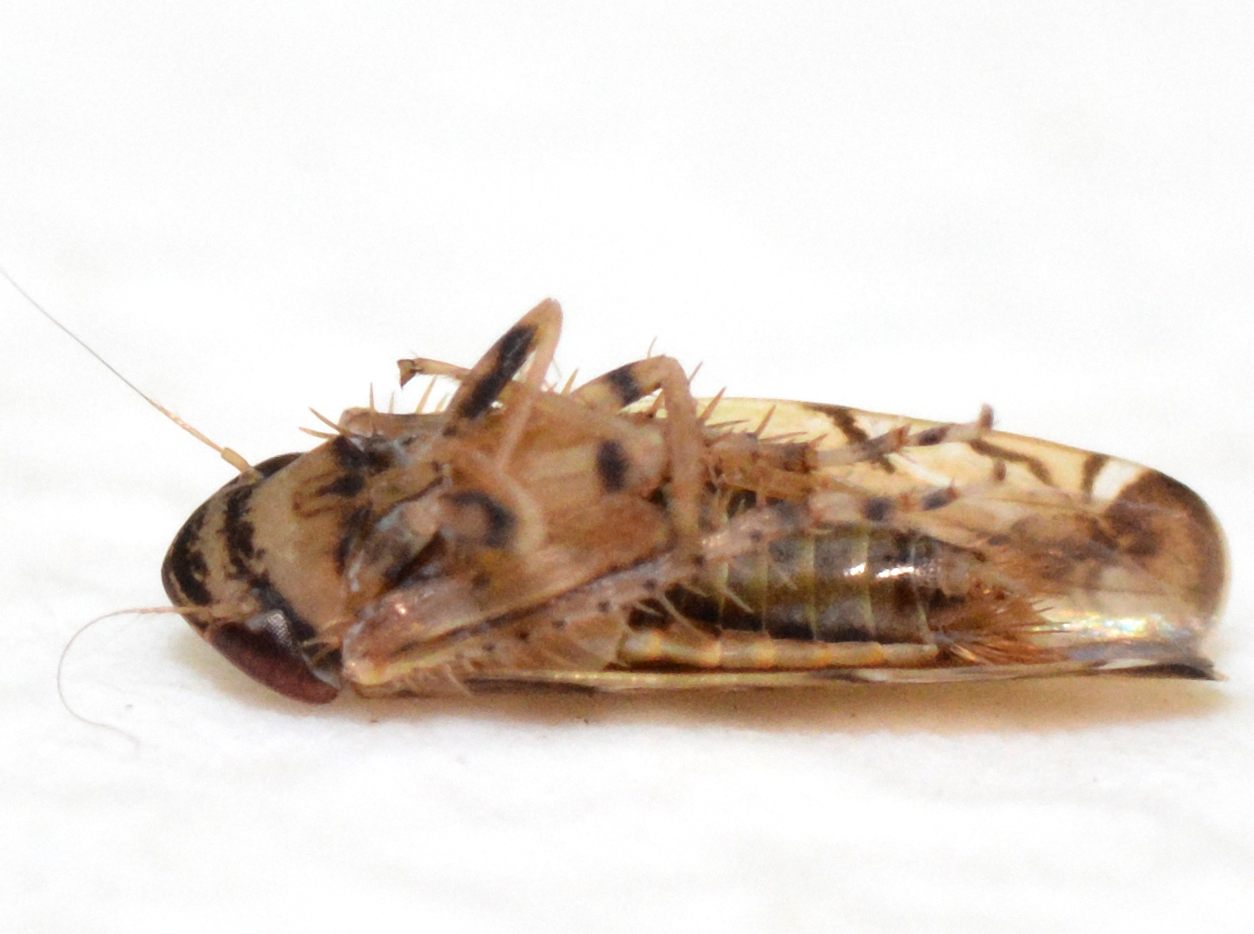
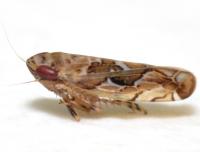
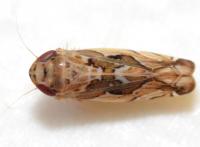
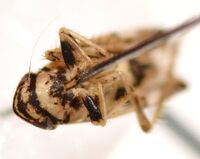
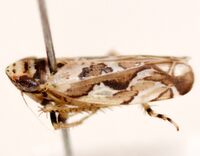
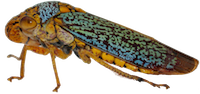
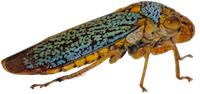
A boldly patterned but highly variable species with dorsal markings that range from light brown to bold and blackish; the base color to the wings and body is either pale brown or whitish. The bold markings are primarily on the wings, with the thorax and head largely unpatterned except for some smudgy marks; there is a brown cruciate transverse band across the wings, bordered with black and white. The face has two distinct transverse black bands, and the legs are also banded; the vertex is bluntly rounded. The pronotum [typically] has a dark spot behind each eye on the anterior margin, and there are dark marks in the anterior corners of the otherwise pale scutellum. The male subgenital plates are broader than they are long, with rounded apexes. The female pregenital sternite has the posterior margin concavely excavated. Adults are 4.0-4.5 mm long. (Oman 1934, DeLong & Hershberger 1946)
For additional images of this species, especially showing the range of variation among individuals, see: BG |
| comments |
NOTE: This species could be confused with S. cruciatus as they [can] have a similar color pattern, and both species can be variable in color and pattern (making some individuals look more like the other species); S. fasciatus in particular is super variable, ranging from very pale brown to almost blackish. However, cruciatus is [typically] much more bold. Additionally, cruciatus is 4.5-5.25 mm long while fasciatus is 4.0-4.5 mm (Oman 1934). The main thing to look for is the wing pattern: in cruciatus, there is a defined "blobbish" extension of the zigzag wing band to the margin of the wing, in the middle. This contrasts with fasciatus, which lacks this defined extension to the wing margin and instead has a pattern that looks as if the coloration is arcing towards the tips of the apices. This difference especially tends to be noticeable when looking dorsally at the pattern: browner cruciatus vs. browner fasciatus, and darker cruciatus vs. darker fasciatus. We can also see some of these differences in both wing pattern, size, and shape (bulky cruciatus vs. more streamlined fasciatus) here, with two fasciatus on the left and a cruciatus on the right.
ADDITIONALLY, it seems that there may be a bit of a taxonomic complication with S. fasciatus. According to J. Kits, DeLong & Hershberger's description for this species does not match some specimens in the Canadian National Collection that had previously been identified as fasciatus, with the style reaching the end of the subgenital plate, and instead more closely resemble those of S. dampfi, which they described from Chiapas, Mexico. However, these CNC specimens are not a direct match for dampfi either, and it seems likely that DeLong & Hershberger were wrong and that instead the widespread Sanctanus throughout the southeastern United States, Central America, and the Caribbean, which all look pretty similar, are the "true" fasciatus; this specimen of dampfi at least looks like the typical brownish form of fasciatus. CNC specimens previously identified as dampfi seem to be the same species as the rest of the others, adding additional credence to dampfi and fasciatus being one and the same (fasciatus is clearly highly variable, and specimens collected from the same site and representing the light and dark forms for the head and pronotum color have been dissected and been shown to be conspecific). (J. Kits, pers. comments) |
Species Photo Gallery for Sanctanus fasciatus No Common Name |
 | Photo by: Kyle Kittelberger, Brian Bockhahn, Paul Scharf
New Hanover Co.
Comment: open woodlands, pine dominated; male, 4.0 mm; this appears to be a state record | 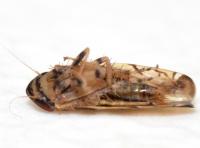 | Photo by: Kyle Kittelberger, Brian Bockhahn, Paul Scharf
New Hanover Co.
Comment: open woodlands, pine dominated; male, 4.0 mm; this appears to be a state record |
 | Photo by: Kyle Kittelberger, Brian Bockhahn, Paul Scharf
New Hanover Co.
Comment: open woodlands, pine dominated; male, 4.0 mm; this appears to be a state record | 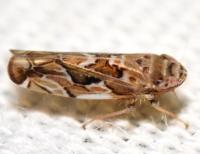 | Photo by: Kyle Kittelberger, Brian Bockhahn, Paul Scharf
New Hanover Co.
Comment: open woodlands, pine dominated; male, 4.0 mm; this appears to be a state record |
 | Photo by: Kyle Kittelberger, Brian Bockhahn, Paul Scharf
New Hanover Co.
Comment: open woodlands, pine dominated; male, 4.0 mm; this appears to be a state record | 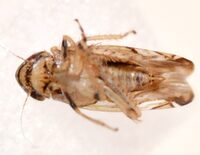 | Photo by: J. B. Sullivan
Carteret Co.
Comment: maritime shrub, uv trap; male, 4.2 mm |
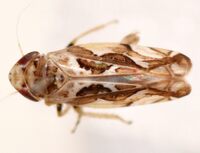 | Photo by: J. B. Sullivan
Carteret Co.
Comment: maritime shrub, uv trap; male, 4.2 mm | 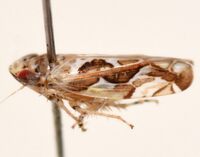 | Photo by: J. B. Sullivan
Carteret Co.
Comment: maritime shrub, uv trap; male, 4.2 mm. Photo of 3 specimens includes S. cruciatus on the right, for comparison. |
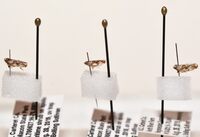 | Photo by: J. B. Sullivan
Carteret Co.
Comment: maritime shrub, uv trap; male, 4.2 mm. Photo of 3 specimens includes S. cruciatus on the right, for comparison. | 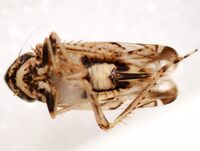 | Photo by: J. B. Sullivan
Carteret Co.
Comment: maritime shrub, uv trap; male 4.2 mm, female 4.5 mm. Photo of 3 specimens includes S. cruciatus on the right, for comparison. |
 | Photo by: J. B. Sullivan
Carteret Co.
Comment: maritime shrub, uv trap; male 4.2 mm, female 4.5 mm. Photo of 3 specimens includes S. cruciatus on the right, for comparison. | 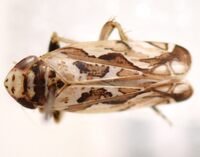 | Photo by: J. B. Sullivan
Carteret Co.
Comment: maritime shrub, uv trap; male 4.2 mm, female 4.5 mm. Photo of 3 specimens includes S. cruciatus on the right, for comparison. |
 | Photo by: J. B. Sullivan
Carteret Co.
Comment: maritime shrub, uv trap; male 4.2 mm, female 4.5 mm. Photo of 3 specimens includes S. cruciatus on the right, for comparison. |

 »
»