|
|
|
| synonym |
|
| description |
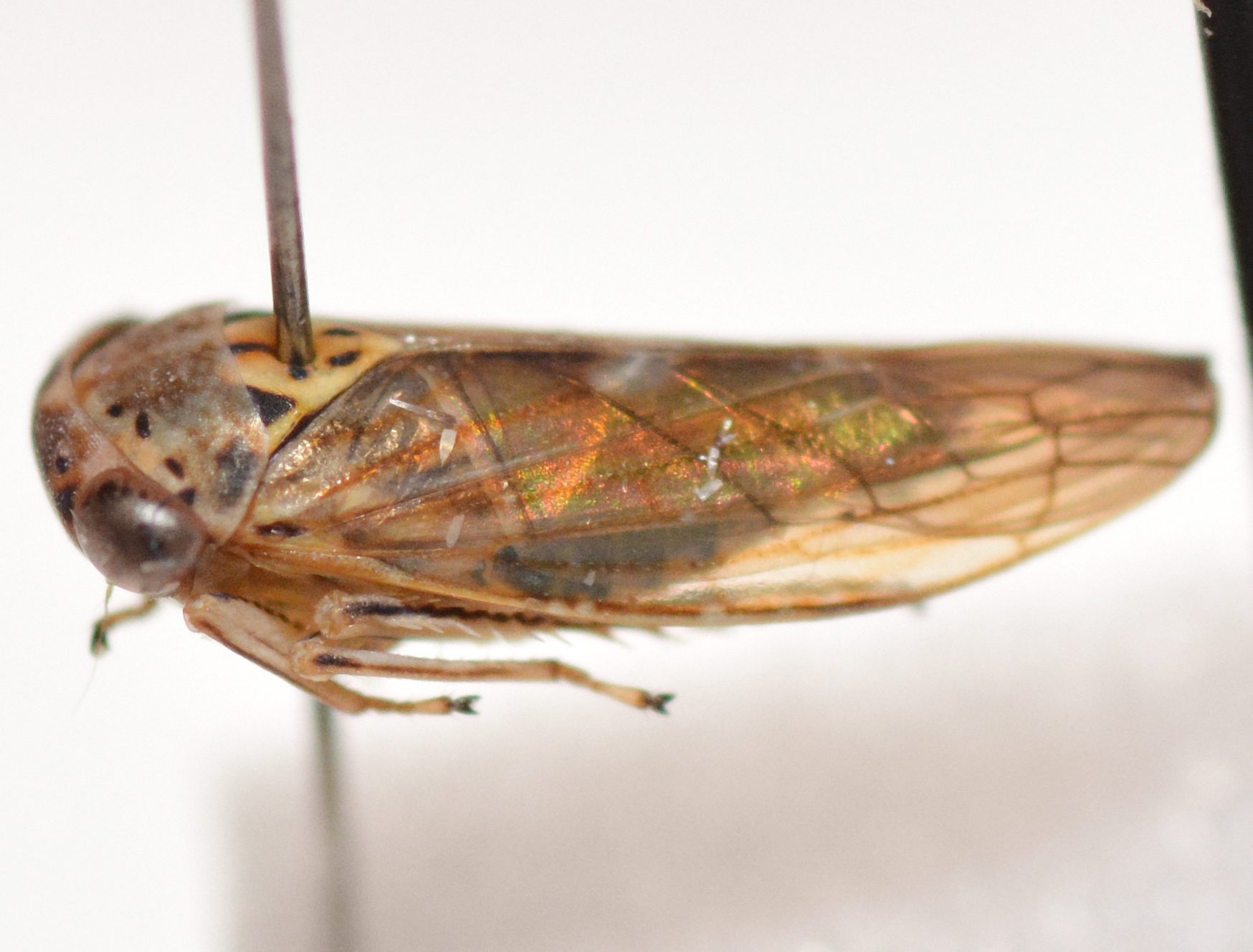
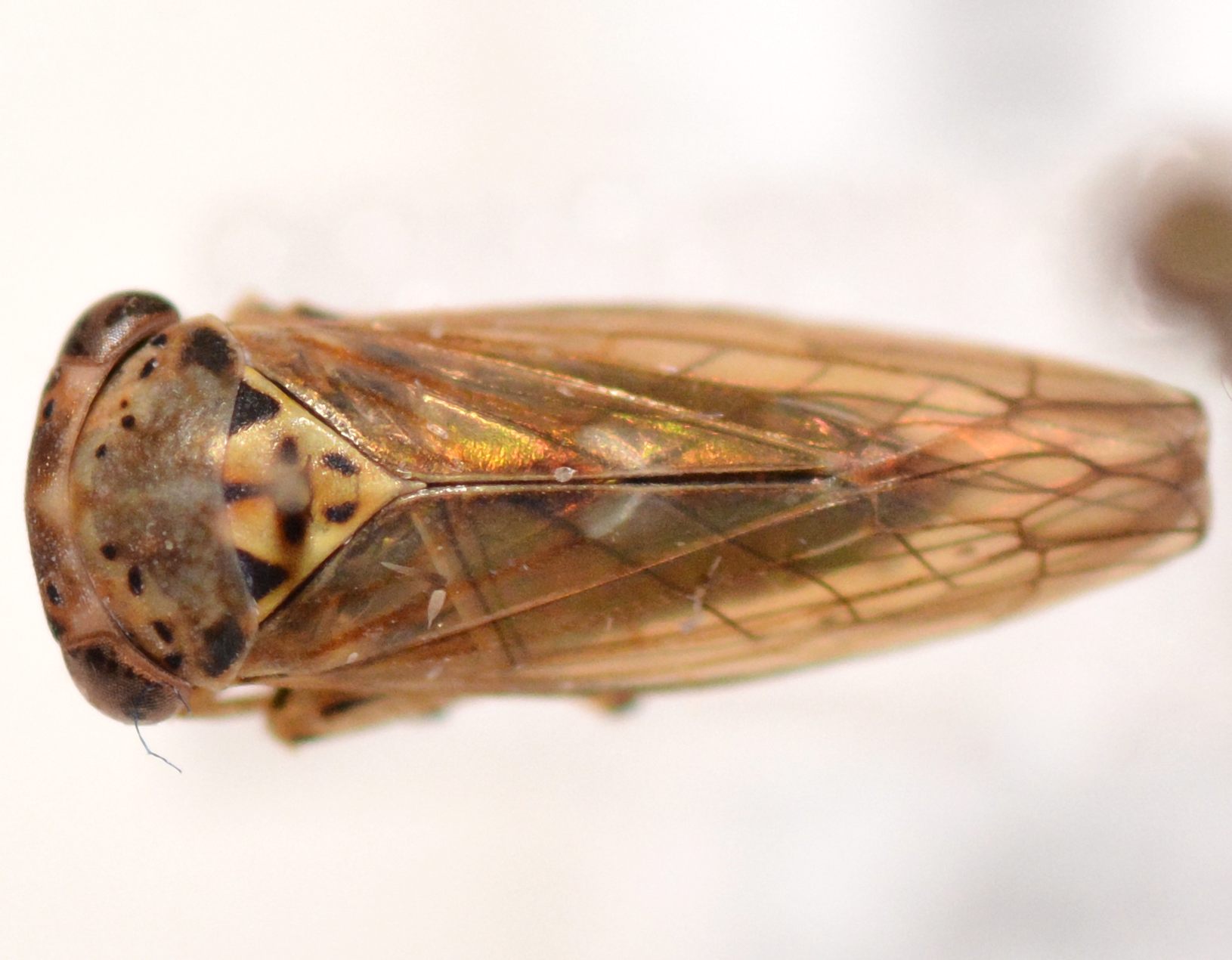
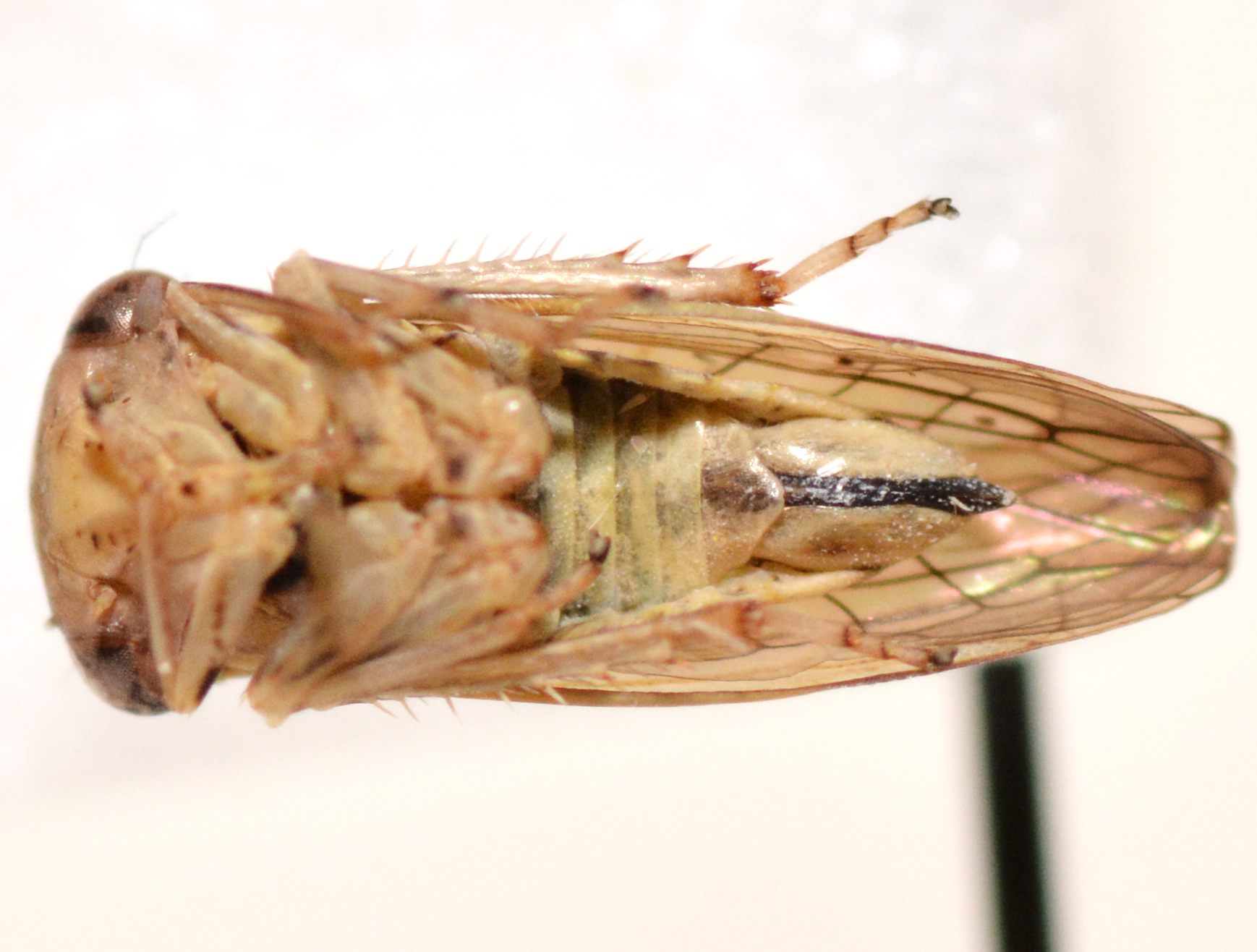
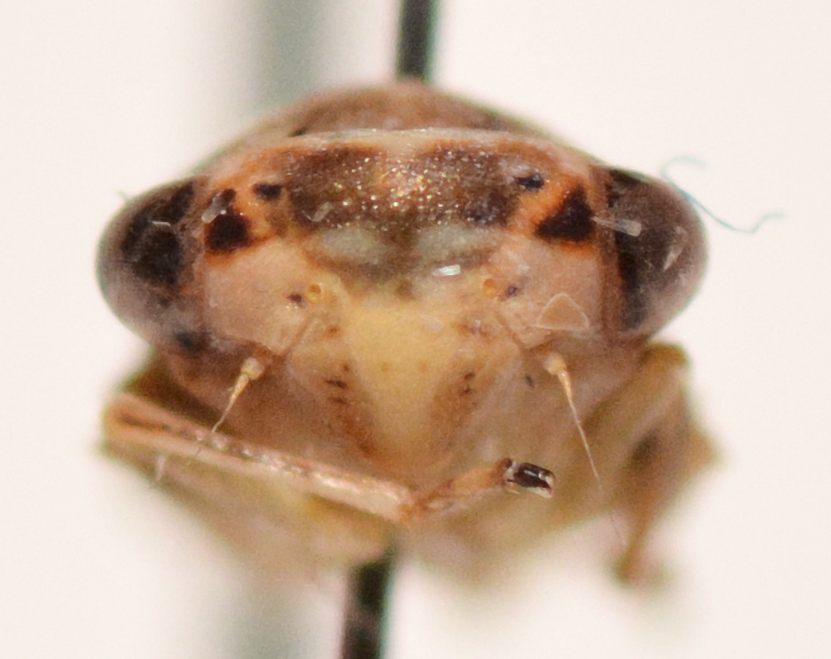
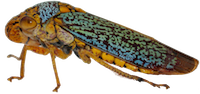
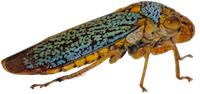
Mottled brown with black and yellow. The vertex is evenly rounded, being longer near the eyes than in the middle. The vertex and face are unicolorous yellow-brown, sometimes with a pair of small spots on the vertex about twice their own width from the eyes. The male antennae have a small round apical disc. The pronotum is yellow-brown, mottled with brown, with dark brown spots along the anterior margin. The scutellum is yellow brown with dark brown triangles. The forewings are yellow-brown with brown veins. The male costal margin is black and yellow with the asperate area pink; there is an orange spot near the apex that covers from the costal margin to the apex of the outer anteapical cell. The wing veins form a crossband at each wing tip; i.e., the apical crossveins align, characteristic of this species. The underside of the body is pale. The male subgenital plates are long, thing, and nearly the same width throughout; the pygofer is thick, with a rounded apex. The female pregenital sternite has the posterior margin greatly produced in the middle, giving a triangular shape; the pygofer is short and broadly rounded. Adult males are 6.1-6.6 mm long, while females are 6.2 to 7.2 mm. (Freytag, 1965; Hamilton, 1985)
Nymphs are a mixture of green and black, not atypical for the genus.
For diagrams of the species, see: 3I. |
| distribution |
Native to Europe, first reported in North America from Massachusetts in 1924, then spreading to Ontario in 1956, Nova Scotia in 1969, and Newfoundland in 1984 (Hamilton, 1983; Hamilton & Langor, 1987). Abundant in eastern Canada and adjacent United States (New England area); the North Carolina record from the mountains represents a big southern range expansion. |
| abundance |
Rare, previously unknown from the state, two recent records from the mountains. This species is likely expanding and should be found elsewhere, at least in the mountains. |
| seasonal_occurrence | |
| habitat |
|
| plant associates |
Willows (Salix spp.): white willow (S. alba), weeping willow (S. babylonica), crack willow (S. fragilis), bayleaf willow (S. pentandra) (Chandler & Hamilton, 2017; Hamilton, 1985); sometimes on poplars (Populus sp.) in Europe (Freytag, 1965) |
| behavior |
Can be attracted at night with a light. This species overwinters as adults, becoming sexually mature in the spring (BG). |
| comments |
This species could potentially be confused with the undescribed Idiocerus species, as they do have similar patterns, but note that I. stigmaticalis has a quite wide head (compared to the rounded head of the other species), the female pregenital sternites differ, male I. stigmaticalis typically have an orange stripe on the outer edge of the wings, and the apical crossveins in I. stigmaticalis align. |
status |
[Native:]
[Introduced:]
[Extirpated:] | | list_type |
[Official:]
[Provisional:] |
| adult_id | Unmistakable and widely known Identifiable from good quality photos of unworn specimens
Identifiable from photos showing undersides, or other specialized views [e.g., legs, face]
Identifiable only by close inspection of structural features or by DNA analysis NULL |
| nymph_id | Unmistakable and widely known Identifiable from good quality photos, especially where associated with known host plants
Identifiable from close inspection of specimens or by DNA analysis
Identifiable only through rearing to adulthood NULL |
| G_rank |
|
| S_rank |
|
| rank_comments |
|
| tribe |
Idiocerini |
| subgenus |
Idiocerus |
Species Photo Gallery for Idiocerus stigmaticalis No Common Name |
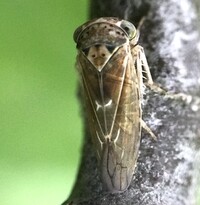 | Photo by: Ted Wilcox
Watauga Co.
Comment: Found on an Alder stem. - unid_leafhopper |  | Photo by: Ted Wilcox
Watauga Co.
Comment: Found on an Alder stem. - unid_leafhopper |
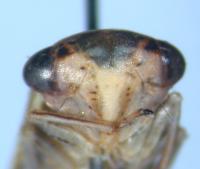 | Photo by: Bo Sullivan
Ashe Co.
Comment: female | 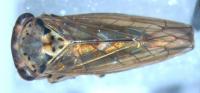 | Photo by: Bo Sullivan
Ashe Co.
Comment: female |
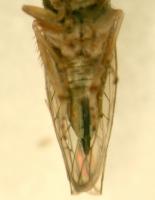 | Photo by: Bo Sullivan
Ashe Co.
Comment: female | 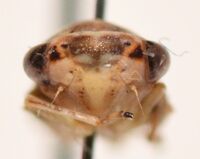 | Photo by: Bo Sullivan
Ashe Co.
Comment: female, 6.7 mm |
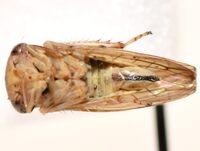 | Photo by: Bo Sullivan
Ashe Co.
Comment: female, 6.7 mm | 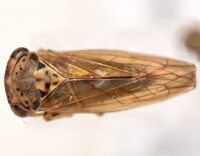 | Photo by: Bo Sullivan
Ashe Co.
Comment: female, 6.7 mm |
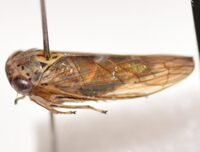 | Photo by: Bo Sullivan
Ashe Co.
Comment: female, 6.7 mm |

 »
»