Moths of North Carolina
Scientific Name:
Common Name:
Family (Alpha):
« Home »
View PDFGelechiidae Members: Chionodes Members: 66 NC Records

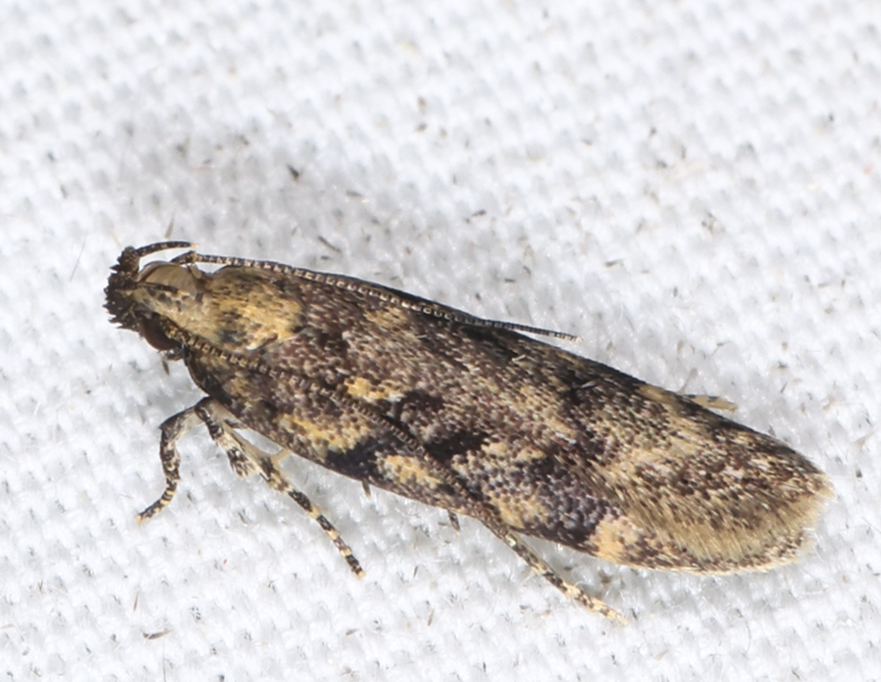
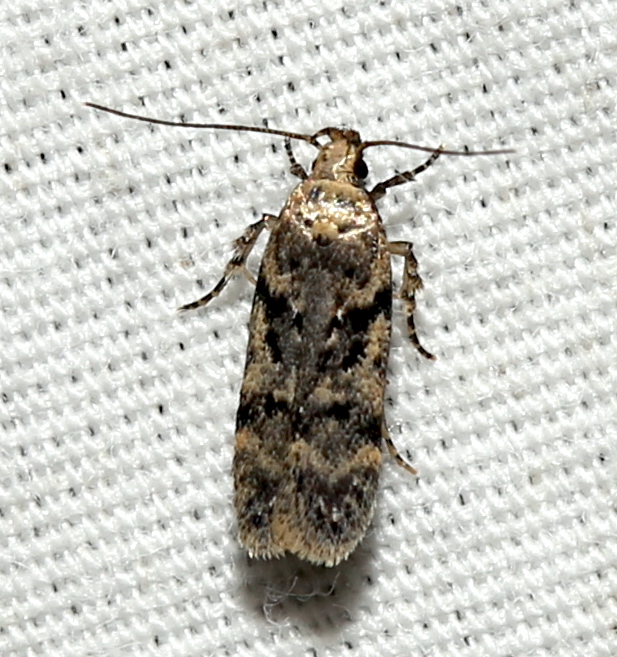
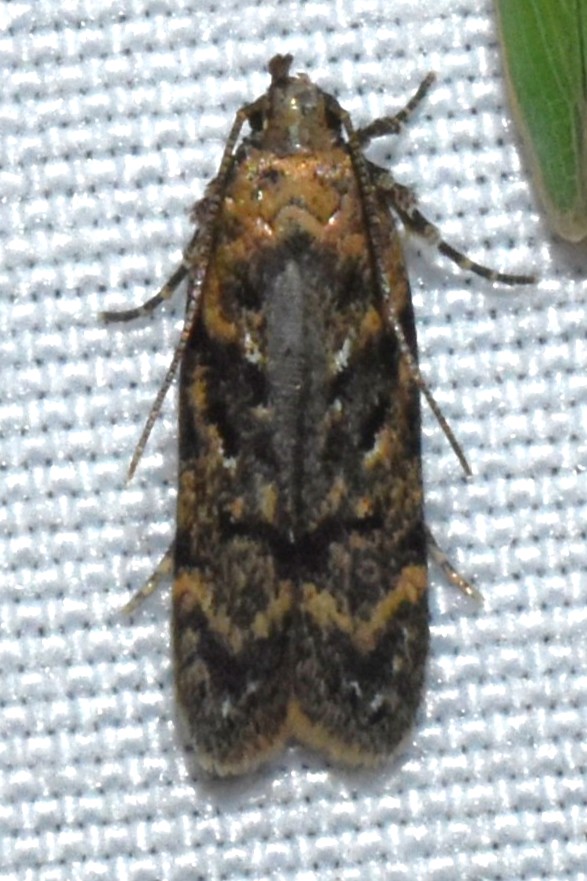
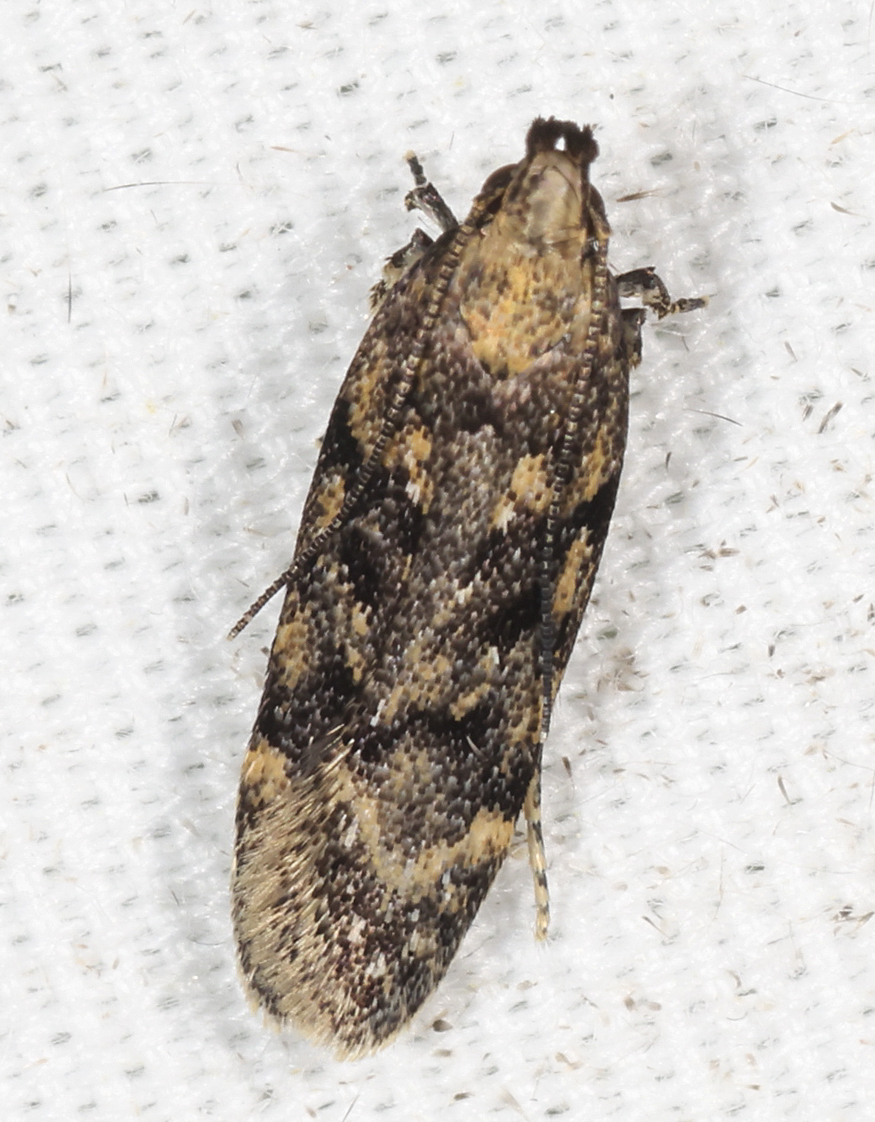
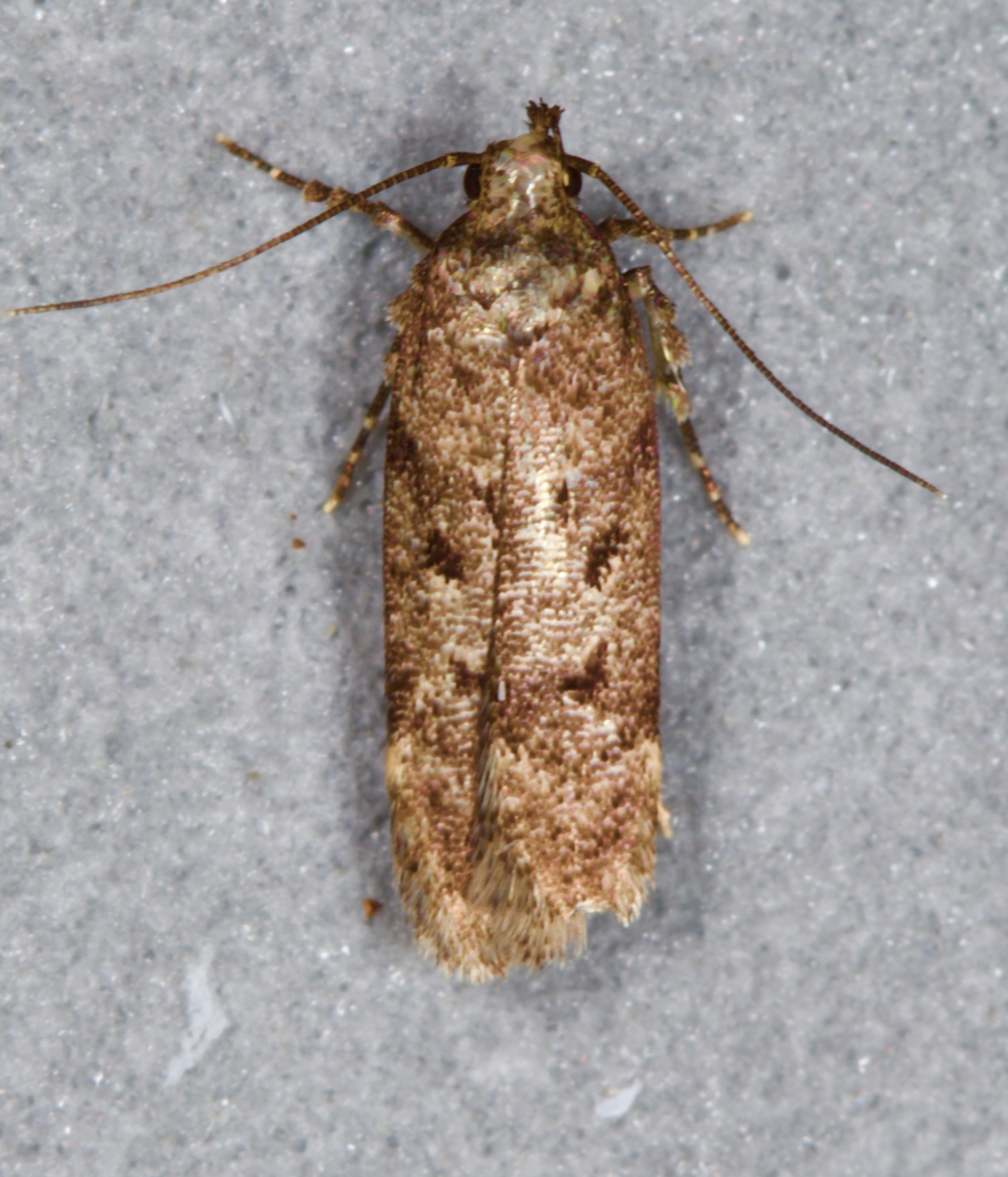
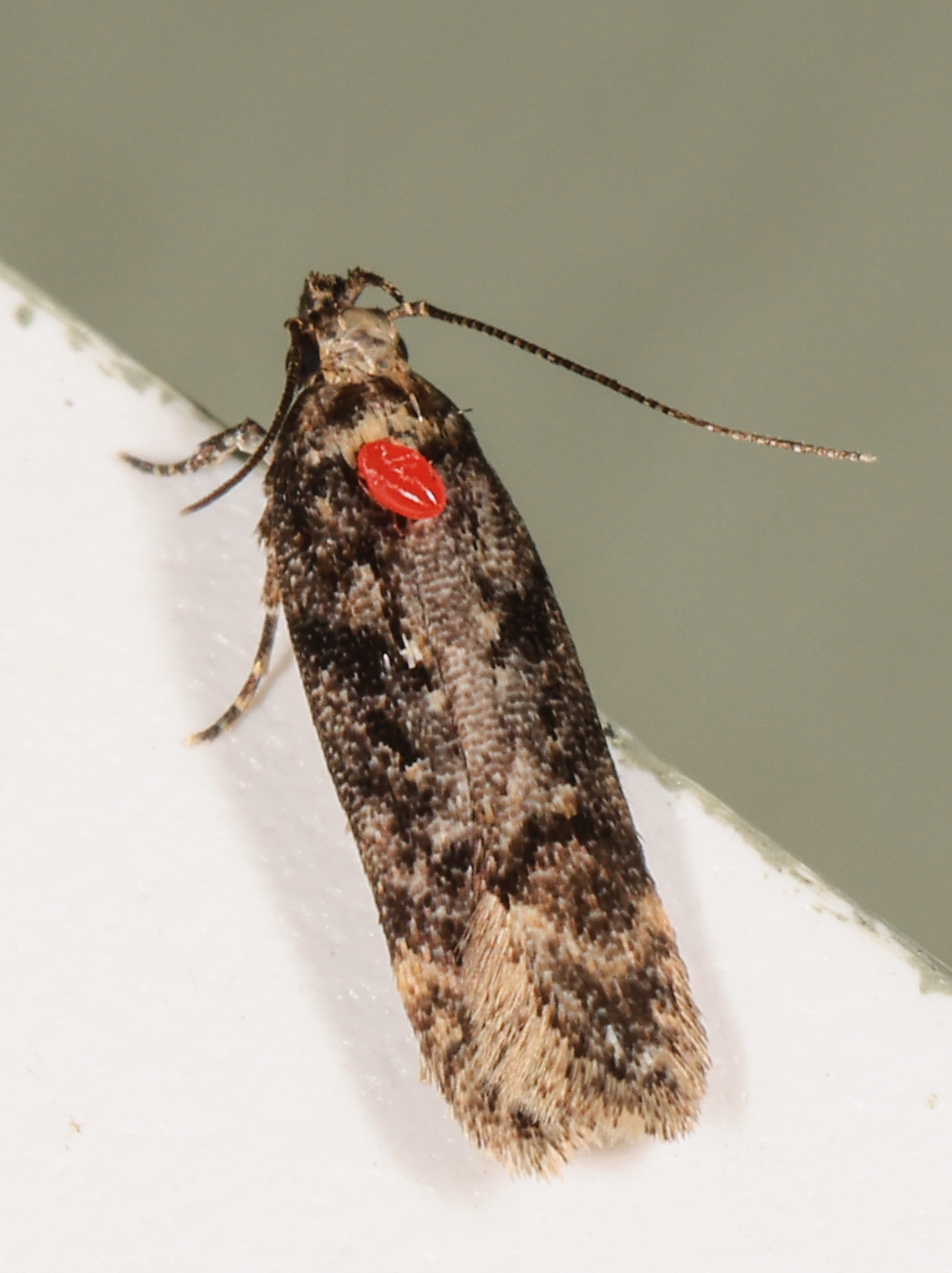
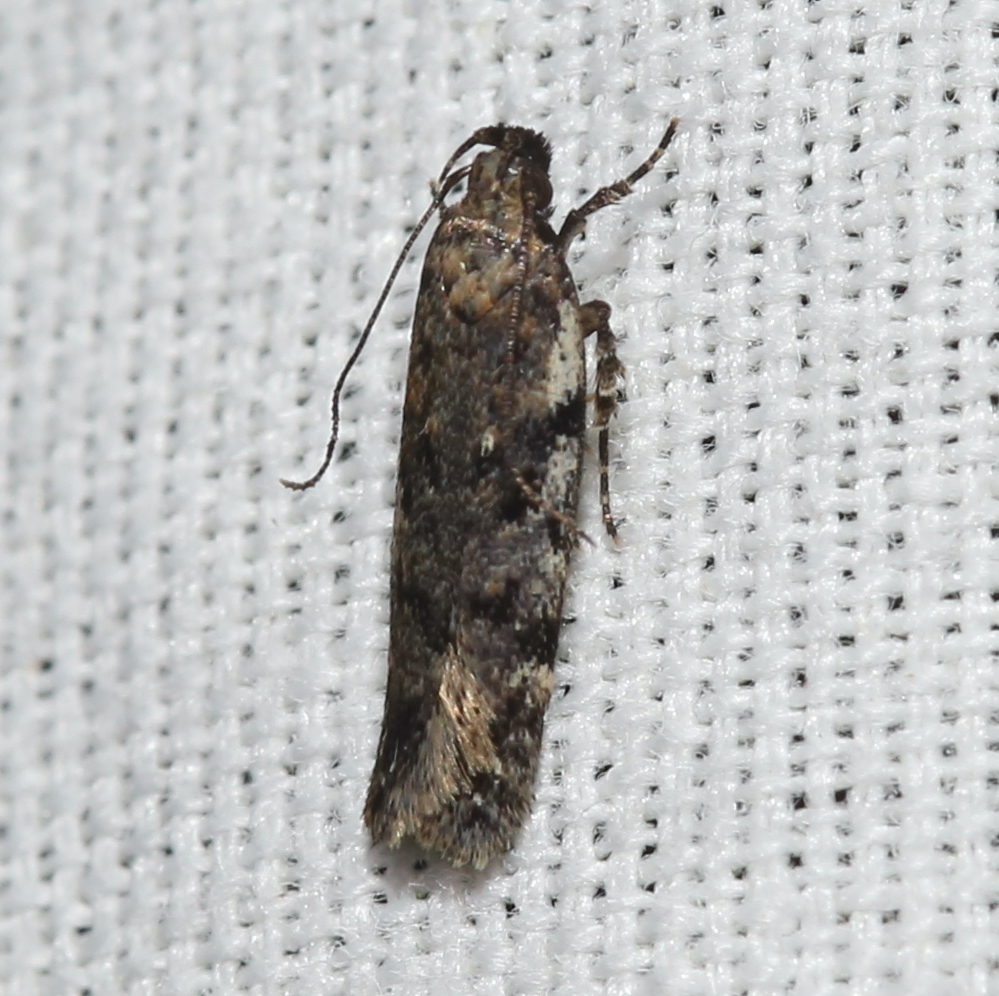
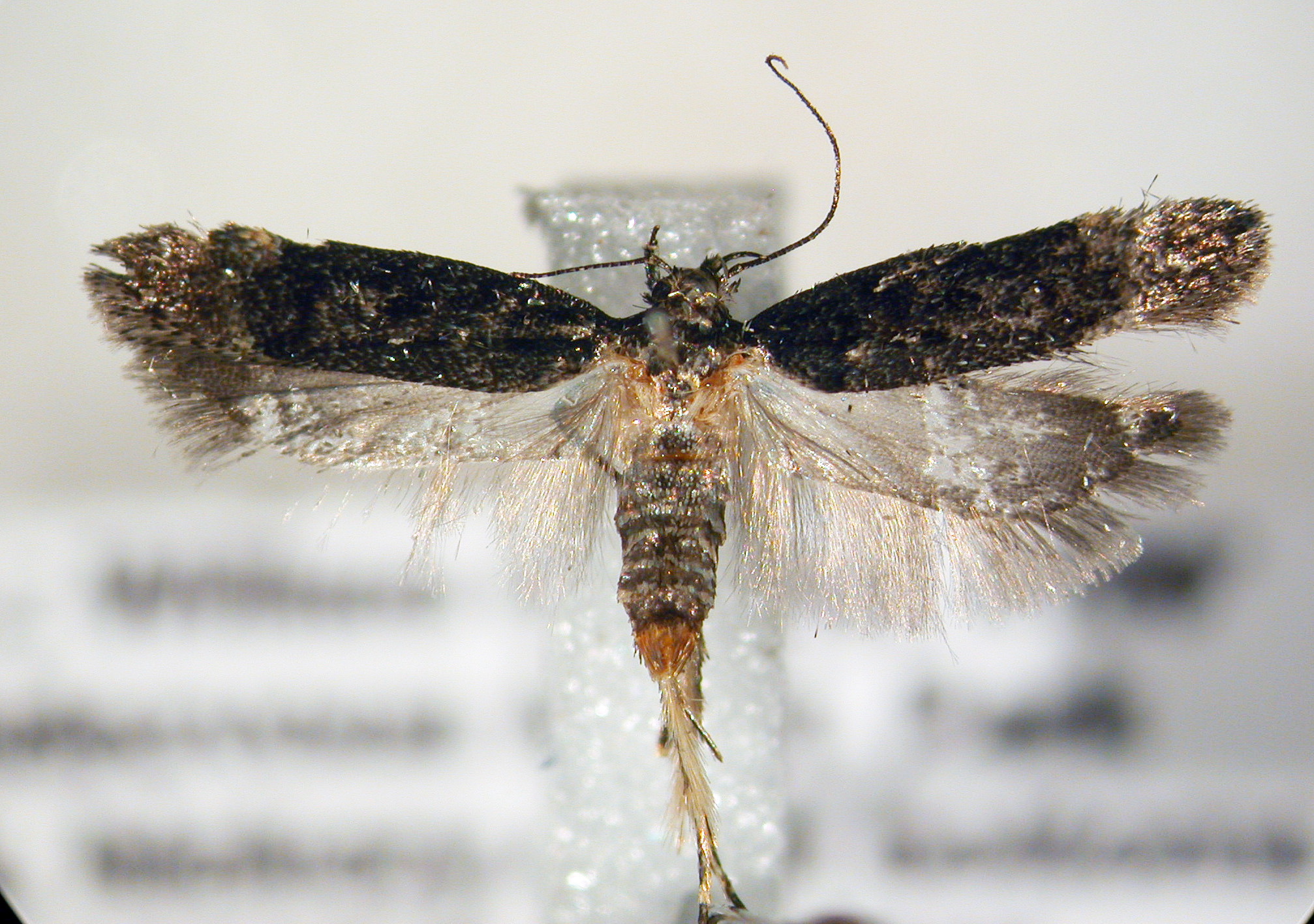
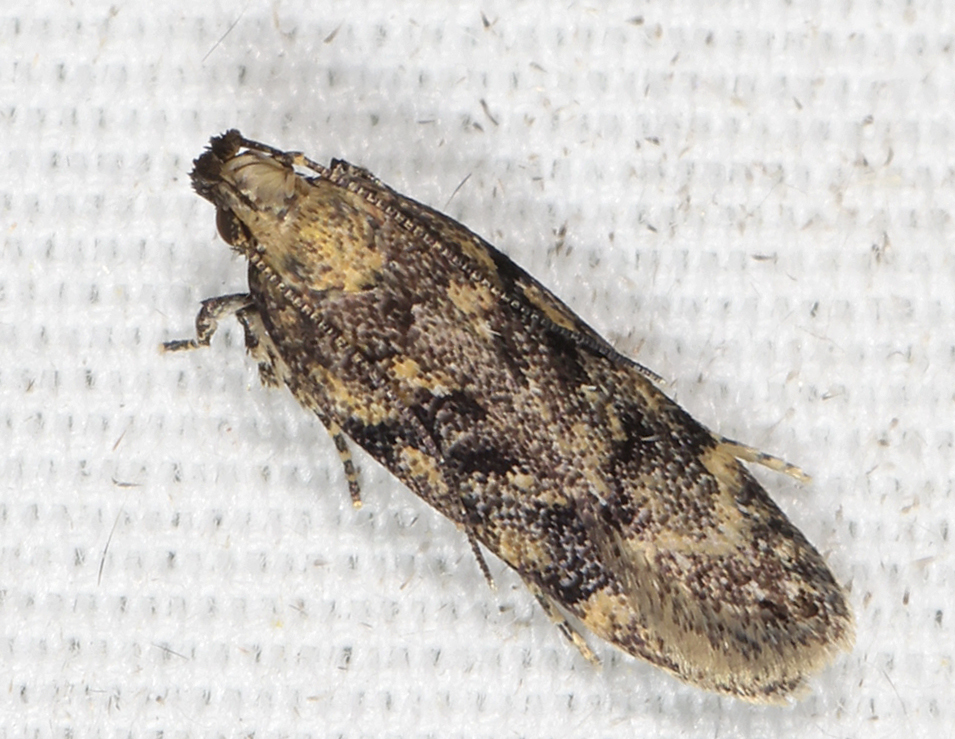
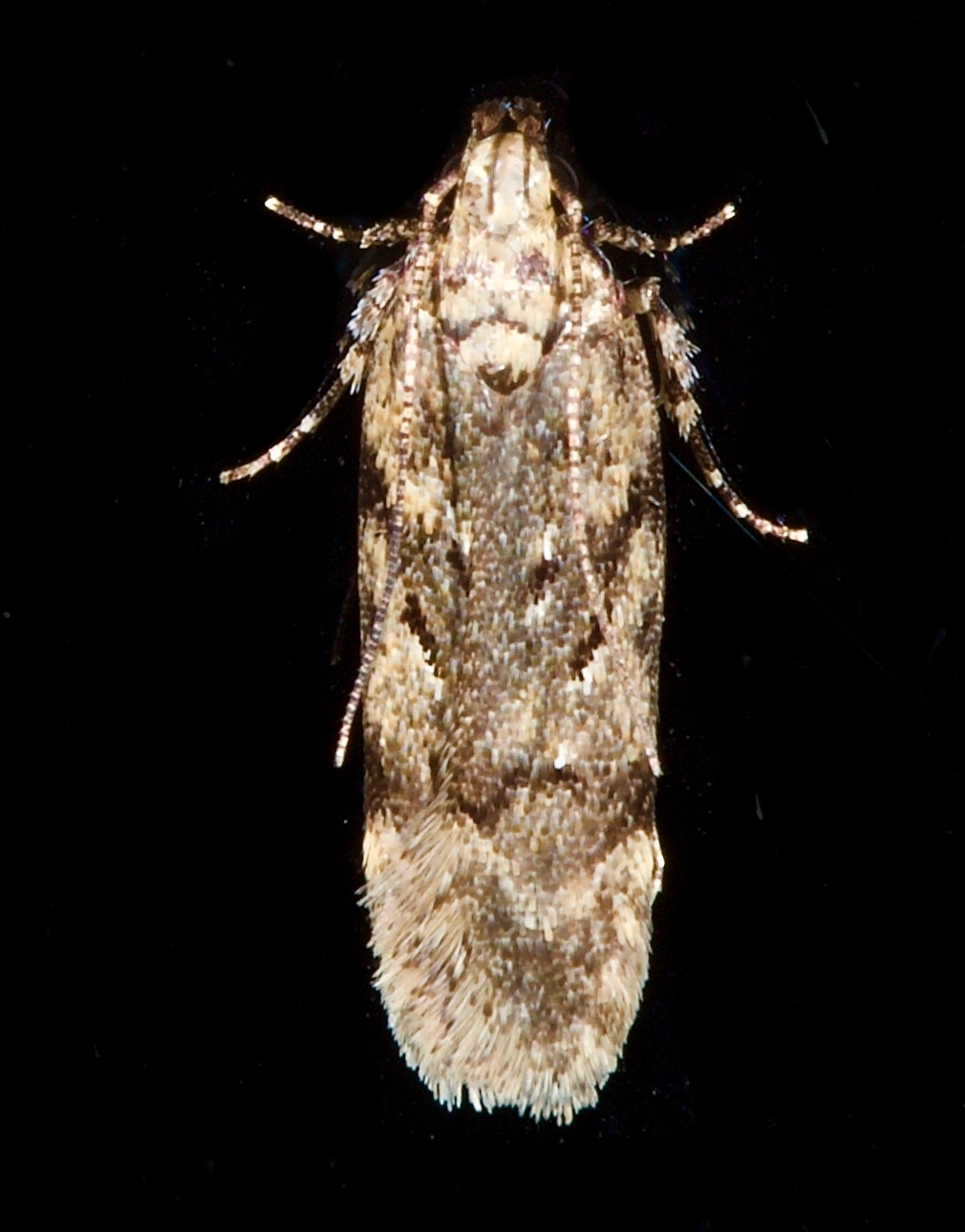
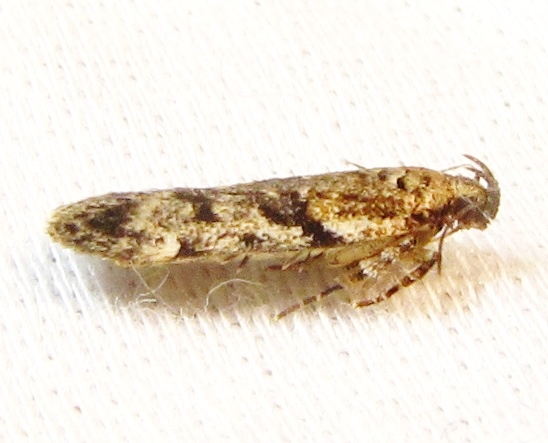
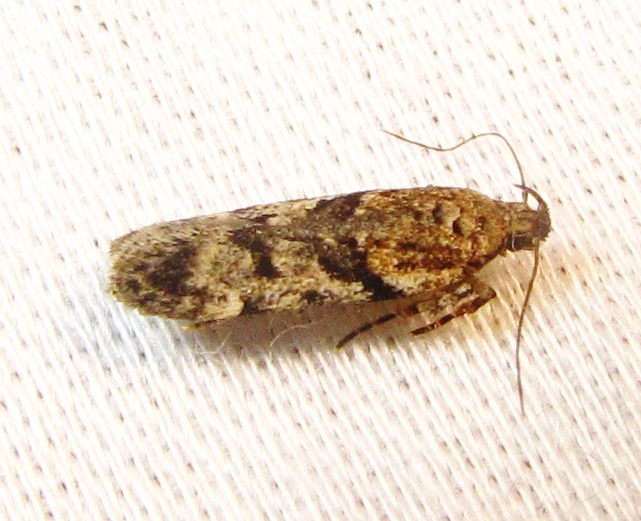
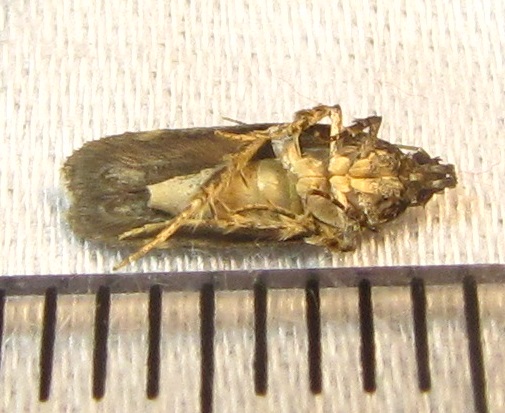
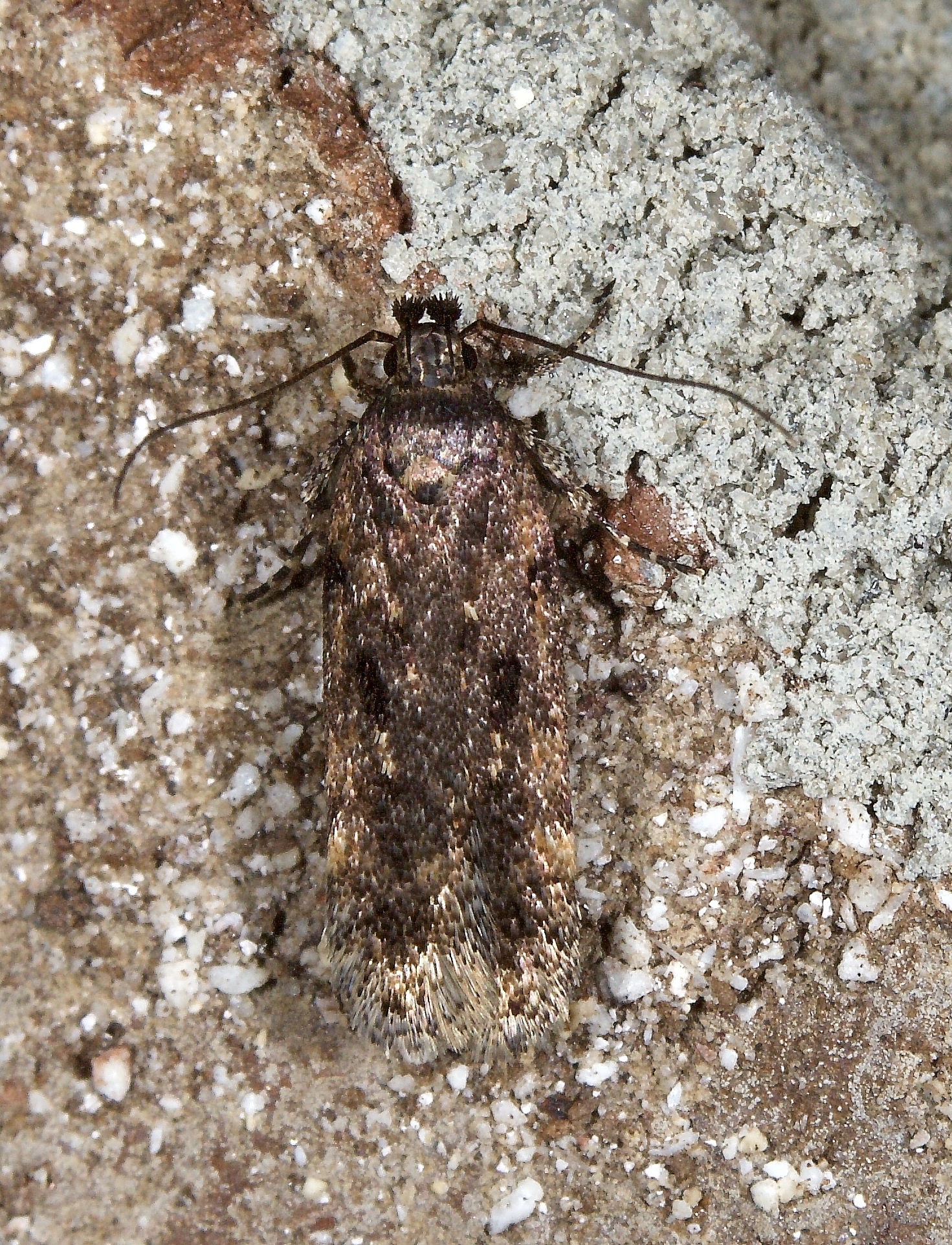
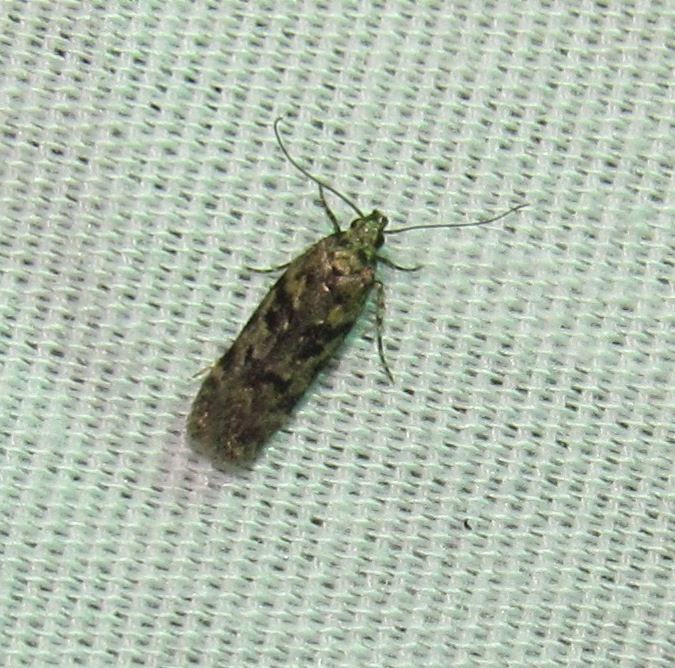
Chionodes thoraceochrella (Chambers, 1872) - No Common Name


Chionodes thoraceochrellaChionodes thoraceochrella
view caption
Chionodes thoraceochrellaChionodes thoraceochrella
view caption
Taxonomy
Superfamily:
Gelechioidea
Family:
Gelechiidae
Subfamily:
Gelechiinae
Tribe:
Gelechiini
P3 Number:
59a0959
MONA Number:
2119.00
Comments: The genus Chionodes is the most species rich genus of gelechiid moths in the Western Hemisphere, with 187 recognized species. Our knowledge of the diverse array of species in North America is largely due to the monumental work of Hodges (1999), who spend decades working on the group and described 115 new species (Powell and Opler, 2009). Many exhibit substantial variation within species and have drab coloration, typically with brown, dark gray, or blackish patterning on the forewings. These can only be confidently identified by examining secondary sexual characteristics and/or the genitalia of one or both sexes. Others are more boldly marked and can be identified by wing patterning. Many of our state records are based on Hodges (1999) database of over 19,000 specimens that he examined from major collections in the US. These include North Carolina specimens that he collected mostly from Highlands, and from a few other areas within the state.
Identification
Field Guide Descriptions: Online Resources: MPG, BugGuide, iNaturalist, Google, BAMONA, GBIF, BOLDTechnical Description, Adults: Hodges (1999)                                                                                 
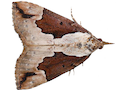
Adult Markings: The following is based in part on the description by Hodges (1999). The head and thorax are pale yellowish gray, and the antenna dark brown with pale and dark brown annulations. The labial palp is mainly dark grayish brown, with the apex of the second segment medium orangish gray. The third segment is mainly dark brown, but with scattered yellowish-white mottling beyond two-fifths, and a yellowish white tip. The forewing is often dark gray with scattered blackish blotches, but individuals are often lighter and have a slightly blotched appearance with pale yellowish-gray, orange-brown, or off-white scales. North Carolina specimens can be dark, but are often lighter and frequently have a posteriorly oblique, irregular dark band that begins on the costa at about one-third and terminates before reaching the inner margin. A dark costal spot is present at about four-fifths that is followed by a pale blotch that is often part of a posteriorly angled pale fascia. The dorsal surface of the abdomen is medium gray and overlain with paler scales on Tl and T2. The posterior margin of each tergum is pale gray. The upper portion of the legs are mottled with pale gray and dark brown, while the tarsi are dark brown with pale annulations. The foreleg is more boldly marked than the remaining two. The forewing patterning is variable on this species and individuals are best identified by dissection.
Forewing Length: 5.1- 6.9 mm (Hodges, 1999)
Adult Structural Features: Hodges (1999) has descriptions and illustrations of the male and female genitalia.
Genitalia and other structural photos
Adult ID Requirements: Identifiable only by close inspection of structural features or by DNA analysis.
Immatures and Development: The larvae are known to be leaf tiers on oaks (Hodges, 1999), but most aspects of the life history and larval ecology are undocumented. One larvae on BugGuide (Photo#733175) was feeding on American Beech. It had an amber head capsule, a dull yellow prothoracic plate, and an ocherous body with pale, irregular, longitudinal stripes along the body.
Distribution in North Carolina
Distribution: Chionodes thoraceochrella is found in southern Canada from Saskatchewan eastward to Prince Edward Island and Nova Scotia, and throughout much of the US. Scattered populations occur in the western US, including the Pacific Coast states, Utah, Colorado, Arizona, and North Dakota. Populations are also widespread and common in most of the eastern US in association with the eastern deciduous forest. As of 2021, our records are all from the Piedmont and lower elevations in the Blue Ridge Mountains.
County Map: Clicking on a county returns the records for the species in that county.
Chionodes thoraceochrellaAlamance Alexander Alleghany Anson Ashe Avery Beaufort Bertie Bladen Brunswick Buncombe Burke Cabarrus Caldwell Camden Carteret Caswell Catawba Chatham Cherokee Chowan Clay Cleveland Columbus Craven Cumberland Currituck Dare Davidson Davie Duplin Durham Edgecombe Forsyth Franklin Gaston Gates Graham Granville Greene Guilford Halifax Harnett Haywood Henderson Hertford Hoke Hyde Iredell Jackson Johnston Jones Lee Lenoir Lincoln Macon Madison Martin McDowell Mecklenburg Mitchell Montgomery Moore Nash New Hanover Northampton Onslow Orange Pamlico Pasquotank Pender Perquimans Person Pitt Polk Randolph Richmond Robeson Rockingham Rowan Rutherford Sampson Scotland Stanly Stokes Surry Swain Transylvania Tyrrell Union Vance Wake Warren Washington Watauga Wayne Wilkes Wilson Yadkin Yancey
Flight Dates:
 High Mountains (HM) ≥ 4,000 ft.
 Low Mountains (LM) < 4,000 ft.
 Piedmont (Pd)
 Coastal Plain (CP)

Click on graph to enlarge