Moths of North Carolina
Scientific Name:
Common Name:
Family (Alpha):
« Home »
View PDFGelechiidae Members: Dichomeris Members: 61 NC Records

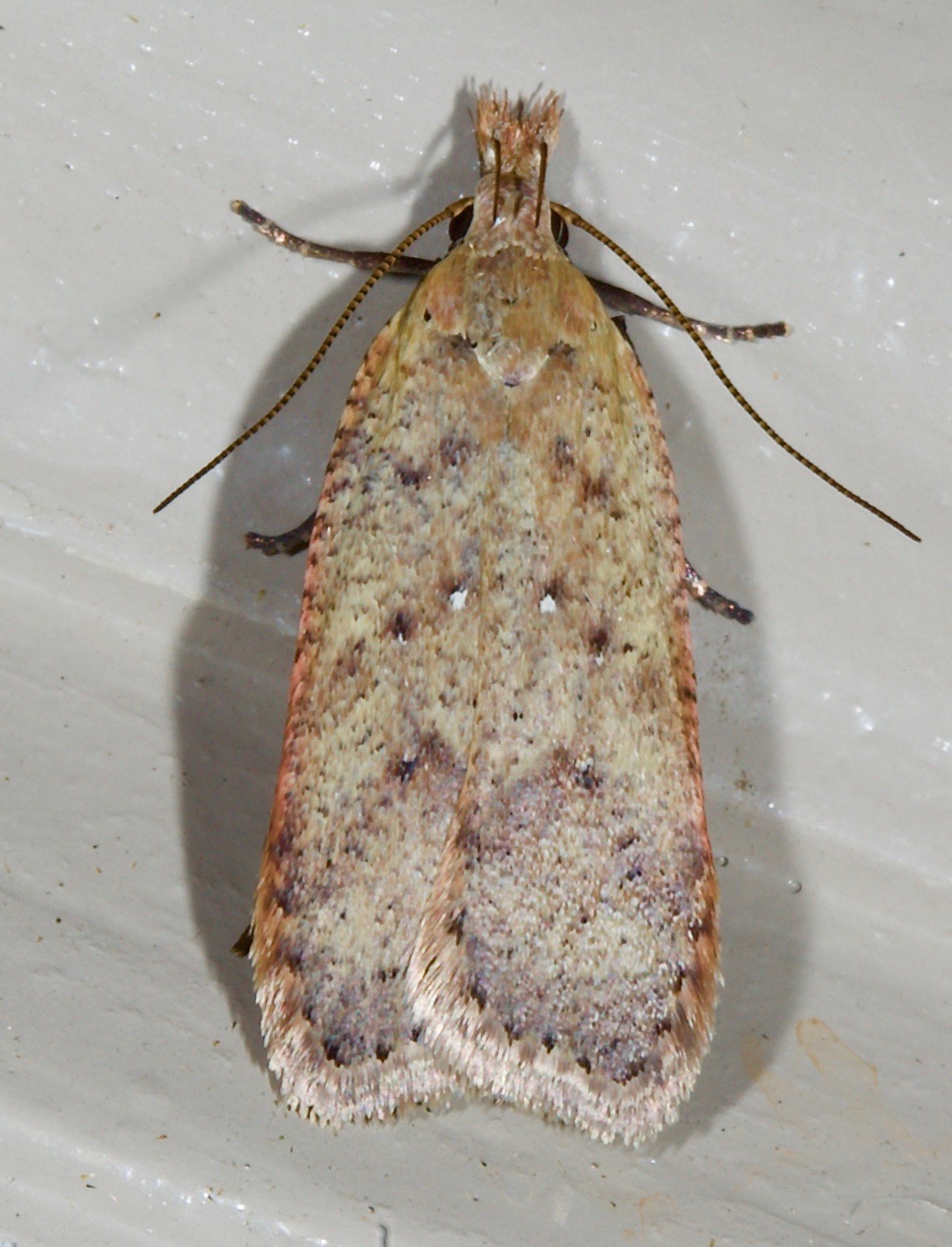
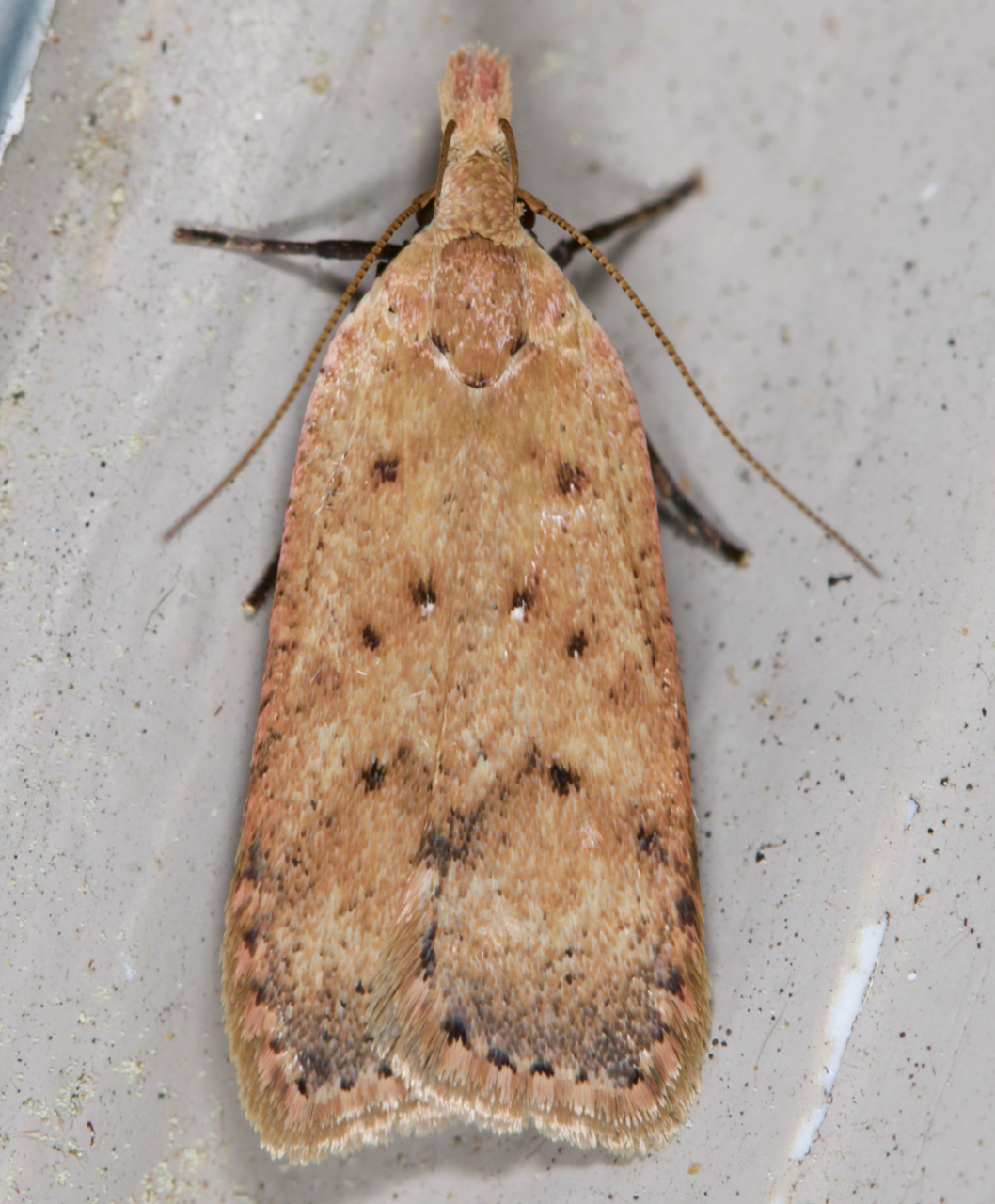
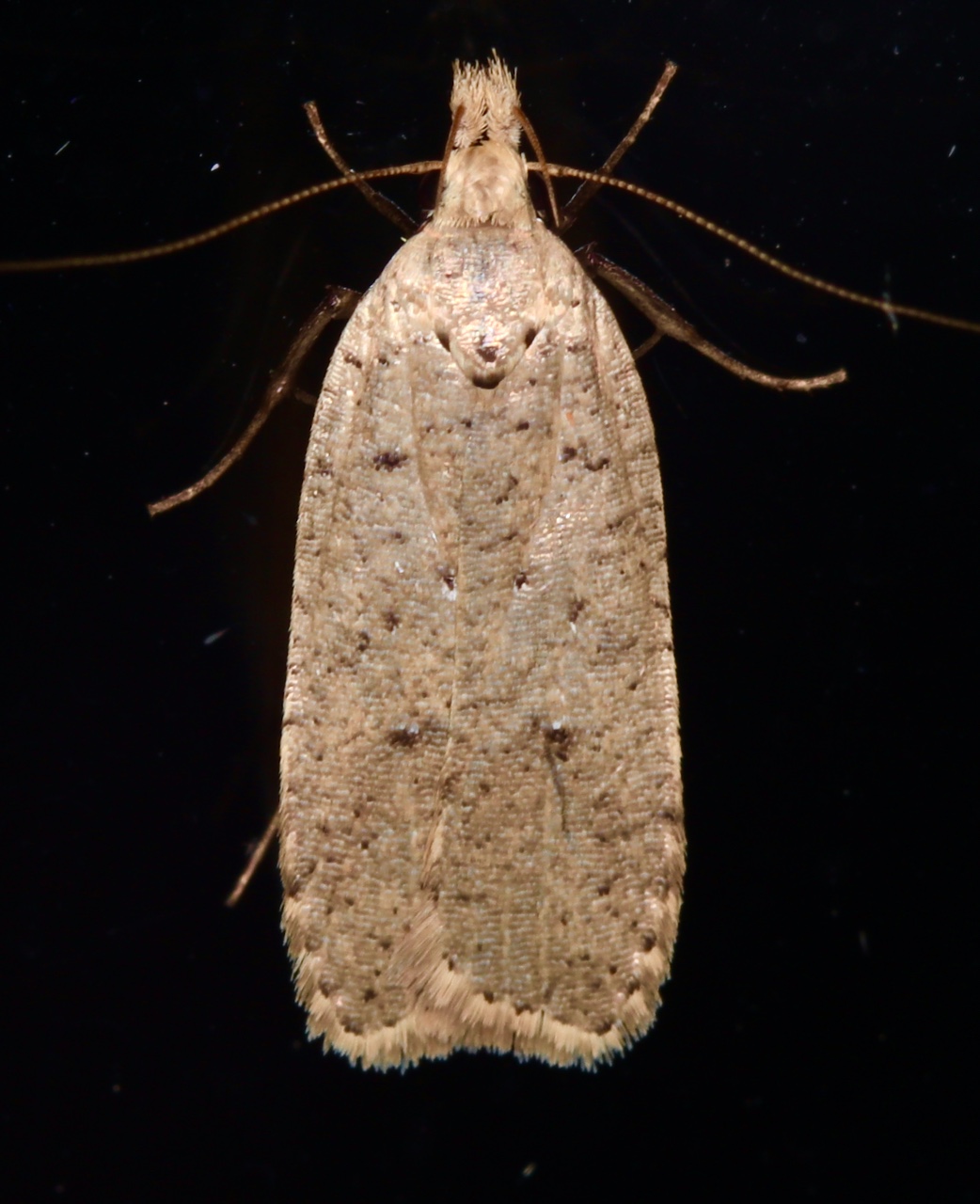
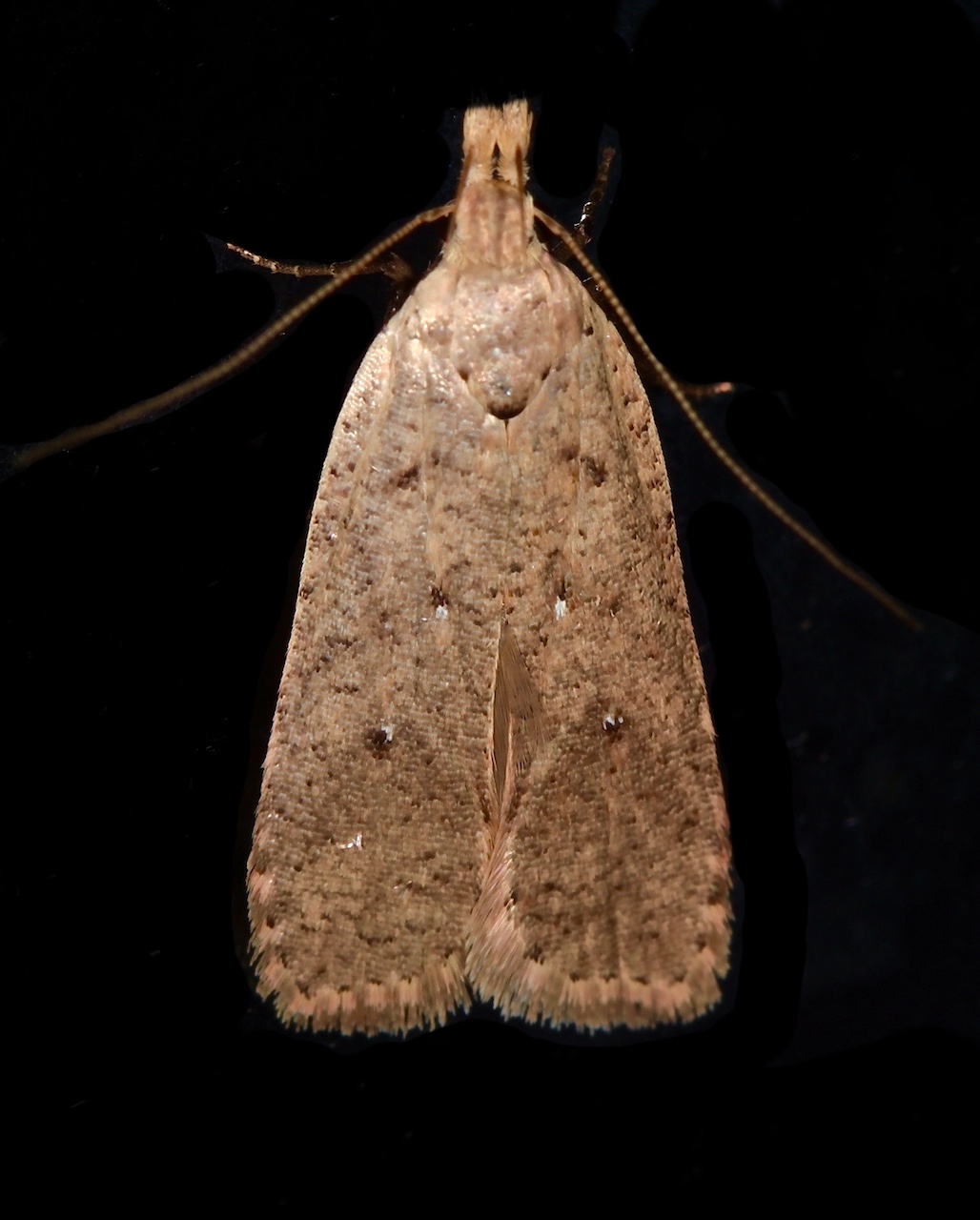
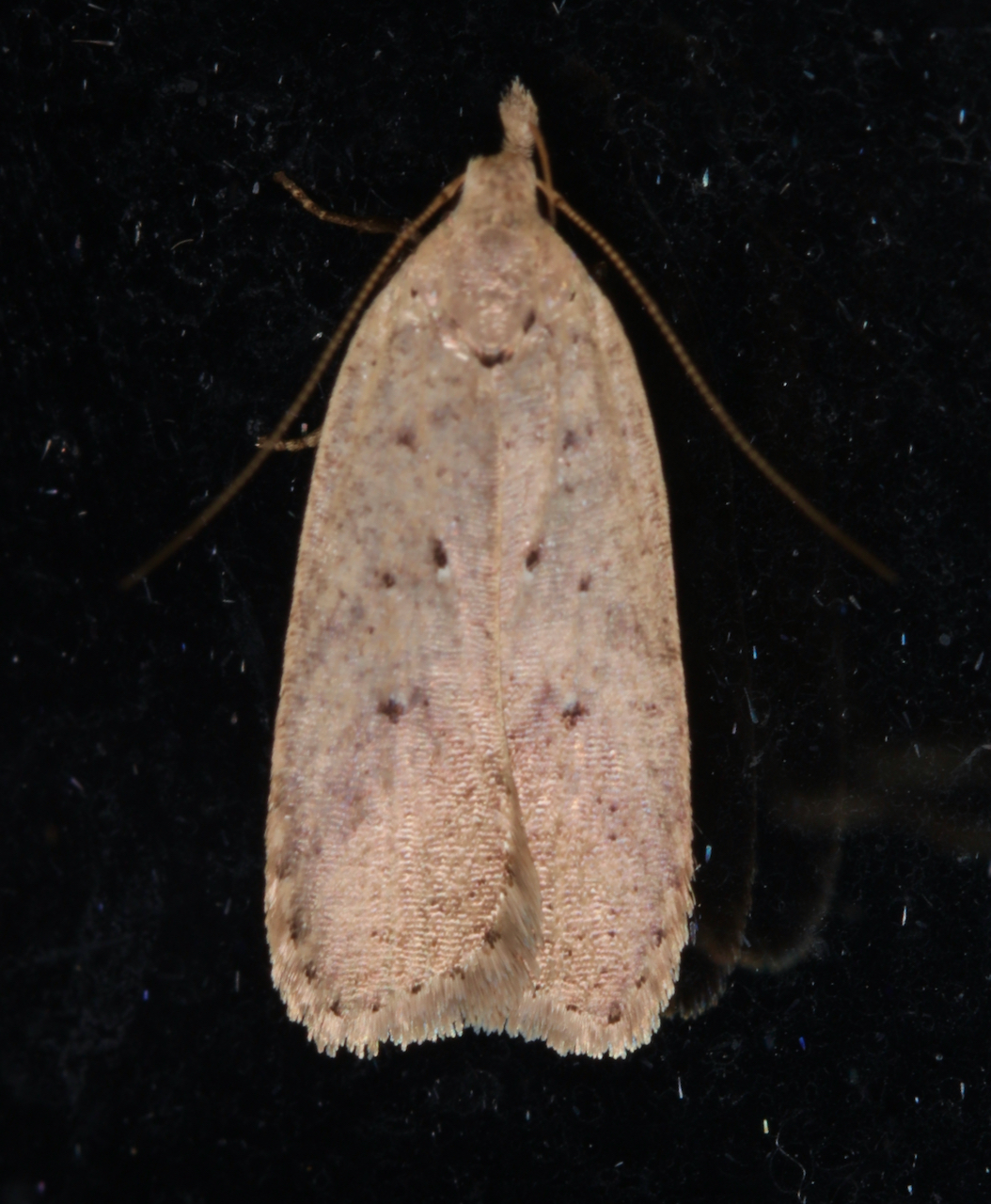
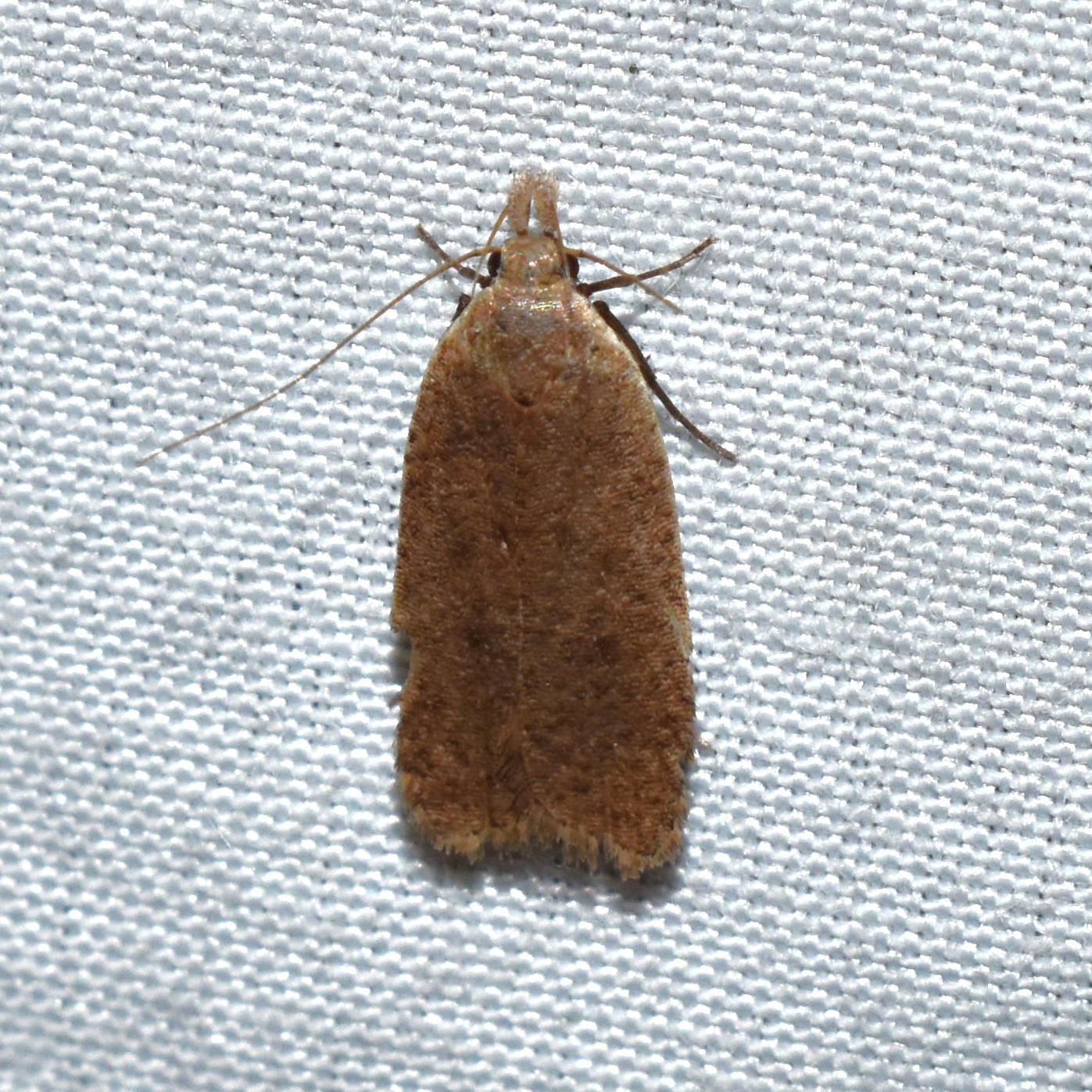
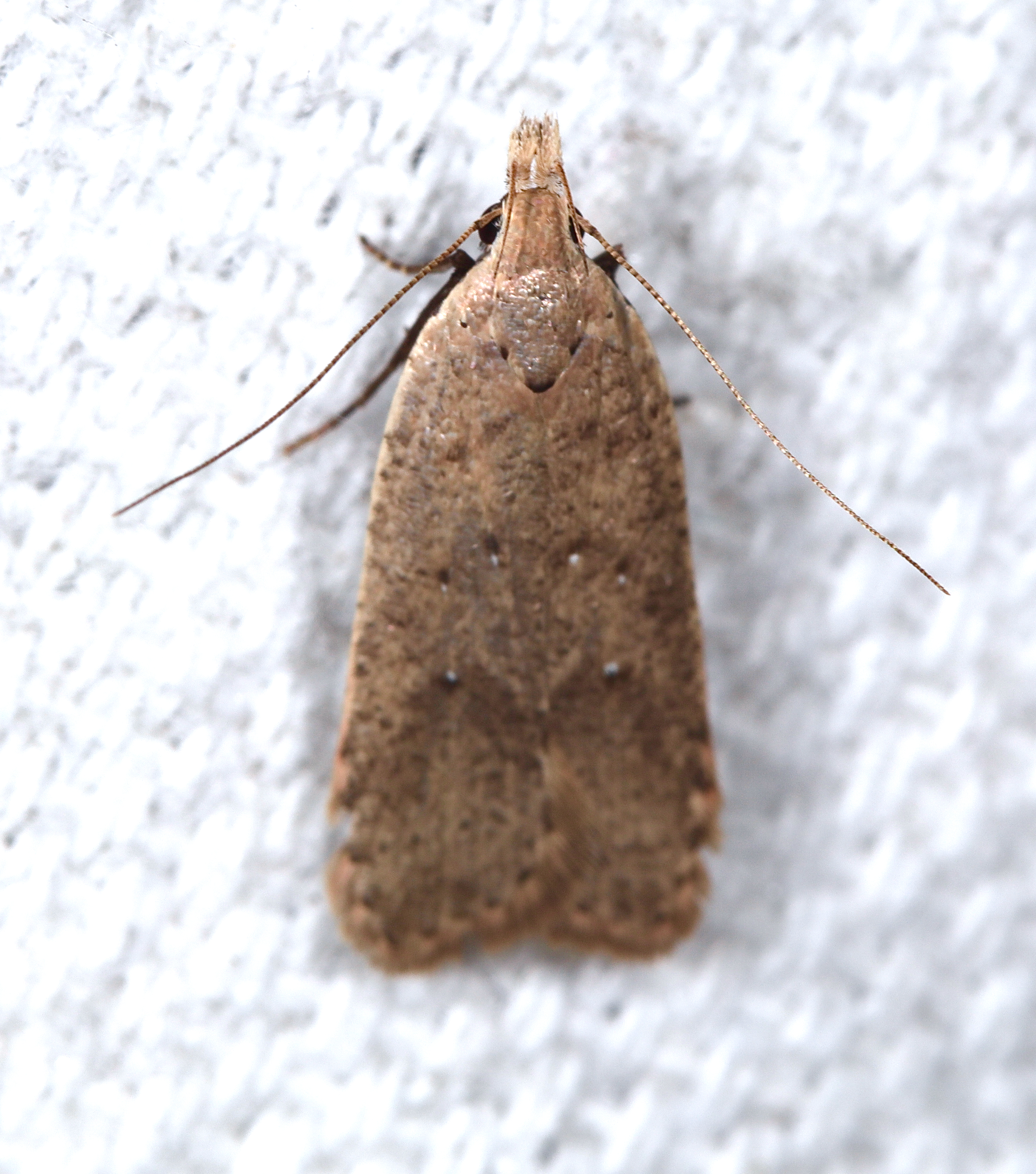
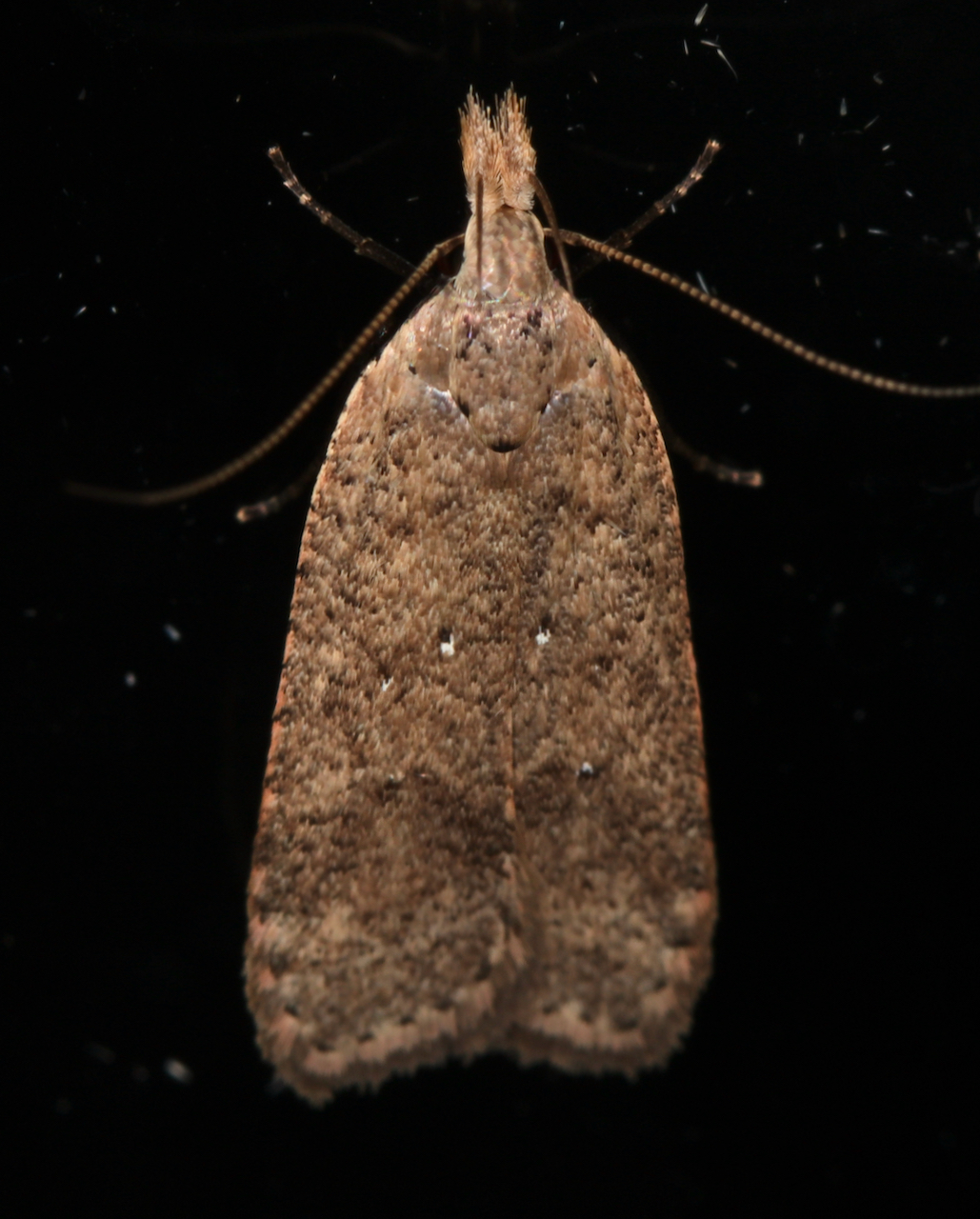
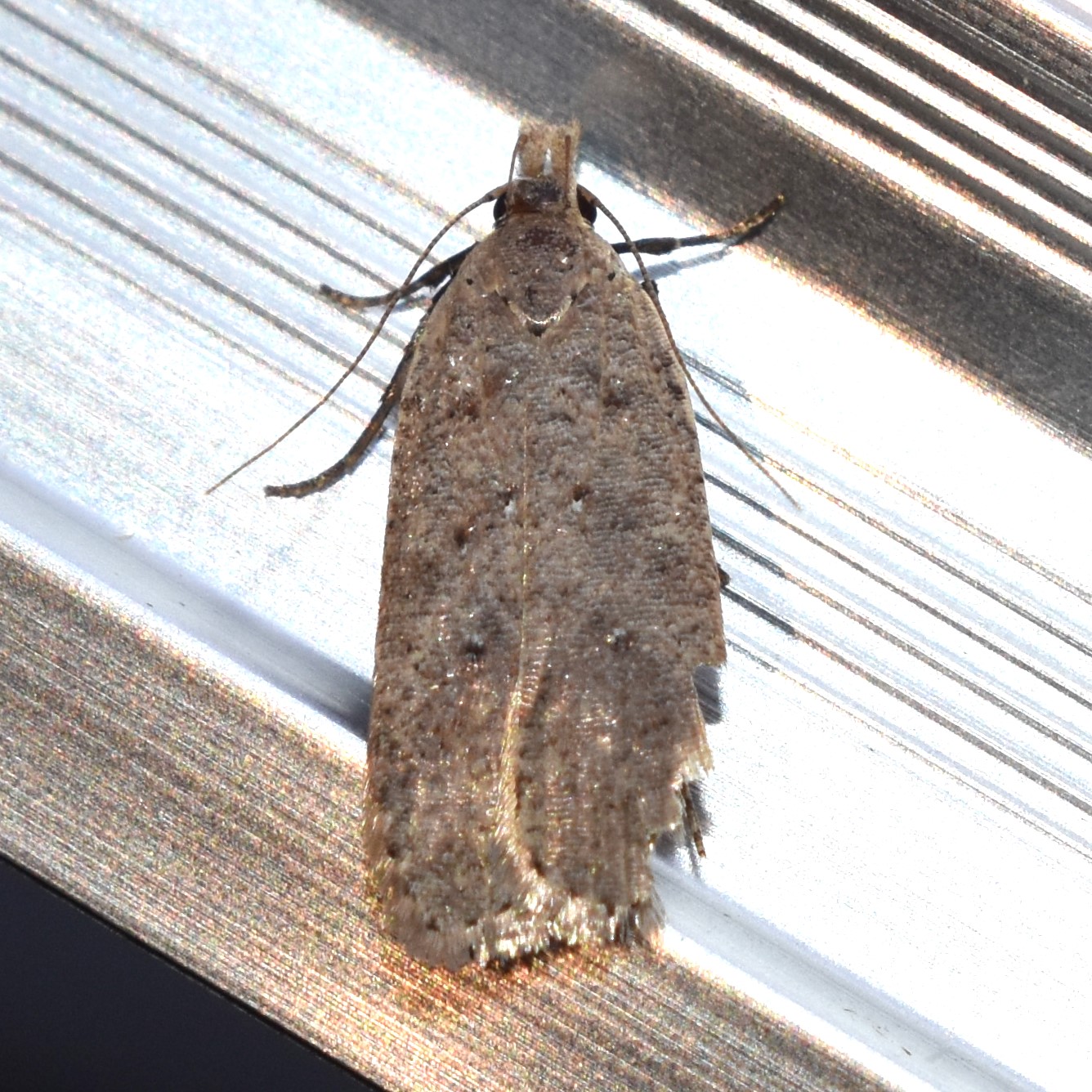
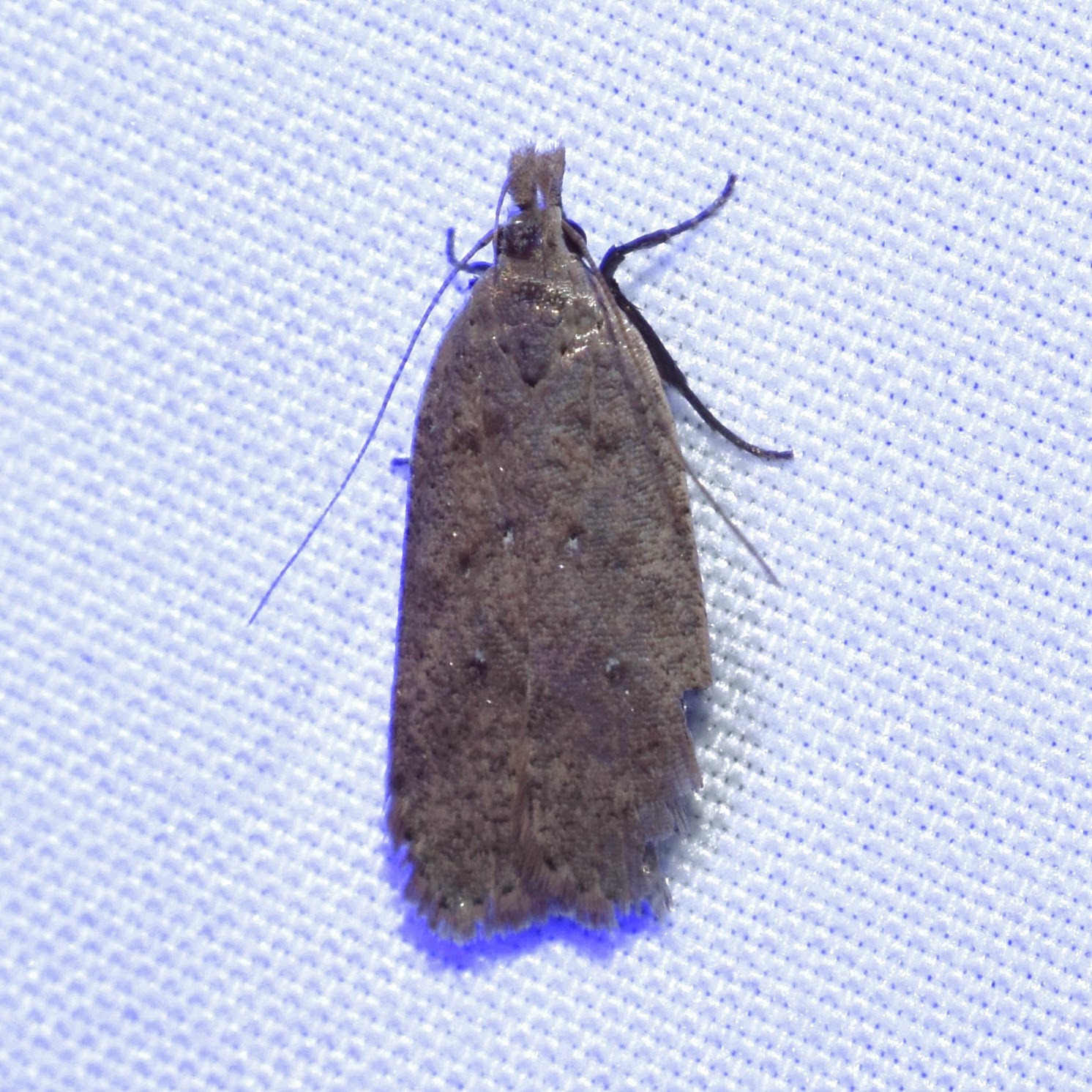
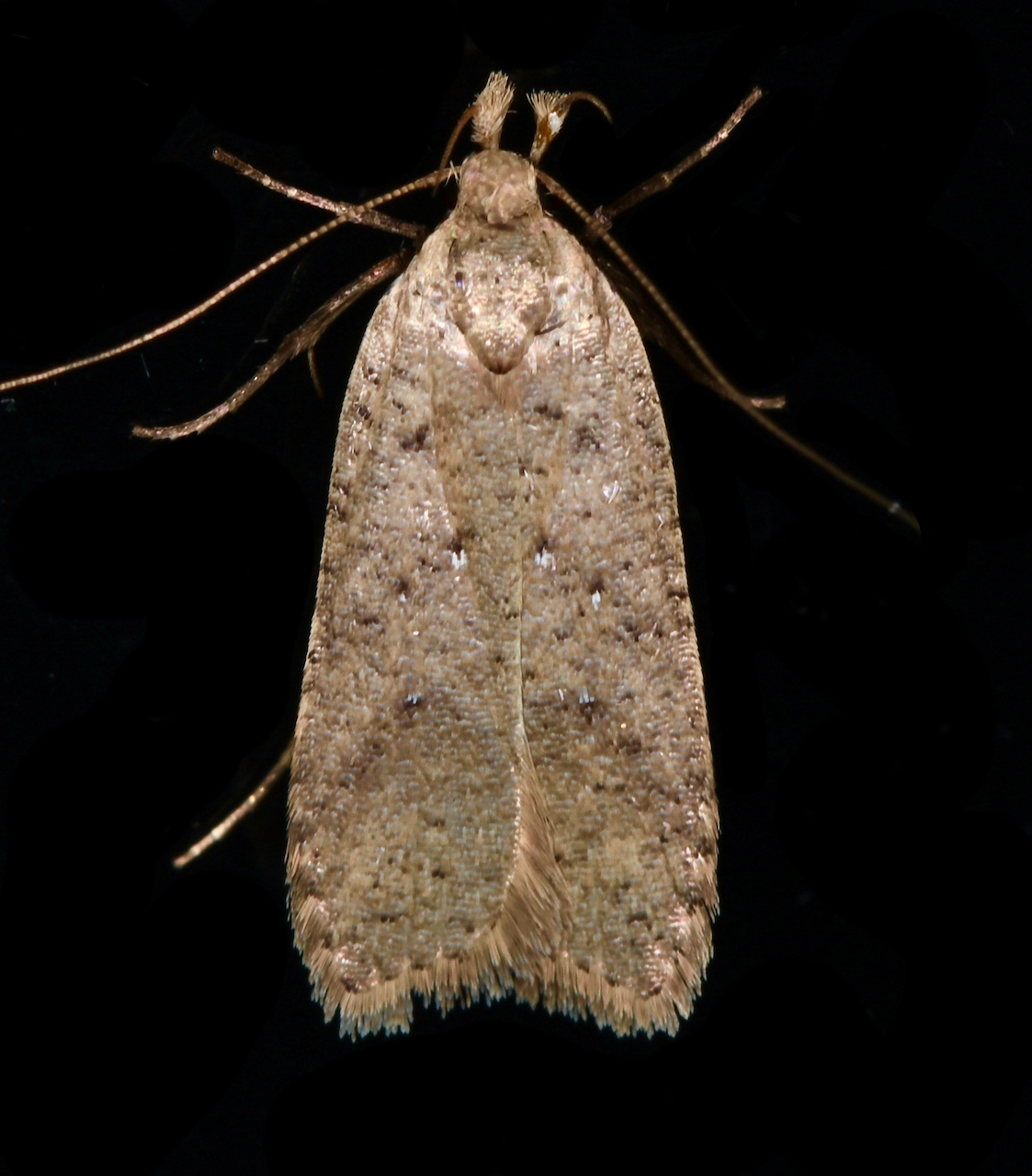
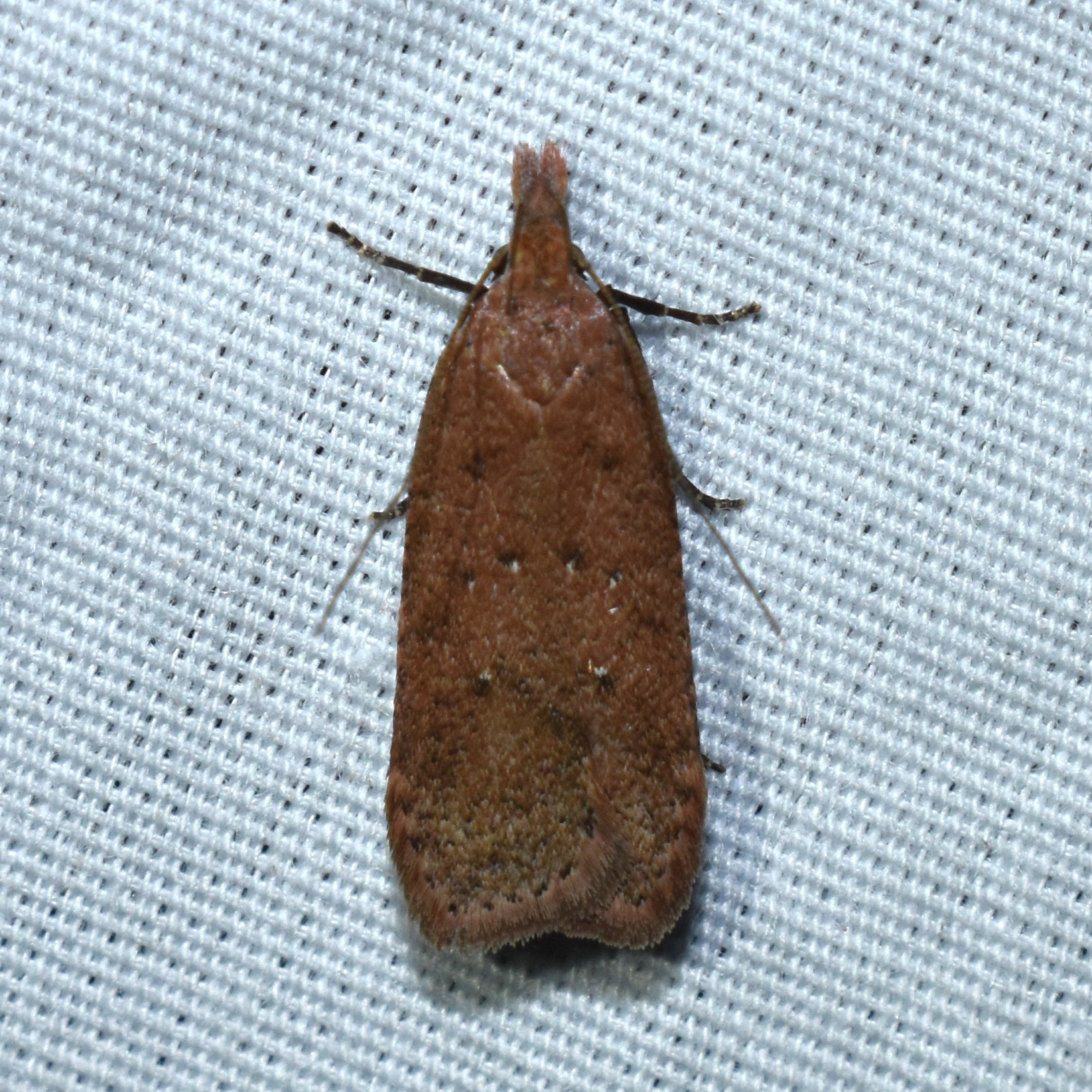
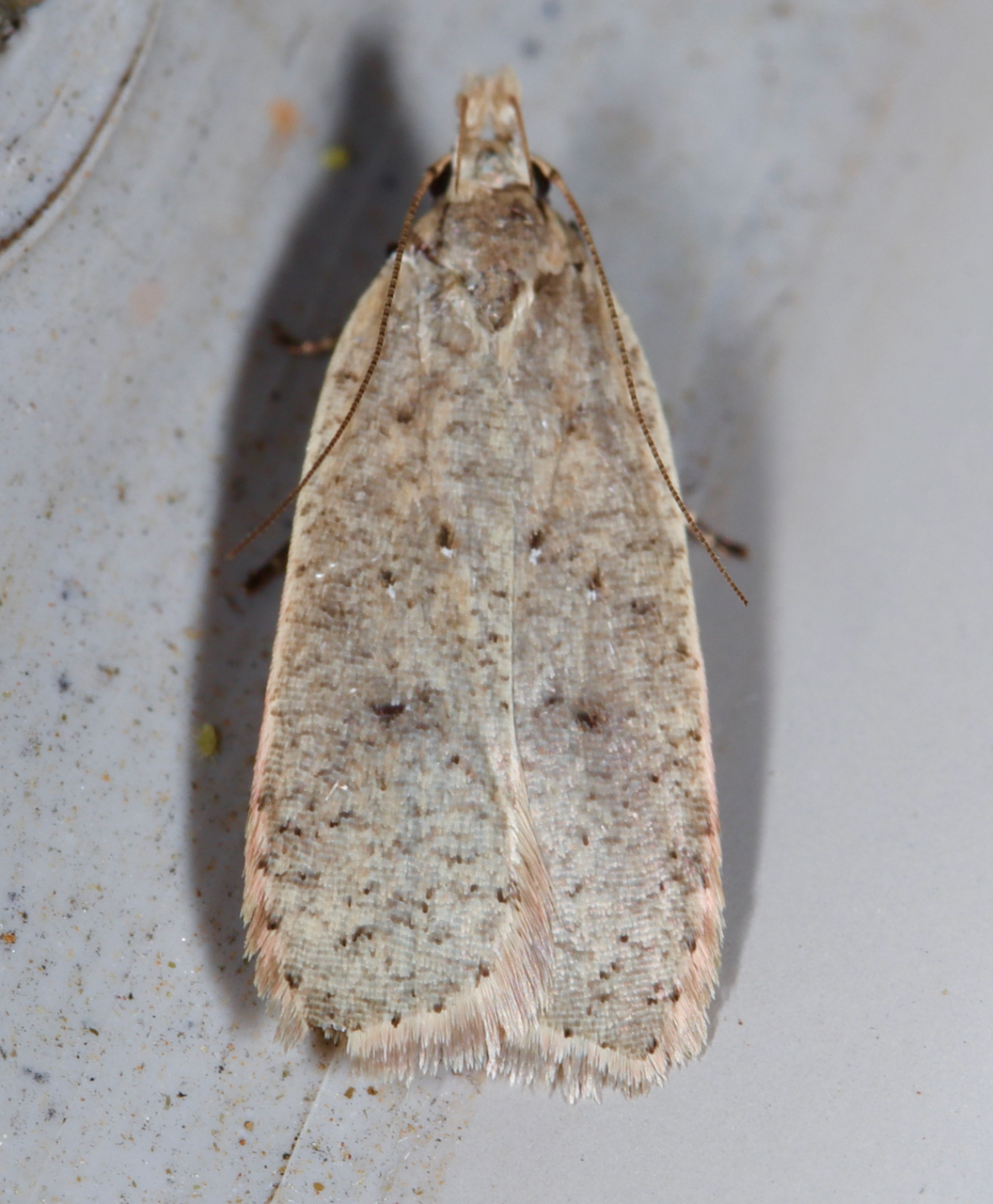
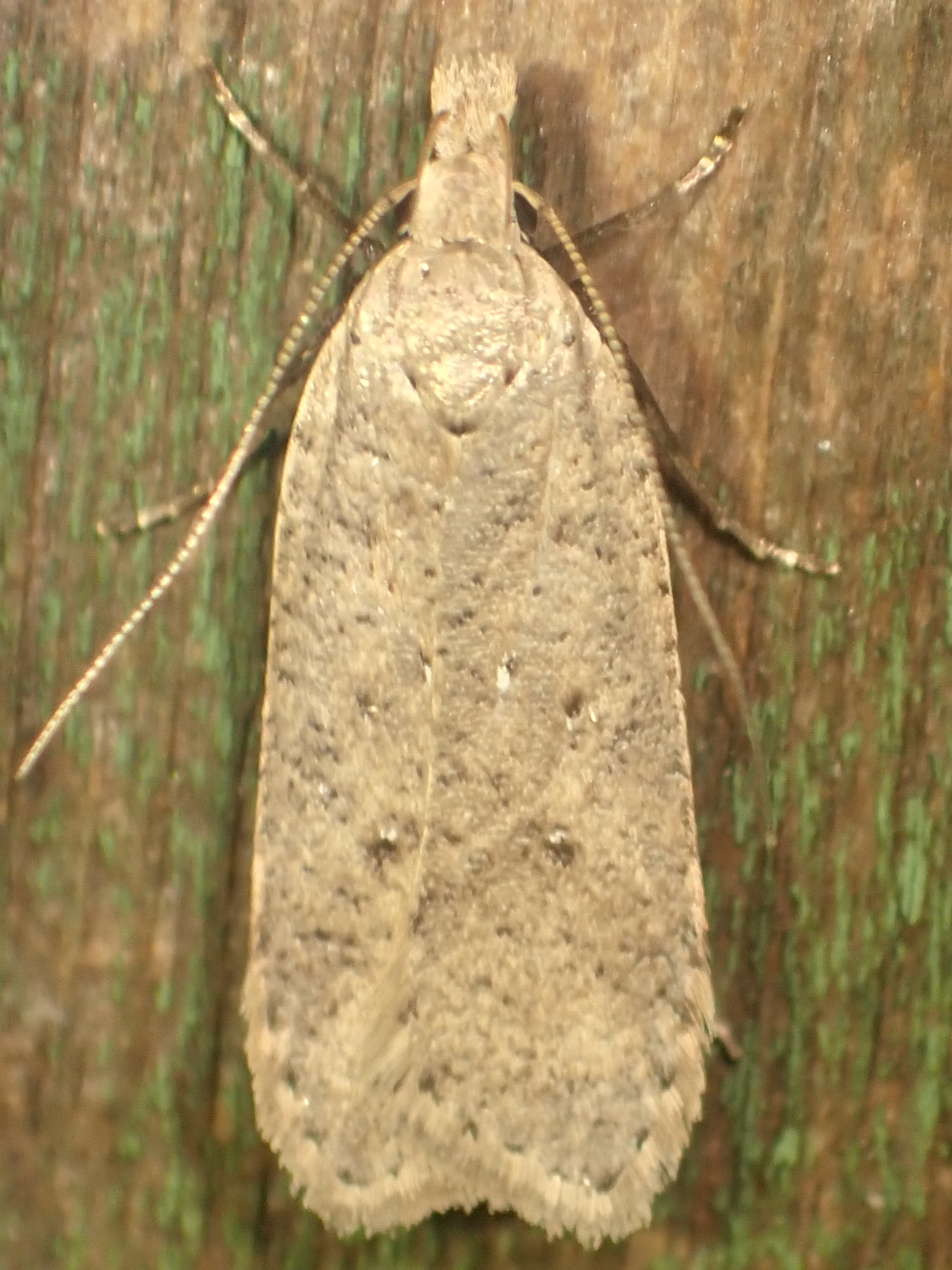
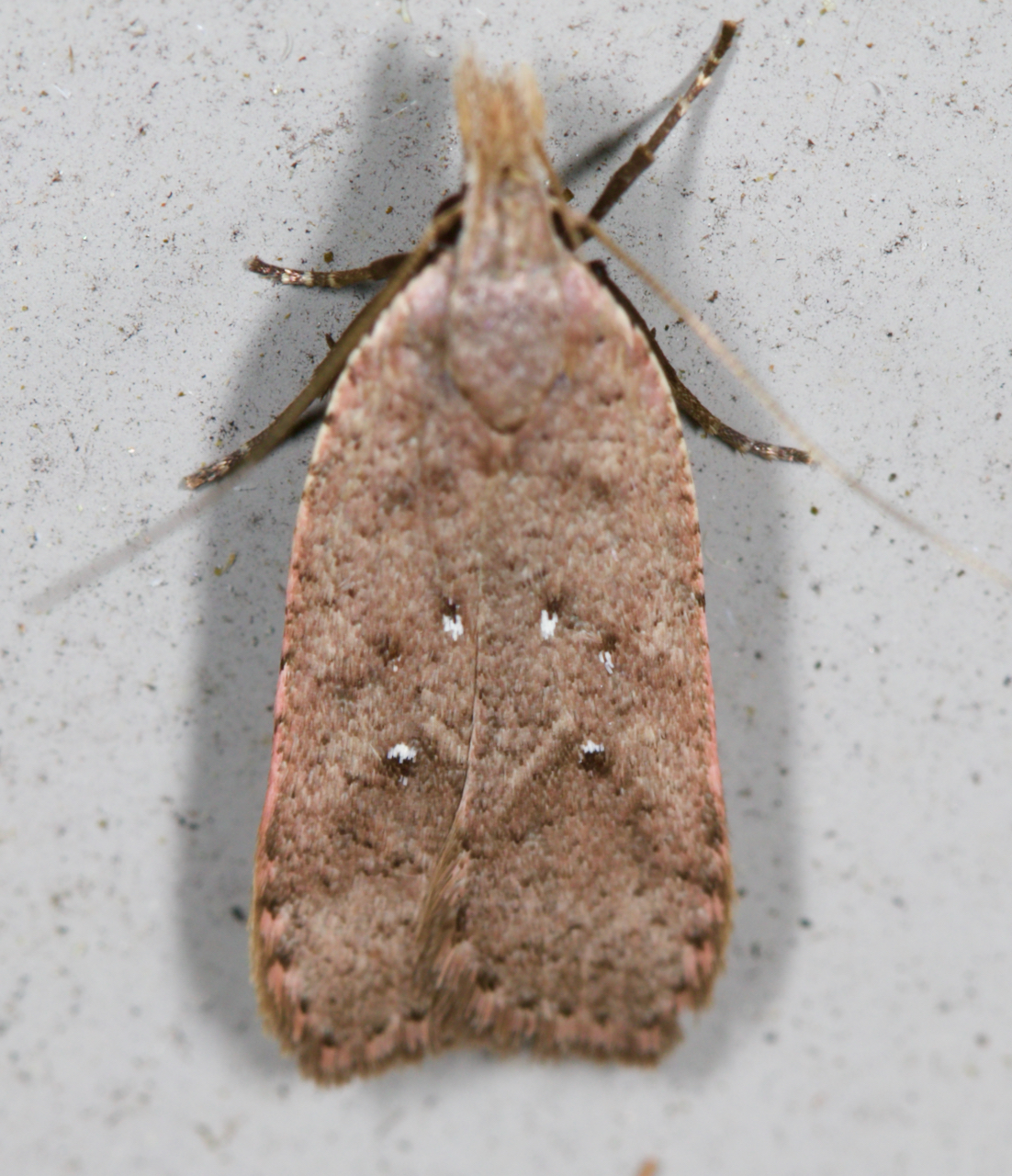
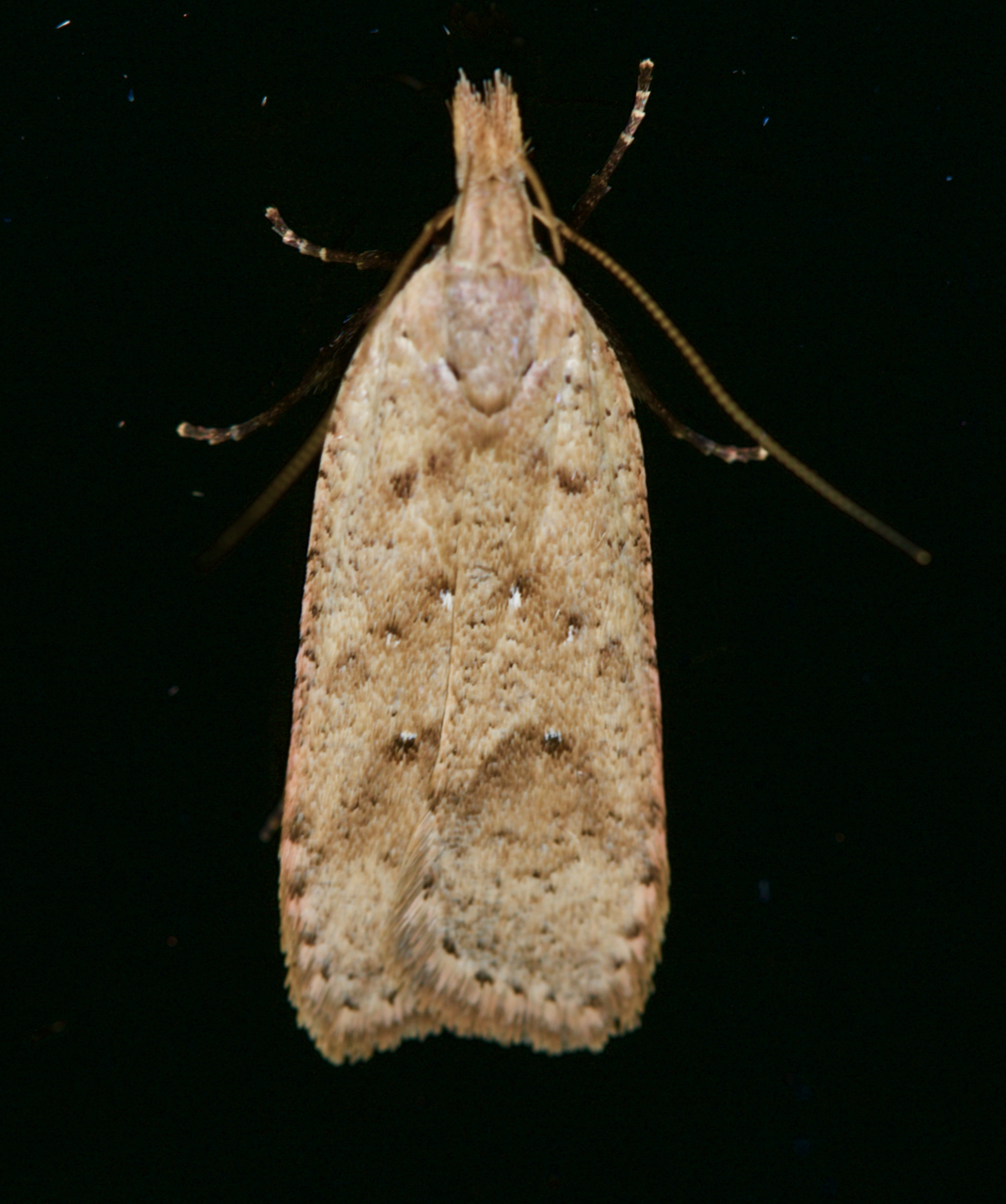
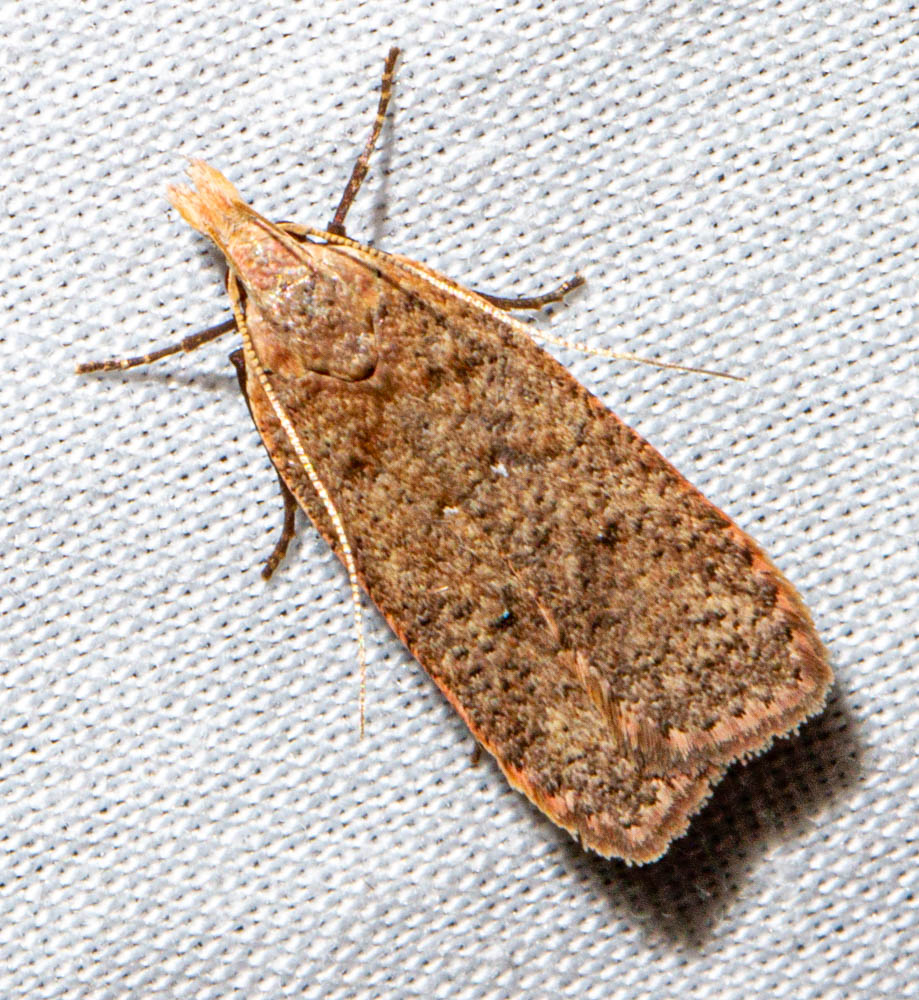
Dichomeris ventrellus (Fitch, 1854) - No Common Name


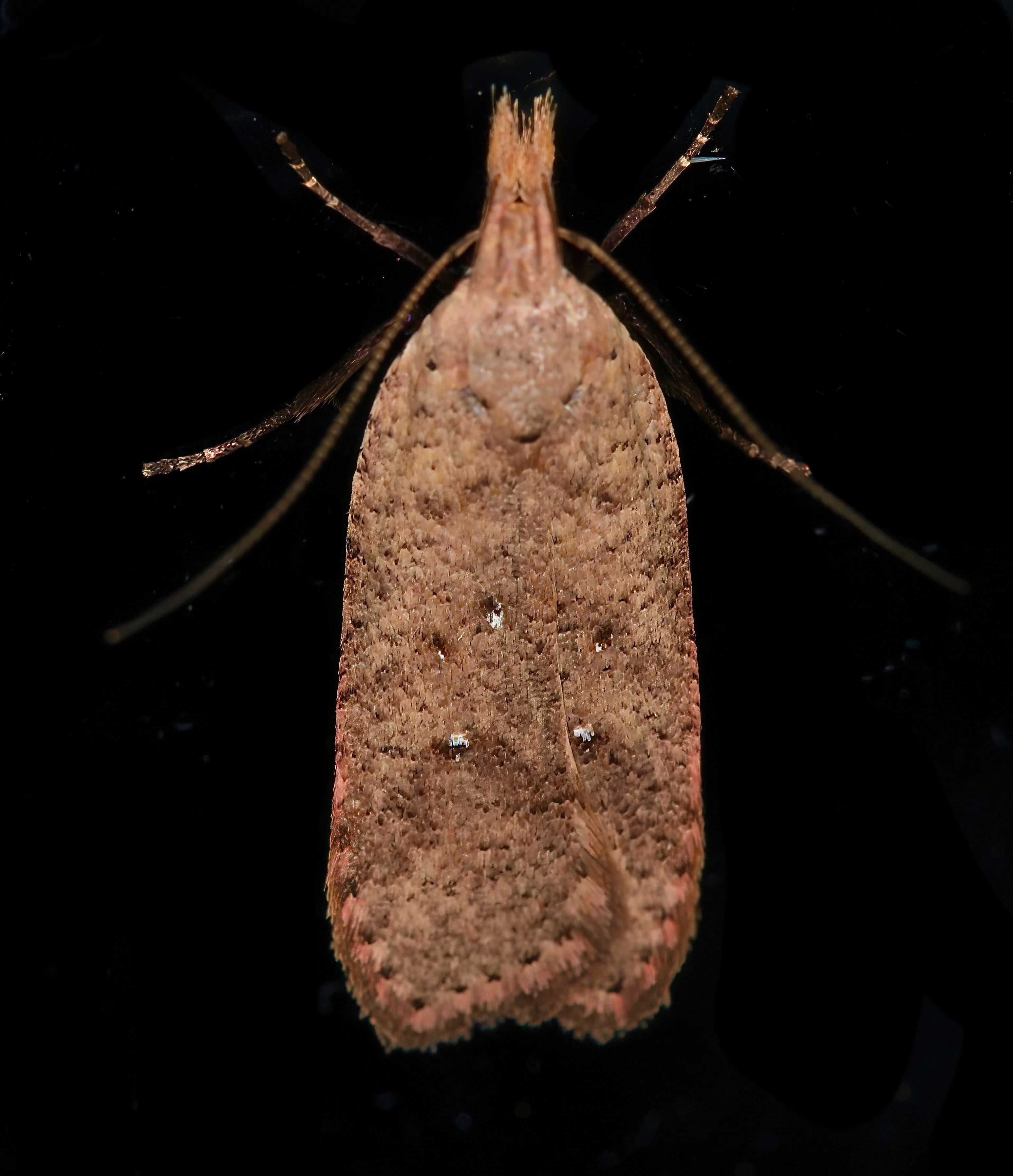
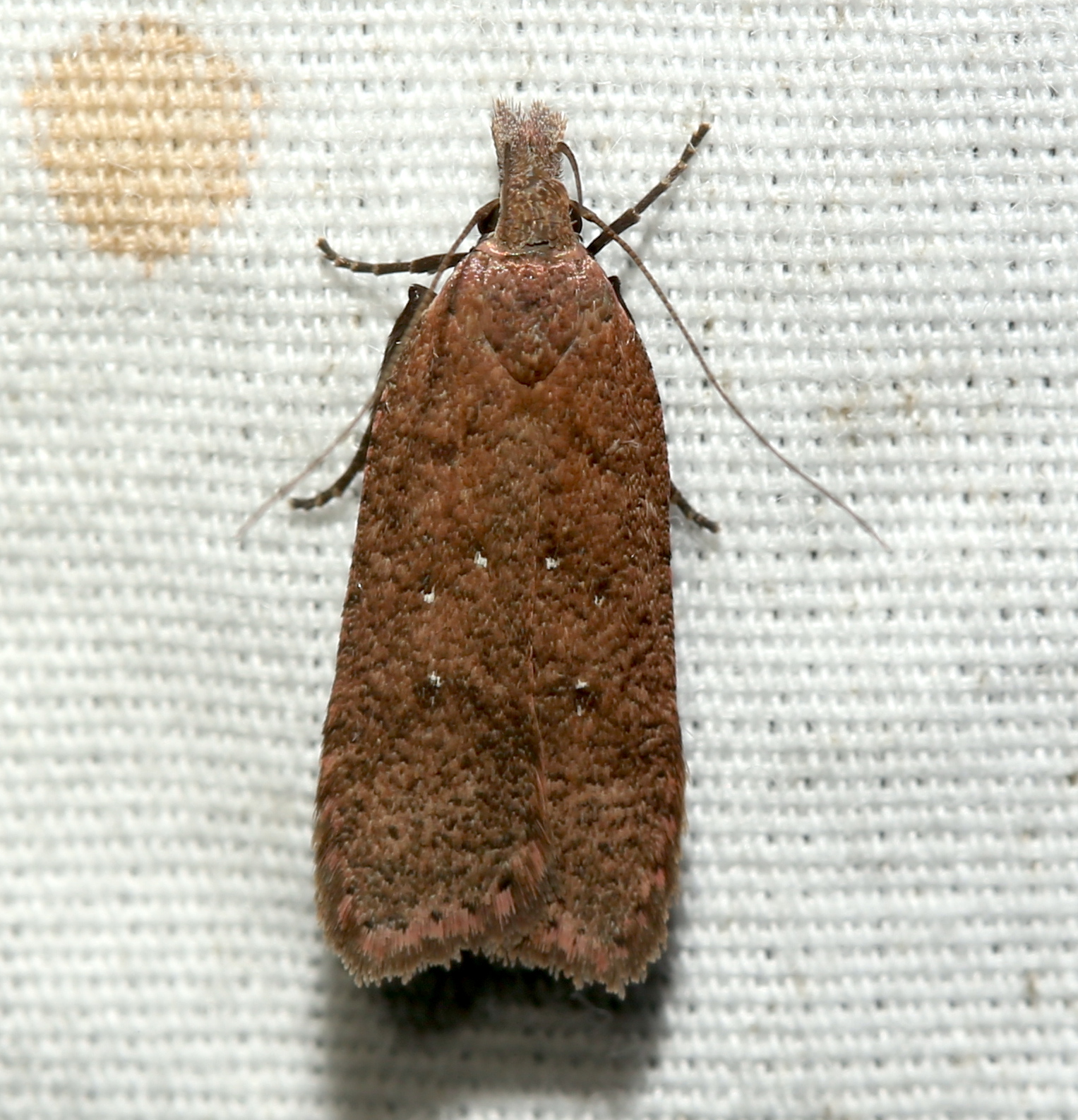
Dichomeris ventrellusDichomeris ventrellusDichomeris ventrellus
view caption
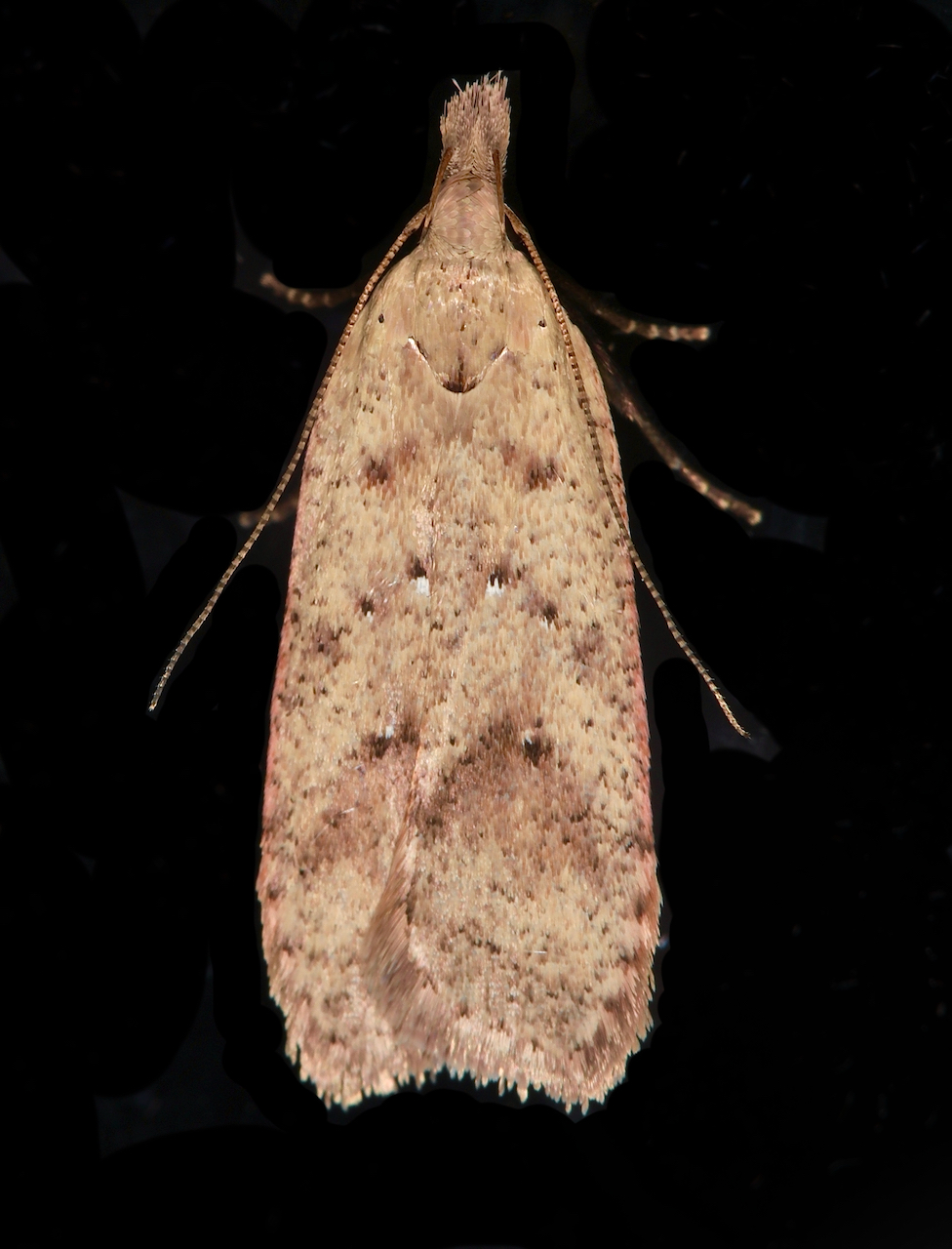
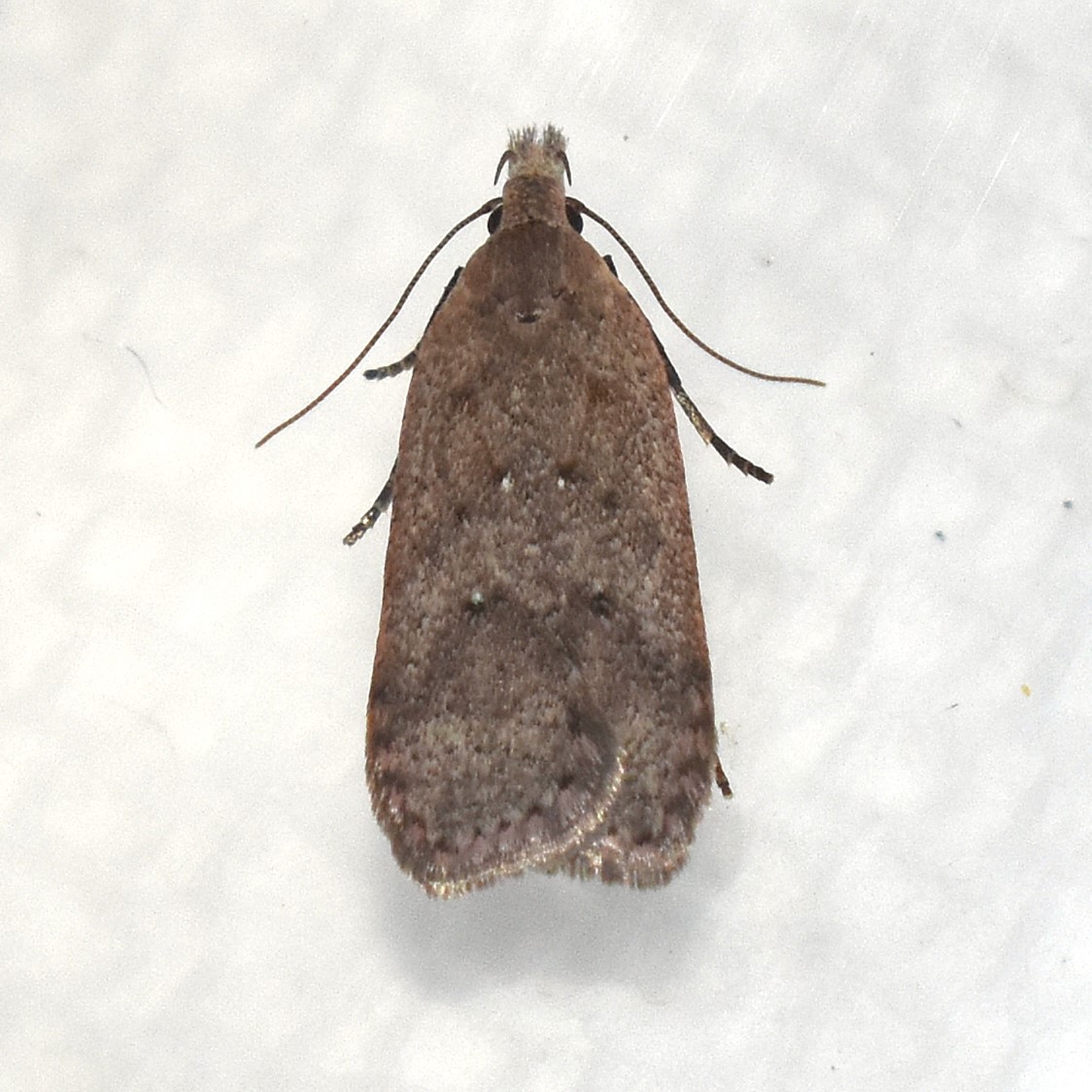
Dichomeris ventrellus
view caption
Taxonomy
Superfamily:
Gelechioidea
Family:
Gelechiidae
Subfamily:
Dichomeridinae
P3 Number:
59a0533
MONA Number:
2287.00
MONA Synonym:
Dichomeris ventrella
Identification
Field Guide Descriptions: Online Resources: MPG, BugGuide, iNaturalist, Google, BAMONA, GBIF, BOLDTechnical Description, Adults: Hodges (1986).                                                                                 
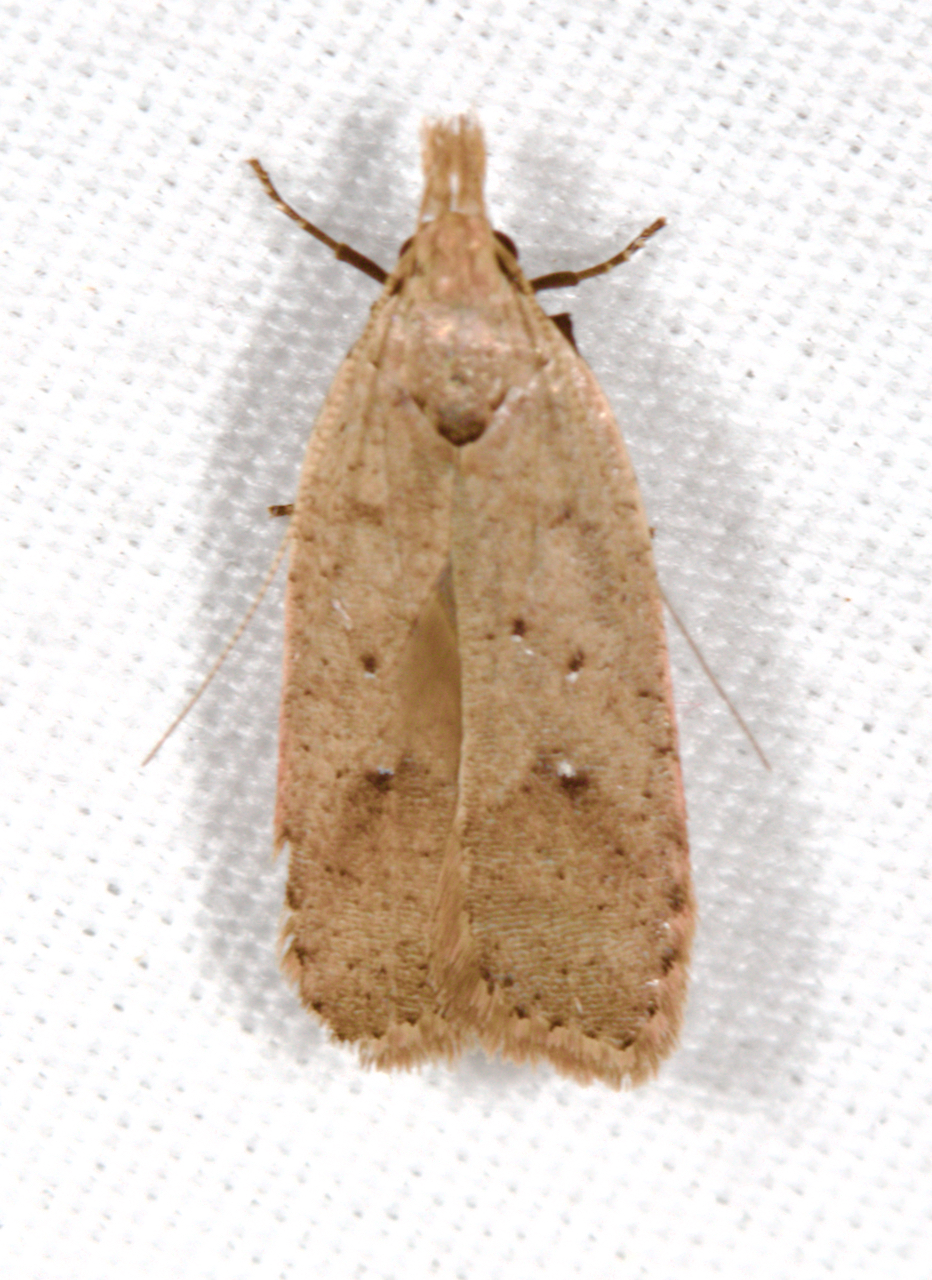
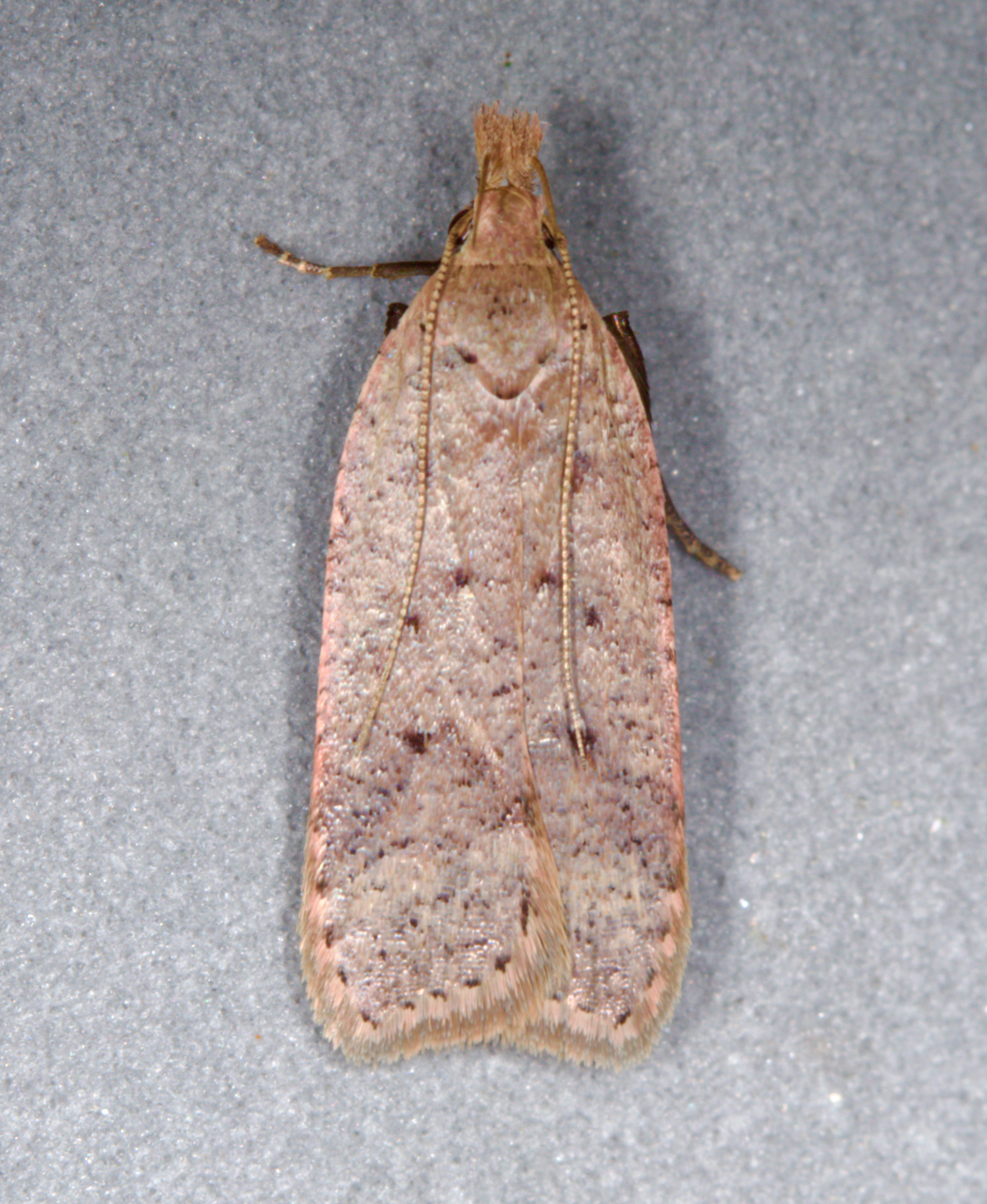
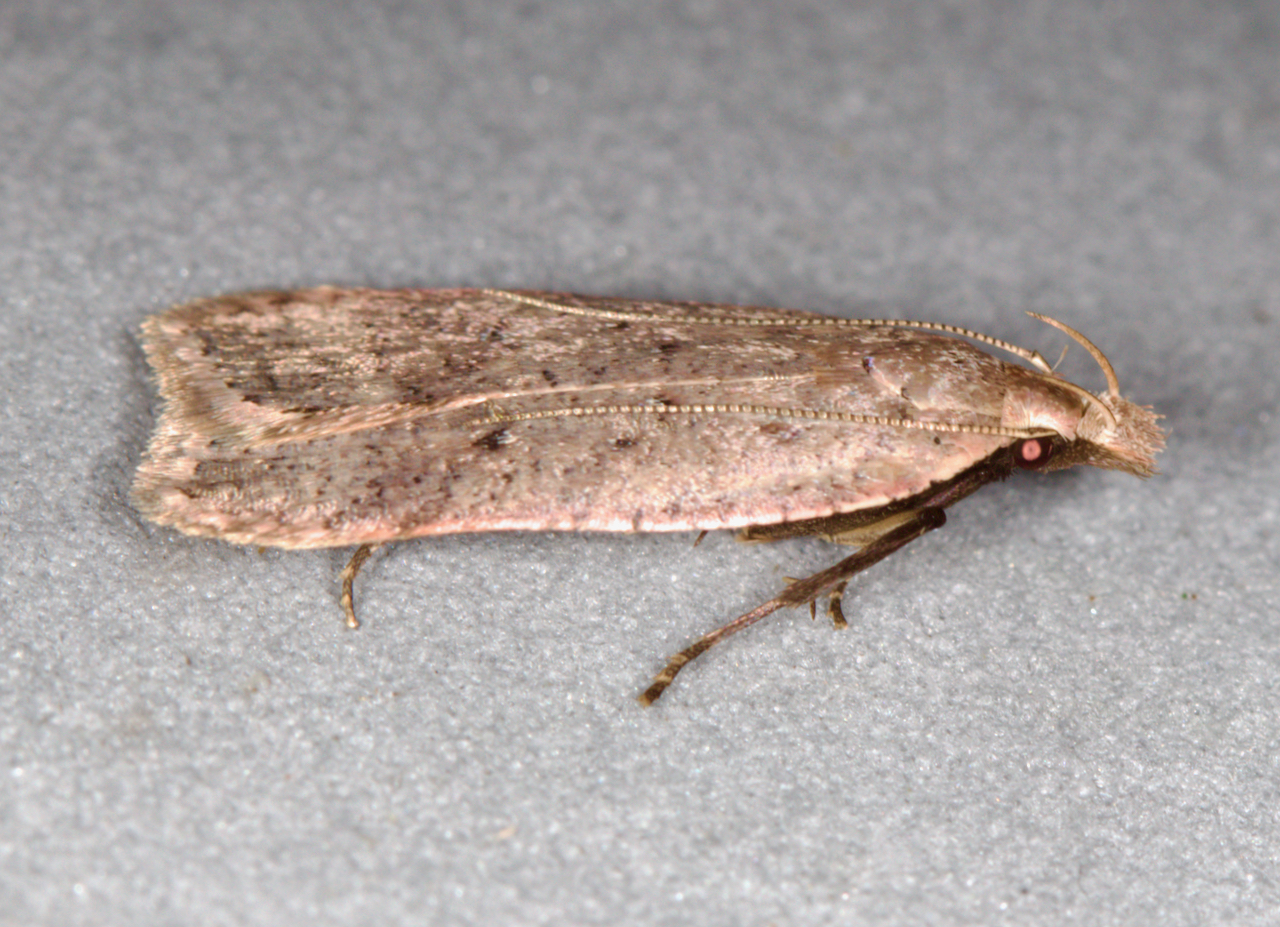
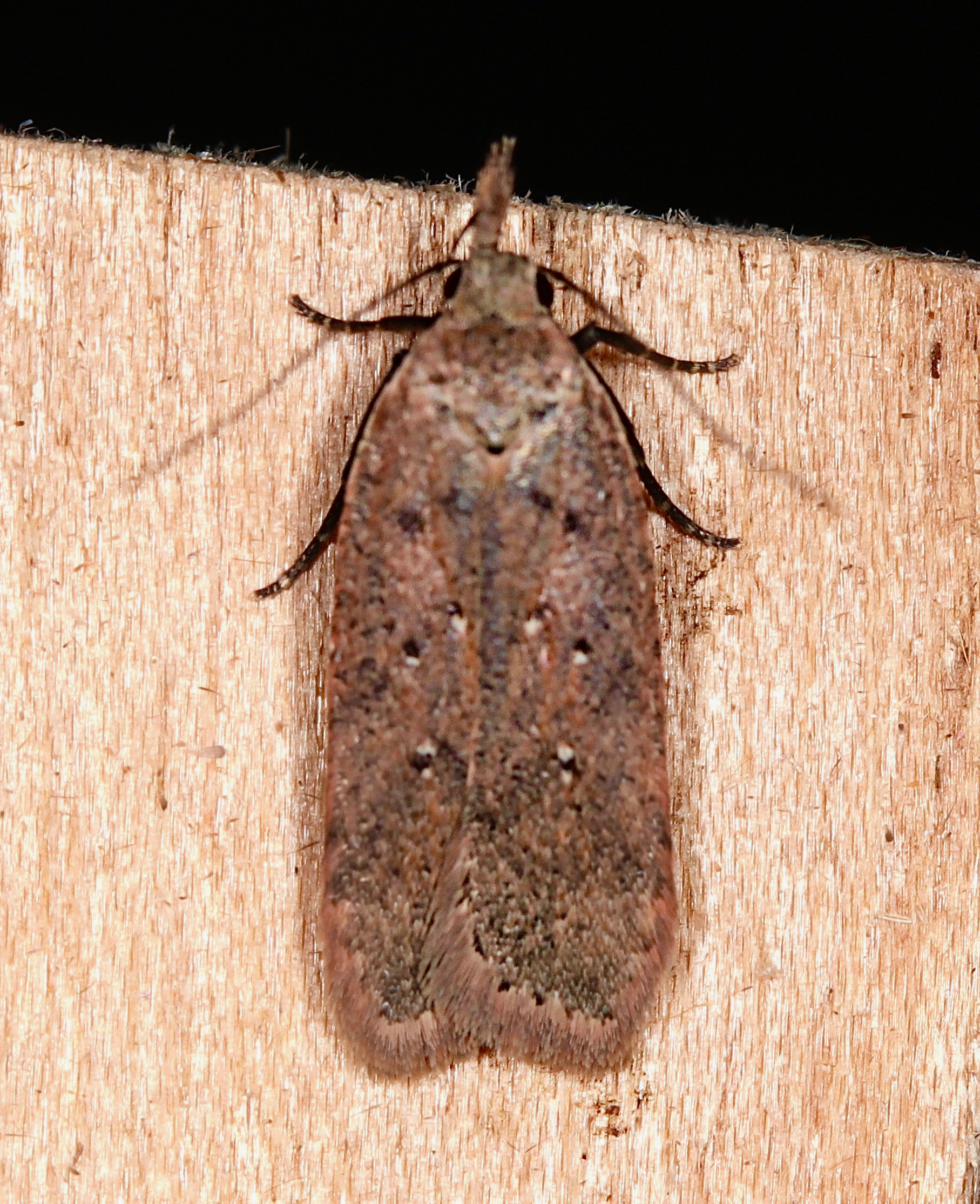
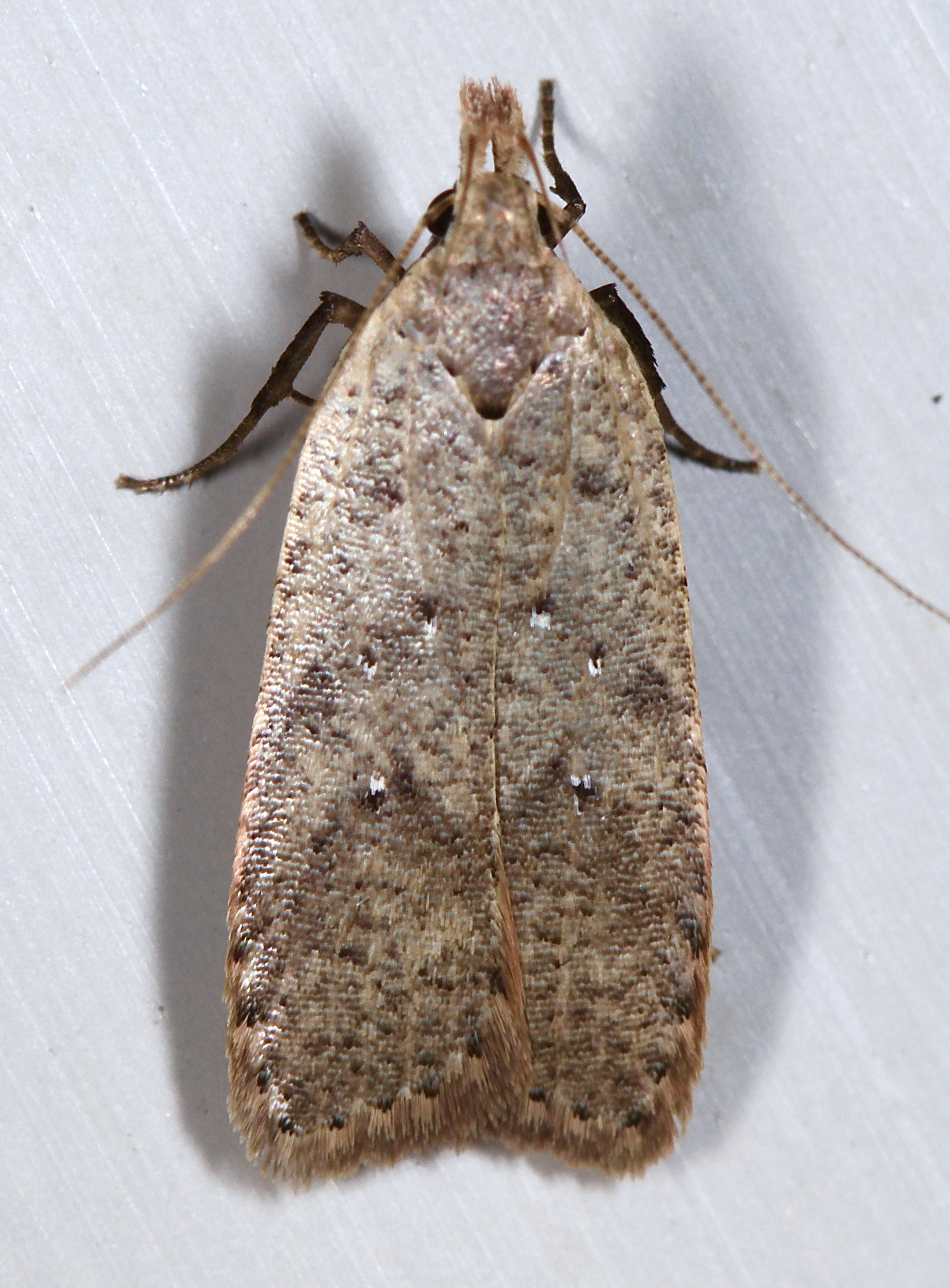
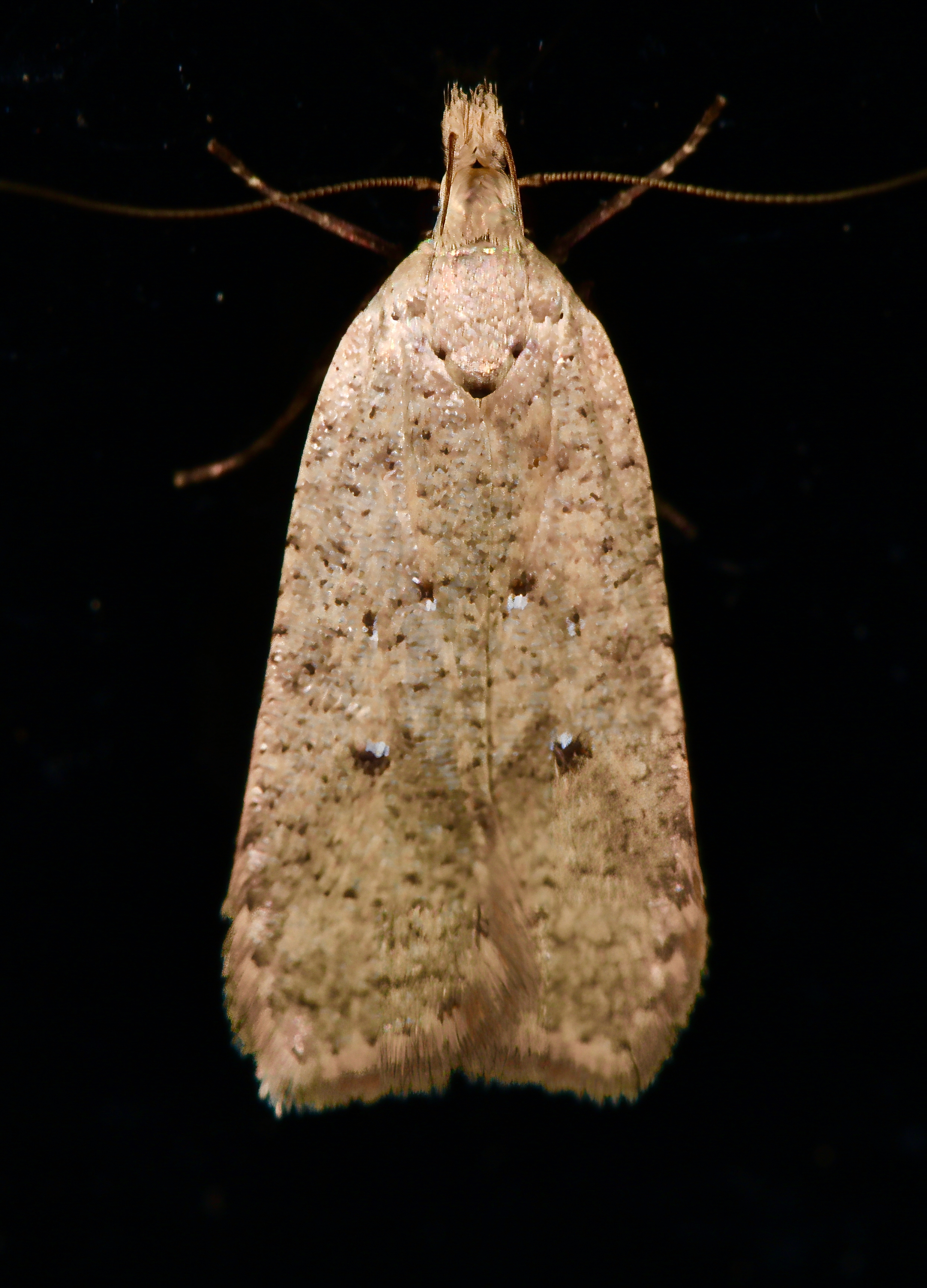
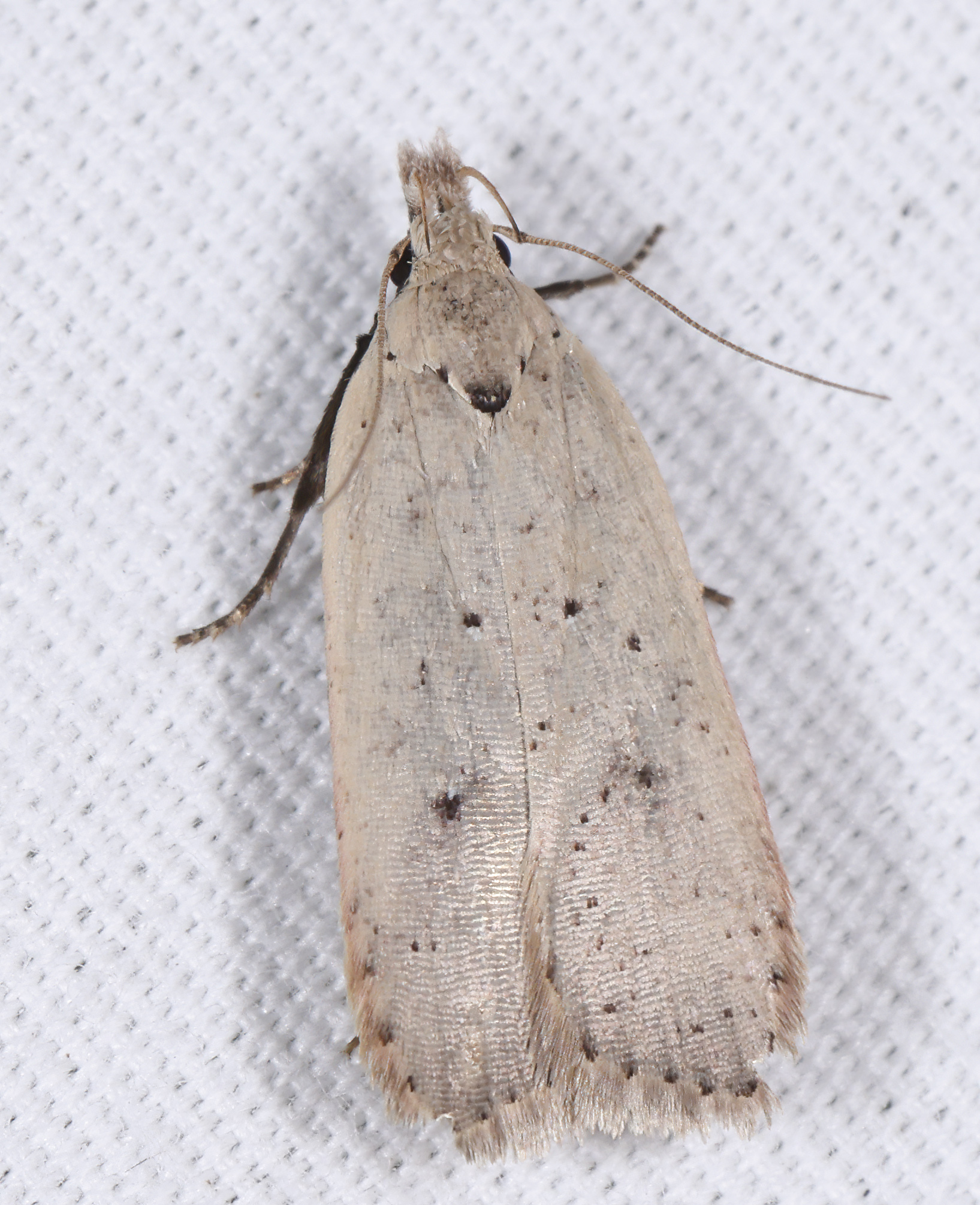
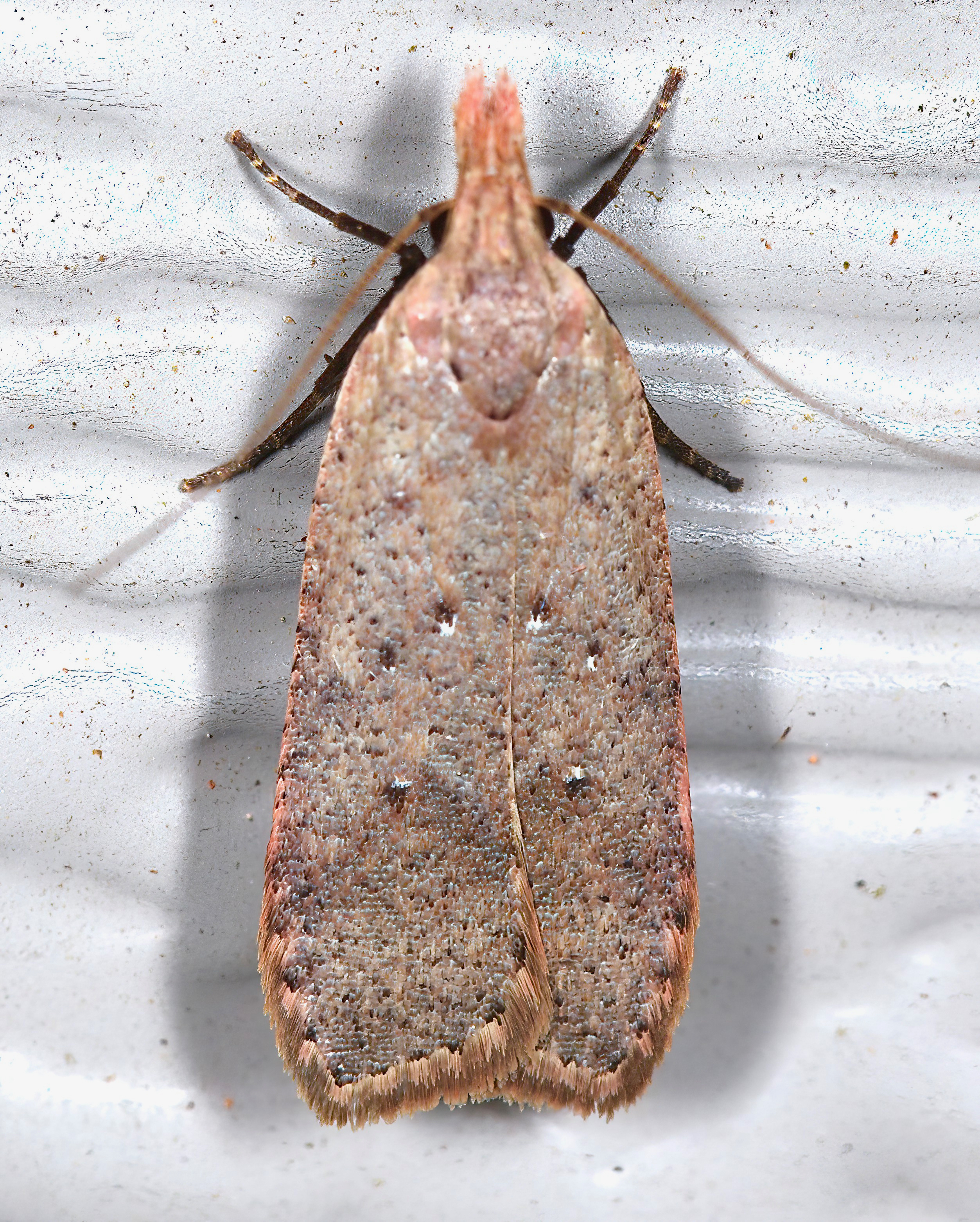
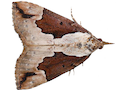
Adult Markings: Dichomeris ventrellus has a highly flattened body, with the labial palps, head, thorax and forewing more-or-less unicolorous and typically with a ground color that is yellowish-brown to reddish-brown. The thorax has three small dark-brown to blackish spots on the posterior margin – one at the apex, and the other two displaced to the sides. The forewing has numerous dark flecks, and there is a series of parallel, dark, antemedial, median, and postmedial (discal) dots. These sometimes run together into three diffuse darker bands (Forbes, 1923; Hodges, 1986). When paired, the dot closer to the inner margin is displaced more basally relative to the other spot. The median pair is margined with white scales on the distal margin, while the post-medial dot is margined with white scales on the proximal margin. The antemedial dots are often missing and represented as part of a diffuse line, while the postmedial typically consists of a single dot. The costal edge often has a pinkish margin, and there is a line of small dark dots that extend from the preapical region of the costa, backwards along the outer margin, then into the pre-tornal region of the inner margin. The hindwing is dark yellowish-gray and the legs are predominately dark above (Hodges, 1986).

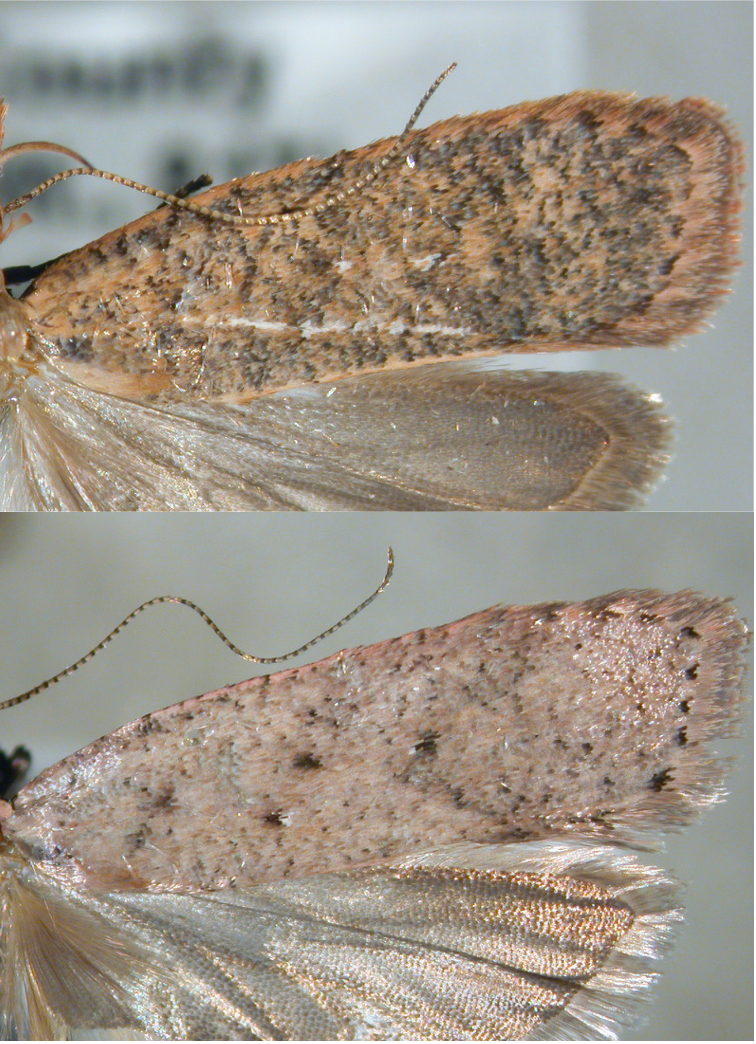
Dichomeris ventrellus is often confused with D. georgiella. Hodges (1986) noted that the dark spots of D. ventrellus are usually well-defined, while those of D. georgiella are not and are often missing. In addition, D. georgiella usually has a line of pale yellowish-gray scales on the fold of the forewing (see illustration above), and has the dorsal surface of the prothoracic tarsus blotched and with pale yellowish gray on the first two or three segments. In contrast, D. ventrellus lacks pale scales on the fold and has the first three segments of the tarsus dark brown. If needed, these two species can be easily distinguished using the male genitalia. Dichomeris ventrellus might also be confused with D. vacciniella, but in the latter the head and labial palps are darker than the thorax. Dichomeris vacciniella also usually has a forewing that is heavily dusted with dark scales in the subterminal region.
Wingspan: 7.1-10.3 mm (Hodges, 1986).
Adult Structural Features: Hodges (1986) has descriptions and illustrations of the male and female genitalia. Also, see images below for North Carolina specimens.
Genitalia and other structural photos
Adult ID Requirements: Identifiable from good quality photos of unworn specimens.
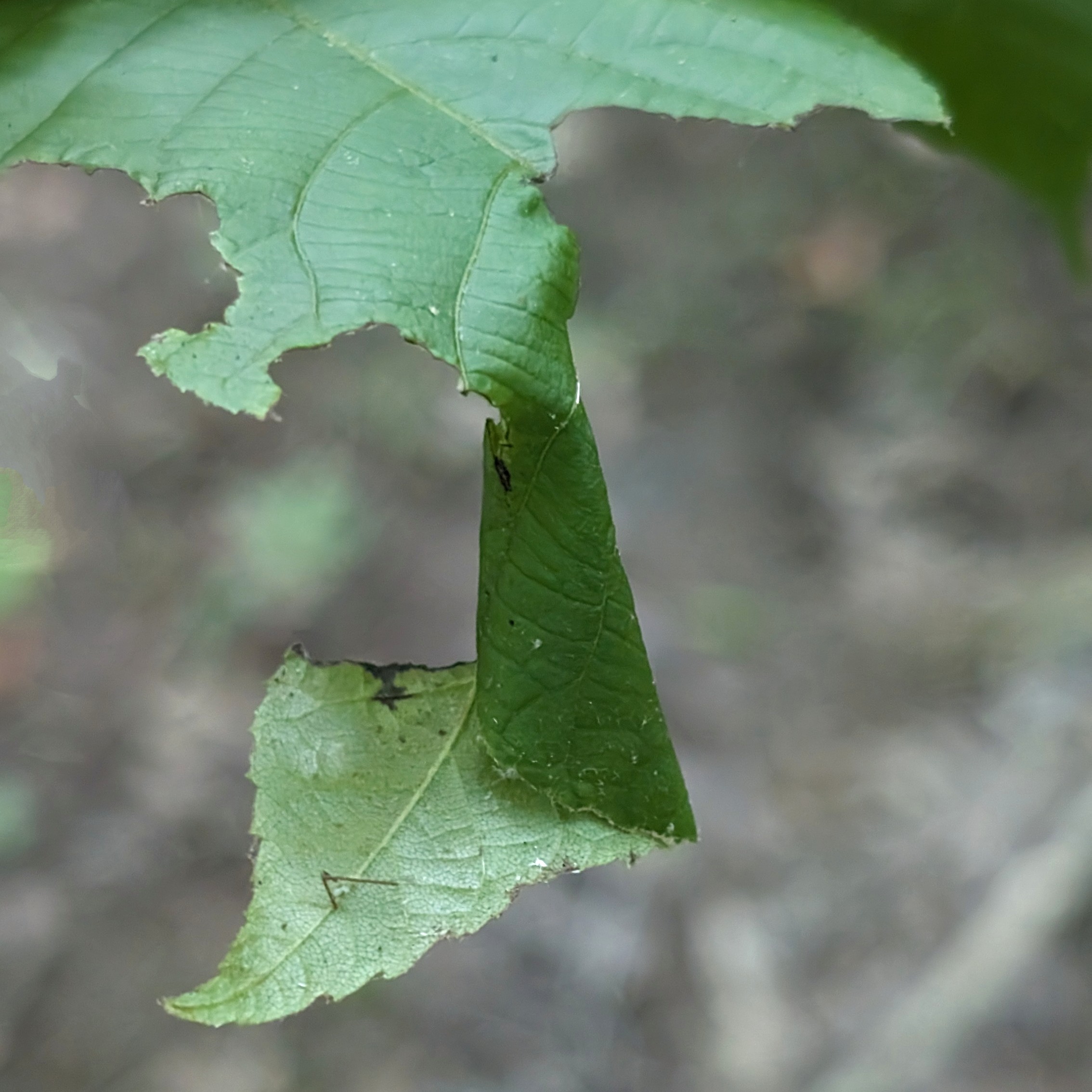
Immatures and Development: The larvae are leafrollers on hardwood trees and shrubs. Hodges (1986) reported that this species is univoltine and that larvae are present in leaf rolls during late-spring through early-summer. Pupation occurs in the leaf roll, with the pupal stage lasting about two weeks. These observations likely apply to northern populations, since southern ones appear to have two or more generations per year. Final-instar larvae that George Smiley found in Texas (BugGuide) had an amber-colored head and prothoracic shield, with the mesothorax, metathorax, and abdomen blackish-green with whitish, irregular, longitudinal stripes. The mesothorax, metathorax had a transverse row of blackish spots that were encircled with whitish scales, and the prothorax had a transverse white line on its posterior margin. Early instars (BOLD) are similar, but typically darker, and often with a black head and prothoracic shield (see BOLD specimens).
Larvae ID Requirements: Identifiable from good quality photos, especially where associated with known host plants.
Distribution in North Carolina
Distribution: Dichomeris ventrellus is widely distributed across most of the eastern US and in adjoining areas of southern Canada (Manitoba; Ontario; Quebec). The range in the US extends from Maine southward to central Florida and westward to central and southern Texas, Oklahoma, eastern Kansas, Missouri, Illinois and Wisconsin. As of 2025, our records are from all three physiographic provinces, but with the great majority from the Blue Ridge and eastern Piedmont.
County Map: Clicking on a county returns the records for the species in that county.
Dichomeris ventrellusAlamance Alexander Alleghany Anson Ashe Avery Beaufort Bertie Bladen Brunswick Buncombe Burke Cabarrus Caldwell Camden Carteret Caswell Catawba Chatham Cherokee Chowan Clay Cleveland Columbus Craven Cumberland Currituck Dare Davidson Davie Duplin Durham Edgecombe Forsyth Franklin Gaston Gates Graham Granville Greene Guilford Halifax Harnett Haywood Henderson Hertford Hoke Hyde Iredell Jackson Johnston Jones Lee Lenoir Lincoln Macon Madison Martin McDowell Mecklenburg Mitchell Montgomery Moore Nash New Hanover Northampton Onslow Orange Pamlico Pasquotank Pender Perquimans Person Pitt Polk Randolph Richmond Robeson Rockingham Rowan Rutherford Sampson Scotland Stanly Stokes Surry Swain Transylvania Tyrrell Union Vance Wake Warren Washington Watauga Wayne Wilkes Wilson Yadkin Yancey
Flight Dates:
 High Mountains (HM) ≥ 4,000 ft.
 Low Mountains (LM) < 4,000 ft.
 Piedmont (Pd)
 Coastal Plain (CP)

Click on graph to enlarge
Image showing flight dates by month for High Mountains greater than 4,000 feet, Low Mountains, Piedmont, and Coastal Plain: adults.
Immature Dates:
 High Mountains (HM) ≥ 4,000 ft.
 Low Mountains (LM) < 4,000 ft.
 Piedmont (Pd)
 Coastal Plain (CP)

Click on graph to enlarge
Image showing flight dates by month for High Mountains greater than 4,000 feet, Low Mountains, Piedmont, and Coastal Plain: immatures.
Flight Comments: The adults have been documented during every month of the year in Florida and during all but the coldest months in Alabama and Mississippi. Farther north they mostly fly from March through August. As of 2025, our records extend from mid-March through mid-December. Hodge (1986) reported that this species is univoltine, but that was likely based on studies of northern populations. Our phenology graphs suggest that there can be two to three broods per year in North Carolina.
Habitats and Life History
Habitats:
Larval Host Plants: The larvae are leaf-rollers of several species of hardwood trees and shrubs. Hodges (1986) noted that D. ventrellus and D. georgiella have been misidentified frequently and cautioned about citing rearing records from the literature when voucher specimens are not present. He reported this species to use birch (Betula), ironwood (Ostrya), chestnut (Castanea), hazel (Corylus), hickories (Carya), and oaks (Quercus). In North Carolina, we have reared a larva from a leaf-roll on hickory. - View
Observation Methods: The adults are attracted to lights and will come to sugar bait.
Wikipedia
Status in North Carolina
Natural Heritage Program Status:
Natural Heritage Program Ranks: GNR S3S4
State Protection:
Comments:

 Photo Gallery for Dichomeris ventrellus - None

47 photos are available. Only the most recent 30 are shown.
Dichomeris ventrellus
Recorded by: Jim Petranka on 2025-11-05
Madison Co.
Comment:
Dichomeris ventrellus
Recorded by: Jim Petranka on 2025-09-20
Madison Co.
Comment:
Dichomeris ventrellus
Recorded by: Jim Petranka on 2025-09-20
Madison Co.
Comment:
Dichomeris ventrellus
Recorded by: Jim Petranka, Mark Basinger and Becky Elkin on 2025-06-29
Richmond Co.
Comment:
Dichomeris ventrellus
Recorded by: David George, Jeff Niznik on 2025-05-24
Richmond Co.
Comment:
Dichomeris ventrellus
Recorded by: Jim Petranka on 2025-03-28
Madison Co.
Comment:
Dichomeris ventrellus
Recorded by: Jim Petranka on 2025-03-13
Madison Co.
Comment:
Dichomeris ventrellus
Recorded by: John Petranka on 2024-12-17
Orange Co.
Comment:
Dichomeris ventrellus
Recorded by: Jim Petranka on 2024-11-01
Madison Co.
Comment:
Dichomeris ventrellus
Recorded by: Jim Petranka on 2024-10-31
Madison Co.
Comment:
Dichomeris ventrellus
Recorded by: David George, Jeff Niznik on 2024-08-05
Transylvania Co.
Comment:
Dichomeris ventrellus
Recorded by: Jim Petranka on 2024-07-26
Madison Co.
Comment:
Dichomeris ventrellus
Recorded by: Jeff Niznik, David George on 2024-06-11
Durham Co.
Comment:
Dichomeris ventrellus
Recorded by: Jeff Niznik, David George on 2024-06-11
Durham Co.
Comment: A pupa was within this rolled Hickory leaf; adult emerged on 2024-06-11 (see companion photo of the adult).
Dichomeris ventrellus
Recorded by: Jim Petranka on 2024-05-02
Madison Co.
Comment:
Dichomeris ventrellus
Recorded by: Jim Petranka on 2024-04-19
Madison Co.
Comment:
Dichomeris ventrellus
Recorded by: Jim Petranka on 2024-04-02
Madison Co.
Comment:
Dichomeris ventrellus
Recorded by: David George, Jeff Niznik on 2024-04-01
Chatham Co.
Comment:
Dichomeris ventrellus
Recorded by: Jim Petranka on 2024-04-01
Madison Co.
Comment:
Dichomeris ventrellus
Recorded by: Jim Petranka on 2023-10-28
Madison Co.
Comment:
Dichomeris ventrellus
Recorded by: Jeff Niznik on 2023-09-29
Harnett Co.
Comment:
Dichomeris ventrellus
Recorded by: Jeff Niznik on 2023-09-29
Harnett Co.
Comment:
Dichomeris ventrellus
Recorded by: Jim Petranka on 2023-09-23
Madison Co.
Comment:
Dichomeris ventrellus
Recorded by: David George, Stephen Dunn, Jeff Niznik on 2023-07-31
Swain Co.
Comment:
Dichomeris ventrellus
Recorded by: Jim Petranka on 2023-03-24
Madison Co.
Comment:
Dichomeris ventrellus
Recorded by: tom ward on 2023-03-23
Buncombe Co.
Comment:
Dichomeris ventrellus
Recorded by: Jim Petranka on 2022-10-24
Madison Co.
Comment:
Dichomeris ventrellus
Recorded by: Jim Petranka on 2022-07-10
Madison Co.
Comment:
Dichomeris ventrellus
Recorded by: Jim Petranka on 2022-06-21
Madison Co.
Comment:
Dichomeris ventrellus
Recorded by: Stephen Hall and Bo Sullivan on 2021-09-14
Ashe Co.
Comment: