Moths of North Carolina
Scientific Name:
Common Name:
Family (Alpha):
« Home »
View PDFCossidae Members: Prionoxystus Members: 44 NC Records

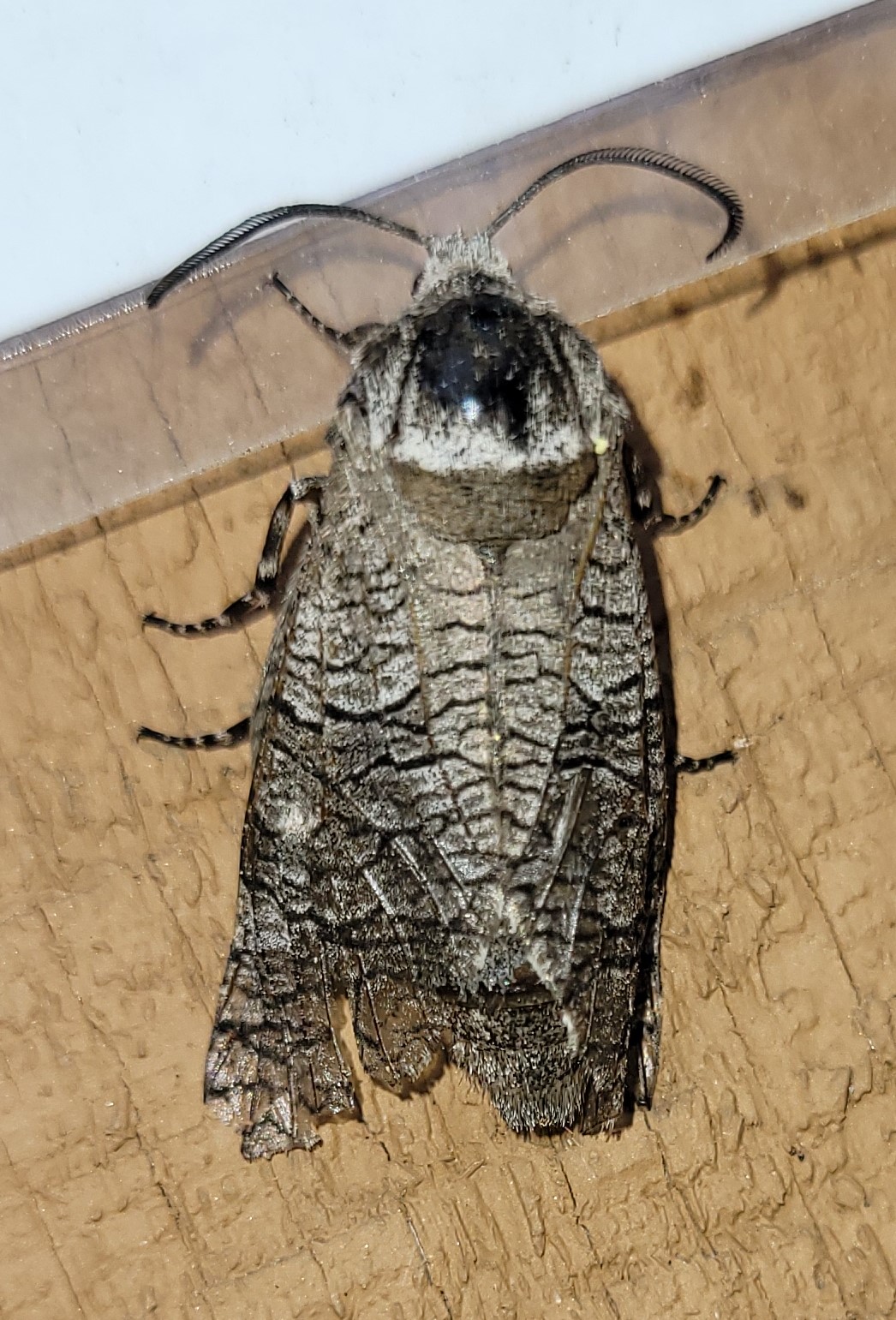
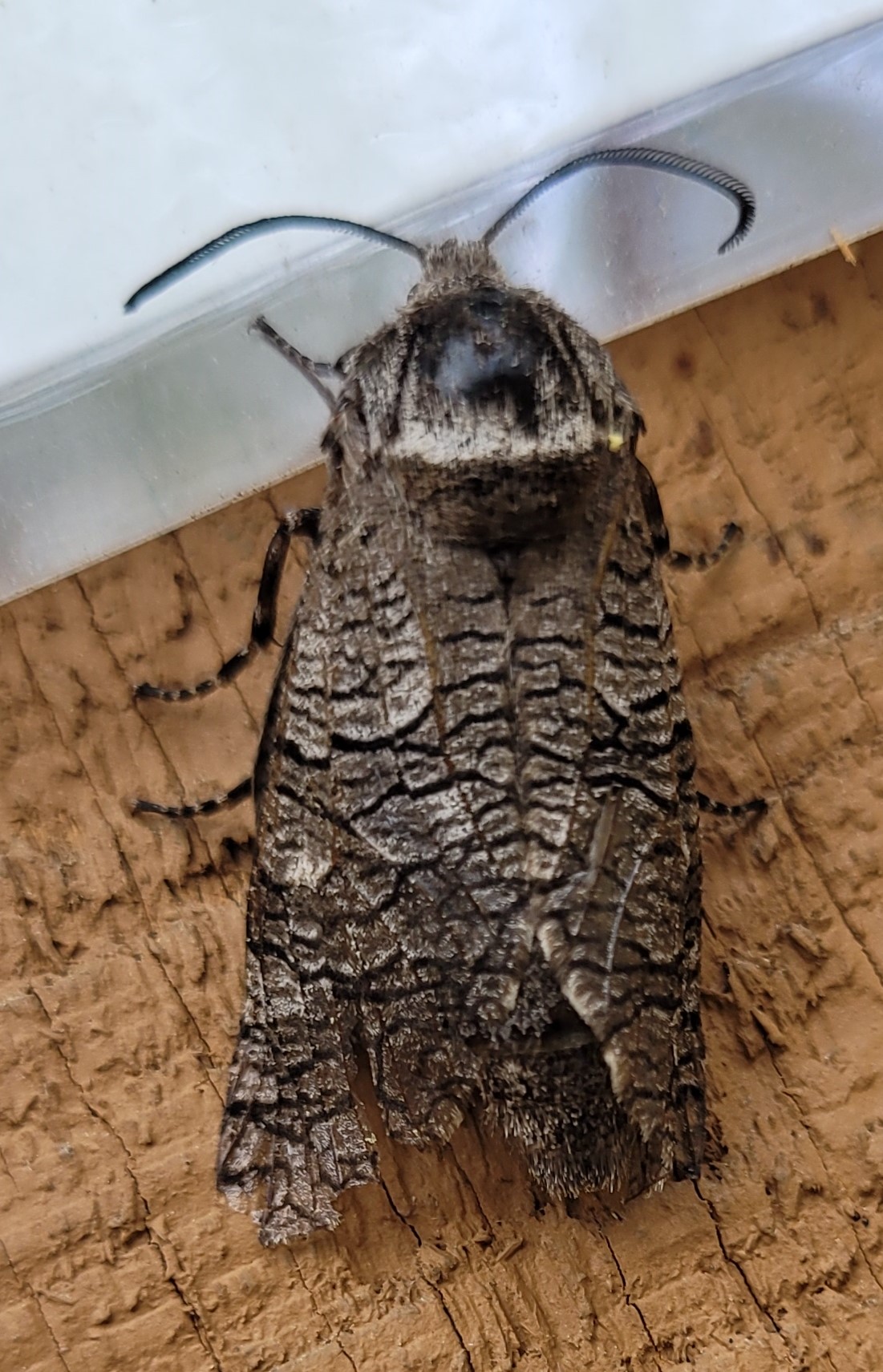
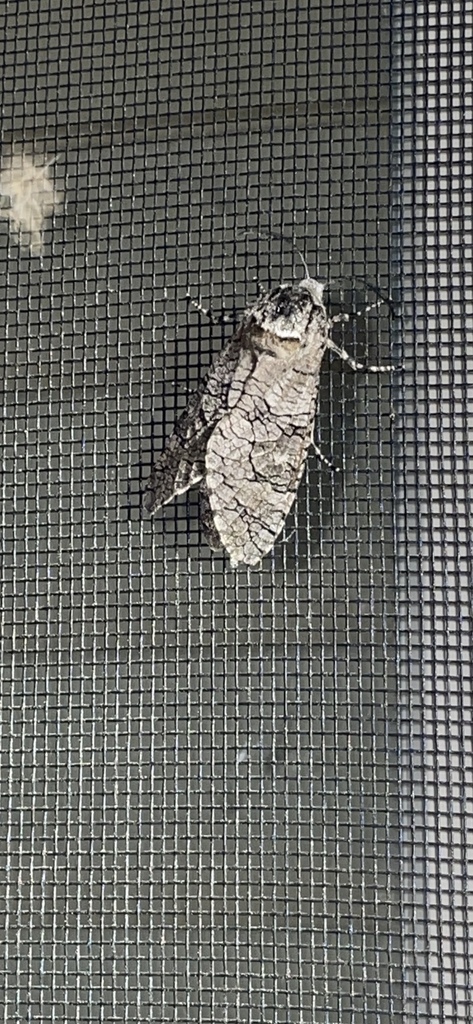
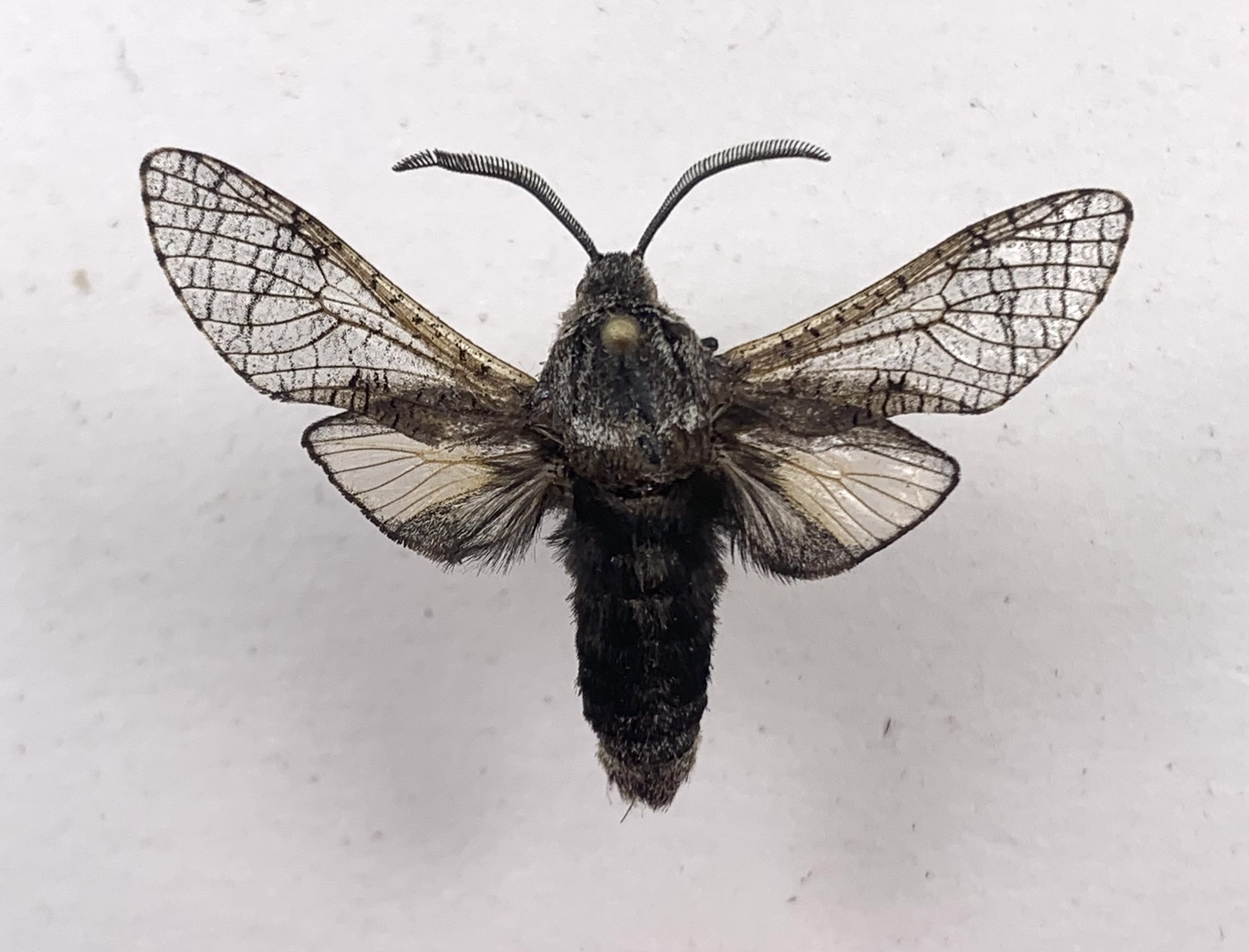
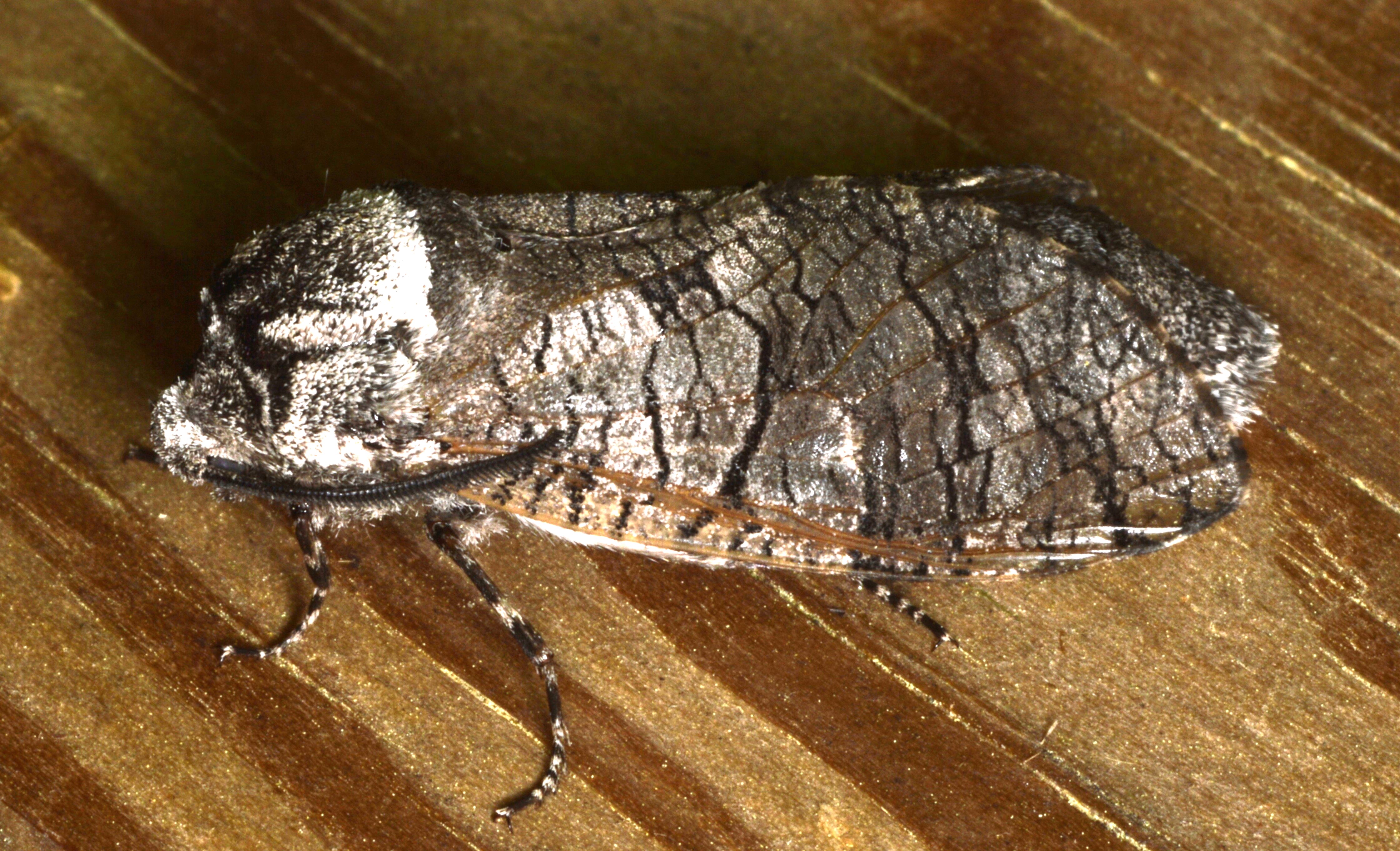
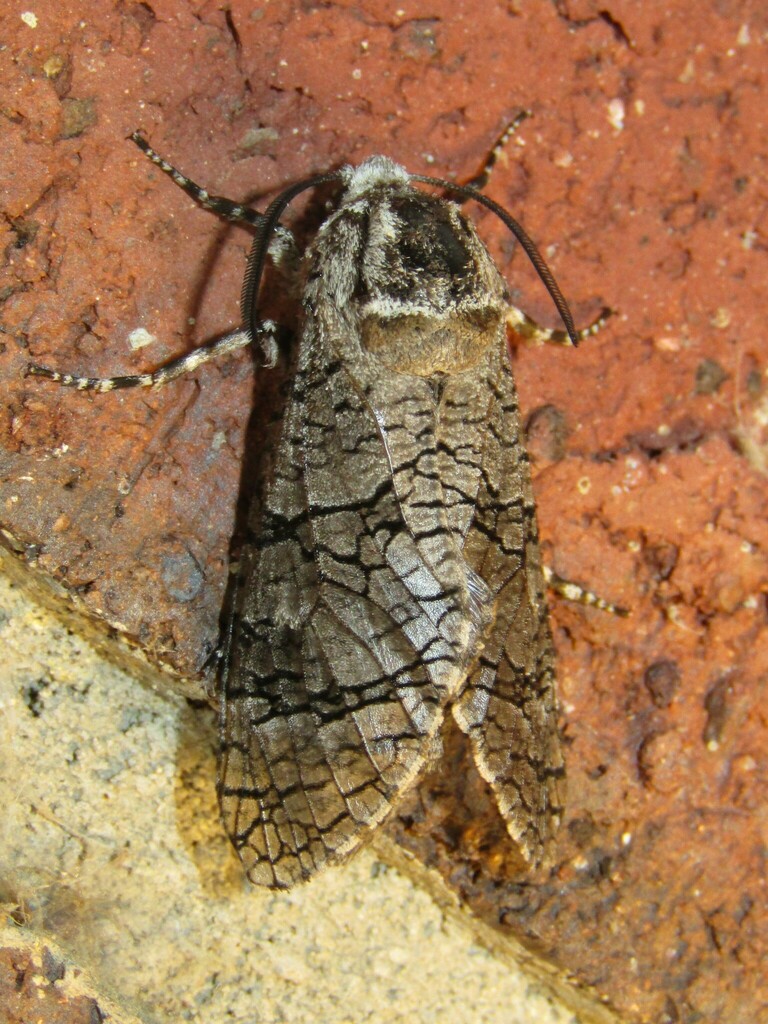
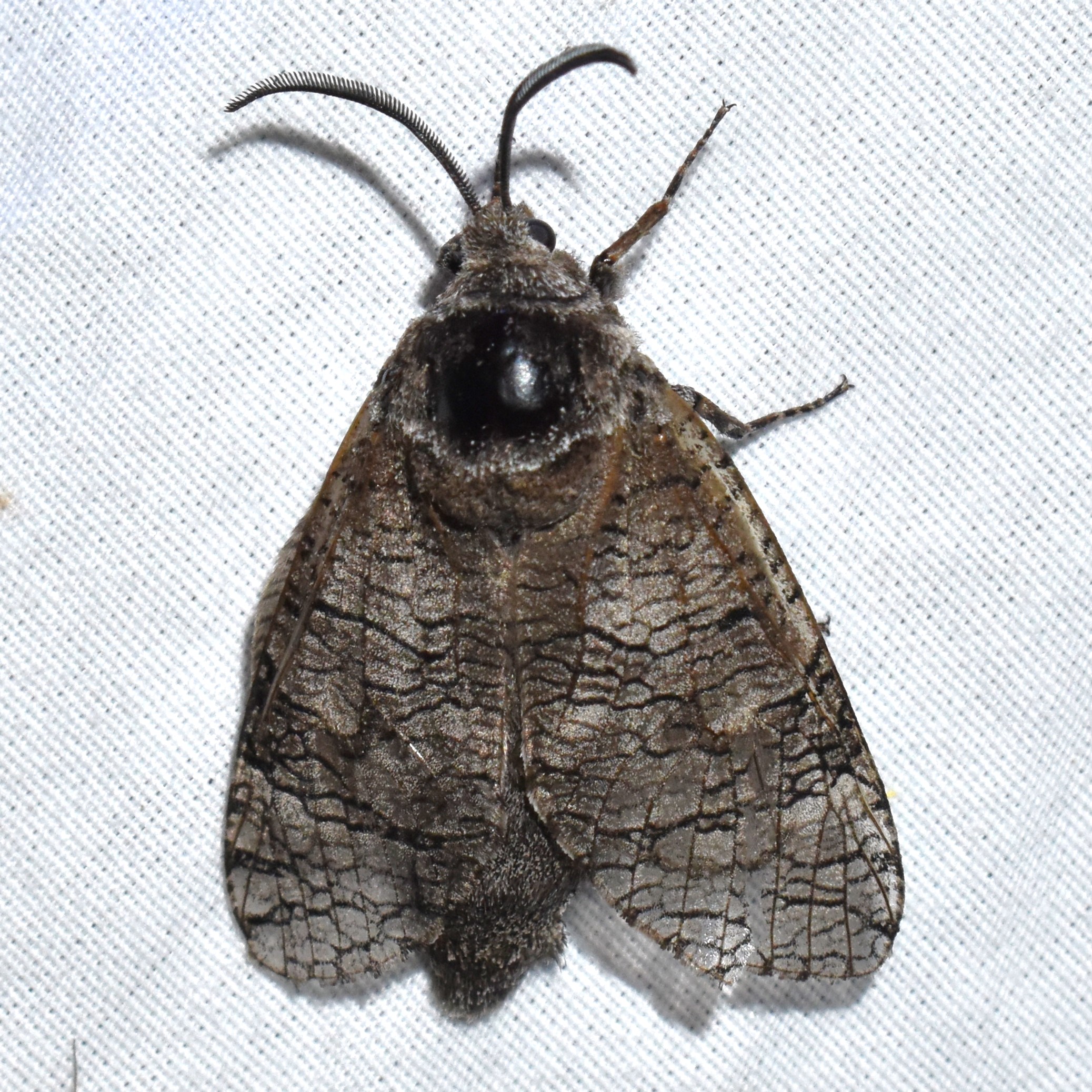
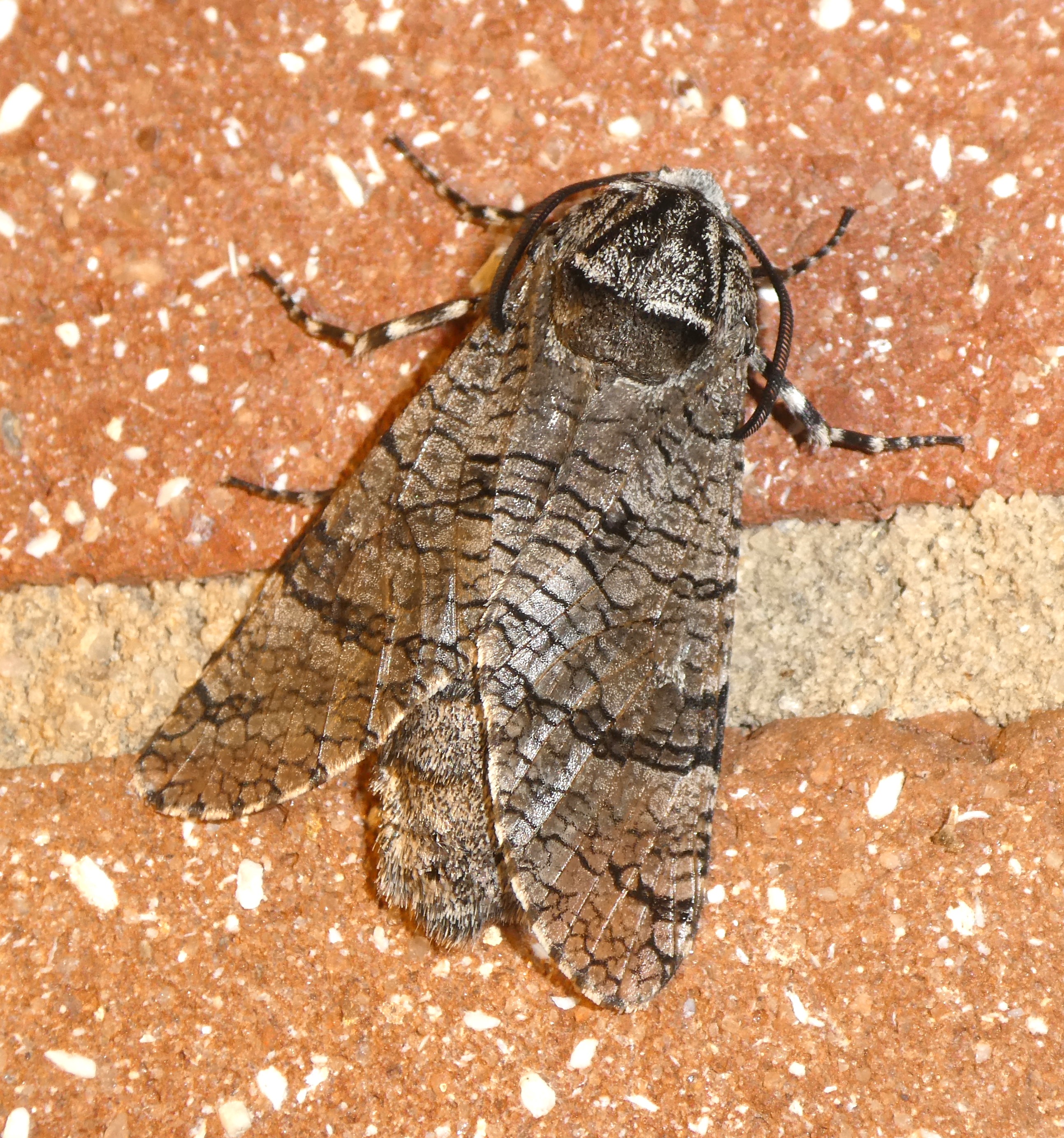
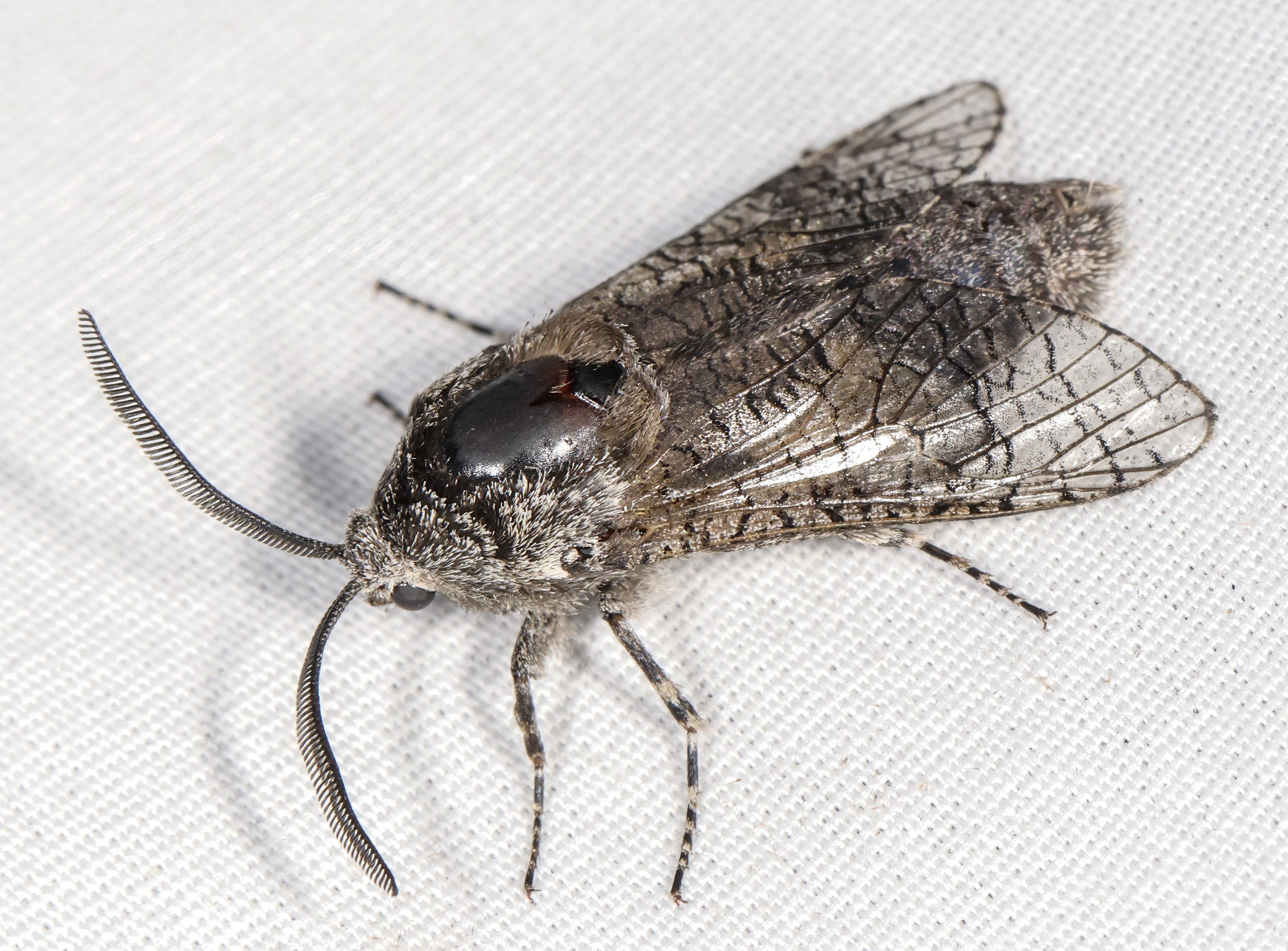
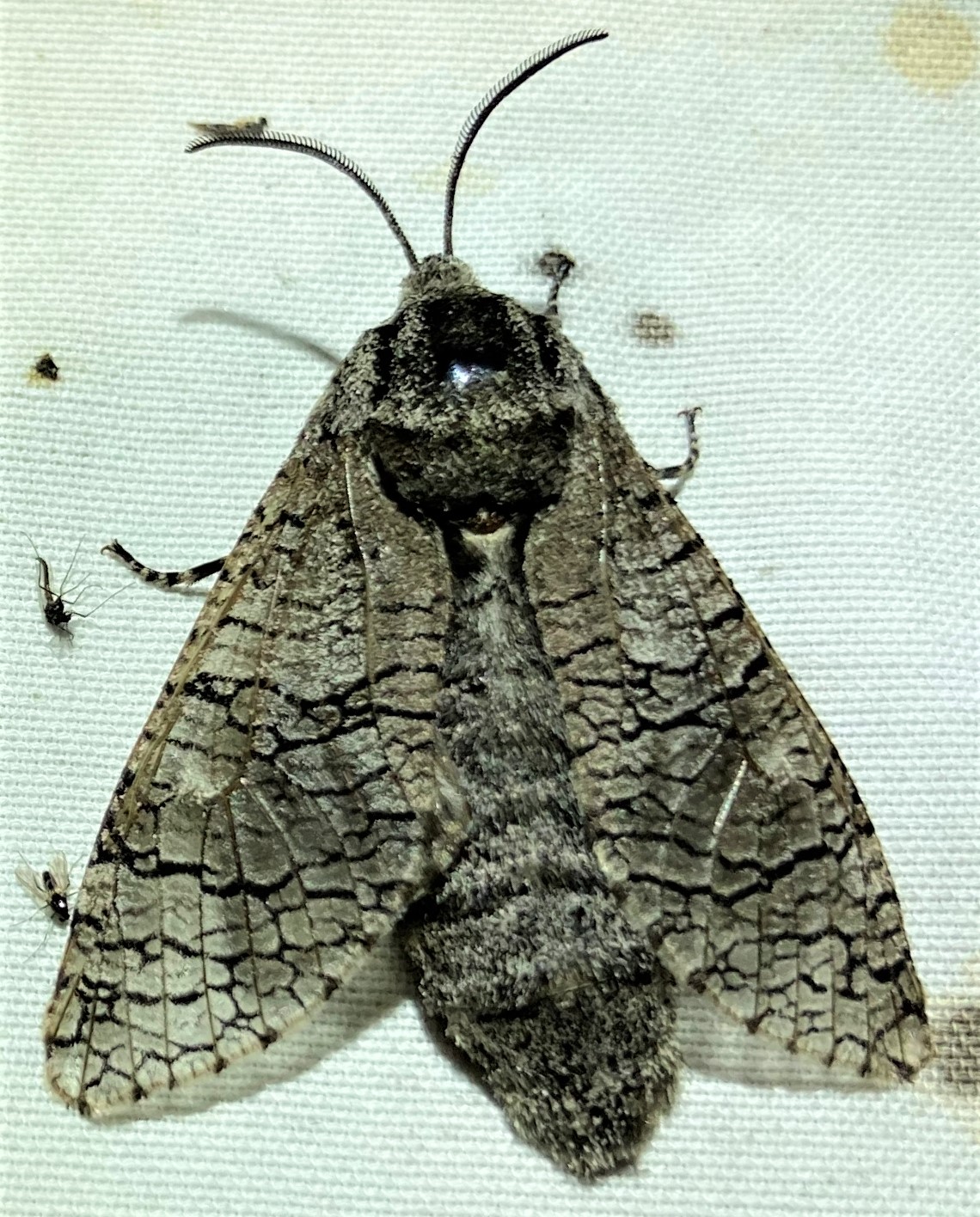
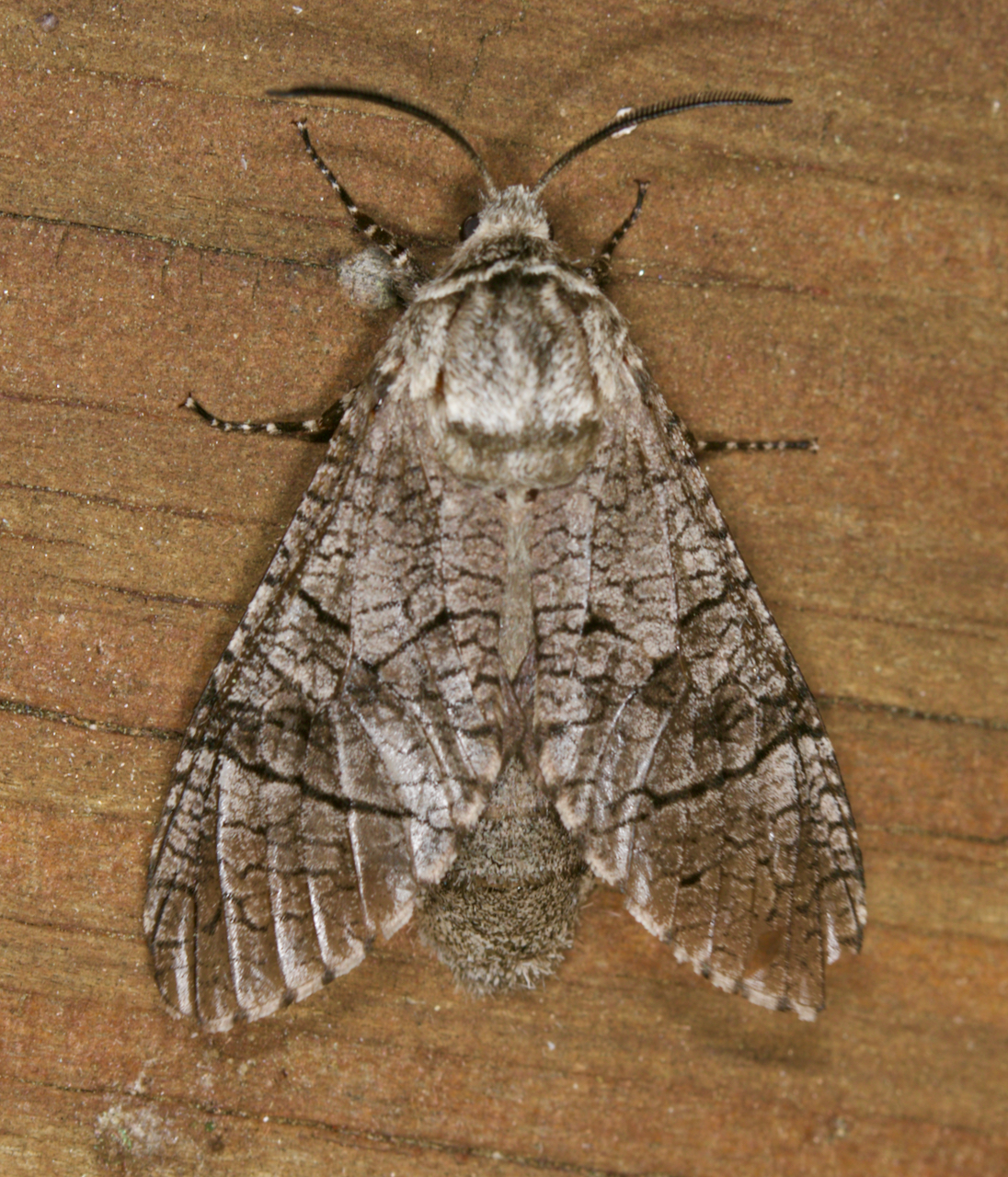
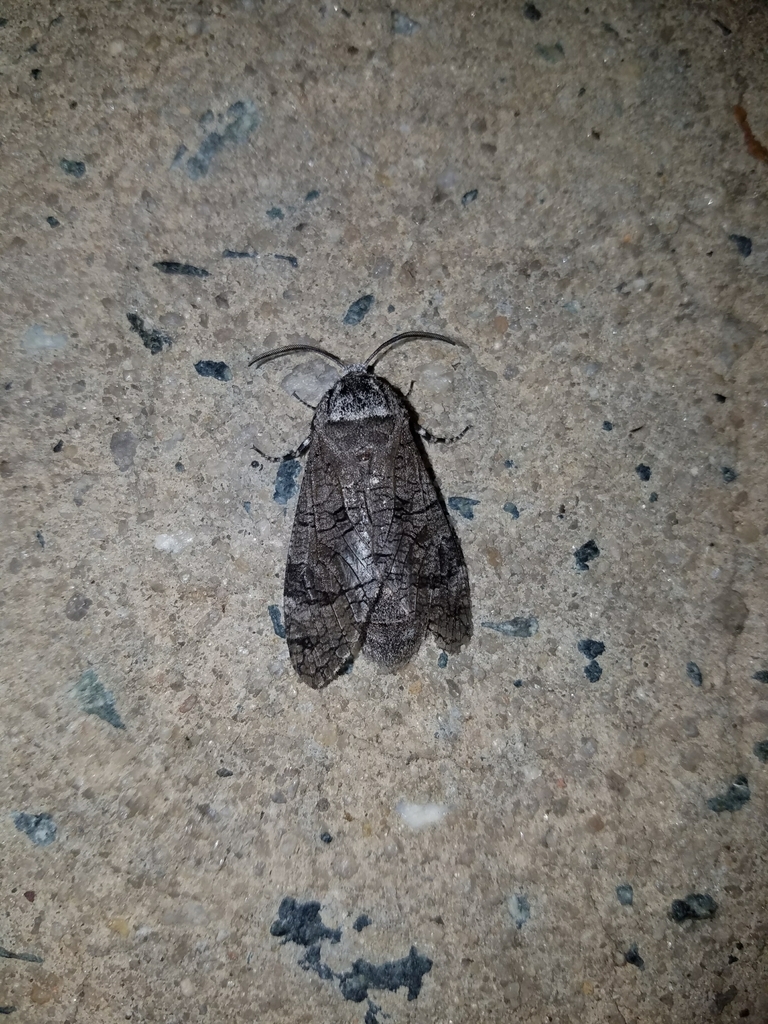
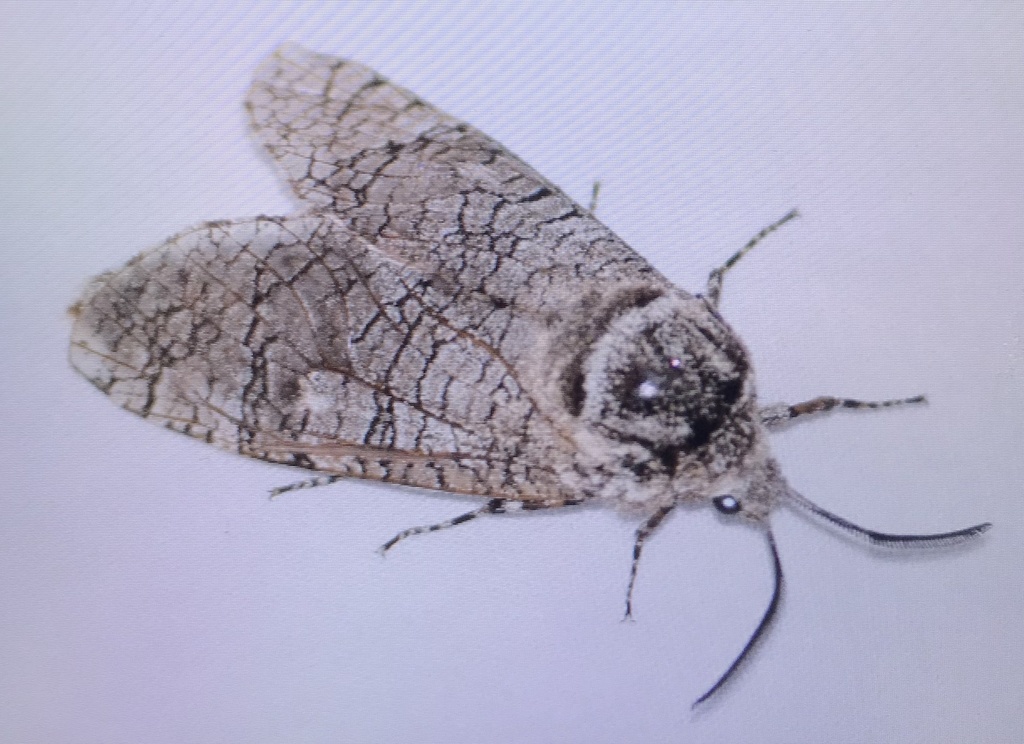
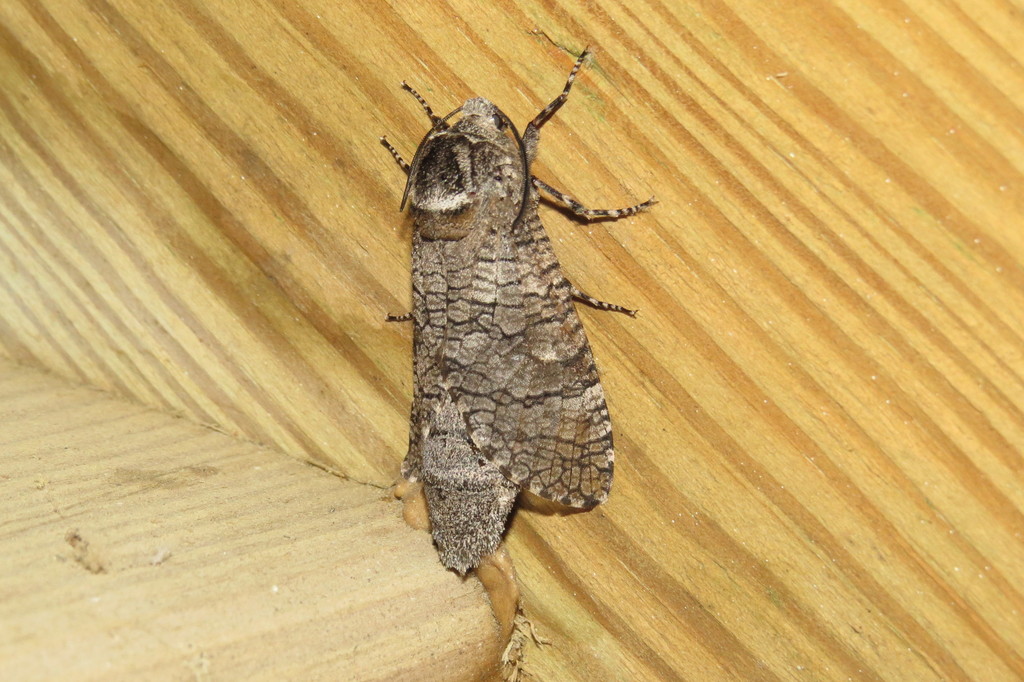
Prionoxystus macmurtrei (Guérin-Méneville, 1829) - Little Carpenterworm Moth


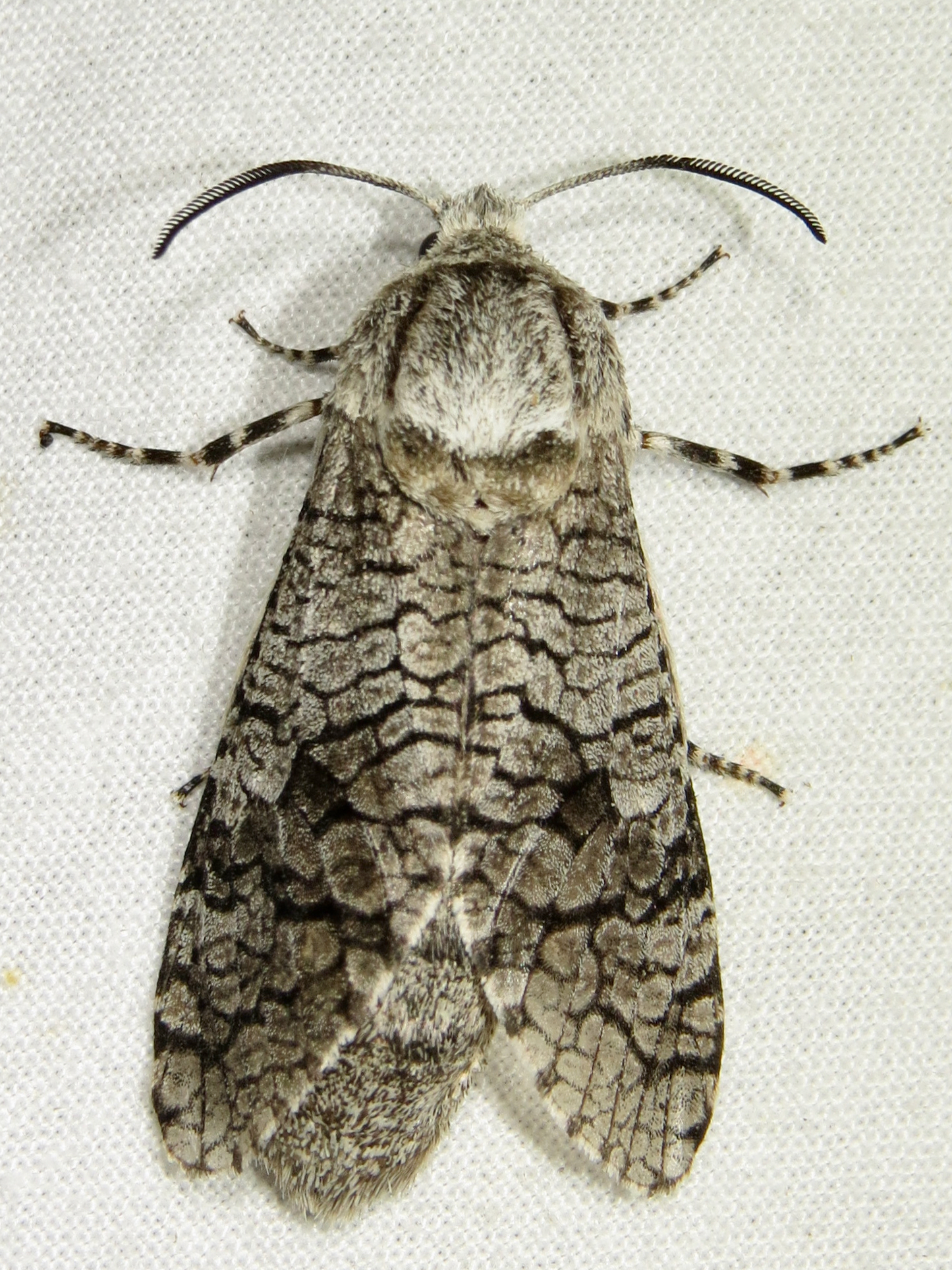
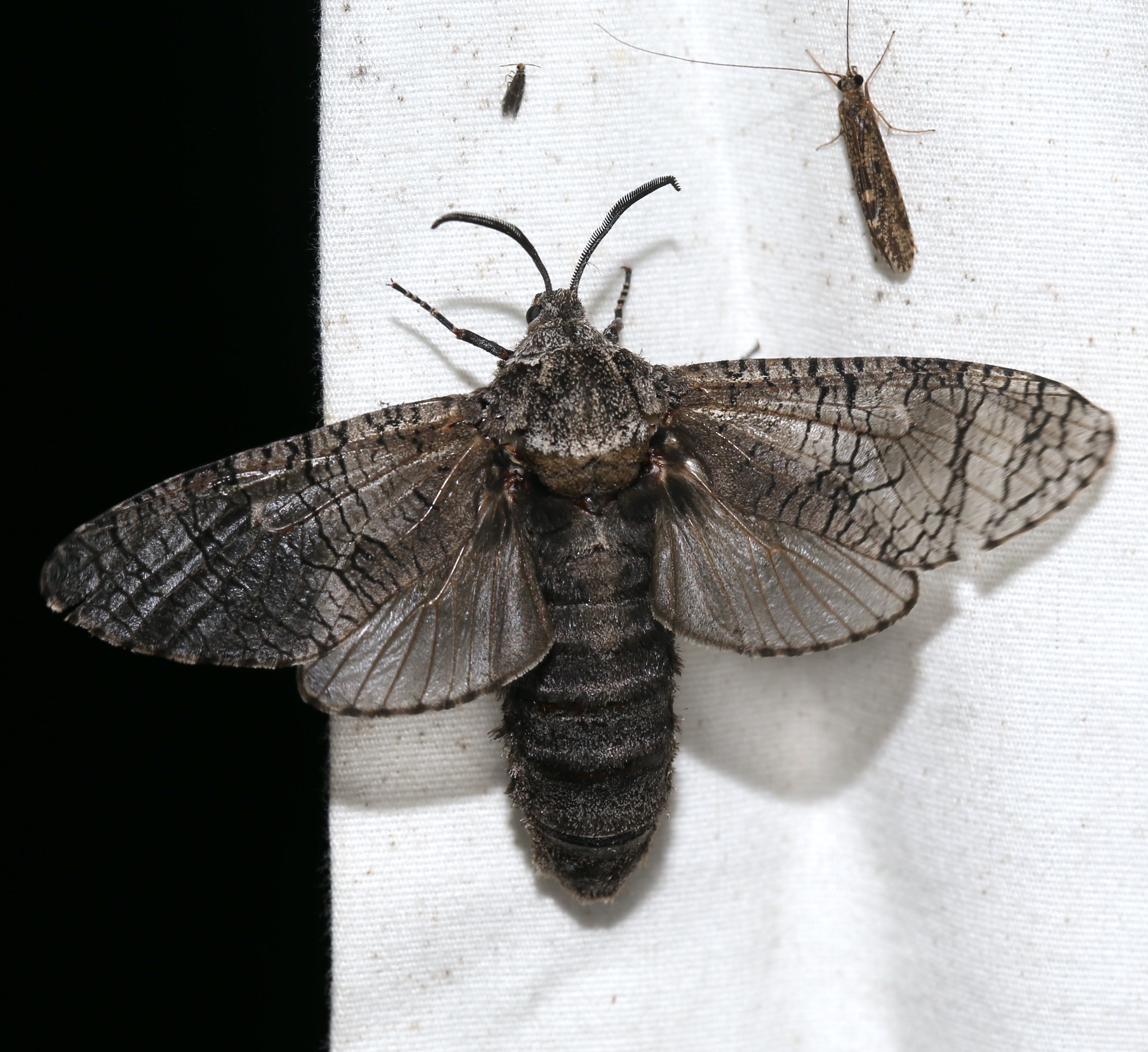
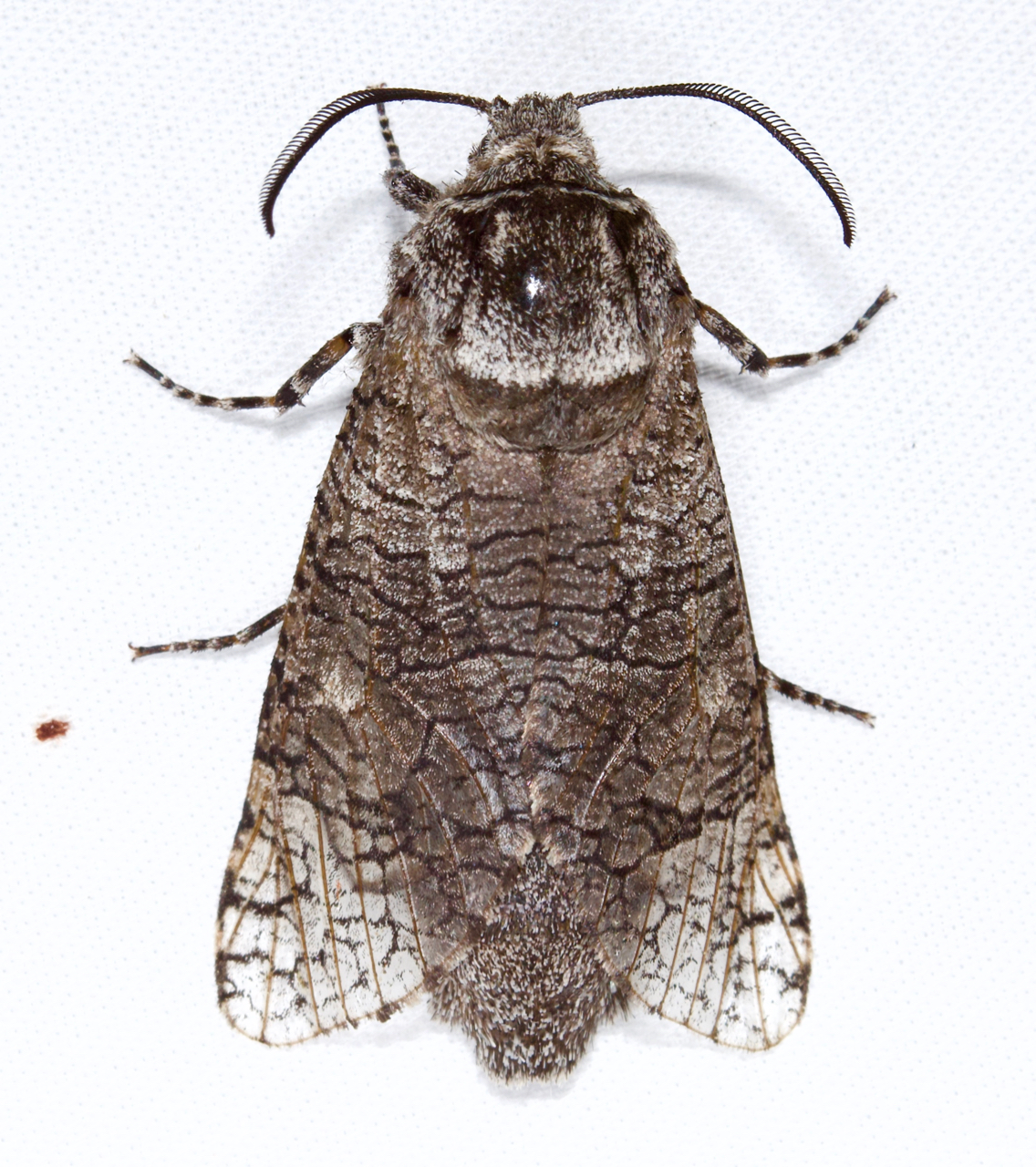
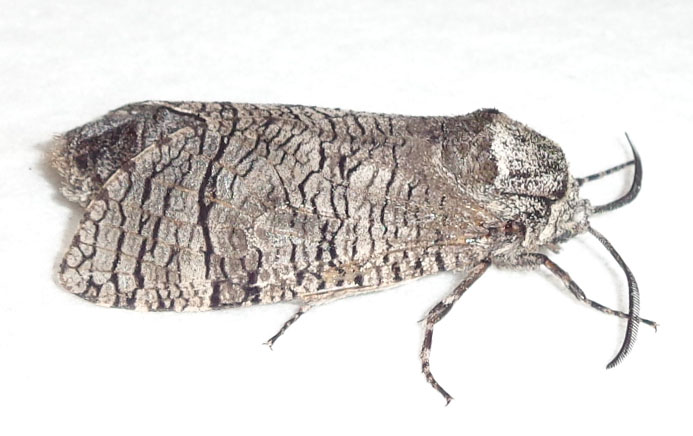
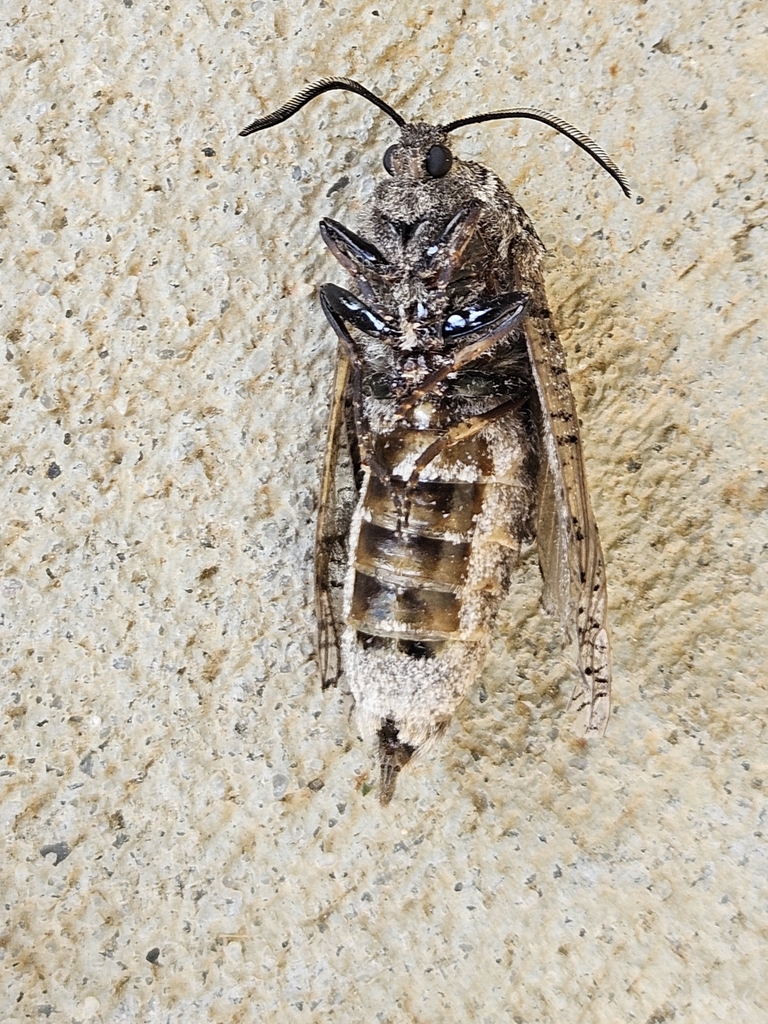
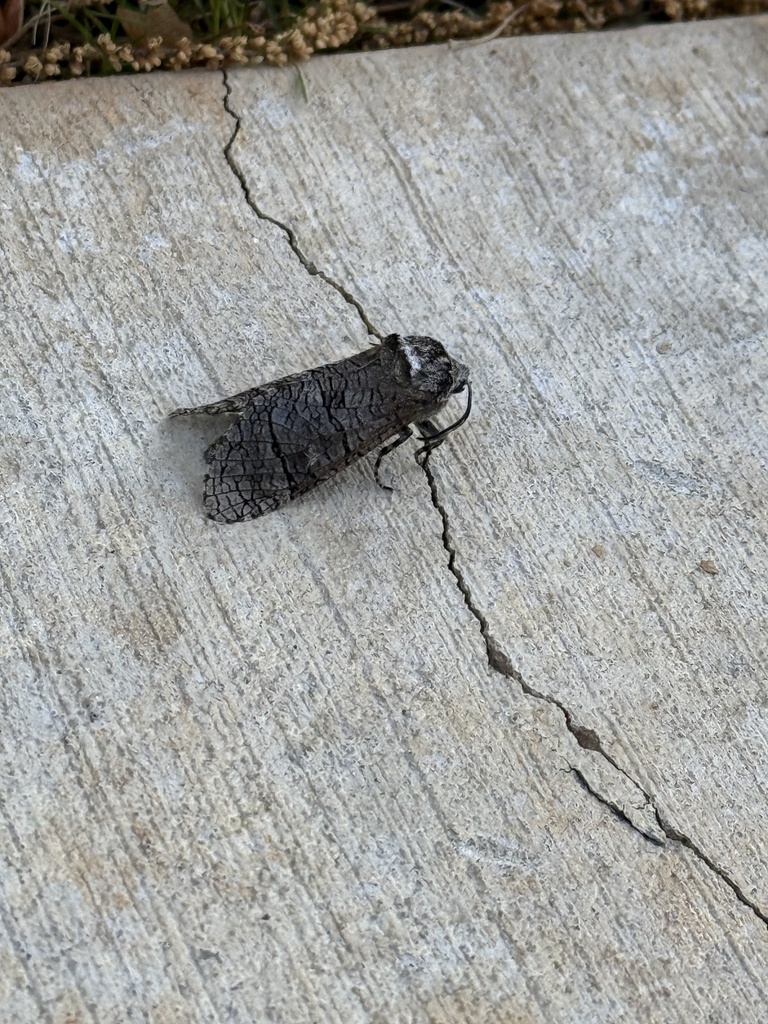
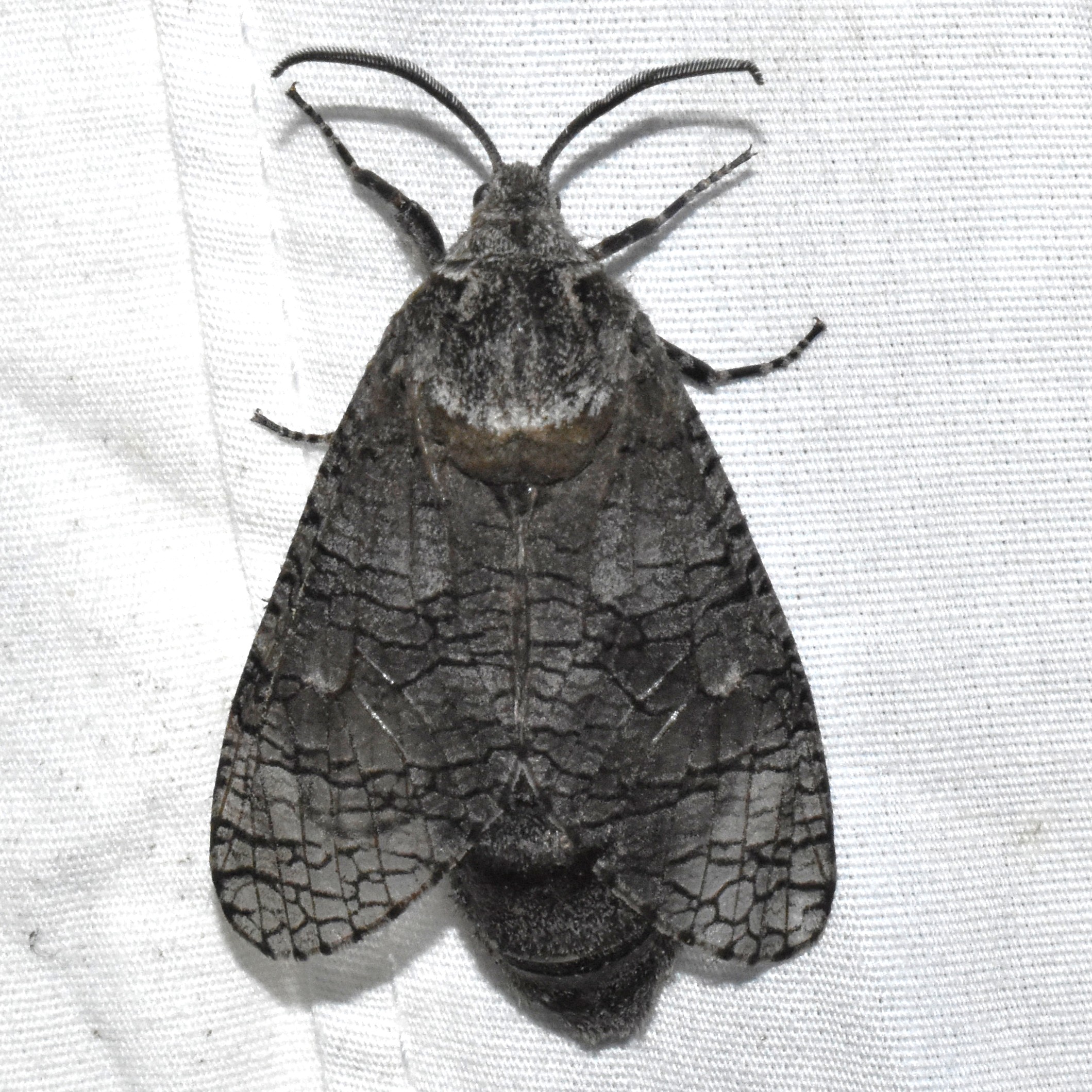
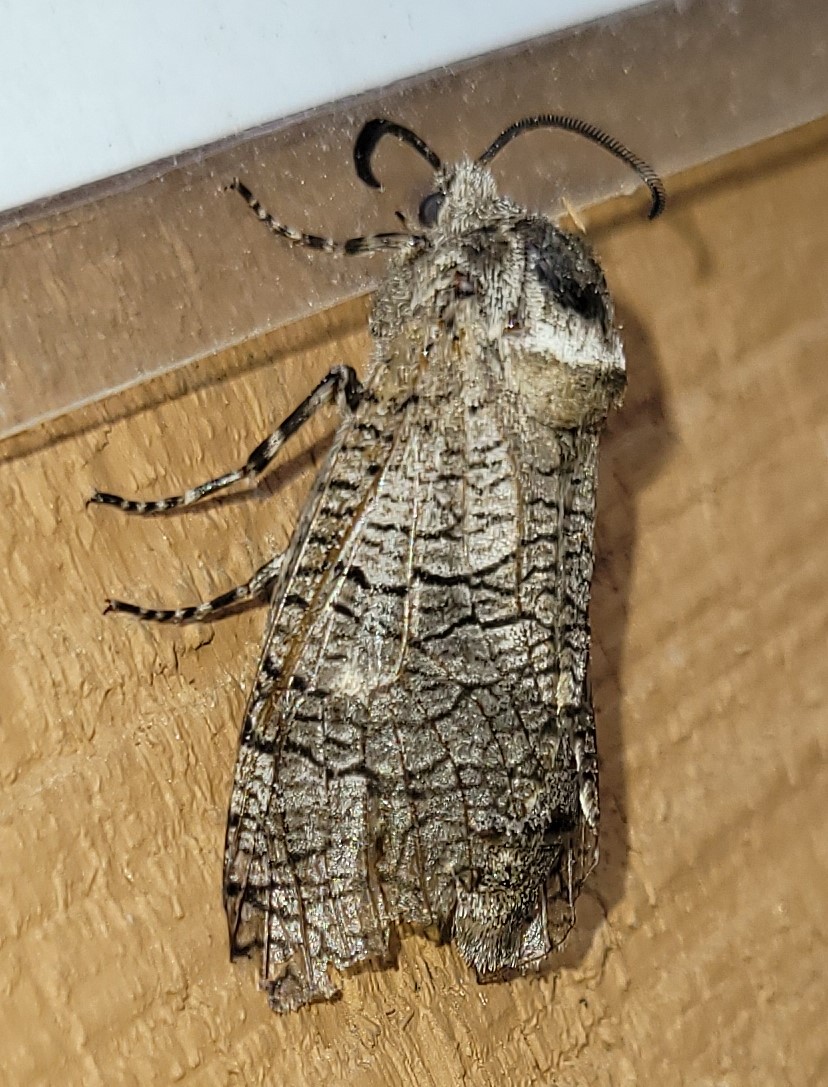
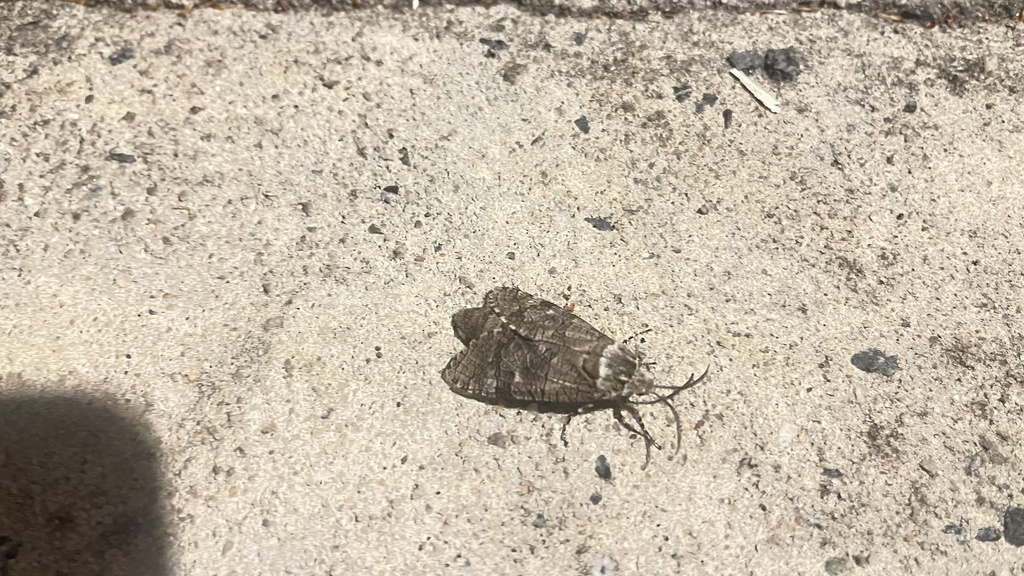
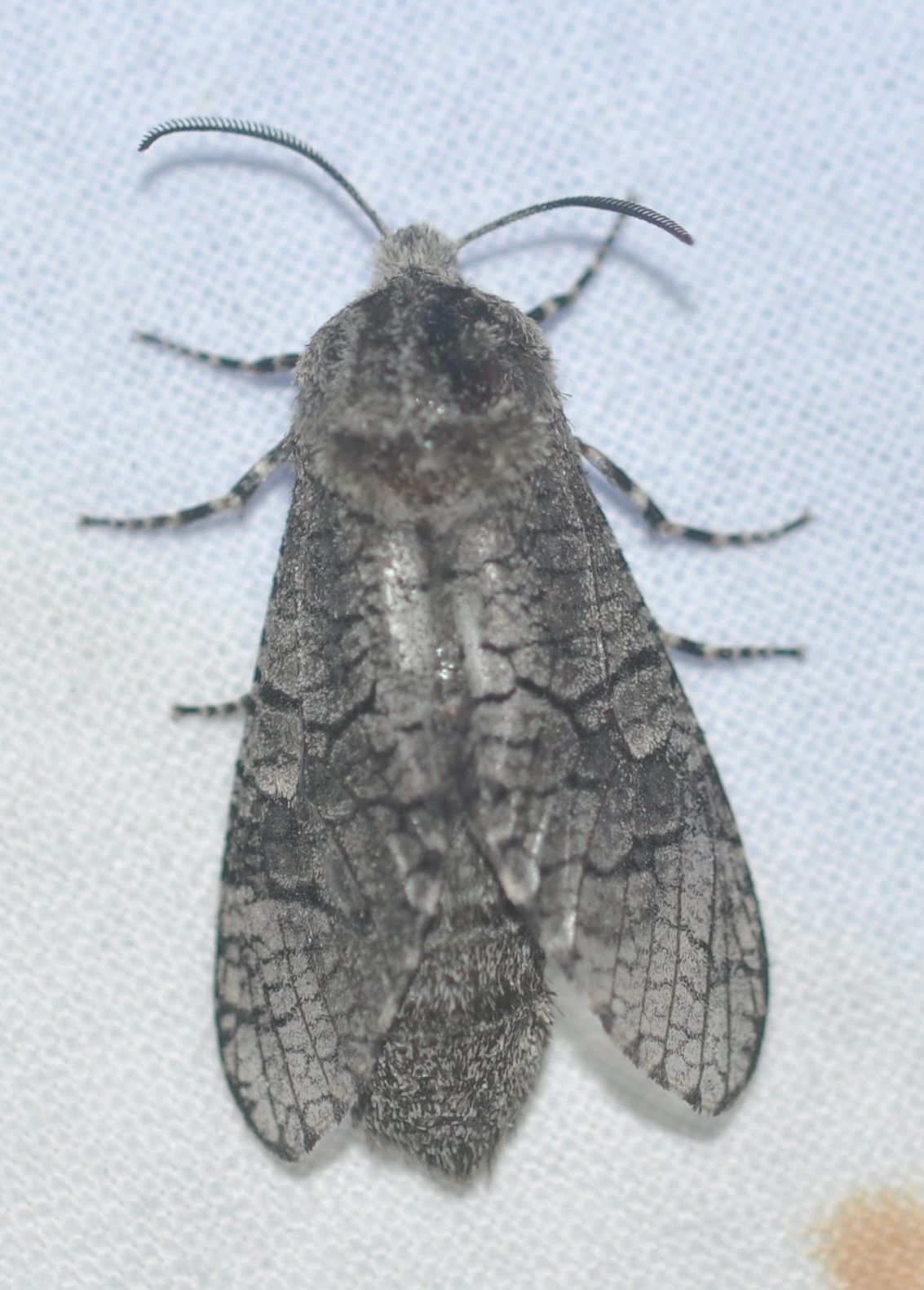
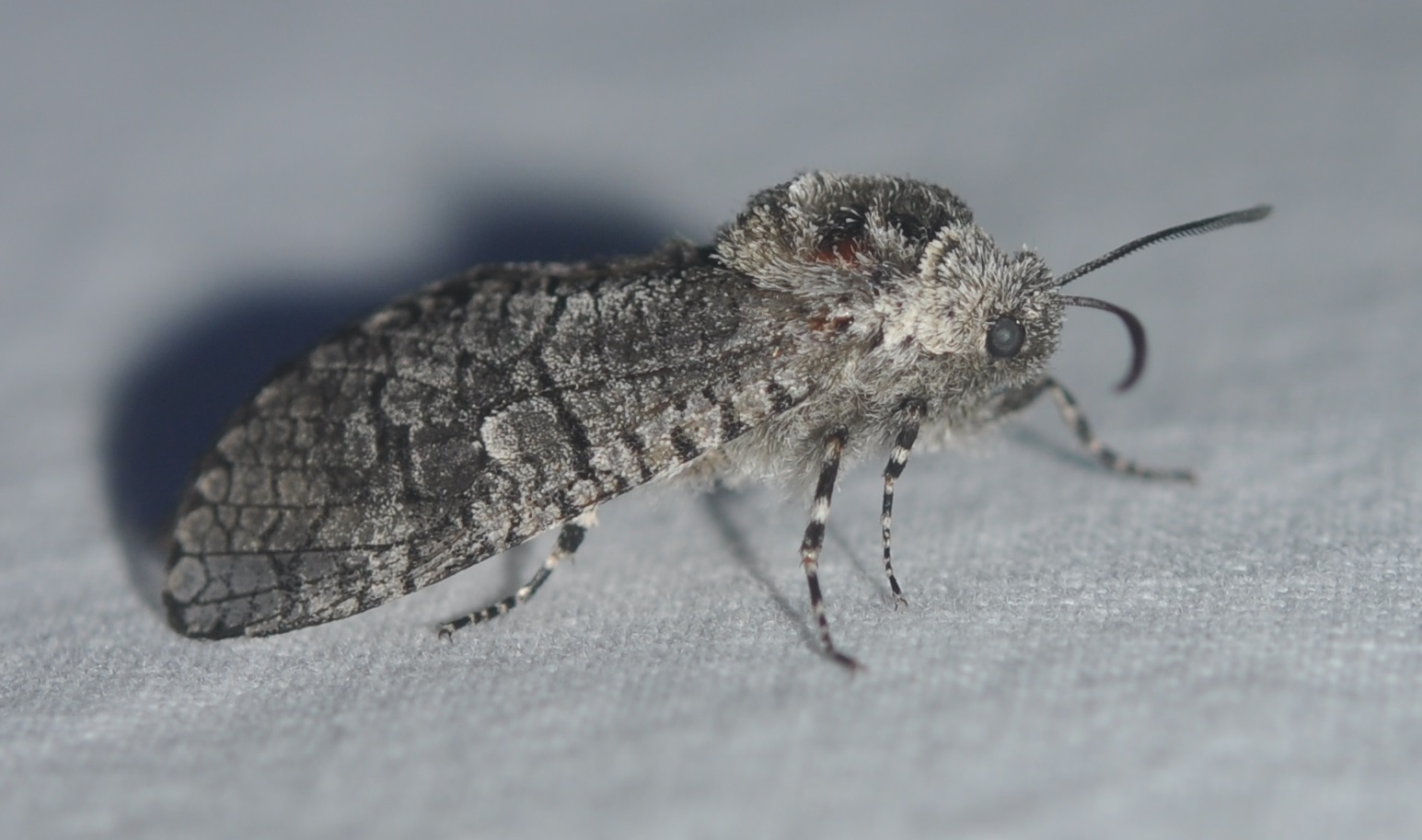
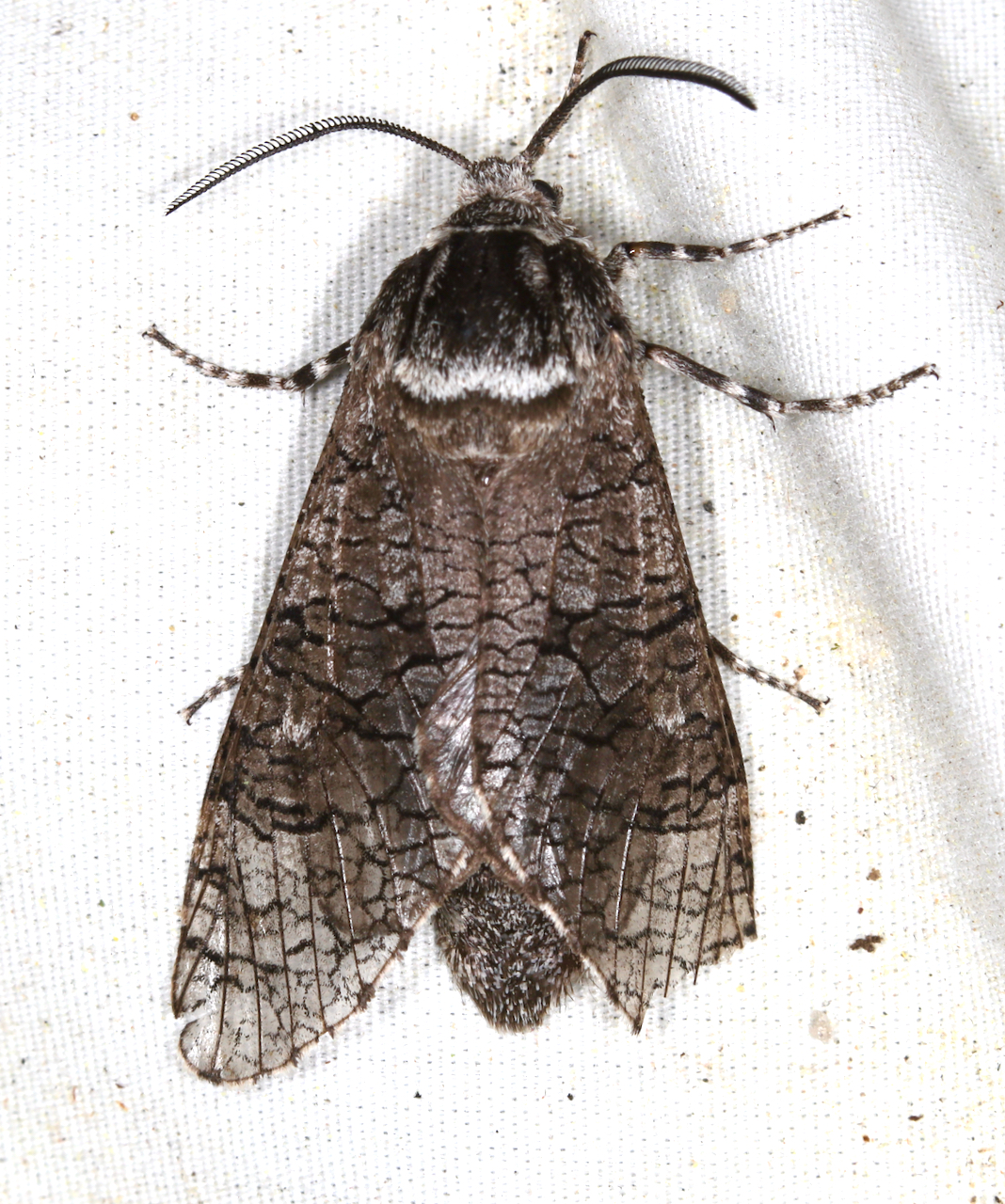
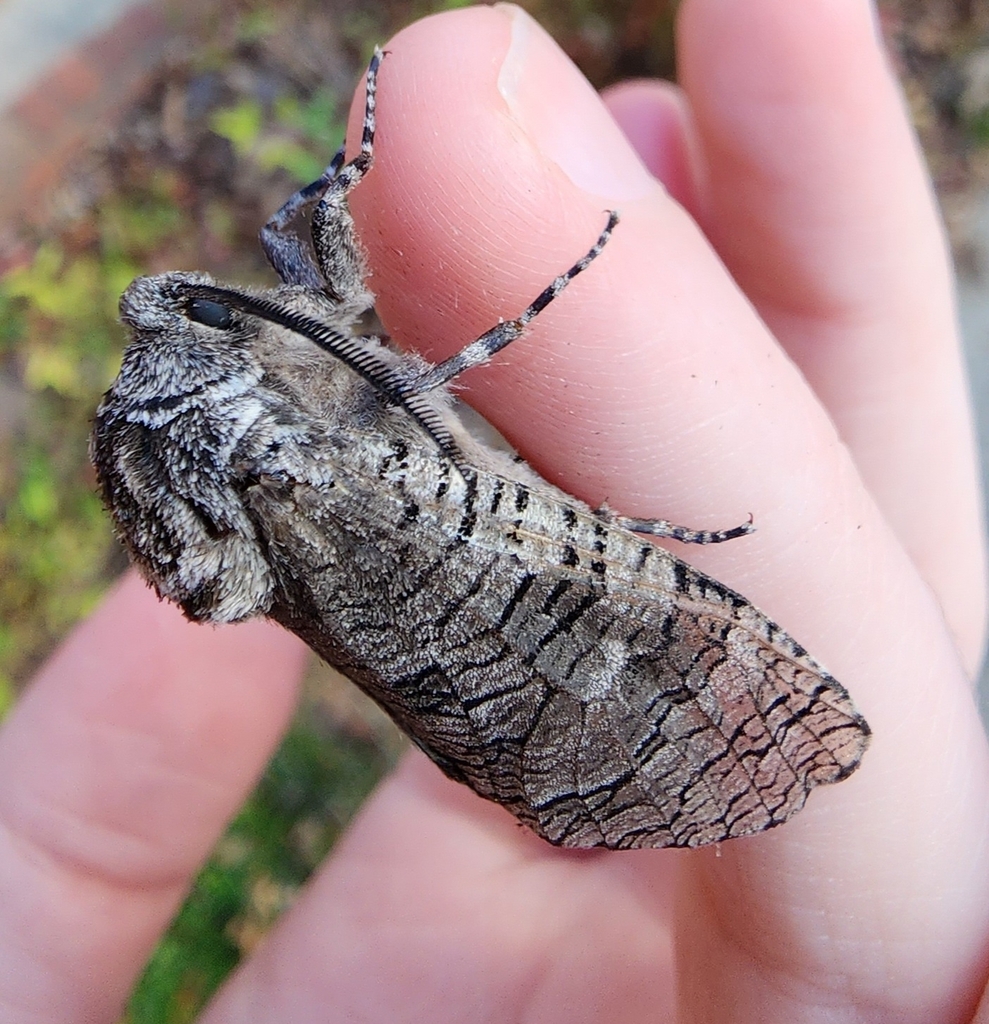
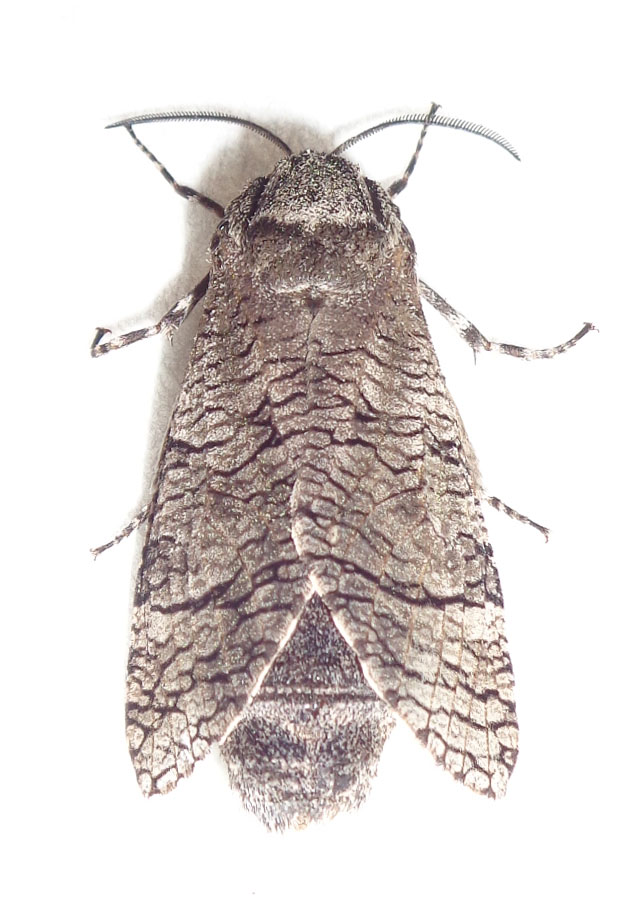
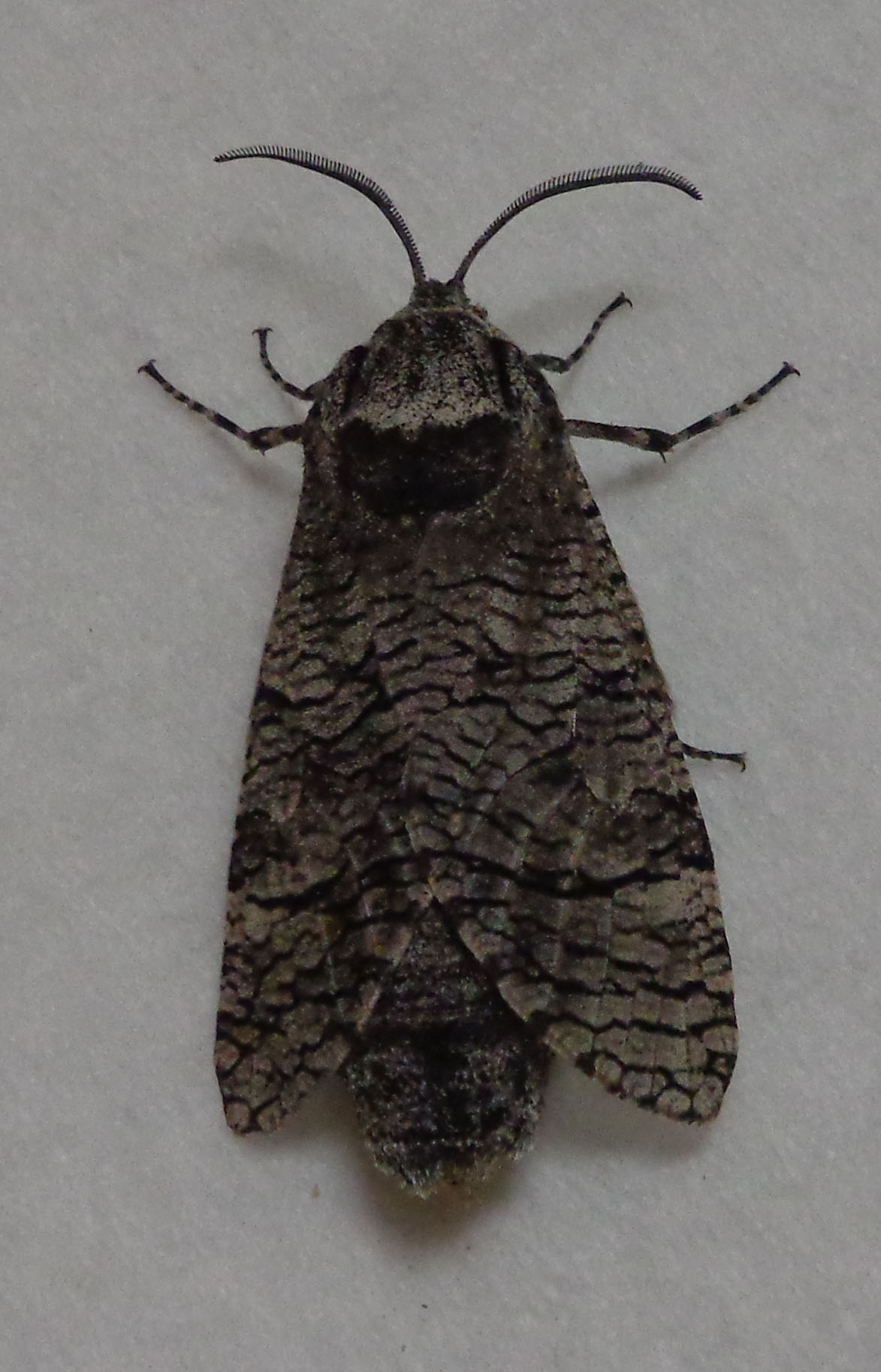
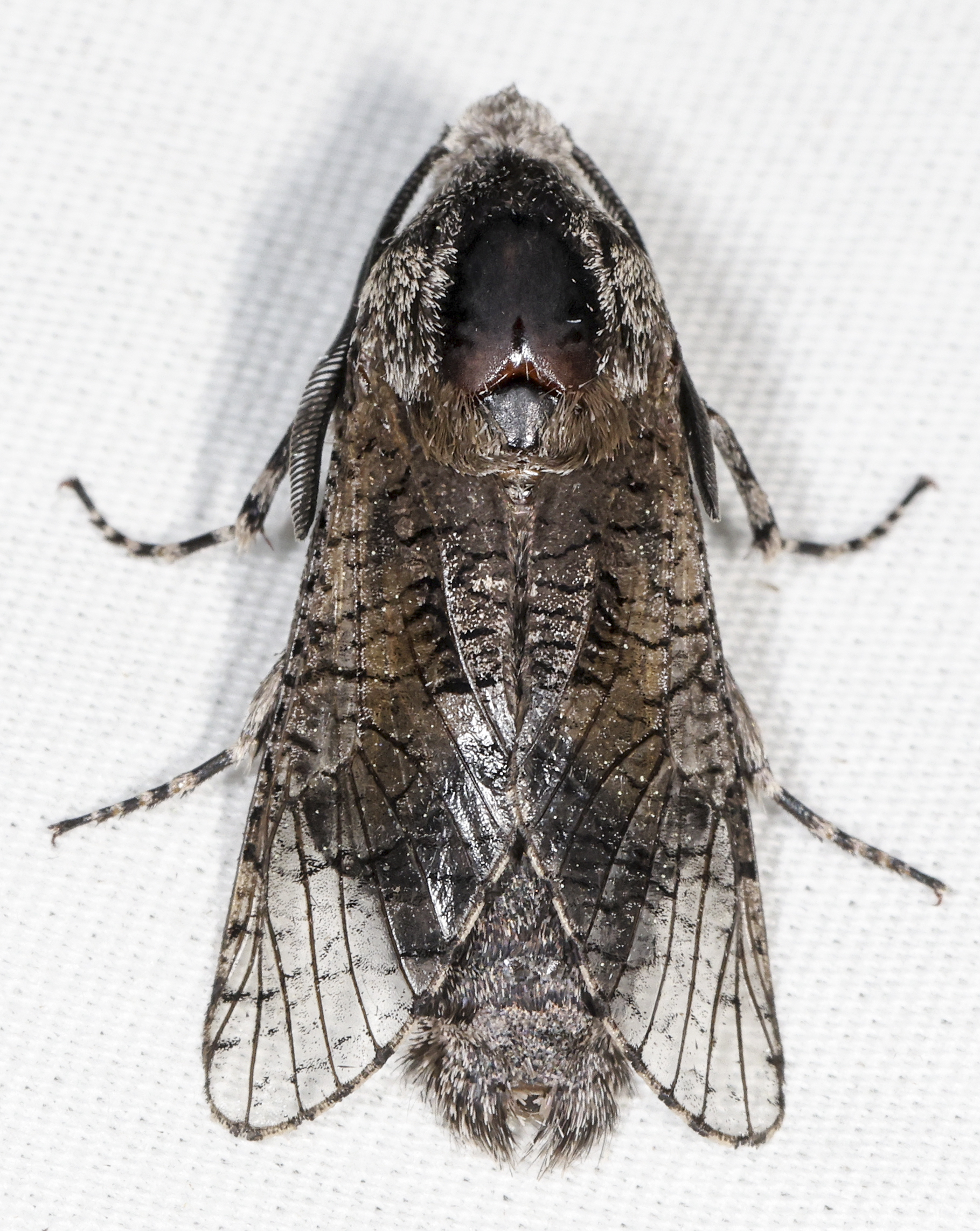
Prionoxystus macmurtreiPrionoxystus macmurtreiPrionoxystus macmurtreiPrionoxystus macmurtrei
Taxonomy
Superfamily:
Cossoidea
Family:
Cossidae
Subfamily:
Cossinae
Tribe:
[Cossini]
P3 Number:
53a0030
MONA Number:
2694.00
Comments: One of three members of the genus in North America, two of which are found in North Carolina. Very similar in appearance to members of the genus Acossus, though no species in that genus occurs in the southeastern U.S. It is among the largest of the "micro-moths."
Identification
Field Guide Descriptions: Covell (1984); Beadle and Leckie (2012)Online Resources: MPG, BugGuide, iNaturalist, Google, BAMONA, GBIF, BOLDTechnical Description, Adults: Forbes (1923)Technical Description, Immature Stages: Packard (1890)                                                                                 
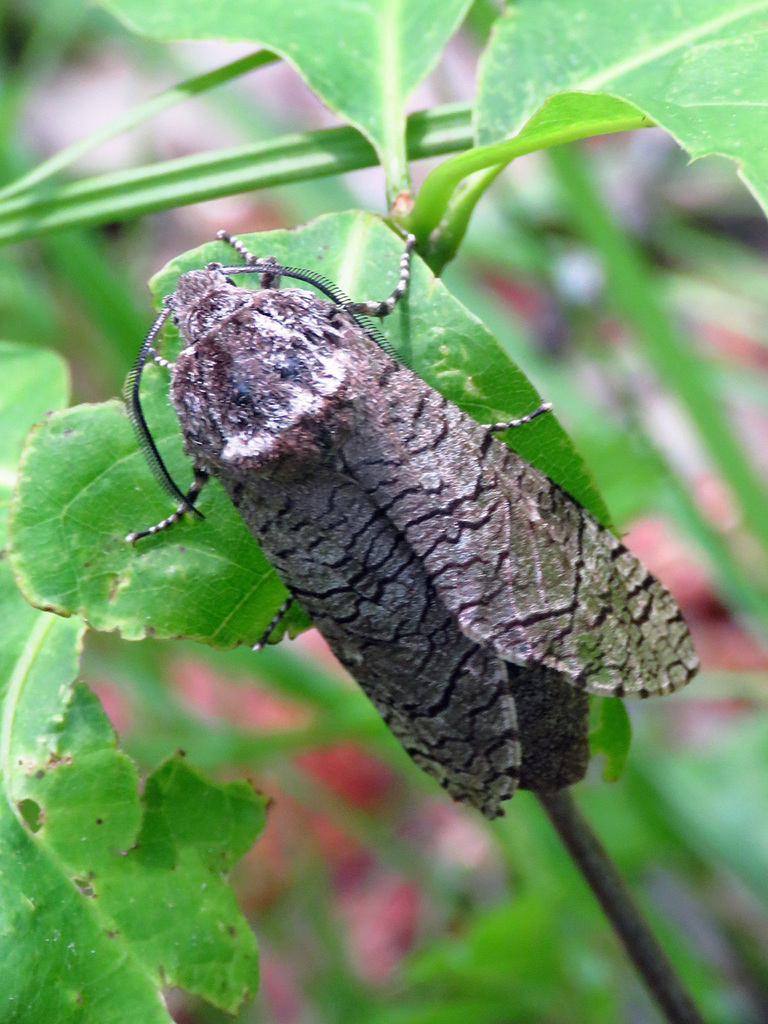
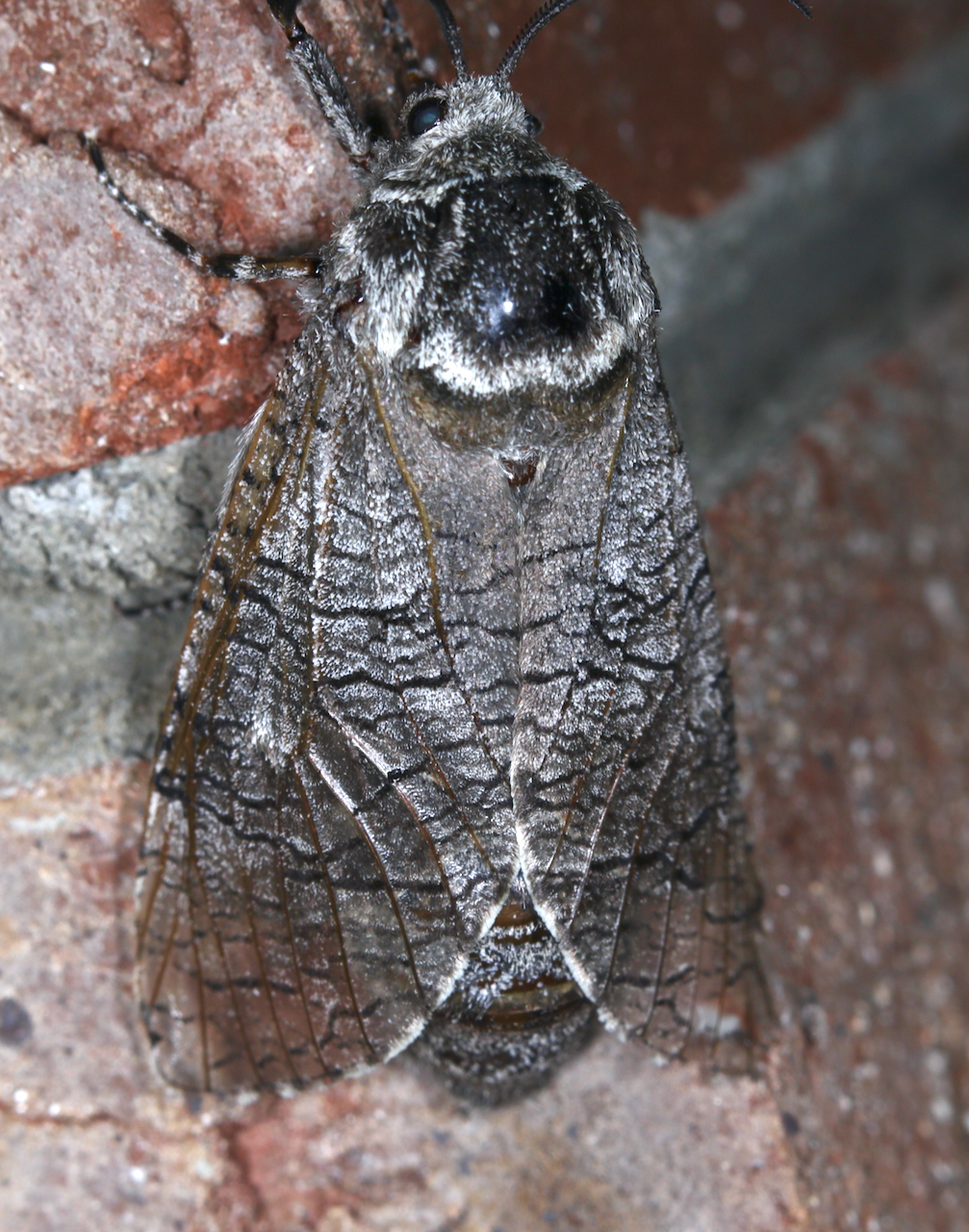
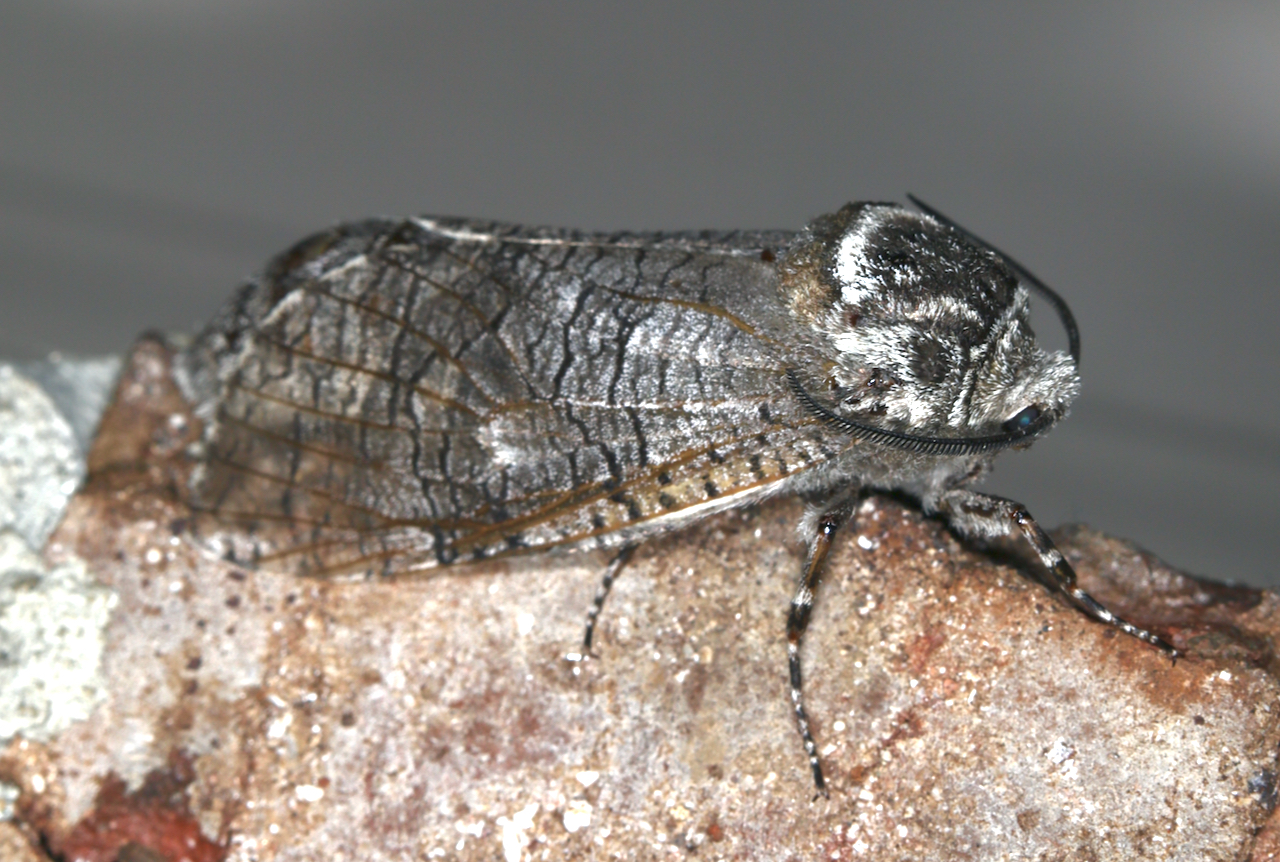
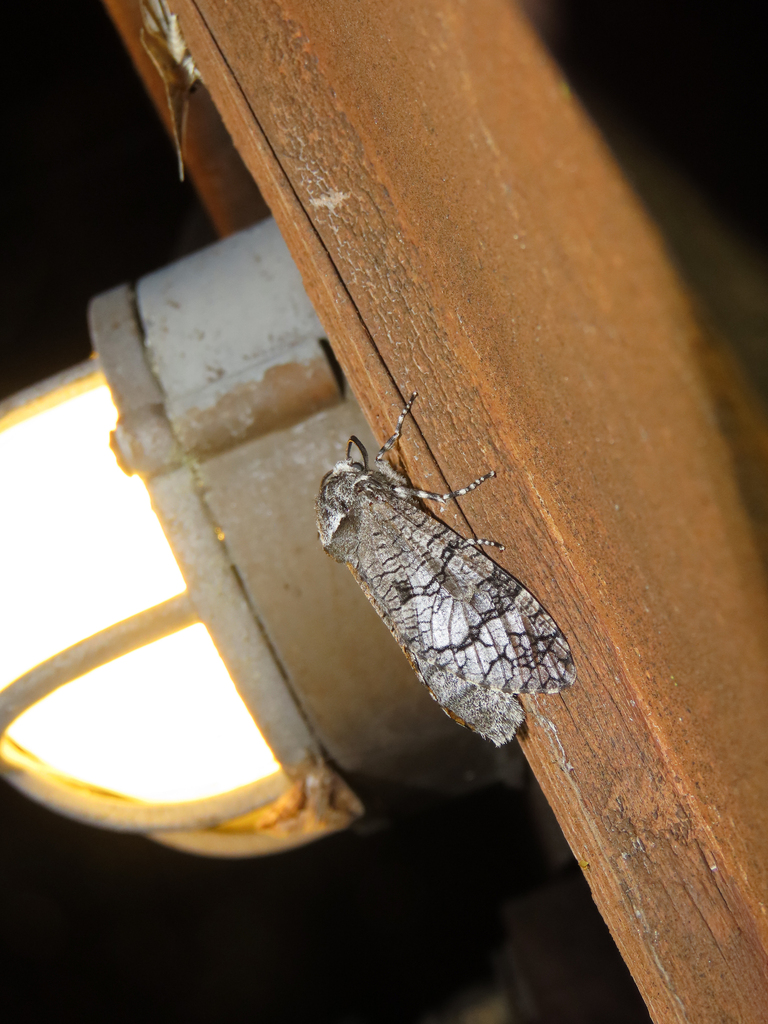
Adult Markings: This is a large, chunky moth that has a thick abdomen, broad thorax, and a disproportionally small head. The head and thoracic region are finely peppered with gray and white scales, and the pectinate antenna is blackish. The sexes are weakly dimorphic. The ground color of the forewing of the female varies from brownish to light smoky gray, and is marked by a series of black, irregular, transverse lines. The terminal fringe has an alternating series of black and white squarish marks. The hindwing is largely uniformly gray, and both wings have a translucent quality. The males are very similar, but have a more attenuated forewing, along with patterning that is fainter. The hindwing of the male also has a straighter outer margin, and may show a region of pale orange or yellow in the median area.

This species might be confused with P. robiniae, but the forewing of the latter has a reticulated pattern of black lines, and a large, angulated, median black blotch near the middle of the wing.

Wingspan: 60-75 mm for females (Forbes, 1923); 52-75 mm (Covell 1984)
Adult Structural Features: Length from tip of head to apex of forewing at rest averages 30 mm for two North Carolina females.
Adult ID Requirements: Identifiable from good quality photos of unworn specimens.
Immatures and Development: The larvae are borers in hardwoods where they can cause considerable economic damage to timber trees. The following is a summary of the life cycle based on accounts by Hutchins (1924) and Solomon (1995) where the life cycle typically requires 2-3 years to complete. The adults emerge after the spring warm-up and mating occurs shortly after emergence. The males are strong fliers and are attracted to the female’s pheromones. Females lay their eggs either singly or in small groups, and most commonly in bark crevices or other rough areas of the bark. The females lay from 50-275 eggs during the course of a week, then die shortly thereafter. The eggs are oval-shaped, around 3 mm long, and turn dull brown with age.

The hatchlings emerge after 10-13 days and bore into the bark. The cavities in the bark are expanded as they grow and are around 25 mm in diameter and 9-13 mm deep at the end of the first season. After overwintering, the larvae resume feeding in the spring and tunnel deeper and wider into the inner bark and outer layers of wood. During the second summer they eventually tunnel to the heartwood where they overwinter. They resume tunneling the following spring, mostly inwardly and upwardly in the wood, and make enlarged lateral exits to the bark where they eject their frass. The tunnels at this time are typically 15-30 cm long and 8-12 mm wide, and often cross or intersect those of nearby larvae. During the last fall, the larvae lay down soft, silk-like coverings on the tunnel walls. Pupation occurs the following spring behind felt-like curtains in the galleries. Just before the moth emerges, the pupae move down the tunnels to the exit holes in the bark, where they remain partially protruding until the adult emerges. The larvae can attack both the tree boles and smaller branches.

Hutchins (1924) reported that three seasons are spent in the larval stage in Canada. The first is spent in the outer layers of the bark, and the second in the sapwood. During the third season boring continues in the woody parts of the tree until September. The third winter is spent as a pupa in the tunnel, though occasionally pupation may be delayed until the following spring. Individuals that pupate in the autumn emerge as adults early in June, while the spring pupae emerge later.

The hatchlings are about 5 mm long, while the fully grown female larvae can reach 63 mm long and 15 mm wide. The male larvae can reach around 38 mm and are not as robust as the females. The larvae have a dark-brown head and thorax, while the body color changes from pinkish-white in early instars to bright-pink by the end of the first season. The final instars transition to dull-greenish white. The first-year larvae have well-developed dark tubercles that become less conspicuous in the final instar. The pupae are rounded, shiny, and vary from reddish-brown to mahogany-colored. Solomon (1995) noted that birds are the most important predators, and that the early instars are readily consumed by woodpeckers, nuthatches, brown creepers, chickadees, warblers and other birds.
Larvae ID Requirements: Identifiable from good quality photos, especially where associated with known host plants.
Distribution in North Carolina
Distribution: Prionoxystus macmurtrei is found in eastern North America, including much of the eastern US and adjoining portions of southern Ontario and Quebec. In the US, the range extends from Maine and other New England states southwestward through the Carolinas to central Alabama, and westward to central Texas, central Oklahoma, eastern Kansas, Missouri, eastern Iowa, Illinois and Wisconsin. Isolated records are also known from northern Florida and north-central Minnesota. As of 2025, almost all of our records are from the Piedmont and lower-elevations in the Blue Ridge, with only three records from the western Coastal Plain.
County Map: Clicking on a county returns the records for the species in that county.
Prionoxystus macmurtreiAlamance Alexander Alleghany Anson Ashe Avery Beaufort Bertie Bladen Brunswick Buncombe Burke Cabarrus Caldwell Camden Carteret Caswell Catawba Chatham Cherokee Chowan Clay Cleveland Columbus Craven Cumberland Currituck Dare Davidson Davie Duplin Durham Edgecombe Forsyth Franklin Gaston Gates Graham Granville Greene Guilford Halifax Harnett Haywood Henderson Hertford Hoke Hyde Iredell Jackson Johnston Jones Lee Lenoir Lincoln Macon Madison Martin McDowell Mecklenburg Mitchell Montgomery Moore Nash New Hanover Northampton Onslow Orange Pamlico Pasquotank Pender Perquimans Person Pitt Polk Randolph Richmond Robeson Rockingham Rowan Rutherford Sampson Scotland Stanly Stokes Surry Swain Transylvania Tyrrell Union Vance Wake Warren Washington Watauga Wayne Wilkes Wilson Yadkin Yancey
Flight Dates:
High Mountains (HM) ≥ 4,000 ft.
Low Mountains (LM) < 4,000 ft.
Piedmont (Pd)
Coastal Plain (CP)

Click on graph to enlarge
Image showing flight dates by month for High Mountains greater than 4,000 feet, Low Mountains, Piedmont, and Coastal Plain: adults.
Flight Comments: The adults have been observed from March through July in different areas of the range, with a seasonal peak in May. As of 2025, almost all of our records are from late-March to early-June, with adults in the Blue Ridge flying several weeks later than those in the Piedmont. The duration of the larval stage is undocumented for North Carolina.
Habitats and Life History
Habitats: Our records for natural sites are mostly from wet to mesic hardwood forests, but we also have numerous records from semi-wooded residential neighborhoods. This species is almost never found in xeric communities.
Larval Host Plants: The larvae bore into the wood of deciduous trees (Forbes, 1923; Craighead et al., 1950; Covell, 1984; Solomon, 1995; Heppner, 2007; Robinson et al., 2010). The reported hosts include maples (Acer), chestnuts (Castanea), ashes (Fraxinus), and oaks, including Northern Red Oak (Quercus rubra), which appears to be the primary host (Solomon, 1995). - View
Observation Methods: Females are attracted to lights to some extent, but males far less so. Since the mouthparts of the adults are rudimentary, they do not feed, and consequently do not come to bait or visit flowers.
Wikipedia
Status in North Carolina
Natural Heritage Program Status:
Natural Heritage Program Ranks: G4 [S3S4]
State Protection: Has no legal protection, although permits are required to collect it in state parks and on other public lands.
Comments: The adults are only occasionally seen at lights and usually only a single individual is present on a given night. Populations are fairly widespread across the Piedmont and Blue Ridge, and the host trees are common and widespread.

 Photo Gallery for Prionoxystus macmurtrei - Little Carpenterworm Moth

53 photos are available. Only the most recent 30 are shown.
Prionoxystus macmurtrei
iNaturalist
Recorded by: annkatrinrose - Annkatrin Rose on 2025-05-31
Watauga Co.
Comment: iNat record - https://www.inaturalist.org/observations/286062972***(c) Annkatrin Rose, some rights reserved (CC BY-NC)| Public Positional Accuracy=28563 m
Prionoxystus macmurtrei
Recorded by: Jim Petranka and Mark Basinger on 2025-05-18
Madison Co.
Comment:
Prionoxystus macmurtrei
Recorded by: Jim Petranka and Mark Basinger on 2025-05-18
Madison Co.
Comment:
Prionoxystus macmurtrei
iNaturalist
Recorded by: alinamartin - Alina Martin on 2025-04-27
Jackson Co.
Comment: iNat record - https://www.inaturalist.org/observations/276948056***(c) Alina Martin, some rights reserved (CC BY)| Public Positional Accuracy=28677 m
Prionoxystus macmurtrei
iNaturalist
Recorded by: drewscottnc - Drew Scott on 2025-04-17
Surry Co.
Comment: iNat record - https://www.inaturalist.org/observations/271135579***(c) Drew Scott, all rights reserved| Public Positional Accuracy= ? Elevation=1202.2 feet
Prionoxystus macmurtrei
iNaturalist
Recorded by: arctiidae - Ashlyn Armstrong on 2025-04-05
Mecklenburg Co.
Comment: iNat record - https://www.inaturalist.org/observations/268892493***(c) Ashlyn Armstrong, all rights reserved| Public Positional Accuracy=33 m Elevation=708.2 feet
Prionoxystus macmurtrei
Recorded by: David George, Jeff Niznik on 2025-04-05
Chatham Co.
Comment:
Prionoxystus macmurtrei
Recorded by: David George, Jeff Niznik on 2025-04-05
Chatham Co.
Comment:
Prionoxystus macmurtrei
Recorded by: Michael P. Morales on 2025-04-04
Cumberland Co.
Comment:
Prionoxystus macmurtrei
Recorded by: Michael P. Morales on 2025-04-04
Cumberland Co.
Comment:
Prionoxystus macmurtrei
Recorded by: Michael P. Morales on 2025-04-04
Cumberland Co.
Comment:
Prionoxystus macmurtrei
iNaturalist
Recorded by: jen_s3 - Jen S on 2025-04-03
Johnston Co.
Comment: iNat record - https://www.inaturalist.org/observations/268477596***(c) Jen S, some rights reserved (CC BY-NC)| Public Positional Accuracy=28677 m
Prionoxystus macmurtrei
Recorded by: R. Teper, David George, J. Niznik on 2025-03-28
Chatham Co.
Comment:
Prionoxystus macmurtrei
Recorded by: Stephen Dunn on 2024-04-14
Orange Co.
Comment:
Prionoxystus macmurtrei
iNaturalist
Recorded by: jfox16 on 2024-04-12
Davidson Co.
Comment: iNat record - https://www.inaturalist.org/observations/207224349***(c) jfox16, some rights reserved (CC BY)| Public Positional Accuracy=28620 m
Prionoxystus macmurtrei
Recorded by: David George, Jeff Niznik on 2024-04-01
Chatham Co.
Comment:
Prionoxystus macmurtrei
Recorded by: Simpson Eason on 2024-03-31
Durham Co.
Comment:
Prionoxystus macmurtrei
iNaturalist
Recorded by: vikcytoria on 2024-03-29
Mecklenburg Co.
Comment: iNat record - https://www.inaturalist.org/observations/204630268***(c) vikcytoria, some rights reserved (CC BY-NC)| Public Positional Accuracy=4 m Elevation=644.4 feet
Prionoxystus macmurtrei
Recorded by: K. Bischof on 2023-05-21
Transylvania Co.
Comment:
Prionoxystus macmurtrei
Recorded by: K. Bischof on 2023-05-21
Transylvania Co.
Comment:
Prionoxystus macmurtrei
Recorded by: Jim Petranka on 2023-05-14
Madison Co.
Comment:
Prionoxystus macmurtrei
iNaturalist
Recorded by: heatherpratt1 - Heather Pratt on 2023-04-12
Jackson Co.
Comment: iNat record - https://www.inaturalist.org/observations/154552724***(c) Heather Pratt, some rights reserved (CC BY)| Public Positional Accuracy= ? Elevation=2160.6 feet
Prionoxystus macmurtrei
Recorded by: Michael P. Morales on 2023-03-24
Cumberland Co.
Comment:
Prionoxystus macmurtrei
Recorded by: Michael P. Morales on 2023-03-24
Cumberland Co.
Comment:
Prionoxystus macmurtrei
Recorded by: Michael P. Morales on 2023-03-24
Cumberland Co.
Comment:
Prionoxystus macmurtrei
Recorded by: John Petranka on 2023-03-24
Orange Co.
Comment:
Prionoxystus macmurtrei
Recorded by: John Petranka on 2023-03-24
Orange Co.
Comment:
Prionoxystus macmurtrei
Recorded by: Dean Furbish and Joy Wiggins on 2023-03-24
Wake Co.
Comment:
Prionoxystus macmurtrei
Recorded by: tom ward on 2022-06-07
Buncombe Co.
Comment:
Prionoxystus macmurtrei
Recorded by: Jim Petranka on 2022-05-19
Madison Co.
Comment:

Photos of Prionoxystus macmurtrei from iNaturalist

Prionoxystus macmurtrei
© umop_apisdn - 2018-04-28 - Randolph Co.
iNat record
Prionoxystus macmurtrei
© megan186 - Megan Blythe - 2020-06-06 - Macon Co.
iNat record
Prionoxystus macmurtrei
© adriannanelson - Adrianna Nelson - 2021-06-03 - Watauga Co.
iNat record
Prionoxystus macmurtrei
© heatherpratt1 - Heather Pratt - 2023-04-12 - Jackson Co.
iNat record
Prionoxystus macmurtrei
© jfox16 - 2024-04-12 - Davidson Co.
iNat record
Prionoxystus macmurtrei
© jen_s3 - Jen S - 2025-04-03 - Johnston Co.
iNat record
Prionoxystus macmurtrei
© alinamartin - Alina Martin - 2025-04-27 - Jackson Co.
iNat record
Prionoxystus macmurtrei
© annkatrinrose - Annkatrin Rose - 2025-05-31 - Watauga Co.
iNat record
Prionoxystus macmurtrei
© arctiidae - Ashlyn Armstrong - 2025-04-05 - Mecklenburg Co.
iNat record
Prionoxystus macmurtrei
© vikcytoria - 2024-03-29 - Mecklenburg Co.
iNat record
Prionoxystus macmurtrei
© drewscottnc - Drew Scott - 2025-04-17 - Surry Co.
iNat record