| North Carolina's 189 Odonate species | ||||
|---|---|---|---|---|
 »
»| Sort Species by: Family Scientific Name [ Undocumented ] |
| Related Species in CORDULIIDAE: | Number of records for 2026 = 0 | |
| Photo Gallery for Treetop Emerald 14 photos are shown. | Other NC Galleries: Jeff Pippen Will Cook Ted Wilcox | ||
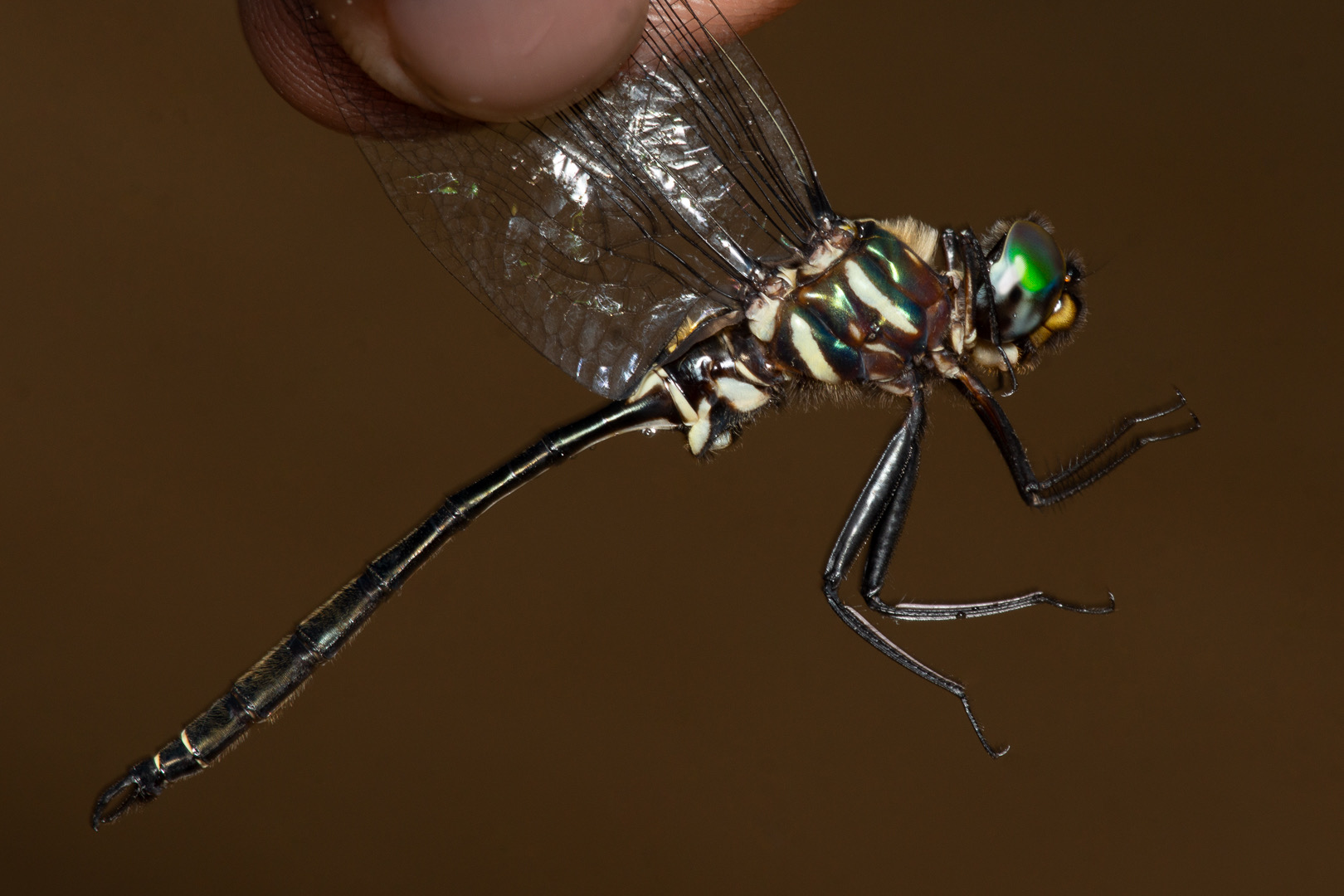 | Photo 1 by: Max Ramey Comment: Scotland, 2025-07-05, South Hoffman Road (34.9612613, -79.5195536) - from pin to 3/4-mile down road - One individual netted and photographed. Feeding over the road in small swarms during the early evening (observed around 6:20-7:20). Mostly fairly high up (>20ft) but some came down lower. Mostly stuck to hunting over the road, but individuals would fly in and out of the surrounding longleaf habitat. 10-12 emeralds were seen on this stretch of road, and most were likely Treetop, but I could not confirm this. One very probable Coppery was also seen with one of these small feeding swarms. | 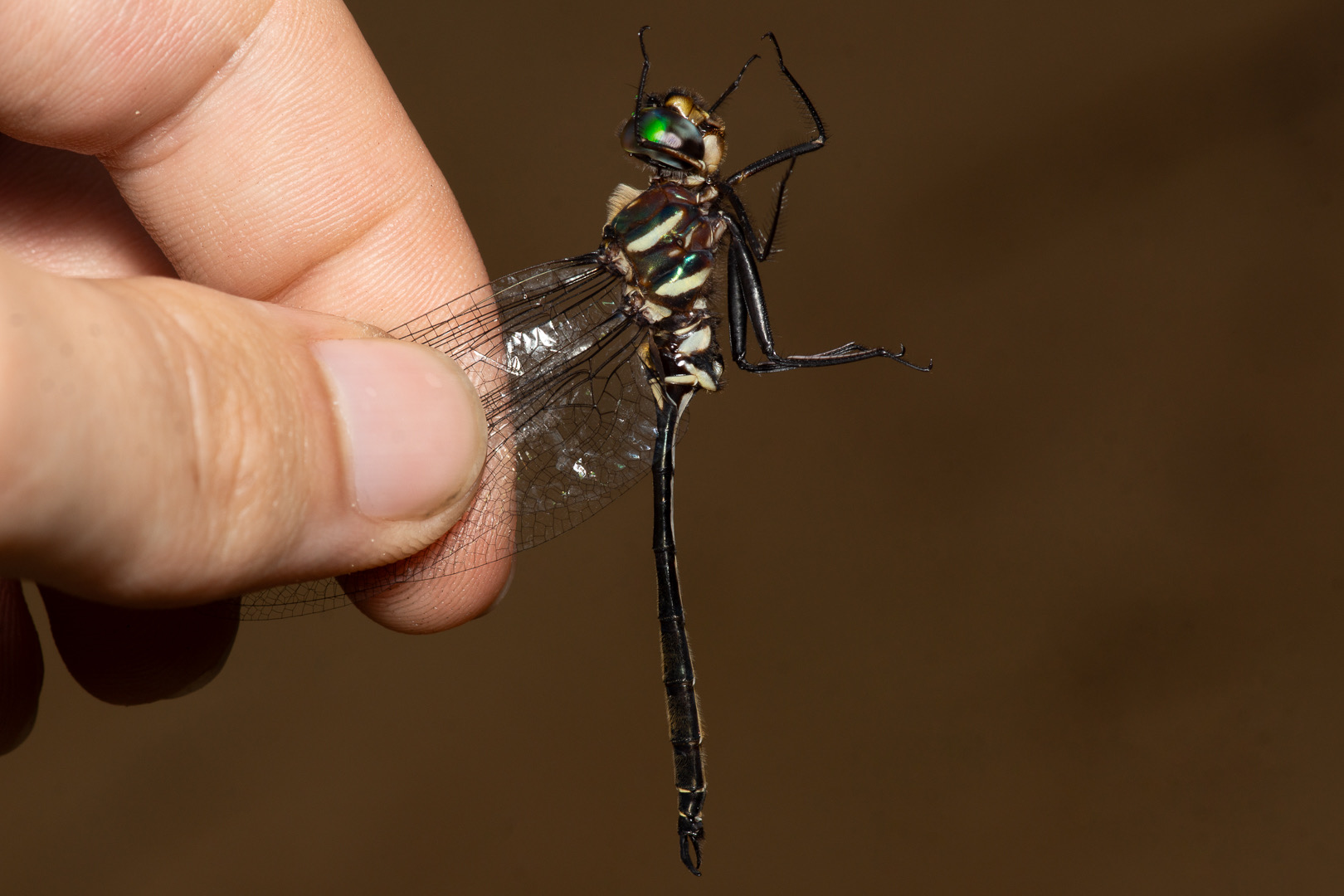 | Photo 2 by: Max Ramey Comment: Scotland, 2025-07-05, South Hoffman Road (34.9612613, -79.5195536) - from pin to 3/4-mile down road - One individual netted and photographed. Feeding over the road in small swarms during the early evening (observed around 6:20-7:20). Mostly fairly high up (>20ft) but some came down lower. Mostly stuck to hunting over the road, but individuals would fly in and out of the surrounding longleaf habitat. 10-12 emeralds were seen on this stretch of road, and most were likely Treetop, but I could not confirm this. One very probable Coppery was also seen with one of these small feeding swarms. |
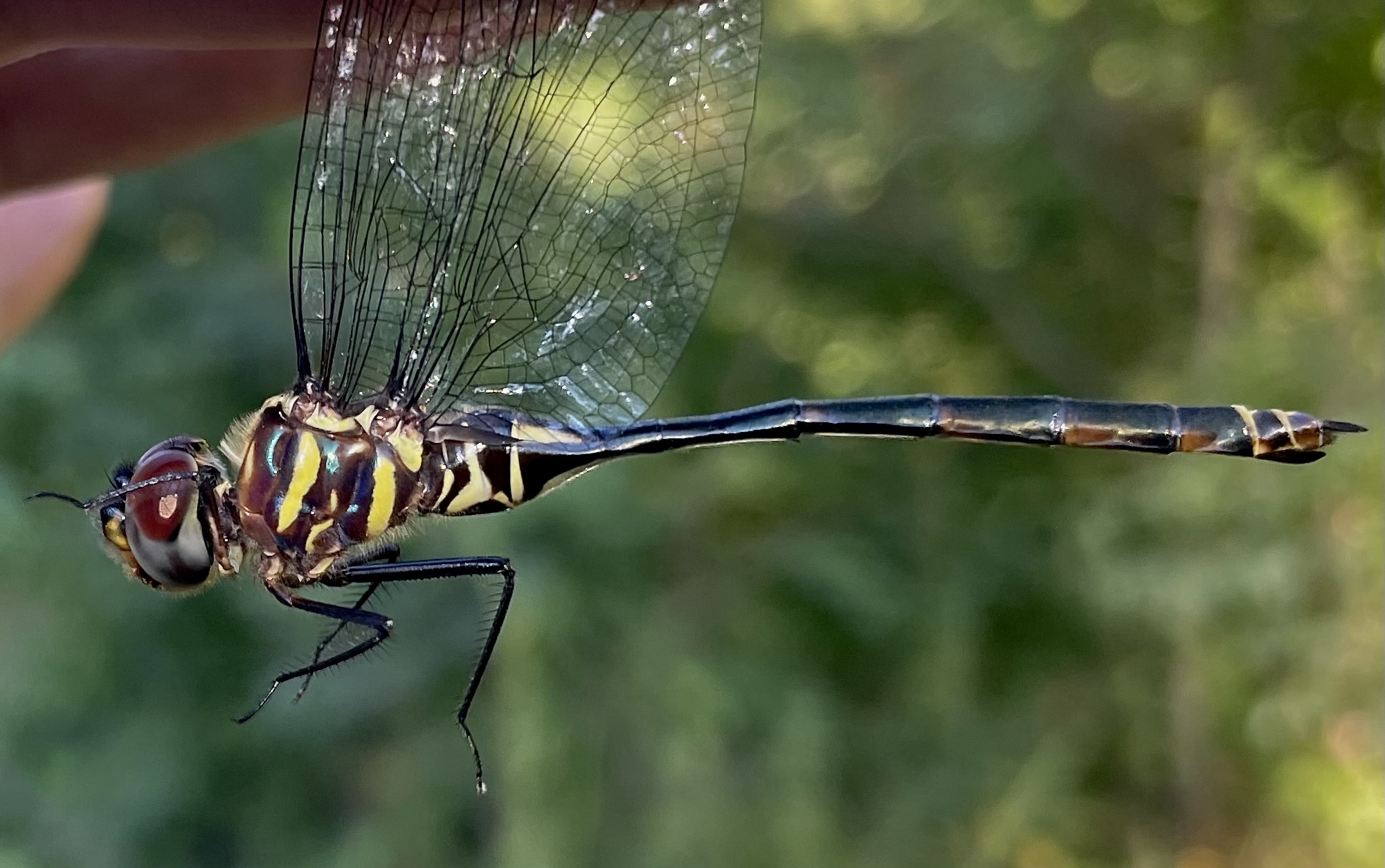 | Photo 3 by: Kevin Metcalf Comment: Richmond; P, 2024-07-01, - one female netted, released | 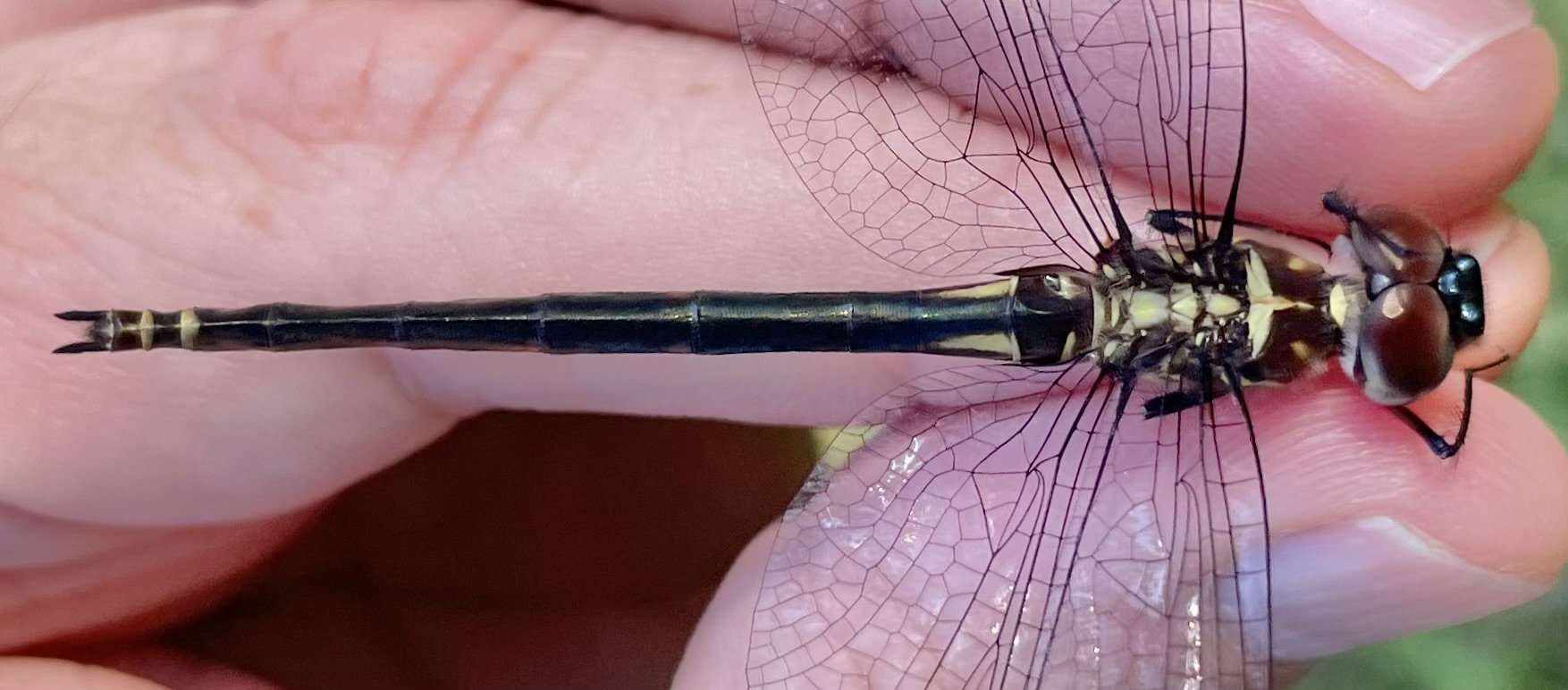 | Photo 4 by: Kevin Metcalf Comment: Richmond; P, 2024-07-01, - one female netted, released |
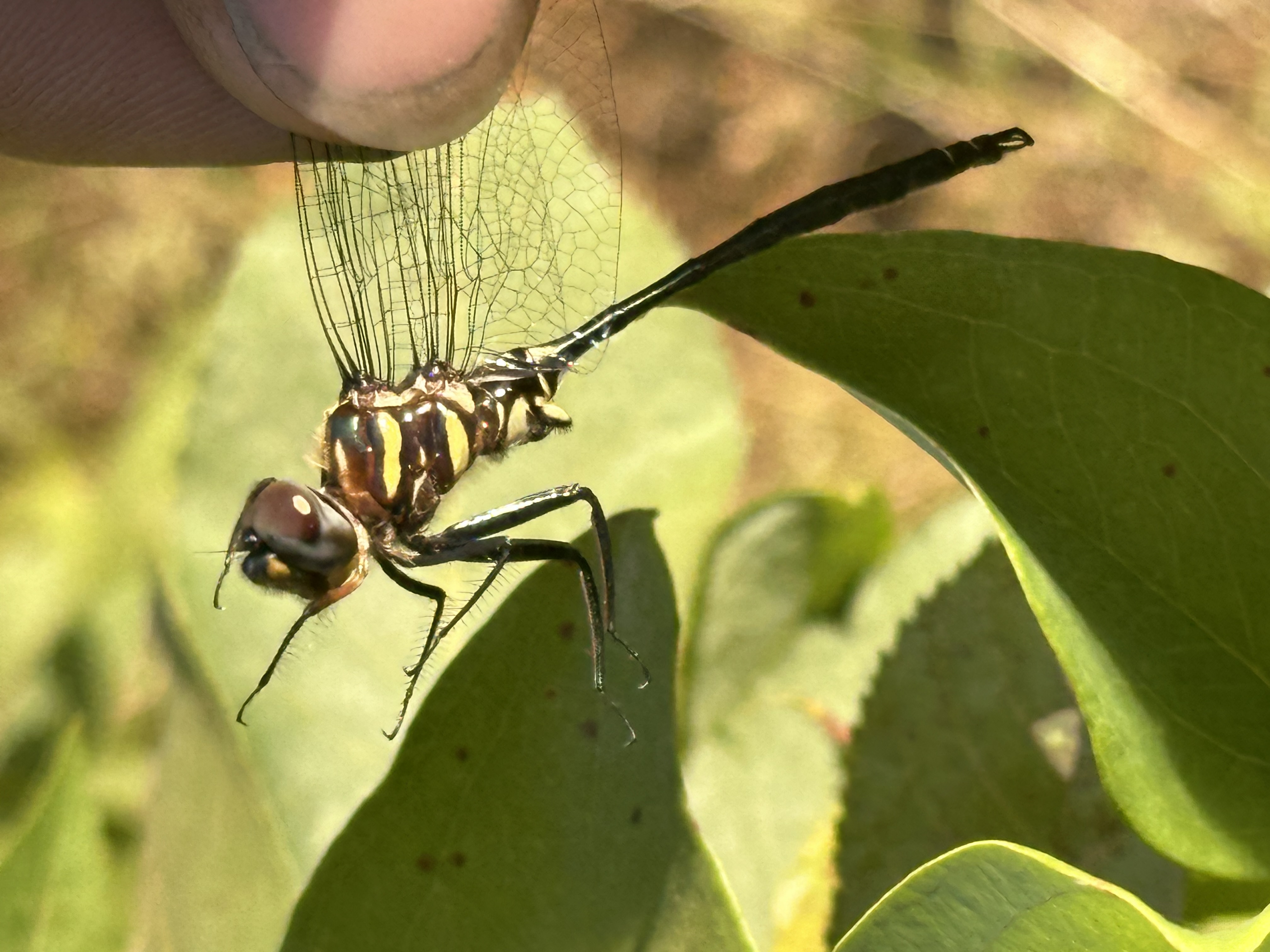 | Photo 5 by: Lucas Wilson Comment: Richmond; P, 2024-06-21, - Diggs Tract, road to boating access. Male. Several more probable S. provocans also seen. | 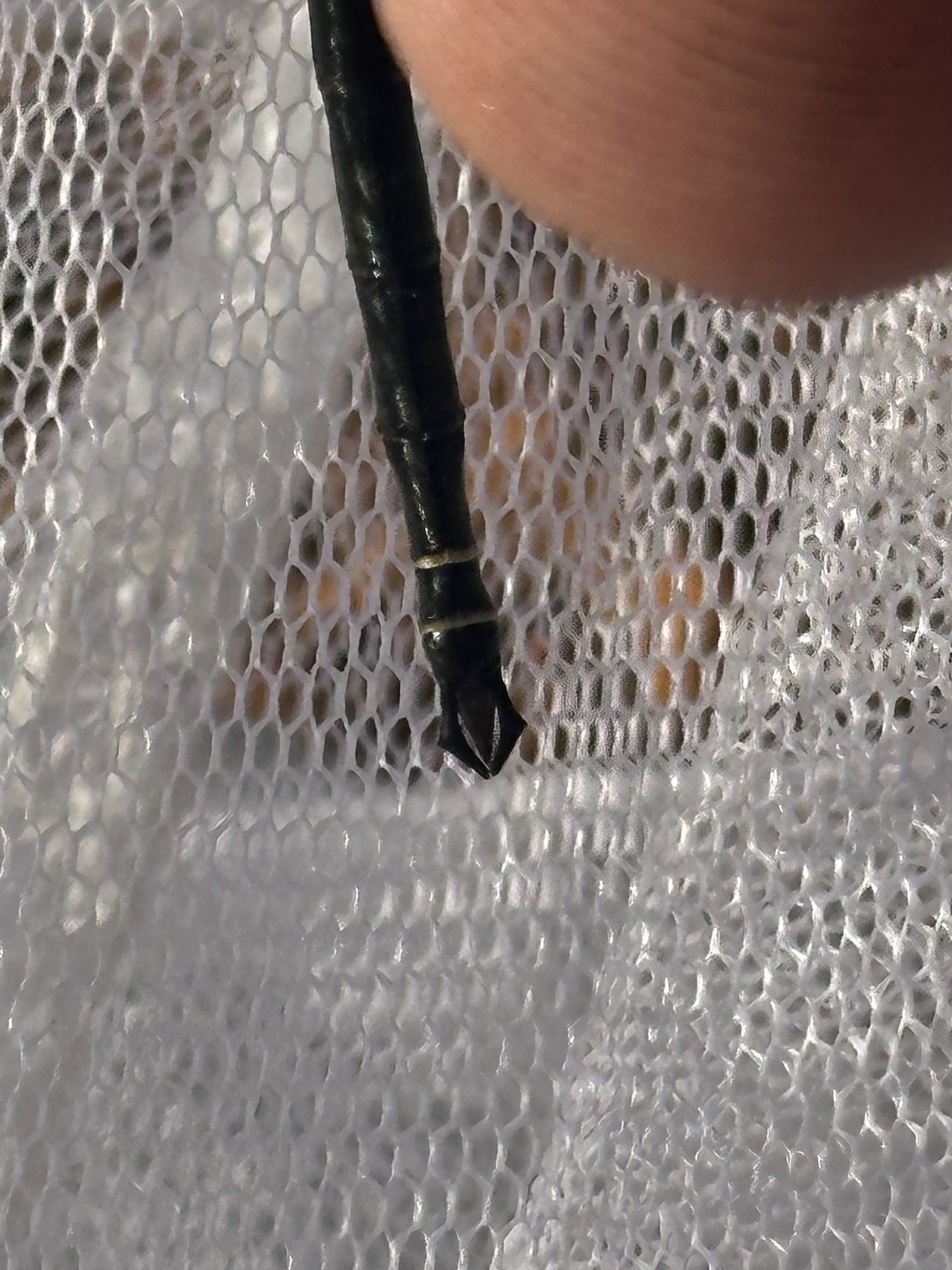 | Photo 6 by: Lucas Wilson Comment: Richmond; P, 2024-06-21, - Diggs Tract, road to boating access. Male. Several more probable S. provocans also seen. |
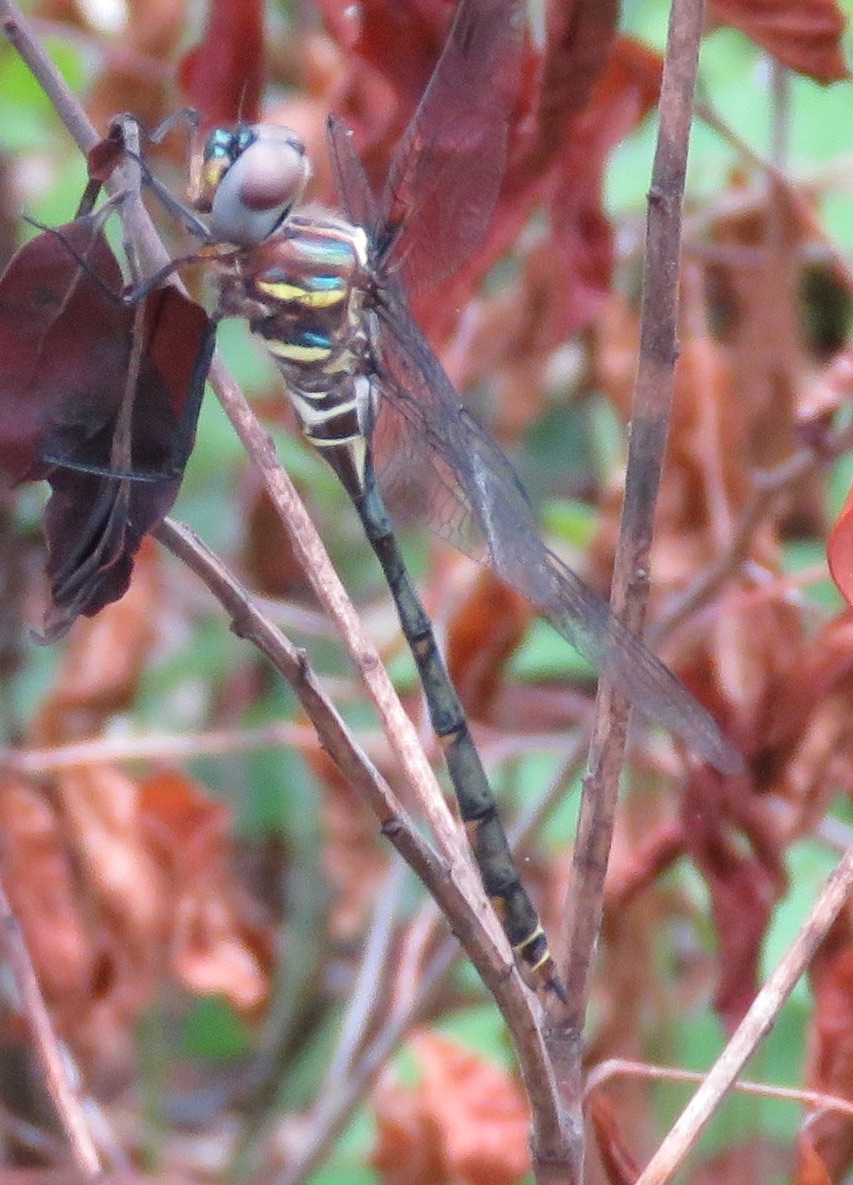 | Photo 7 by: N. Williamson Comment: Moore; C, 2017-06-07, Weymouth Woods Sandhills Nature Preserve | 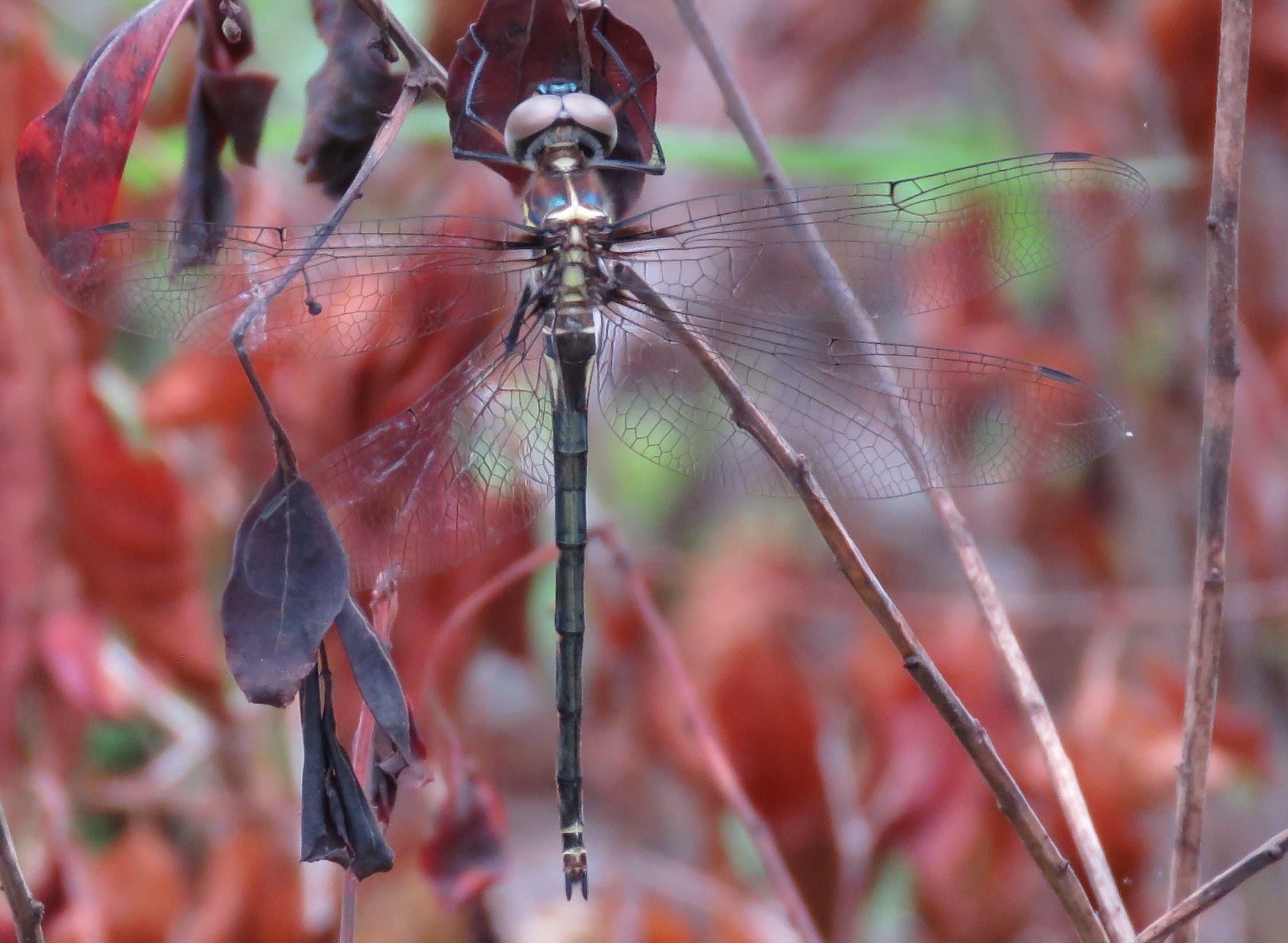 | Photo 8 by: N. Williamson Comment: Moore; C, 2017-06-07, Weymouth Woods Sandhills Nature Preserve - ID confirmed on Bugguide |
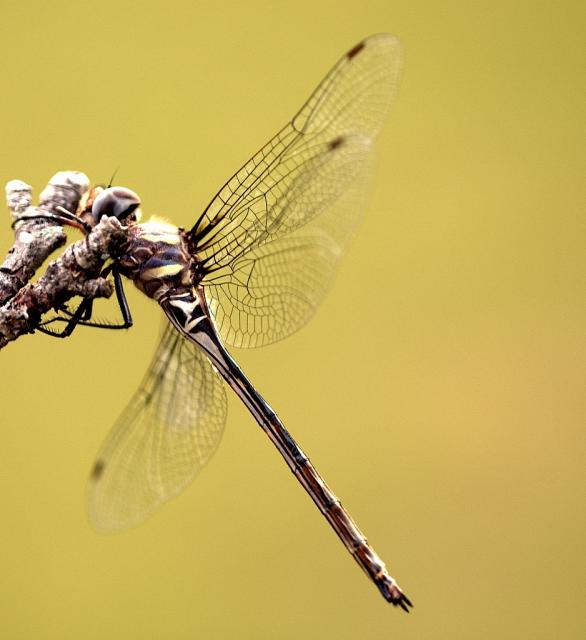 | Photo 9 by: Scott Hartley Comment: Moore; C, 2005-07-04, female, exposure on photos is too hot. They don't do the bug justice - very beautiful intricate markings on abdomen and first segments. | 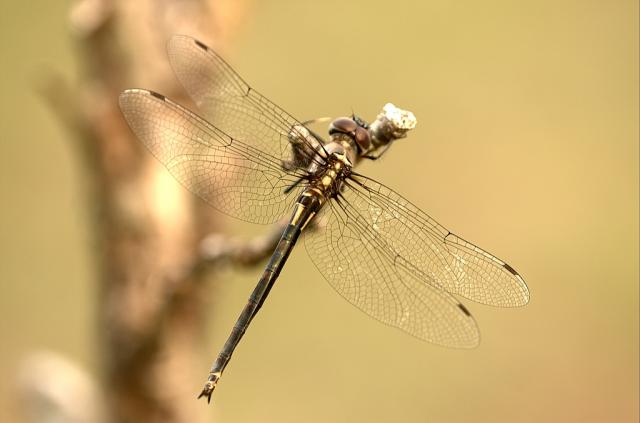 | Photo 10 by: Scott Hartley Comment: Moore; C, 2005-07-04, female, exposure on photos is too hot. They don't do the bug justice - very beautiful intricate markings on abdomen and first segments. |
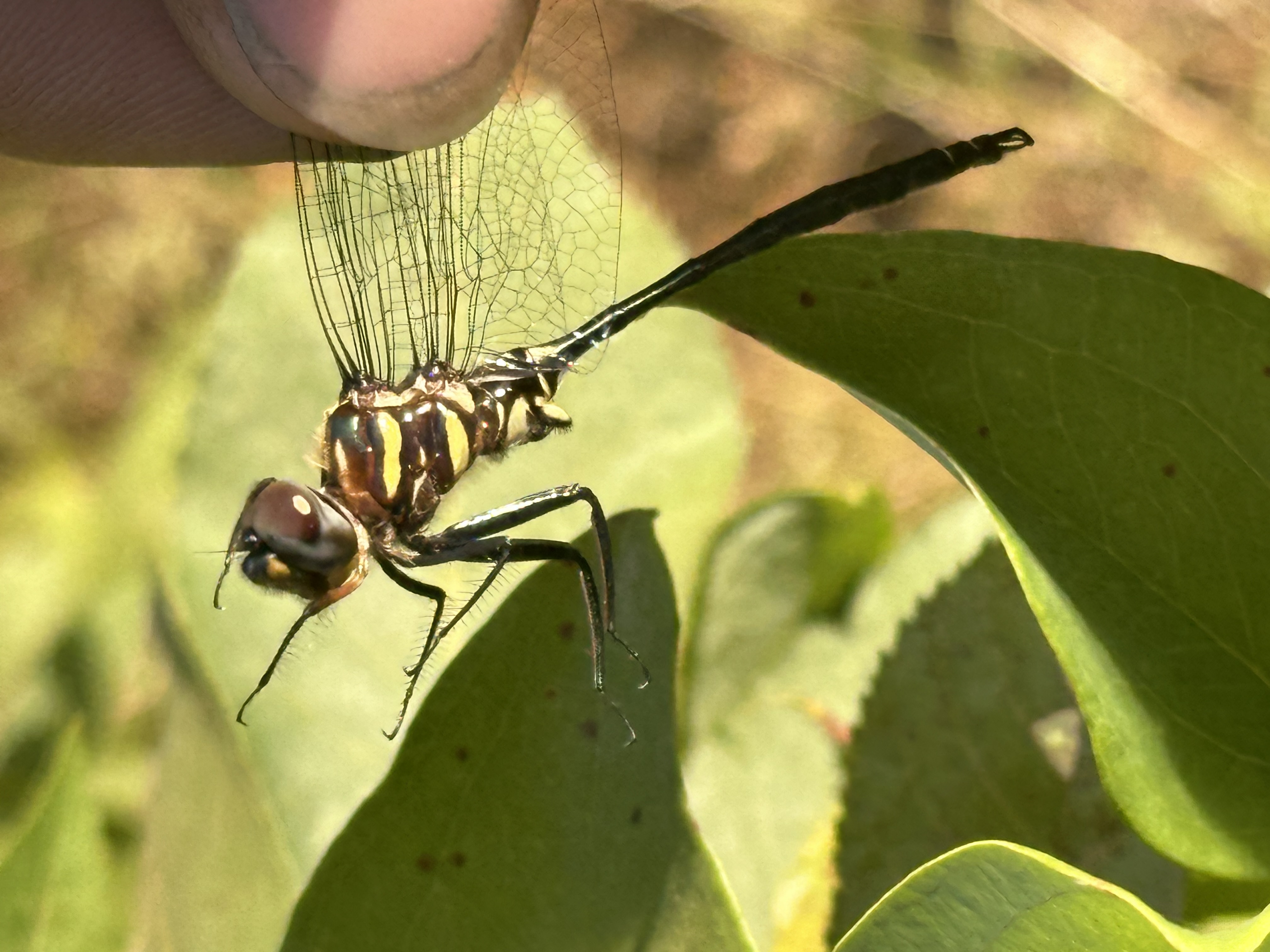 | Photo 11 by: Comment: , 0000-00-00, - Diggs Tract, road to boating access. Male. Several more probable S. provocans also seen. | 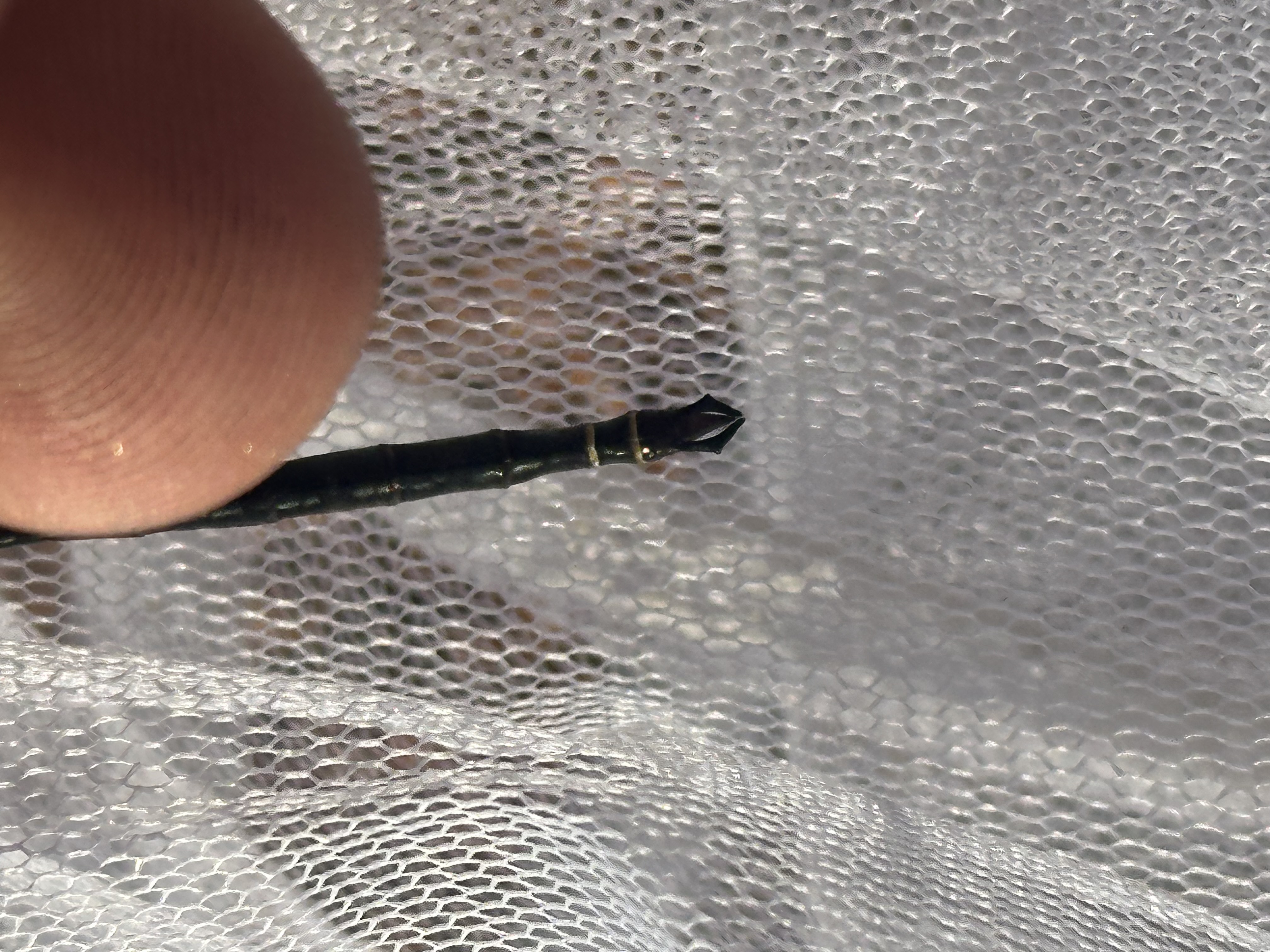 | Photo 12 by: Lucas Wilson Comment: Richmond; P, 2024-06-21, - Diggs Tract, road to boating access. Male. Several more probable S. provocans also seen. |
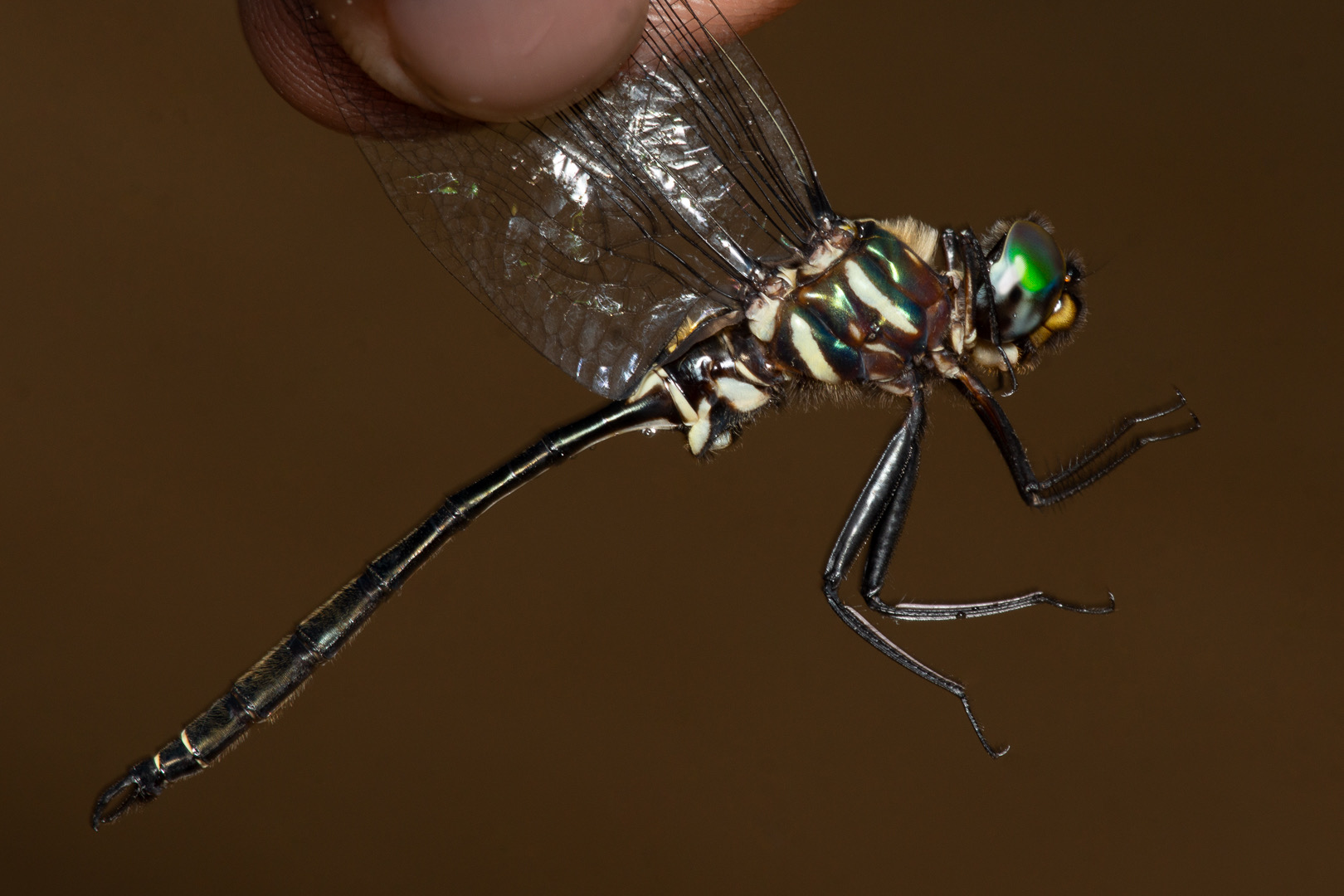 | Photo 13 by: Max Ramey Comment: Richmond; C, 2025-07-05, - One individual netted and photographed. Feeding over the road in small swarms during the early evening (observed around 6:20-7:20). Mostly fairly high up (>20ft) but some came down lower. Mostly stuck to hunting over the road, but individuals would fly in and out of the surrounding longleaf habitat. 10-12 emeralds were seen on this stretch of road, and most were likely Treetop, but I could not confirm this. One very probable Coppery was also seen with one of these small feeding swarms. | 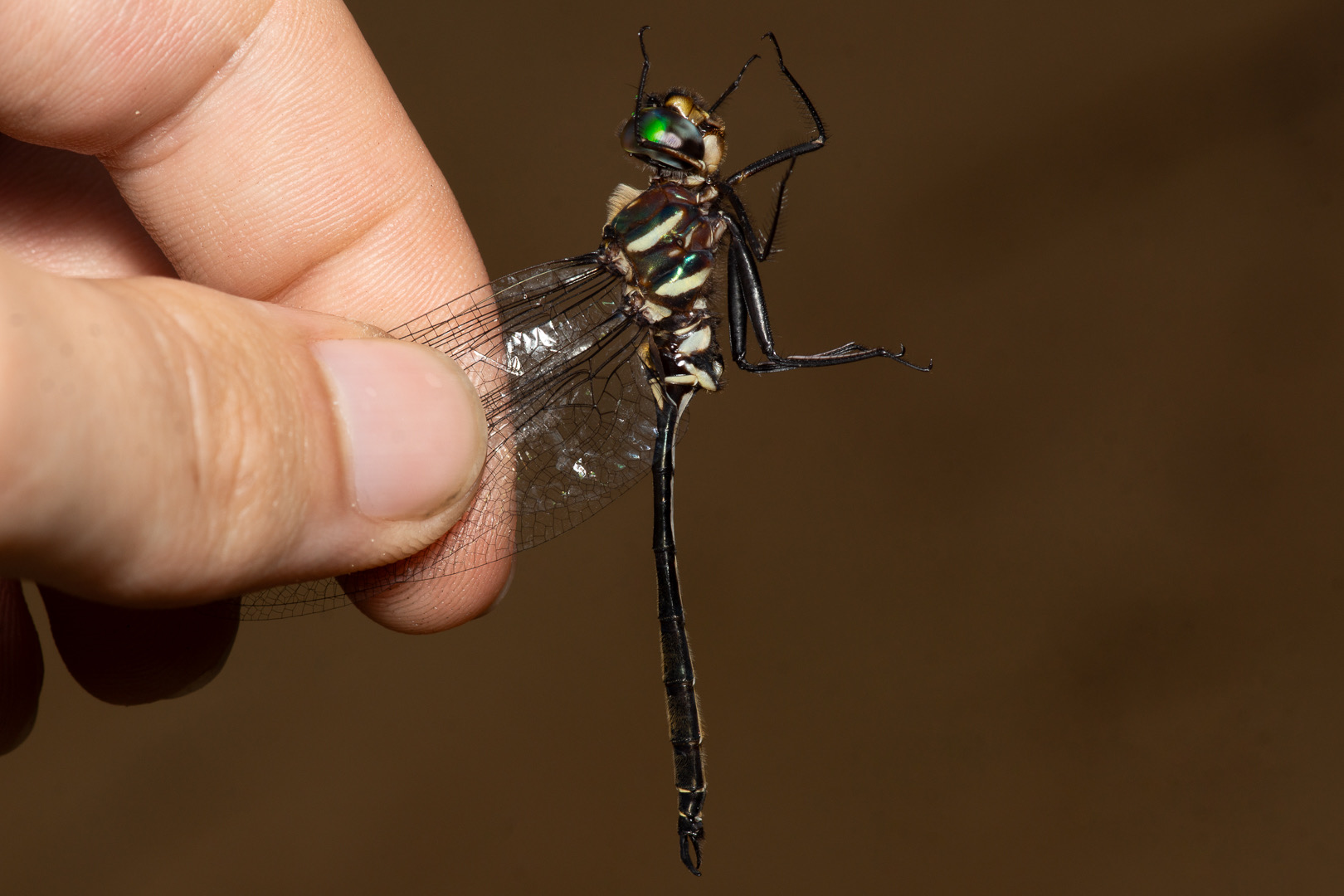 | Photo 14 by: Max Ramey Comment: Richmond; C, 2025-07-00, Hoffman Road (34.9612613, -79.5195536) - from pin to 3/4-mile down road. One individual netted and photographed. Feeding over the road in small swarms during the early evening (observed around 6:20-7:20). Mostly fairly high up (>20ft) but some came down lower. Mostly stuck to hunting over the road, but individuals would fly in and out of the surrounding longleaf habitat. 10-12 emeralds were seen on this stretch of road, and most were likely Treetop, but I could not confirm this. One very probable Coppery was also seen with one of these small feeding swarms. |