|
|
|
| synonym |
|
| description |
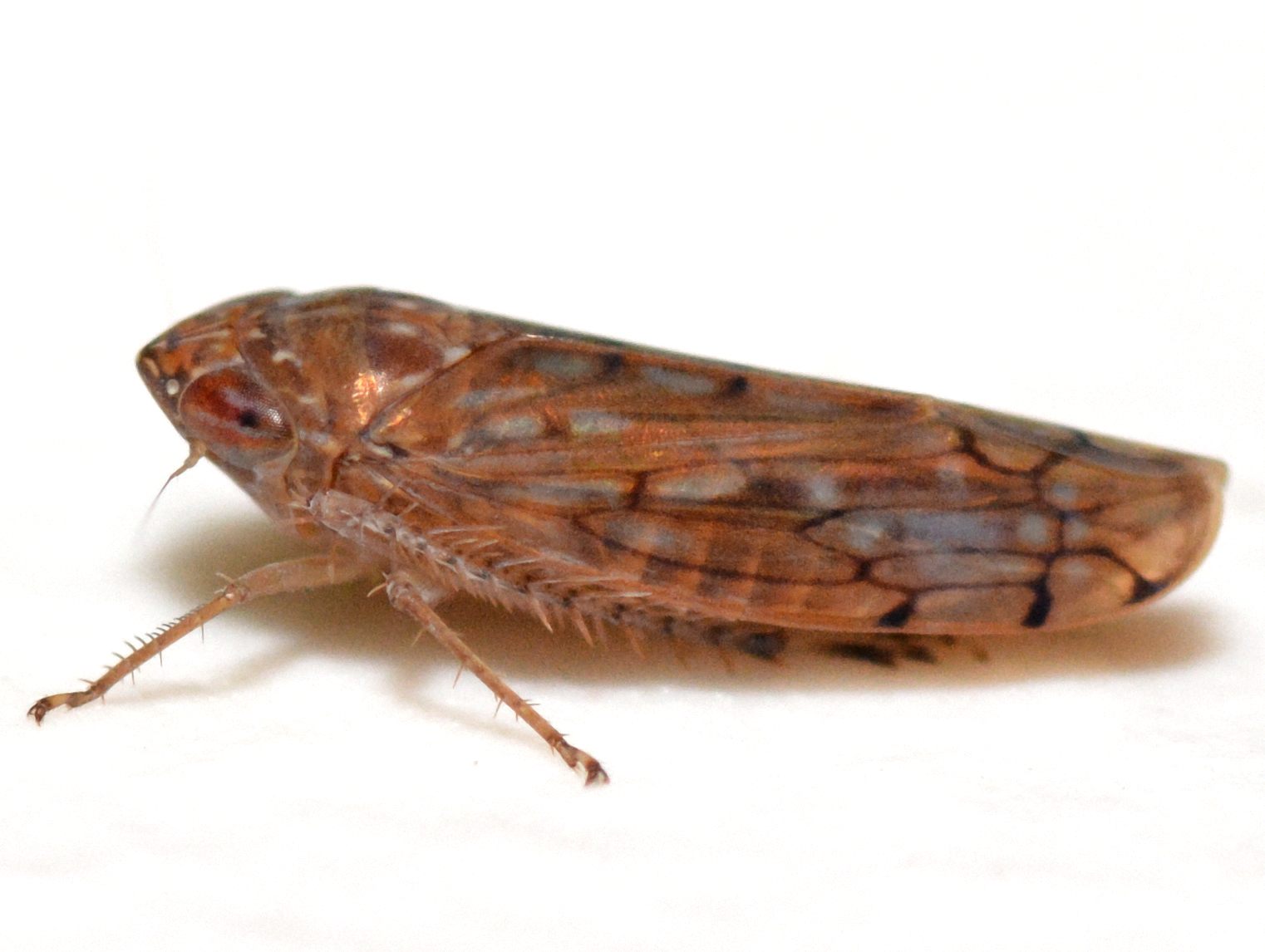
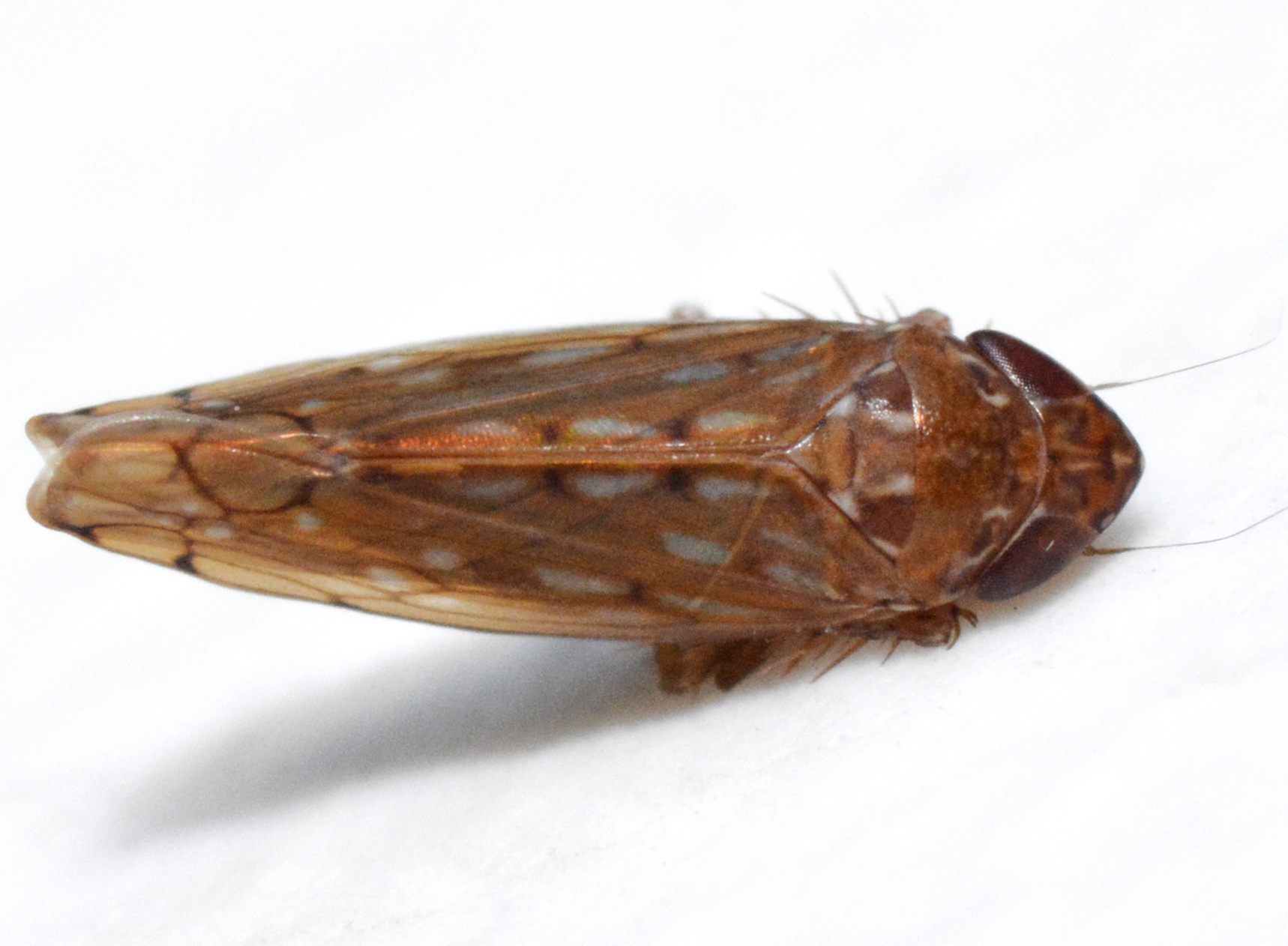
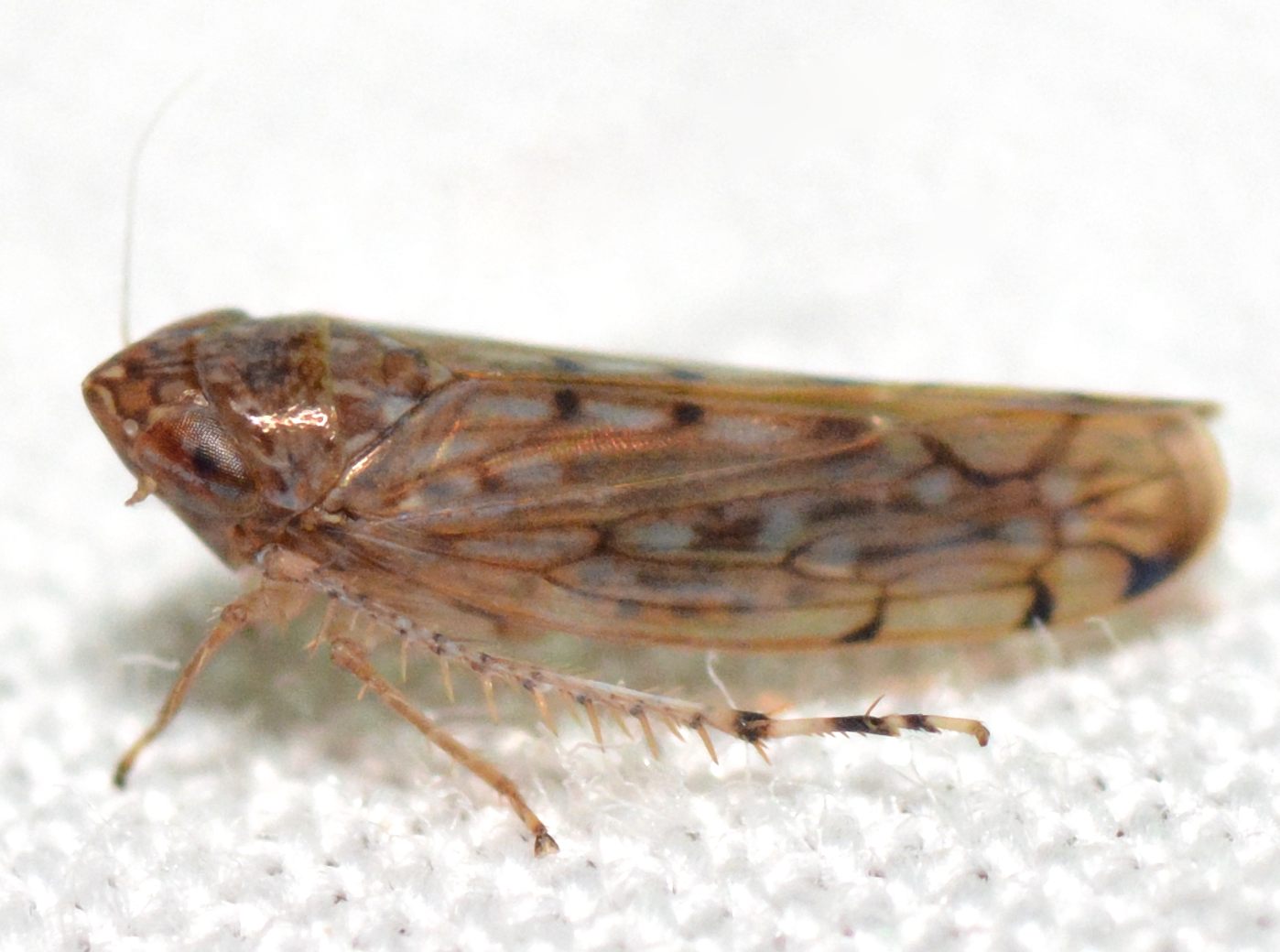
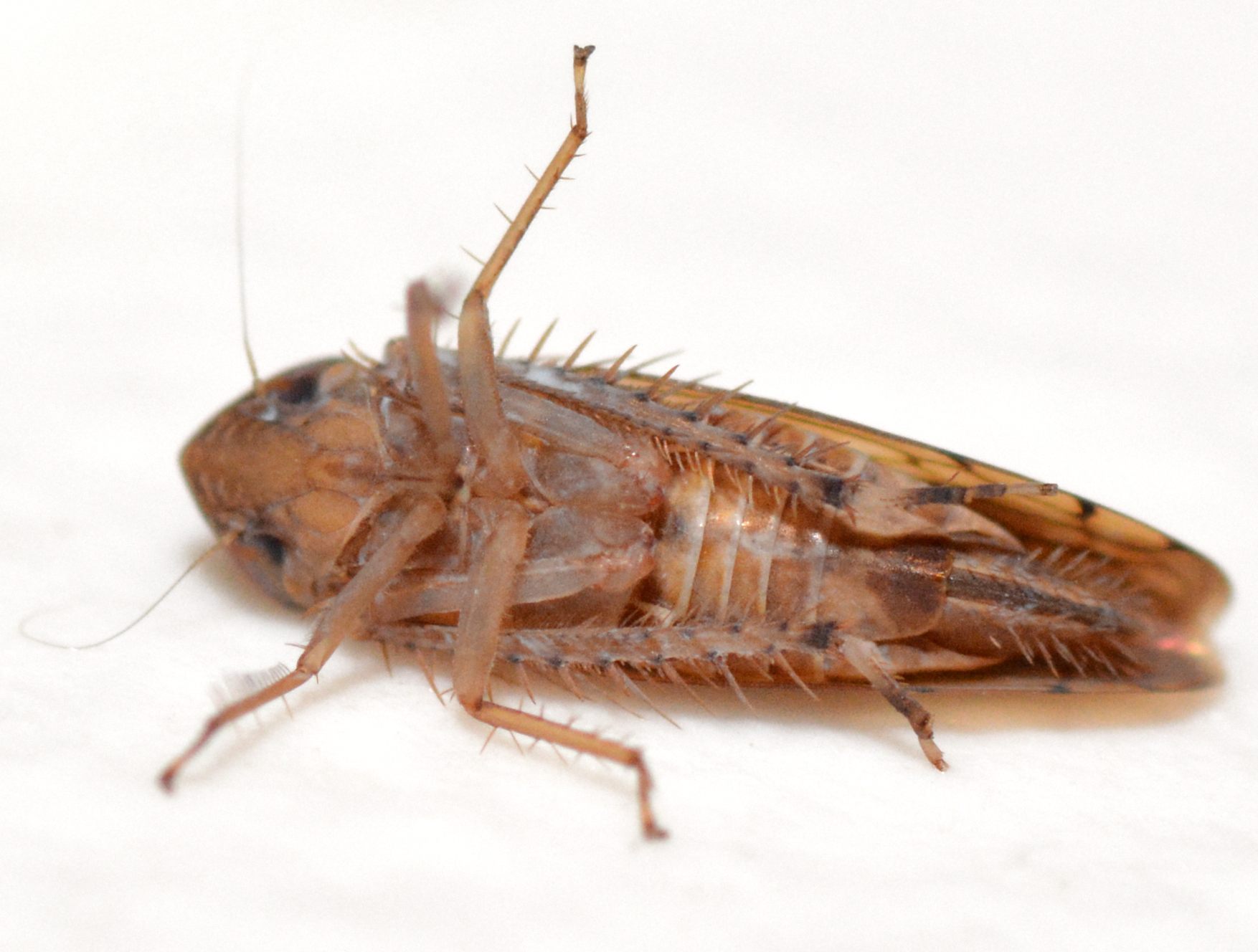
A medium-sized leafhopper that is typically a pale reddish-brown color, marked with a fuscous and yellowish mottled pattern. Lines on the vertex blend with and are not much darker than the base color. The pronotum has a row of pale white spots along its anterior edge, behind the eyes; there is also a pale midline. The scutellum is orange-brown, with a bold orange mark in the anterior corners. The female seventh sternite has a sinuate posterior margin; each male plate is long with an attenuate tip. Adults are around 5.5-6.0 mm long. (DeLong 1948).
Nymphs are somewhat bicolored, with brown sides, a yellowish-white underside, and a mostly yellowish-white midline down the body. |
| distribution |
Found throughout North America, especially the eastern half. |
| abundance |
This species has been recorded from the Piedmont and mountains, but likely misidentified or under collected; probably more abundant in the right habitat. |
| seasonal_occurrence | |
| habitat |
Mixed to open forest habitat; where herbaceous vegetation is. Has been found near mixed hardwoods and forest edge. |
| plant associates |
|
| behavior |
Can be attracted at night with a light. |
| comments |
This species is very similar to O. clarus and in fact many individuals of O. clarus were misidentified as O. consors for years online. The two species can be somewhat easily distinguished, as consors is relatively uniformly brown overall while clarus is typically darker, with a distinctly marked and bold mottled pattern on the wings with a row of bold white spots down the middle. The vertex of clarus is also much more boldly patterned than consors, with a distinct white triangle on the apex; in consors, this spot is not as boldly white and does not stand out amongst the rest of the vertex color. The two species of course differ in terms of genitalia. |
status |
[Native:]
[Introduced:]
[Extirpated:] | | list_type |
[Official:]
[Provisional:] |
| adult_id | Unmistakable and widely known Identifiable from good quality photos of unworn specimens
Identifiable from photos showing undersides, or other specialized views [e.g., legs, face]
Identifiable only by close inspection of structural features or by DNA analysis NULL |
| nymph_id | Unmistakable and widely known Identifiable from good quality photos, especially where associated with known host plants
Identifiable from close inspection of specimens or by DNA analysis
Identifiable only through rearing to adulthood NULL |
| G_rank |
|
| S_rank |
|
| rank_comments |
|
| tribe |
Scaphoideini |
| subgenus |
|
Species Photo Gallery for Osbornellus consors No Common Name |
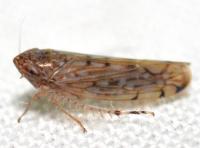 | Photo by: Kyle Kittelberger, Brian Bockhahn
Rockingham Co.
Comment: | 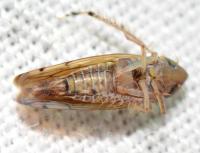 | Photo by: Kyle Kittelberger, Brian Bockhahn
Rockingham Co.
Comment: |
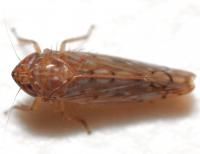 | Photo by: Kyle Kittelberger, Brian Bockhahn
Rockingham Co.
Comment: | 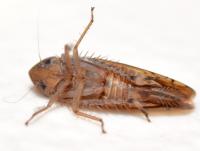 | Photo by: Kyle Kittelberger, Brian Bockhahn
Rockingham Co.
Comment: |
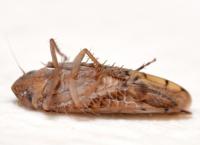 | Photo by: Kyle Kittelberger, Brian Bockhahn
Rockingham Co.
Comment: | 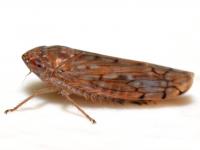 | Photo by: Kyle Kittelberger, Brian Bockhahn
Rockingham Co.
Comment: |
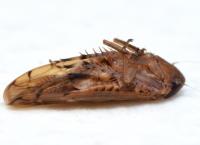 | Photo by: Kyle Kittelberger, Brian Bockhahn
Rockingham Co.
Comment: | 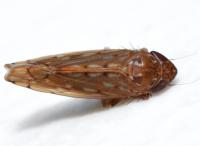 | Photo by: Kyle Kittelberger, Brian Bockhahn
Rockingham Co.
Comment: |
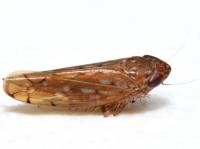 | Photo by: Kyle Kittelberger, Brian Bockhahn
Rockingham Co.
Comment: | 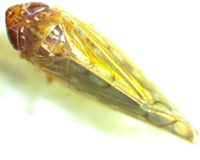 | Photo by: Ken Kneidel
Yancey Co.
Comment: forest edge with small lawn and meadow nearby, male, 5.9 mm |
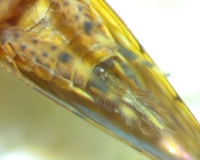 | Photo by: Ken Kneidel
Yancey Co.
Comment: forest edge with small lawn and meadow nearby, male, 5.9 mm | 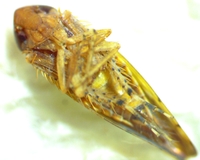 | Photo by: Ken Kneidel
Yancey Co.
Comment: forest edge with small lawn and meadow nearby, male, 5.9 mm |
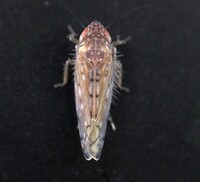 | Photo by: Ted Wilcox
Watauga Co.
Comment: unid_leafhopper | 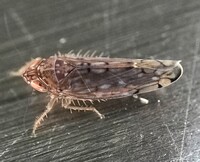 | Photo by: Ted Wilcox
Watauga Co.
Comment: unid_leafhopper |
|

 »
»