|
|
|
| synonym |
|
| description |
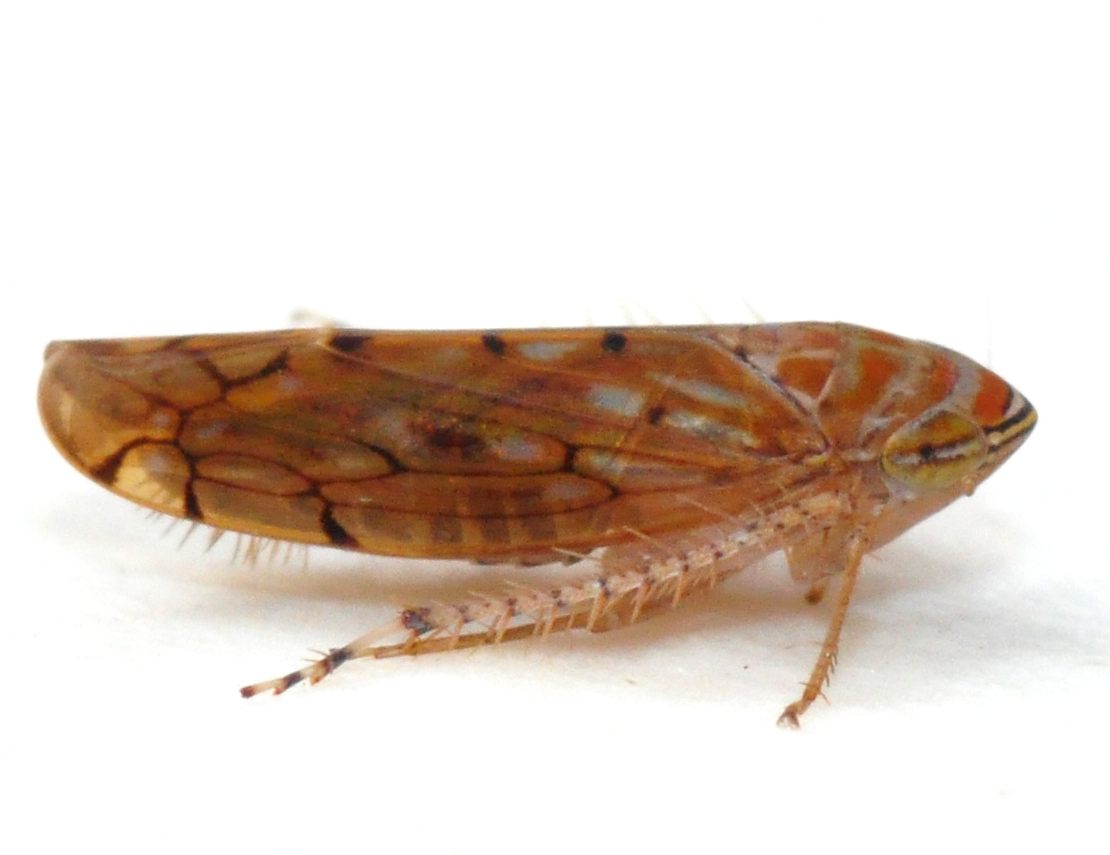
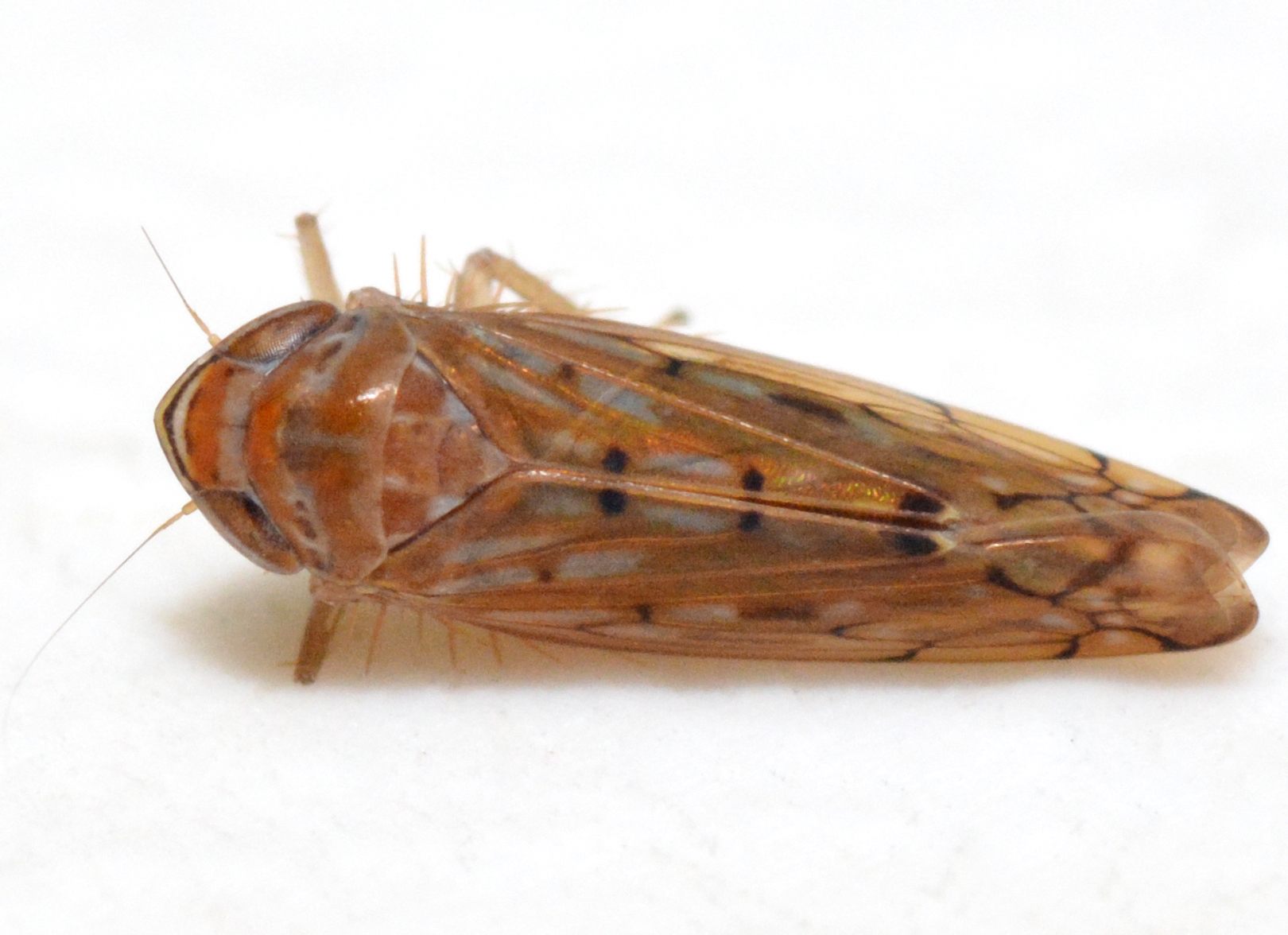
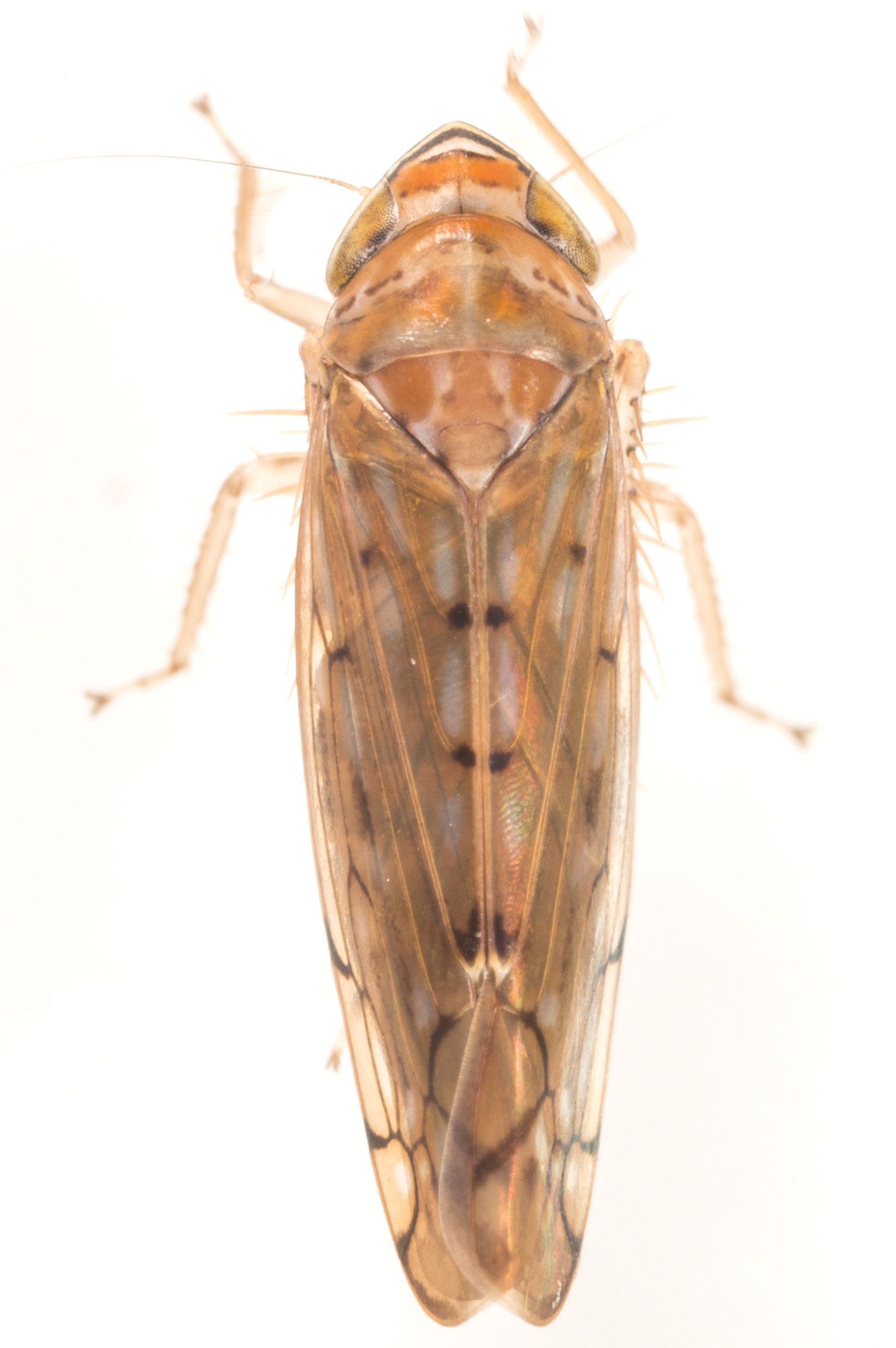
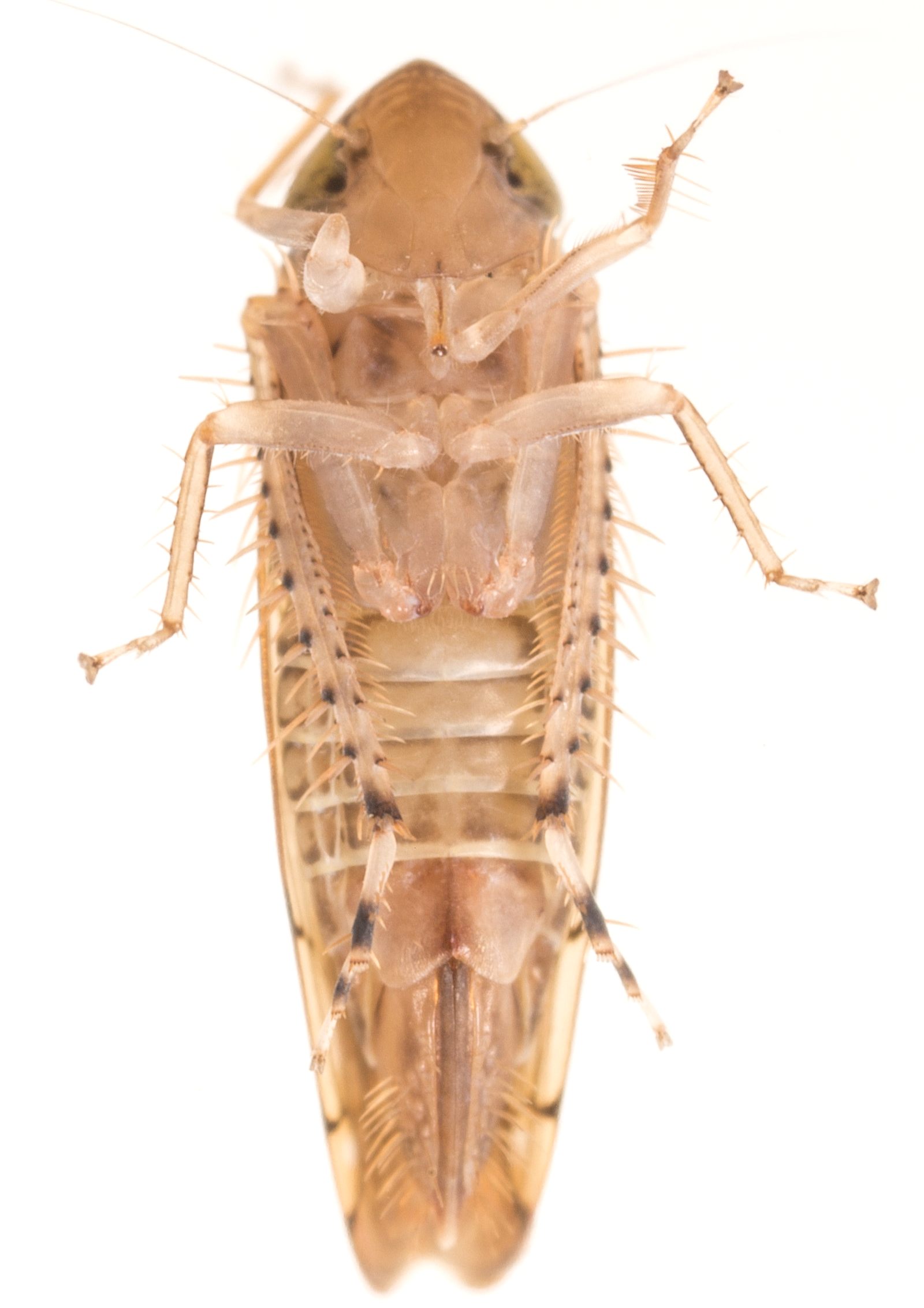
A golden yellowish-orange species with a broad reddish-orange band in front of the eyes. There are three dark brown to black lines on the vertex: one in front of the reddish band, and two others on the crown margin. There is a reddish band at the anterior end of the pronotum, and a broken band near the posterior edge; otherwise, the pronotum is yellowish with some black marks. The scutellum is yellow and orange, with a bold orange triangle in the anterior corners. The wings are yellowish with some dark brown to black and white marks; the venation is dark brown to black. The underside is a pale yellow color. The female pregenital sternite (sternite number 7) has the posterior margin roundedly produced on either side of a moderate/shallow notch. Male plates are long and tapered to acute tips. Adults are around 5.0-6.0 mm long. (DeLong 1948) |
| distribution |
Eastern United States |
| abundance |
Recorded from the Piedmont; likely extremely abundant and common, but under reported since you need to look at the underside to determine species. |
| seasonal_occurrence | |
| habitat |
Mixed hardwood forest; open habitat. |
| plant associates |
|
| behavior |
Can be attracted at night with a light. |
| comments |
This species is one of several that occur in the eastern United States that are visually very similar in both color and pattern. These three species are: auronitens, limosus, and rotundus. The only way to distinguish between these species is with a view of the underside (easy to distinguish with a female, harder with a male). Female pregential sternites vary among the three species, with auronitens having a noticeably deep notch, limosus having a moderate/shallow notch, and rotundus having no notch at all. |
status |
[Native:]
[Introduced:]
[Extirpated:] | | list_type |
[Official:]
[Provisional:] |
| adult_id | Unmistakable and widely known Identifiable from good quality photos of unworn specimens
Identifiable from photos showing undersides, or other specialized views [e.g., legs, face]
Identifiable only by close inspection of structural features or by DNA analysis NULL |
| nymph_id | Unmistakable and widely known Identifiable from good quality photos, especially where associated with known host plants
Identifiable from close inspection of specimens or by DNA analysis
Identifiable only through rearing to adulthood NULL |
| G_rank |
|
| S_rank |
|
| rank_comments |
|
| tribe |
Scaphoideini |
| subgenus |
|
Species Photo Gallery for Osbornellus limosus No Common Name |
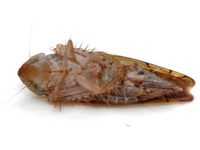 | Photo by: Kyle Kittelberger
Wake Co.
Comment: mixed hardwood forest habitat | 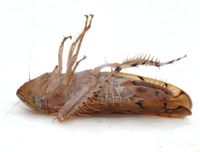 | Photo by: Kyle Kittelberger
Wake Co.
Comment: mixed hardwood forest habitat; "this individual has a less deeply cleft female pregenital sternite, more so than in O. auronitens" AH |
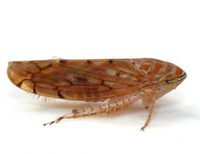 | Photo by: Kyle Kittelberger
Wake Co.
Comment: mixed hardwood forest habitat | 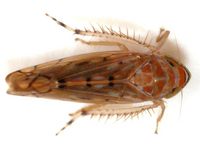 | Photo by: Kyle Kittelberger
Wake Co.
Comment: mixed hardwood forest habitat |
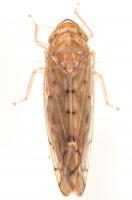 | Photo by: John Rosenfeld
Out Of State Co.
Comment: female | 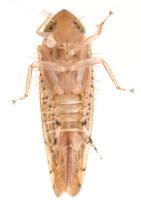 | Photo by: John Rosenfeld
Out Of State Co.
Comment: female |
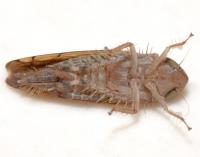 | Photo by: Kyle Kittelberger, Brian Bockhahn
Rockingham Co.
Comment: female | 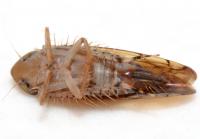 | Photo by: Kyle Kittelberger, Brian Bockhahn
Rockingham Co.
Comment: females |
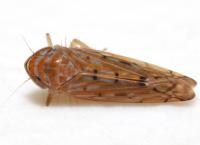 | Photo by: Kyle Kittelberger, Brian Bockhahn
Rockingham Co.
Comment: females | 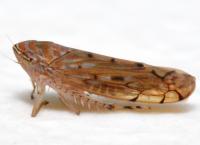 | Photo by: Kyle Kittelberger, Brian Bockhahn
Rockingham Co.
Comment: females |
|

 »
»