
|
|
|
| synonym |
|
| description |
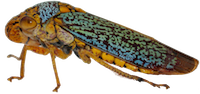
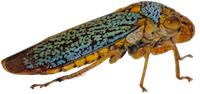
A dark, blackish species: BOLD. |
| distribution |
Eastern United States and Quebec (UDEL) |
| abundance |
Recorded from a couple counties in the mountains, probably more abundant in this region but likely restricted by habitat. |
| seasonal_occurrence | |
| habitat |
Mossy areas in rock outcrops, below shurbs and small trees (especially Chinese privet and eastern red-cedar) (Wheeler,
2003) |
| plant associates |
Polytrichum commune (Polytrichaceae) (common hair-cap moss) (UDEL) |
| behavior |
|
| comments |
Wheeler (2003) notes that late instars of J. opaca overwinter in mats of common hair-cap moss and, unlike the spring and summer nymphs which are yellow or yellow-brown, are dark to fuscous in color. Numbers of this species can fluctuate in response to precipitation, which affects the condition of the moss colonies they inhabit. For more information about this species, see: Wheeler,
2003. |
status |
[Native:]
[Introduced:]
[Extirpated:] | | list_type |
[Official:]
[Provisional:] |
| adult_id | Unmistakable and widely known Identifiable from good quality photos of unworn specimens
Identifiable from photos showing undersides, or other specialized views [e.g., legs, face]
Identifiable only by close inspection of structural features or by DNA analysis NULL |
| nymph_id | Unmistakable and widely known Identifiable from good quality photos, especially where associated with known host plants
Identifiable from close inspection of specimens or by DNA analysis
Identifiable only through rearing to adulthood NULL |
| G_rank |
|
| S_rank |
|
| rank_comments |
|
| tribe |
Delphacini |
| subgenus |
Javesella |

 »
»