|
|
|
| synonym |
|
| description |
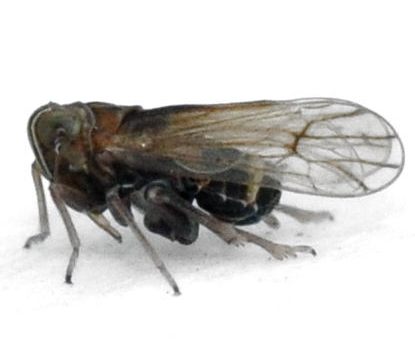
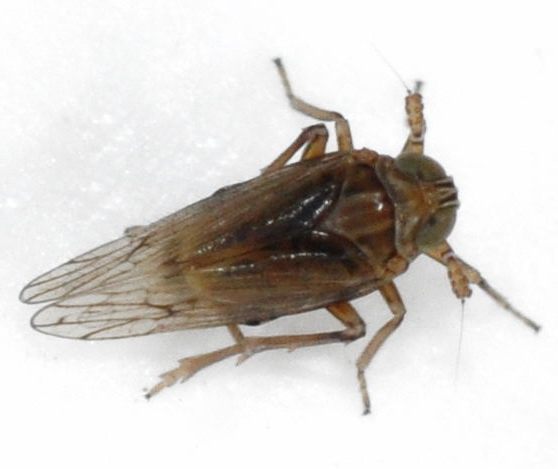
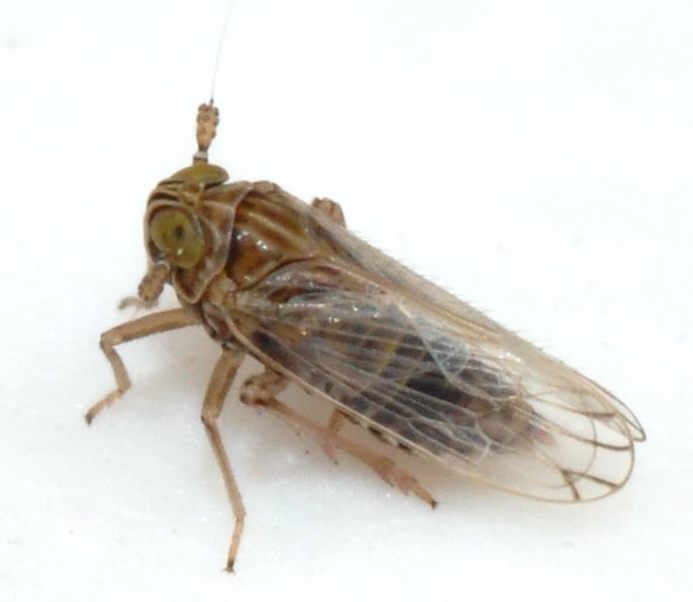
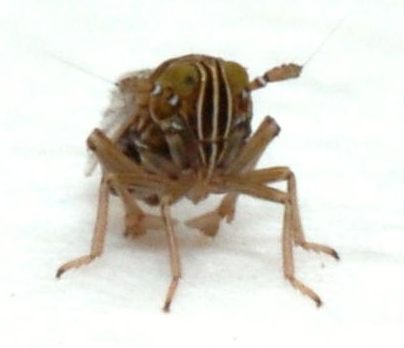
A brown species that tends to be quite variable in color. Both brachypterous and macropterous forms occur, though it seems that the latter is more common. Males are much darker than females, ranging closer to black. Some males have a black thorax with a white ring around the base, similar to Delphacodes puella but lacking the black spot on the wings. Males can have very black faces with pale carinae. Note in males the strongly decurved aedeagus, characteristic of this species. Females are light brown overall with a dark frons and pale ridges on the thorax. |
| distribution |
Widespread and common: holarctic. In the New World, reported from Alaska, throughout Canada, and widespread in the United States, especially the northern states; also reported from Cuba and Puerto Rico. In the Palearctic, found from northern Europe to Northern Africa east to Mongolia and Japan. (UDEL) |
| abundance |
Scattered records across the Piedmont and Coastal Plain where it is uncommon; this species should be found though in the mountains. |
| seasonal_occurrence | |
| habitat |
Has been found in grassy, brushy areas and forest edge. |
| plant associates |
Polyphagous, mostly grasses (Festuca, Elymus, Dactylis, Poa, Deschampsia, Agrostis, Lolium, Calamagrostis, Phleum, and others); less commonly on sedges, rushes, and horsetails. (UDEL) |
| behavior |
Can be attracted at night with a light. |
| comments |
J. pellucida is economically important for barley, maize, oats, tall oat-grass, and wheat; it is a vector of Oat sterile dwarf virus (OSDV) and European wheat striate mosaic virus (EWSMV), as well as Maize rough dwarf virus (MRDV). (UDEL) |
status |
[Native:]
[Introduced:]
[Extirpated:] | | list_type |
[Official:]
[Provisional:] |
| adult_id | Unmistakable and widely known Identifiable from good quality photos of unworn specimens
Identifiable from photos showing undersides, or other specialized views [e.g., legs, face]
Identifiable only by close inspection of structural features or by DNA analysis NULL |
| nymph_id | Unmistakable and widely known Identifiable from good quality photos, especially where associated with known host plants
Identifiable from close inspection of specimens or by DNA analysis
Identifiable only through rearing to adulthood NULL |
| G_rank |
|
| S_rank |
|
| rank_comments |
|
| tribe |
Delphacini |
| subgenus |
Javesella |
Species Photo Gallery for Javesella pellucida No Common Name |
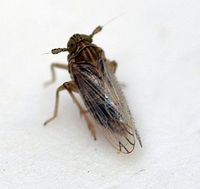 | Photo by: Kyle Kittelberger, Brian Bockhahn, Paul Scharf
Vance Co.
Comment: Caught Sweeping | 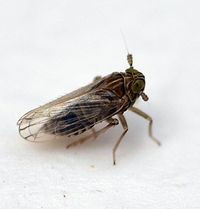 | Photo by: Kyle Kittelberger, Brian Bockhahn, Paul Scharf
Vance Co.
Comment: Caught Sweeping |
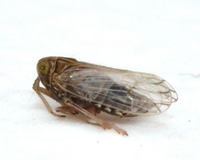 | Photo by: Kyle Kittelberger, Brian Bockhahn, Paul Scharf
Vance Co.
Comment: Field/forest edge habitat | 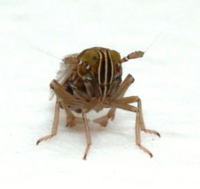 | Photo by: Kyle Kittelberger, Brian Bockhahn, Paul Scharf
Vance Co.
Comment: Field/forest edge habitat |
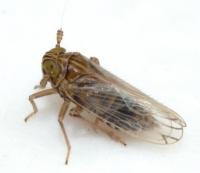 | Photo by: Kyle Kittelberger, Brian Bockhahn, Paul Scharf
Vance Co.
Comment: Field/forest edge habitat | 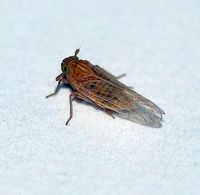 | Photo by: Paul Scharf
Warren Co.
Comment: Attracted To Black Light |
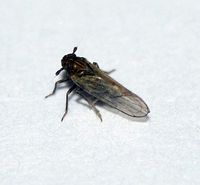 | Photo by: Paul Scharf
Warren Co.
Comment: Attracted to Black Light. Above 45 degrees | 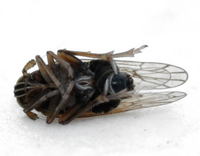 | Photo by: Kyle Kittelberger, Brian Bockhahn, Paul Scharf
Surry Co.
Comment: grassy, brushy habitat near forest edge & forest; males |
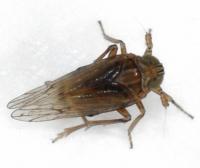 | Photo by: Kyle Kittelberger, Brian Bockhahn, Paul Scharf
Surry Co.
Comment: grassy, brushy habitat near forest edge & forest; males | 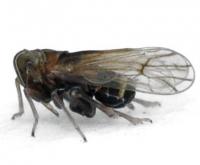 | Photo by: Kyle Kittelberger, Brian Bockhahn, Paul Scharf
Surry Co.
Comment: grassy, brushy habitat near forest edge & forest; males |
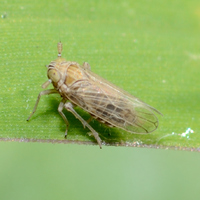 | Photo by: Margarita Lankford
Orange Co.
Comment: crabgrass lawn | 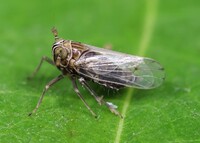 | Photo by: Rob Van Epps
Mecklenburg Co.
Comment: Attracted to porch light. Suburban yard near woods. |
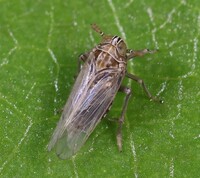 | Photo by: Rob Van Epps
Mecklenburg Co.
Comment: Attracted to porch light. Suburban yard near woods. |

 »
»