| description |
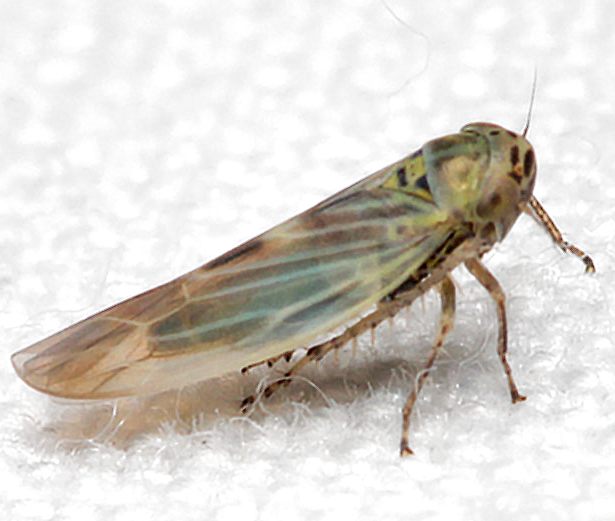
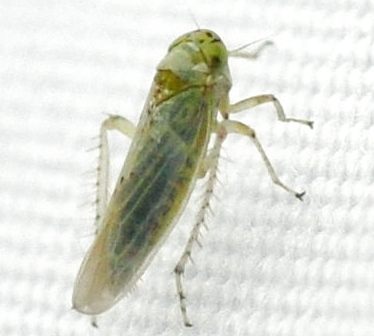
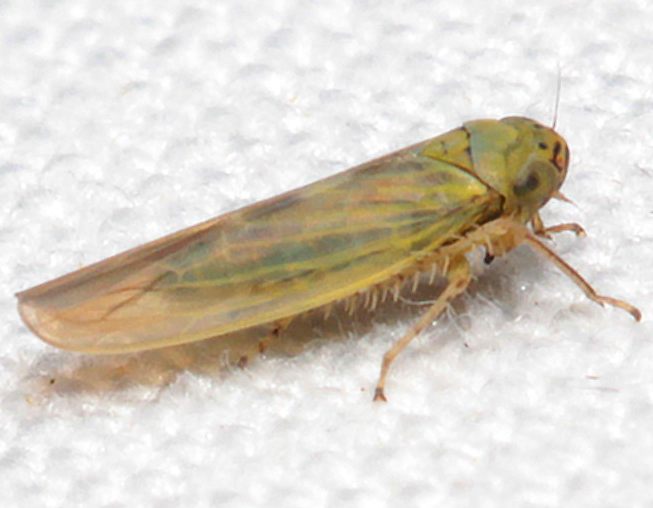
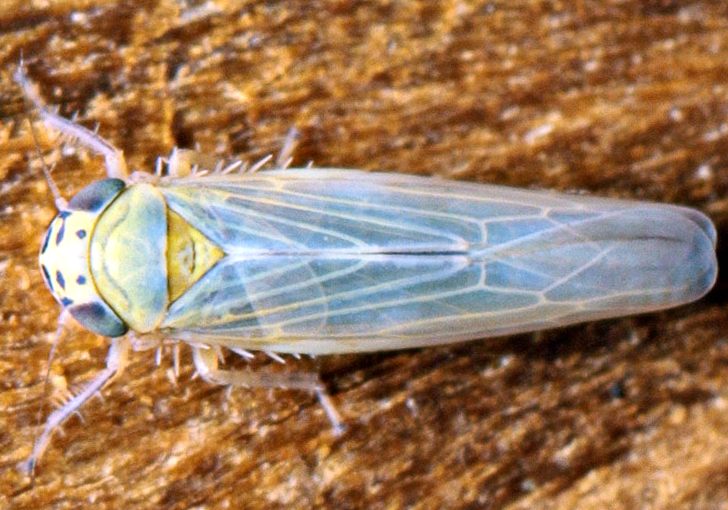
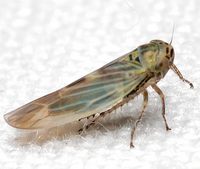
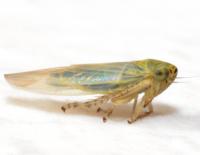
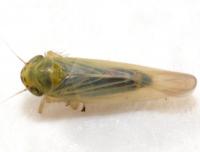
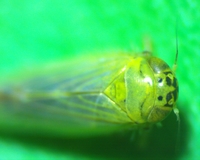
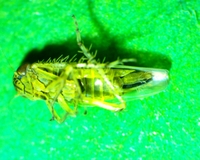
A yellow to yellowish-green species, sometimes with faint smoky markings on the wings, with a bold head pattern. It has narrow wings and [typically] 6 bold black marks on the head: 4 lines (hence quadrilineatus) and 2 spots posterior to the lines (this species used to be known as the Six-spotted Leafhopper). Sometimes the number of marks is reduced to just 4 or 2 bold ones, with the spots not present on every individual (they can disappear partly); additionally, the boldness of the head markings can vary. The vertex is broad, being more than twice as wide as long and rounded anteriorly in both sexes. The scutellum has two small black triangles in the upper corners, though these 'triangle's can sometimes be reduced to just a small black base/line; in other individuals, the scutellum is entirely green. This species has very long wings for the genus, longer than related species, with the wings 4.5 x as long as wide. The subgenital plates have 7-9 macrosetae on each side. Adult males are 3.1-4.0 mm long, while females are 3.4-4.3 mm. (Hamilton 1983, Kwon & Kwon, 2022)
Nymphs are greenish with some dark coloration, especially on the wing pagds. The crown shows black markings similar to those found on adults. For an image of a nymph associating with an adult, see: BG.
For additional images of this species, including diagrams, see: 3I. |
| comments |
This species is a major agricultural pest and disease vector, and is one of the most common leafhoppers found in U.S. corn. It can transmit the semipersistant maize chlorotic dwarf virus and the persistent diseases maize rayado fino maya virus (MRFM), corn stunt spiroplasma (CSS) and maize bushy stunt phytoplasma (MBSP) (UF), as well as oat blue dwarf, American aster yellows, and horseradish brittle-root (Kwon & Kwon, 2022).
This species is part of the quadrilineatus complex, which consists of many similar species occurring throughout North America. Records previously labeled as M. fascifrons, which has now been synonymized with this species, have been entered here correctly as quadrilineatus. (Kwon & Kwon, 2022) |
Species Photo Gallery for Macrosteles quadrilineatus Aster Leafhopper |
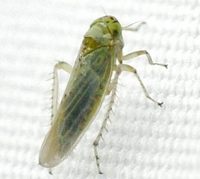 | Photo by: Kyle Kittelberger
Wake Co.
Comment: grassy habitat | 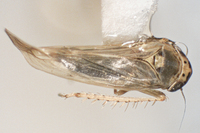 | Photo by: UDCC
Swain Co.
Comment: as M. divisus; (24-XI)-(18-XII)-2001 Malaise Trap11, MT1120011218\r\nQuantity: 3 females, 1 male |
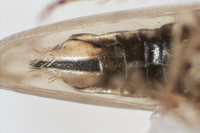 | Photo by: UDCC
Swain Co.
Comment: as M. divisus; (24-XI)-(18-XII)-2001 Malaise Trap11, MT1120011218rnQuantity: 3 females, 1 male | 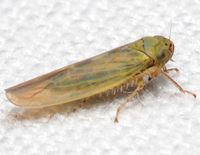 | Photo by: Ken Childs
Out Of State Co.
Comment: |
 | Photo by: Ken Childs
Out Of State Co.
Comment: | 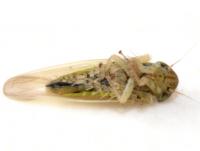 | Photo by: Kyle Kittelberger, Brian Bockhahn, Paul Scharf
Avery Co.
Comment: open area near mixed hardwood forest |
 | Photo by: Kyle Kittelberger, Brian Bockhahn, Paul Scharf
Avery Co.
Comment: open area near mixed hardwood forest | 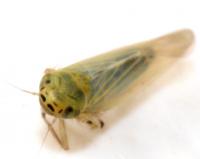 | Photo by: Kyle Kittelberger, Brian Bockhahn, Paul Scharf
Avery Co.
Comment: open area near mixed hardwood forest |
 | Photo by: Kyle Kittelberger, Brian Bockhahn, Paul Scharf
Avery Co.
Comment: open area near mixed hardwood forest | 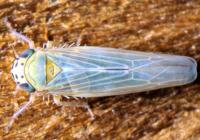 | Photo by: Ken Childs
Out Of State Co.
Comment: |
 | Photo by: Ken Kneidel
Mecklenburg Co.
Comment: male, 3.5 mm Walking along the muddy edge of a large pond I flushed a dense flurry over the course of 20 meters, one half-hearted sweep yielded 31. | 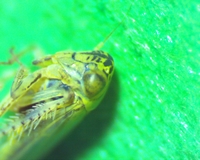 | Photo by: Ken Kneidel
Mecklenburg Co.
Comment: male, 3.5 mm Walking along the muddy edge of a large pond I flushed a dense flurry over the course of 20 meters, one half-hearted sweep yielded 31. |
 | Photo by: Ken Kneidel
Mecklenburg Co.
Comment: male, 3.5 mm Walking along the muddy edge of a large pond I flushed a dense flurry over the course of 20 meters, one half-hearted sweep yielded 31. | 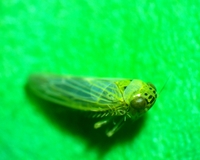 | Photo by: Ken Kneidel
Mecklenburg Co.
Comment: male, 3.5 mm Walking along the muddy edge of a large pond I flushed a dense flurry over the course of 20 meters, one half-hearted sweep yielded 31. |
 | Photo by: Ken Kneidel
Mecklenburg Co.
Comment: male, 3.5 mm Walking along the muddy edge of a large pond I flushed a dense flurry over the course of 20 meters, one half-hearted sweep yielded 31. | 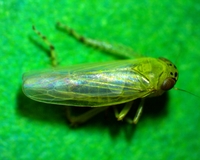 | Photo by: Ken Kneidel
Mecklenburg Co.
Comment: male, 3.5 mm Walking along the muddy edge of a large pond I flushed a dense flurry over the course of 20 meters, one half-hearted sweep yielded 31. |
 | Photo by: J. B. Sullivan
Yancey Co.
Comment: | 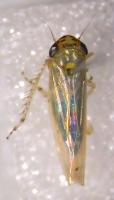 | Photo by: J. B. Sullivan
Yancey Co.
Comment: |
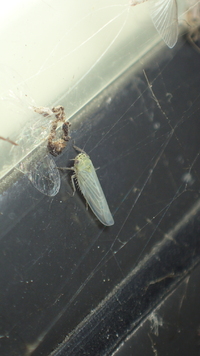 | Photo by: Erich Hofmann
New Hanover Co.
Comment: | 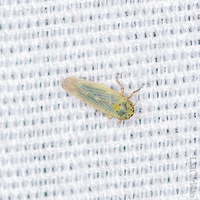 | Photo by: Lior Carlson
Orange Co.
Comment: |
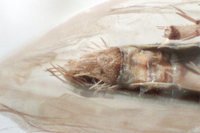 | Photo by: UDCC
Swain Co.
Comment: as M. divisus | 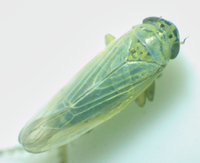 | Photo by: Ken Kneidel
Mecklenburg Co.
Comment: 3.8 mm female came to UV/CFL light combo at night |
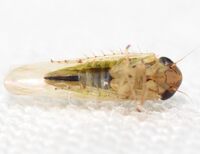 | Photo by: Kyle Kittelberger, Brian Bockhahn
Polk Co.
Comment: female | 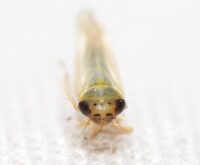 | Photo by: Kyle Kittelberger, Brian Bockhahn
Polk Co.
Comment: female |
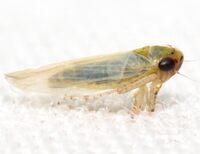 | Photo by: Kyle Kittelberger, Brian Bockhahn
Polk Co.
Comment: female | 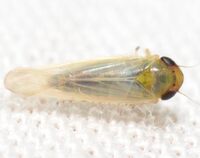 | Photo by: Kyle Kittelberger, Brian Bockhahn
Polk Co.
Comment: female |
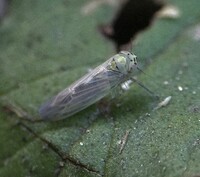 | Photo by: Ted Wilcox
Watauga Co.
Comment: unid_leafhopper | 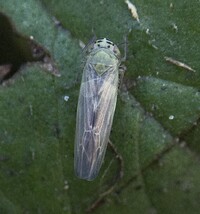 | Photo by: Ted Wilcox
Watauga Co.
Comment: unid_leafhopper |
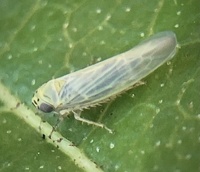 | Photo by: Ken Kneidel
Mecklenburg Co.
Comment: came to UV light at night set up over athletic field turf | 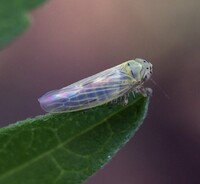 | Photo by: Ted Wilcox
Watauga Co.
Comment: unid_leafhopper |
 | Photo by: Marilyn Westphal, Nora Murdock
Henderson Co.
Comment: Using beat sheet | 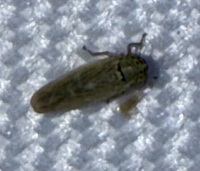 | Photo by: Marilyn Westphal, Nora Murdock
Henderson Co.
Comment: Using beat sheet |
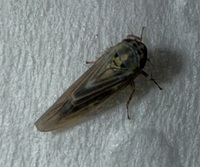 | Photo by: Marilyn Westphal, Nora Murdock
Henderson Co.
Comment: Cold but mostly sunny, temp about 45. |

 »
»