|
|
|
| synonym |
|
| description |
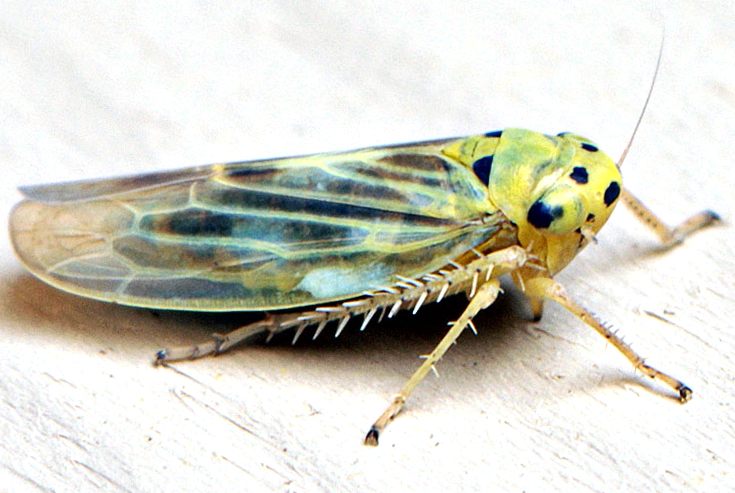
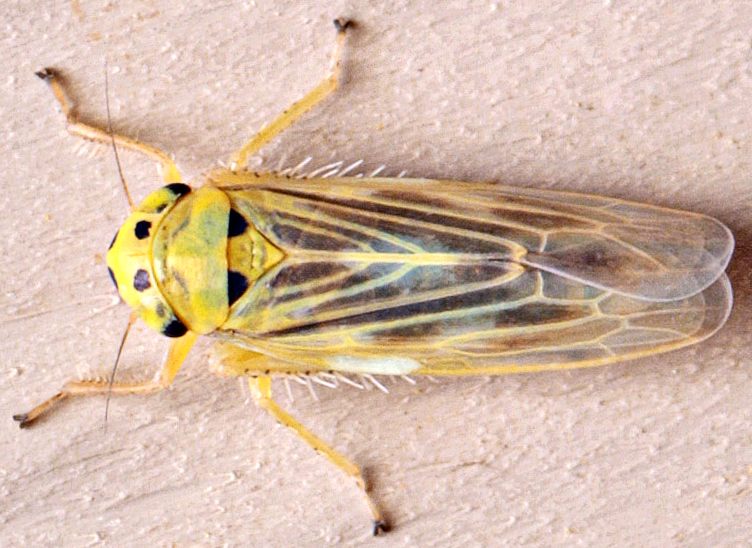
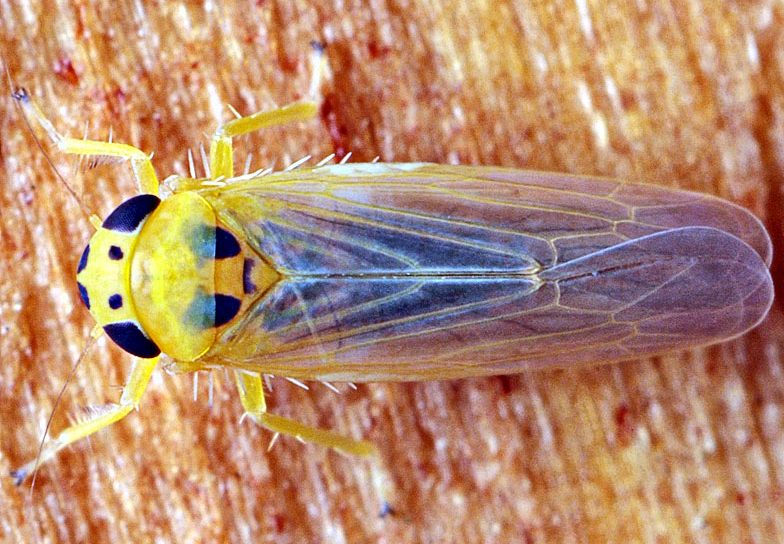
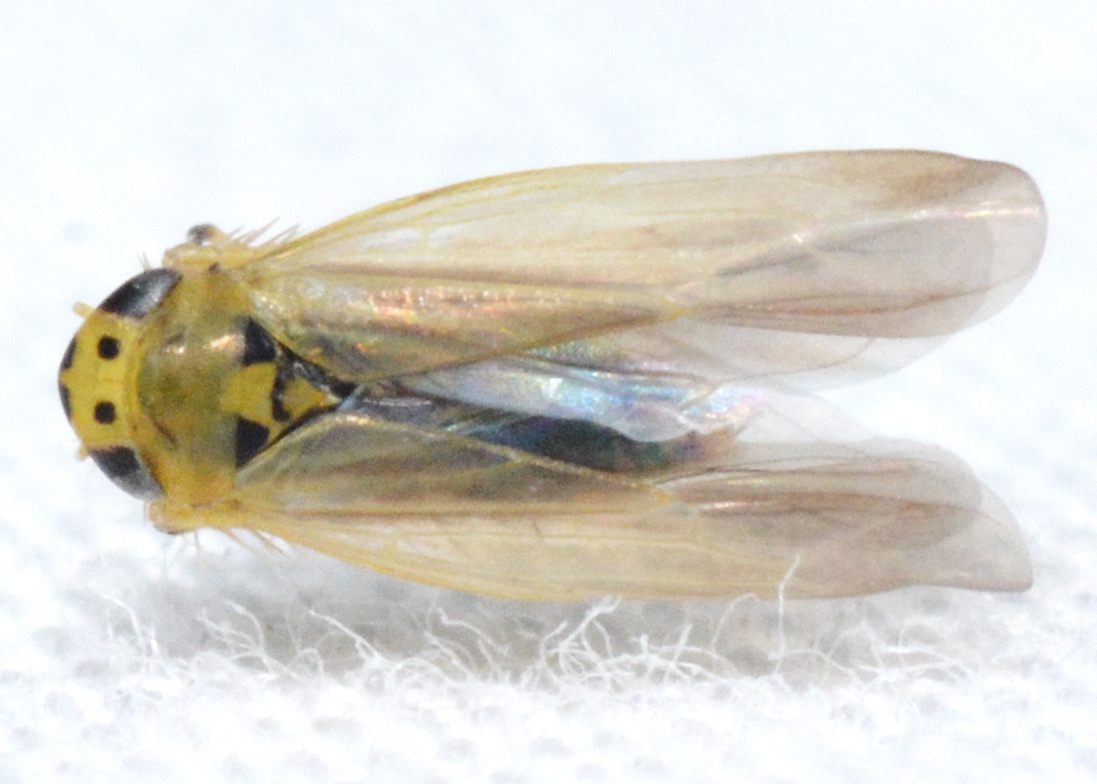
This is a highly variable species, with color (primarily on the wings) ranging from yellow to yellowish green to ochreous, often with dark markings enlarged on the pronotum and smoky tinting broadly on the wings; this can give the wings a heavily patterned look, especially as there may be paler areas within the smoky patterning. The head pattern is also variable; adults typically have 4 bold black spots on the head, 2 on the edge of the vertex (these anterior spots are large) and 2 posterior spots further in between the eyes on the top of the vertex, which are smaller than the anterior spots and isolated. Median spots are always absent, while lateral spots are often present and confluent with anterior spots (meaning they typically connect with the anterior spot through an extended bar on the edge of the vertex). The vertex is longer than half of the pronotum mesally and is deeply rounded anteriorly. The face can sometimes have brown transverse bands partially present. Furthermore, the basal angles of the scutellum are black [triangles], and there can sometimes be an horizontal black bar along the scutellar sulcus. The female pregenital sternite has a small triangular median notch; the rest of the posterior margin is relatively straight. The male subgenital plate tapers to an elongated process; there are 9 prominent macrosetae on the lateral margins. Adult males are 3.4-3.7 mm long, while females are 3.7-4.2 mm. (Kwon 2010; Kwon & Kwon, 2022) |
| distribution |
Eastern and central North America (Kwon & Kwon, 2022) |
| abundance |
Scattered records across the state, where it is seemingly most abundant in the mountains; probably more abundant in the right habitat. |
| seasonal_occurrence | |
| habitat |
Has been found in brushy, grassy areas. |
| plant associates |
? |
| behavior |
Can be attracted at night with a light. |
| comments |
This species is quite similar to M. lepidus and an identification can be challenging between the two; it is therefore important for either a detailed, clear view of the head to show the markings or a nice image of the female pregenital sternite. he size of the central black spots on the top of the vertex are typically noticeably larger in lepidus than parvidens and, when present, the black spot next to the eye in parvidens is typically connected to the vertex spot through a connecting bar. Additionally, lepidus tends to have a head that has a shorter width between the eyes than parvidens. Finally, the wings of lepidus are typically semi-hyaline to slightly smoky, while the wings of parvidens are typically quite smoky, sometimes with various noticeably white patches amid the dark. The pronotum of parvidens can, in some individuals, be quite dark; the scutellar dark angles are also larger in parvidens, encompassing the entire basal angle; in lepidus, the dark marks don't tend to reach the margins of the scutellum, and they are also smaller. (Kwon & Kwon, 2022)
This species was previously known as M. variatus until very recently; variatus is an Old World species. The species formerly in the "variatus" complex are similar to one another visually, with slight differences in head pattern; parvidens is the only member of the "variatus" complex found south of the Northeastern United States. |
status |
[Native:]
[Introduced:]
[Extirpated:] | | list_type |
[Official:]
[Provisional:] |
| adult_id | Unmistakable and widely known Identifiable from good quality photos of unworn specimens
Identifiable from photos showing undersides, or other specialized views [e.g., legs, face]
Identifiable only by close inspection of structural features or by DNA analysis NULL |
| nymph_id | Unmistakable and widely known Identifiable from good quality photos, especially where associated with known host plants
Identifiable from close inspection of specimens or by DNA analysis
Identifiable only through rearing to adulthood NULL |
| G_rank |
|
| S_rank |
|
| rank_comments |
|
| tribe |
Macrostelini |
| subgenus |
|
Species Photo Gallery for Macrosteles parvidens No Common Name |
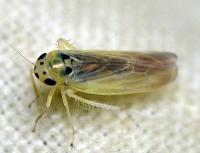 | Photo by: Paul Scharf
Avery Co.
Comment: grassy, brushy habitat and forest edge/interior | 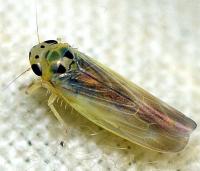 | Photo by: Paul Scharf
Avery Co.
Comment: grassy, brushy habitat and forest edge/interior |
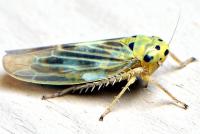 | Photo by: Ken Childs
Out Of State Co.
Comment: | 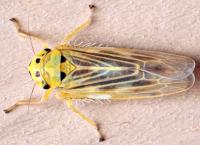 | Photo by: Ken Childs
Out Of State Co.
Comment: |
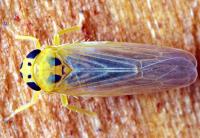 | Photo by: Ken Childs
Out Of State Co.
Comment: | 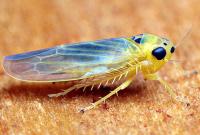 | Photo by: Ken Childs
Out Of State Co.
Comment: |
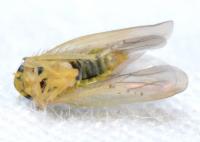 | Photo by: Kyle Kittelberger, Brian Bockhahn
Clay Co.
Comment: male; 3.7 mm | 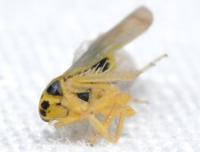 | Photo by: Kyle Kittelberger, Brian Bockhahn
Clay Co.
Comment: male; 3.7 mm |
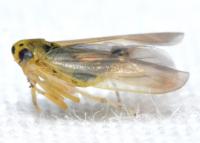 | Photo by: Kyle Kittelberger, Brian Bockhahn
Clay Co.
Comment: male; 3.7 mm | 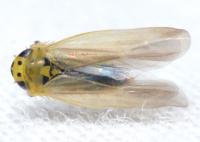 | Photo by: Kyle Kittelberger, Brian Bockhahn
Clay Co.
Comment: male; 3.7 mm |
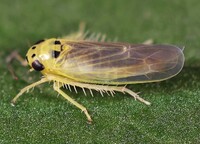 | Photo by: Rob Van Epps
Mecklenburg Co.
Comment: Caught sweeping. | 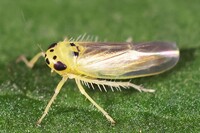 | Photo by: Rob Van Epps
Mecklenburg Co.
Comment: Caught sweeping. |
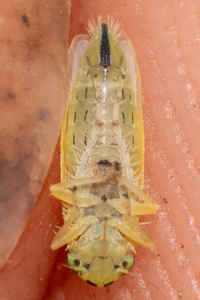 | Photo by: Scott Bolick
Forsyth Co.
Comment: | 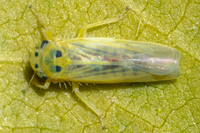 | Photo by: Scott Bolick
Forsyth Co.
Comment: |
|

 »
»