|
|
|
| synonym |
|
| description |
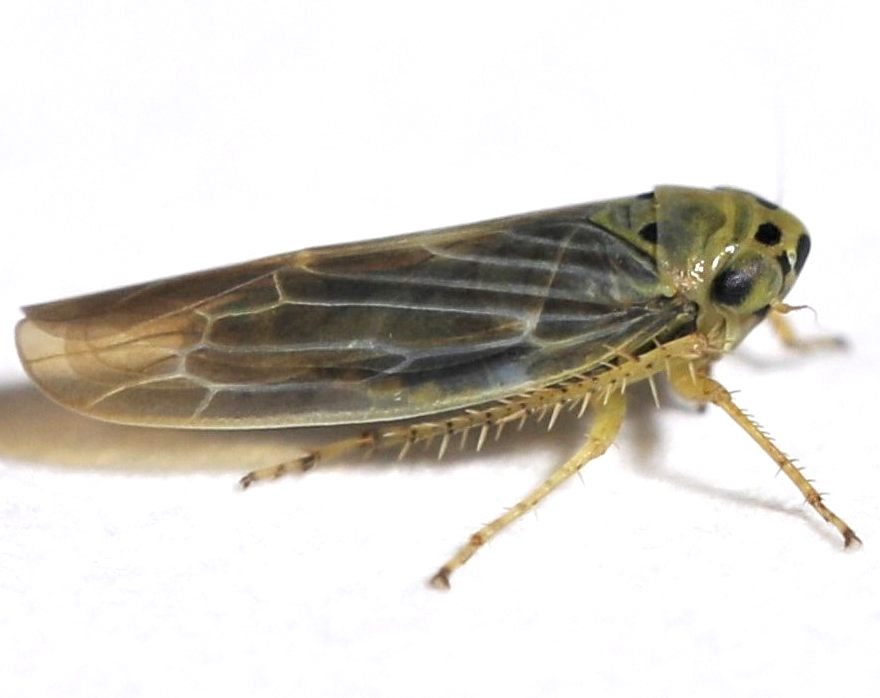
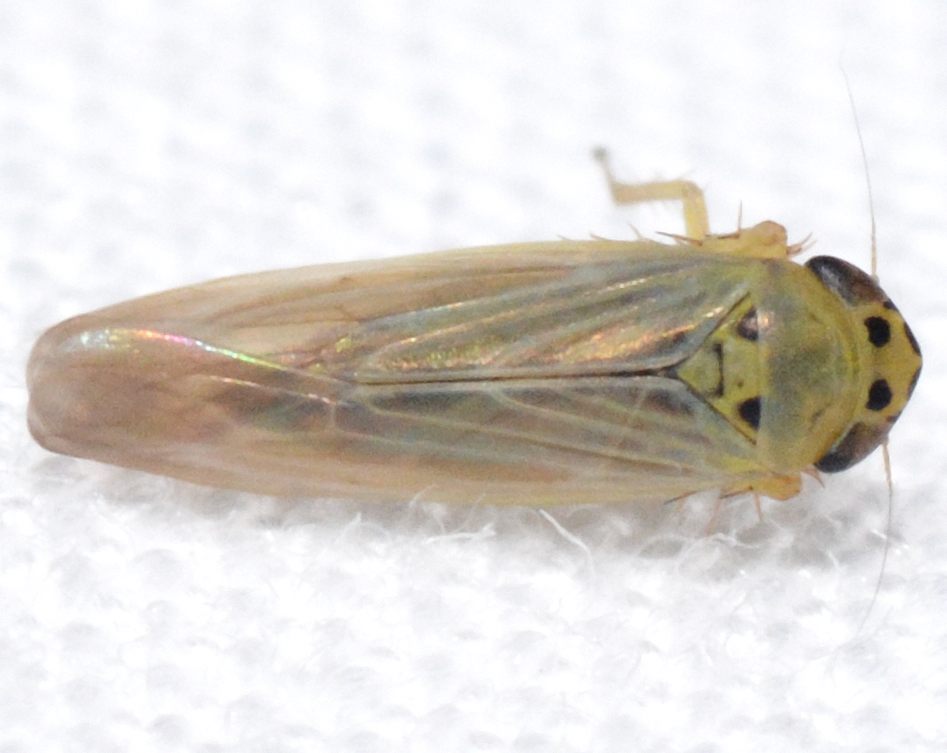
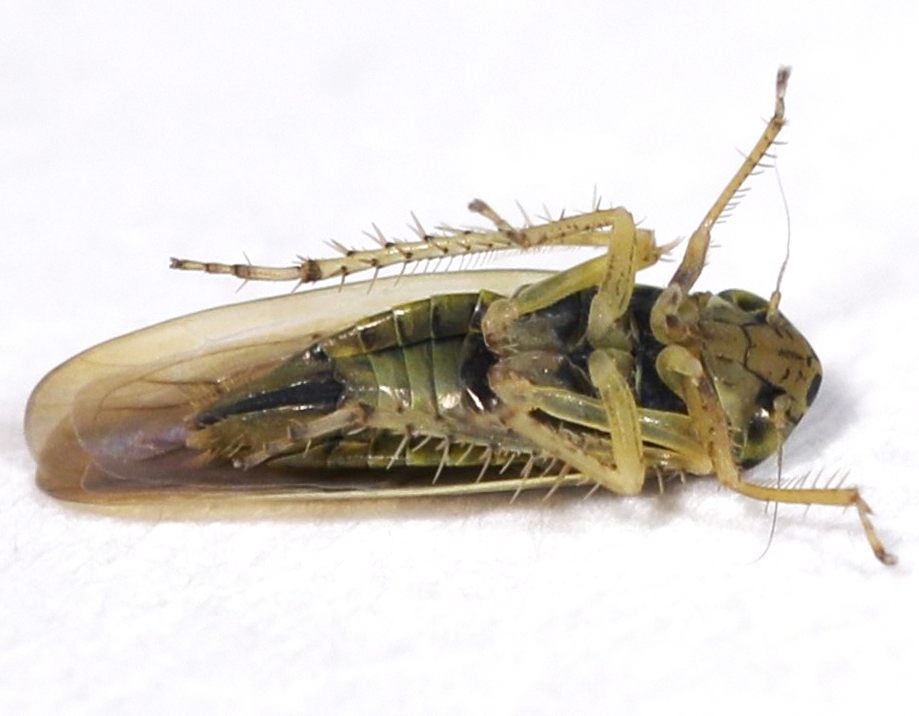
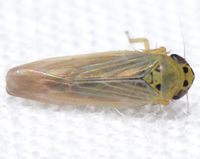
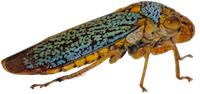
A yellow, ochreous to yellowish green species overall, sometimes with faint smoky tinting to the wings. The vertex is essentially rounded in males and slightly pointed in females. There are six prominent large, black markings on the vertex: 2 large ones in the middle of the head (between the eyes), 2 on the vertex edge (these are tear-shaped), and 1 on the side of each eye. Median spots are always absent on the vertex, while lateral spots are sometimes present and, if so, isolated. The size and boldness of these head markings can vary among individuals. The face has transverse streaks reduced or absent. There is a small black spot in each lateral triangle of the scutellum. The female pregenital sternite has the posterior margin convexly rounded on either side of a broad but shallow median excavation. The male subgenital plates are short, with attenuated apexes; there are 9-11 macrosetae along the lateral margins. Adults males are 3.2-3.7 mm long, females are 3.5-4.0 mm. (DeLong 1948; Kwon & Kwon, 2022)
For images of this species, see: BG. For diagrams of this species, see: 3I. |
| distribution |
Primarily eastern and central United States, though also known from Oregon and Ontario (Kwon & Kwon, 2022). |
| abundance |
Recorded from the Piedmont and mountains, where uncommon; probably more abundant in the right habitat. |
| seasonal_occurrence | |
| habitat |
Near moist or swampy woodland areas |
| plant associates |
? |
| behavior |
Can be attracted at night with a light. |
| comments |
This species is very similar to M. parvidens and an identification can be challenging between the two; it is therefore important for either a detailed, clear view of the head to show the markings or a nice image of the female pregenital sternite. The size of the central black spots on the top of the vertex are typically noticeably larger in lepidus than parvidens and, when present, the black spot next to the eye in parvidens is typically connected to the vertex spot through a connecting bar. Additionally, lepidus tends to have a head that has a shorter width between the eyes than parvidens. Finally, the wings of lepidus are typically semi-hyaline to slightly smoky, while the wings of parvidens are typically quite smoky, sometimes with various noticeably white patches amid the dark. The pronotum of parvidens can, in some individuals, be quite dark; the scutellar dark angles are also larger in parvidens, encompassing the entire basal angle; in lepidus, the dark marks don't tend to reach the margins of the scutellum, and they are also smaller. (Kwon & Kwon, 2022) |
status |
[Native:]
[Introduced:]
[Extirpated:] | | list_type |
[Official:]
[Provisional:] |
| adult_id | Unmistakable and widely known Identifiable from good quality photos of unworn specimens
Identifiable from photos showing undersides, or other specialized views [e.g., legs, face]
Identifiable only by close inspection of structural features or by DNA analysis NULL |
| nymph_id | Unmistakable and widely known Identifiable from good quality photos, especially where associated with known host plants
Identifiable from close inspection of specimens or by DNA analysis
Identifiable only through rearing to adulthood NULL |
| G_rank |
|
| S_rank |
|
| rank_comments |
|
| tribe |
Macrostelini |
| subgenus |
|
Species Photo Gallery for Macrosteles lepidus No Common Name |
 | Photo by: Ken Kneidel
Mecklenburg Co.
Comment: 4.1 mm, sweep through permanently wet marshy area | 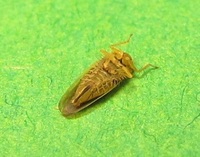 | Photo by: Ken Kneidel
Mecklenburg Co.
Comment: 4.1 mm, sweep through permanently wet marshy area |
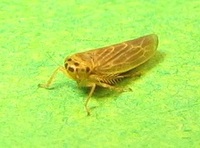 | Photo by: Ken Kneidel
Mecklenburg Co.
Comment: 4.1 mm, sweep through permanently wet marshy area | 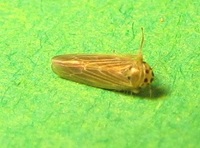 | Photo by: Ken Kneidel
Mecklenburg Co.
Comment: 4.1 mm, sweep through permanently wet marshy area |
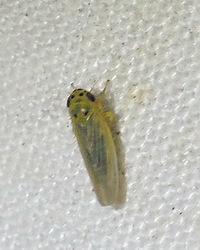 | Photo by: Randy L Emmitt
Orange Co.
Comment: UV light | 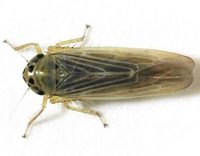 | Photo by: Rob Van Epps
Mecklenburg Co.
Comment: Came to UV light. Suburban yard near woods. Female |
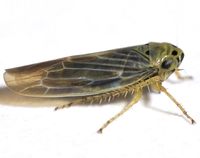 | Photo by: Rob Van Epps
Mecklenburg Co.
Comment: Came to UV light. Suburban yard near woods. Female | 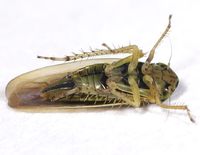 | Photo by: Rob Van Epps
Mecklenburg Co.
Comment: Came to UV light. Suburban yard near woods. Female |
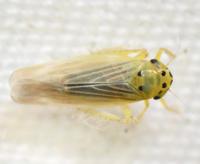 | Photo by: Kyle Kittelberger
Wake Co.
Comment: female | 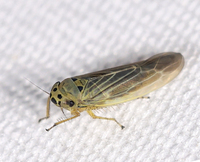 | Photo by: John Petranka
Orange Co.
Comment: Attracted to 15W UV lamp |
 | Photo by: Kyle Kittelberger
Wake Co.
Comment: 3.9 mm, female | 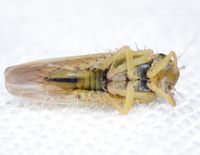 | Photo by: Kyle Kittelberger
Wake Co.
Comment: 3.9 mm, female |
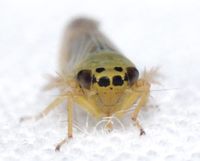 | Photo by: Kyle Kittelberger
Wake Co.
Comment: 3.9 mm, female | 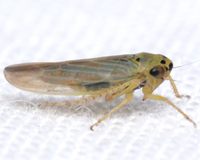 | Photo by: Kyle Kittelberger
Wake Co.
Comment: 3.9 mm, female |
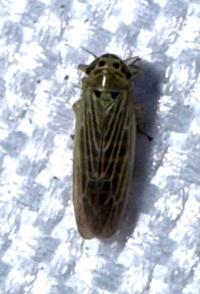 | Photo by: Marilyn Westphal, Nora Murdock
Henderson Co.
Comment: Using beat sheet | 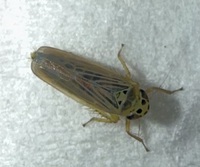 | Photo by: Marilyn Westphal
Henderson Co.
Comment: |
|

 »
»