| description |
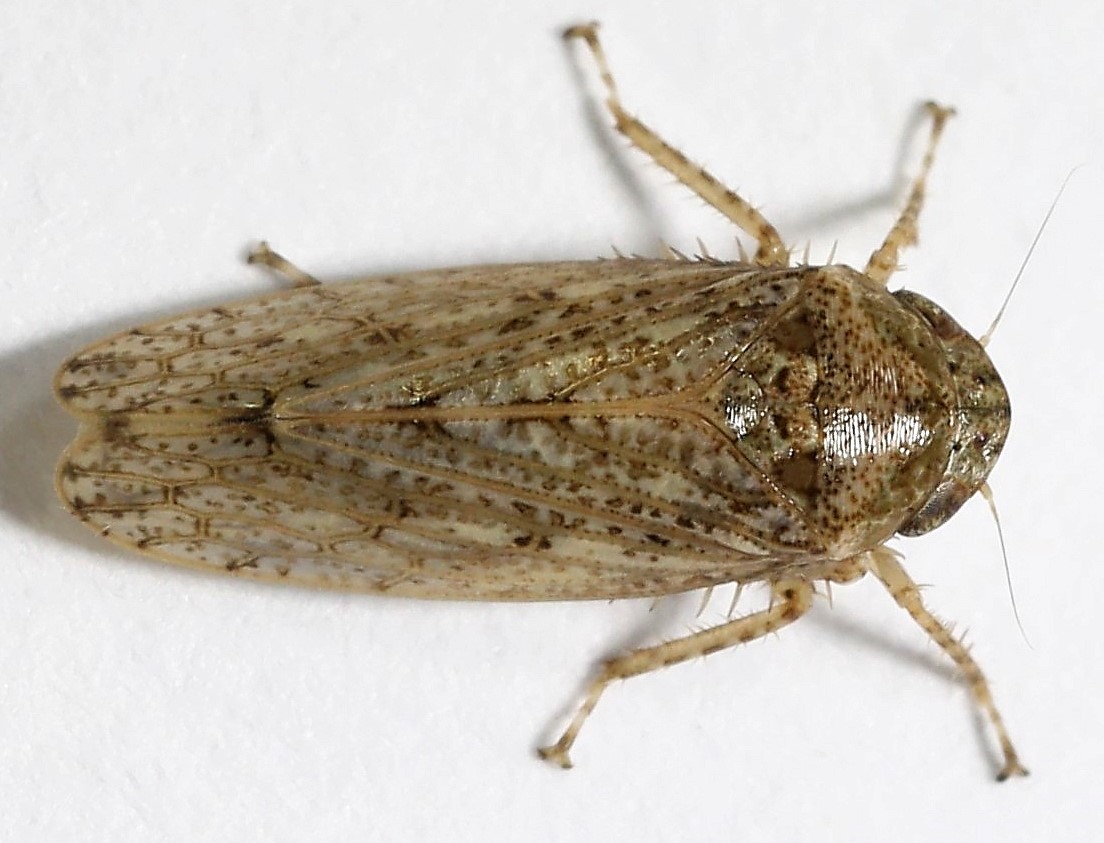
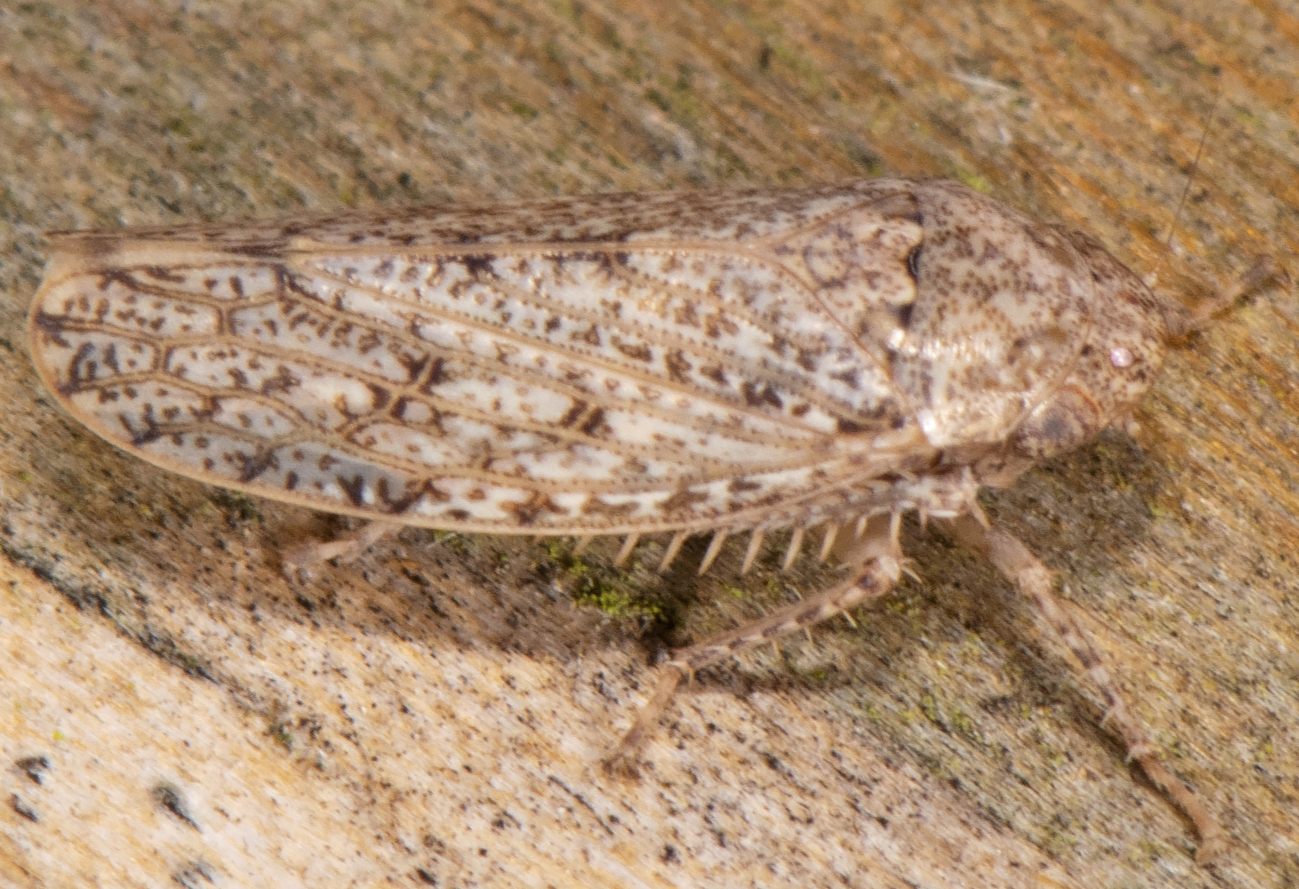
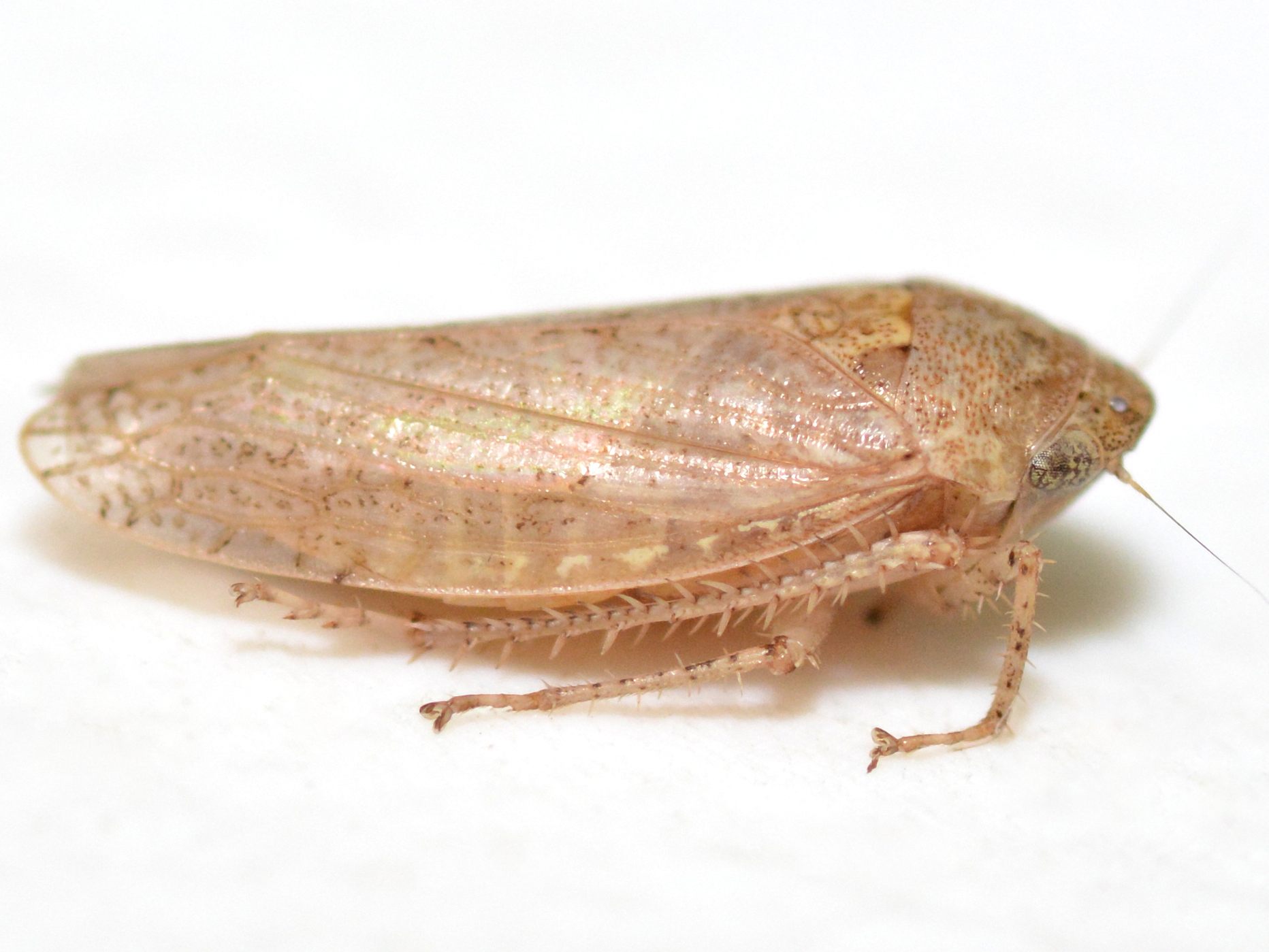
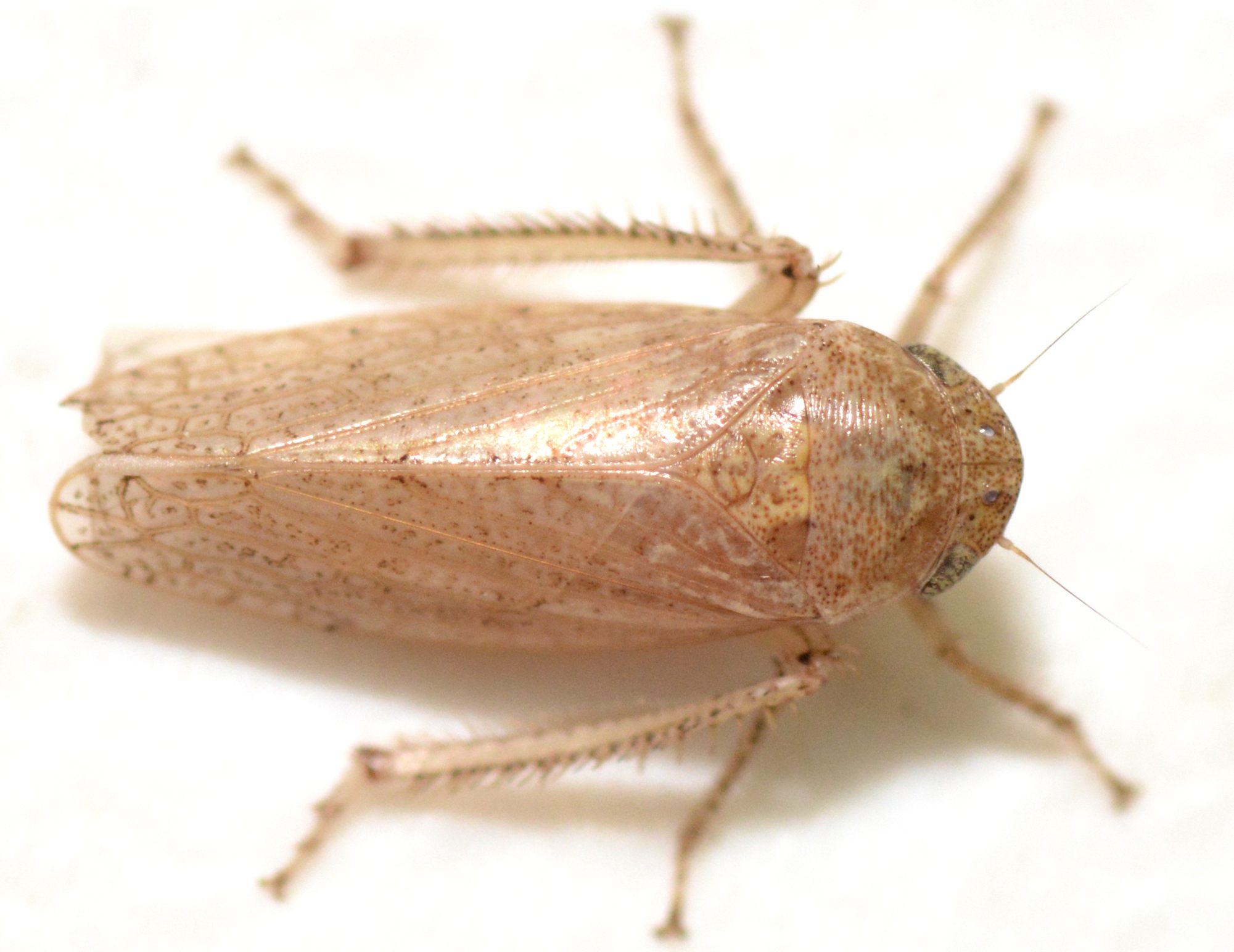
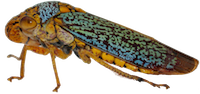
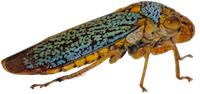
This species is typically a pale brown color with many small dark brown spots. Males are typically heavily irrorate with dense, fine brown speckling across the vertex and pronotum; the elytra are brownish with distinctive pale venation and milky spots scattered irregularly across the wing cells. Females are typically much longer and lighter-colored than males, being grayish to cinereous in color with small fuscous speckling across the wings and body. The crown is more than twice as wide between the eyes as the median length, and is depressed behind the anterior margin. The male subgenital plates are elongate. The female pregenital sternite has produced rounded lateral angles, with the posterior margin roundedly excavated on either side of a produced median lobe, which has a small shallow notch. Adult males are 8 mm long, females are 8.5 mm. (Caldwell & Martorell 1952, DeLong & Freytag 1976)
Nymphs are a tan color overall, with a couple indistinct brown lines longitudinally across the dorsum.
See here for additional images: BG. |
| comments |
NOTE: For years, individuals pertaining to this species have been incorrectly labeled as representing a number of different Gyponine species, most recently being Negosiana miliaris due to visual association with pinned specimens that are now clearly misidentified as N. miliaris and similar matches with descriptions from the literature for miliaris. Curtara insularis, being such a recent arrival in the United States, does not appear in any of the literature for Gyponini in North America. While records north of Florida have not been specifically verified by specimen yet, diagrams of this species (wing, vertex, thorax, female pregenital sternite) are provided in Caldwell & Martorell (1952)- the specimens from North Carolina [and elsewhere in the East] are very clearly Curtara insularis, see page 17 here: Caldwell & Martorell 1952.
Furthermore, per J. Kits, this species is likely synonymous with Curtara samera, which was described from Brazil and Argentina. The genitalia for both species are virtually identical, and preliminary barcode work (which adds credence to the records here pertaining to C. insularis) shows that Florida specimens and those of C. samera from Argentina are genetically the same. (BG) |
Species Photo Gallery for Curtara insularis Ringspot Leafhopper |
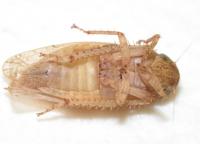 | Photo by: Kyle Kittelberger, Brian Bockhahn, Paul Scharf
New Hanover Co.
Comment: marshy, reedy area; female, 8.0 mm | 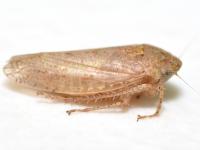 | Photo by: Kyle Kittelberger, Brian Bockhahn, Paul Scharf
New Hanover Co.
Comment: marshy, reedy area; female, 8.0 mm |
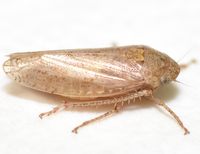 | Photo by: Kyle Kittelberger, Brian Bockhahn, Paul Scharf
New Hanover Co.
Comment: marshy, reedy area; female, 8.0 mm | 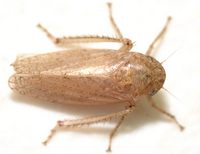 | Photo by: Kyle Kittelberger, Brian Bockhahn, Paul Scharf
New Hanover Co.
Comment: marshy, reedy area; female, 8.0 mm |
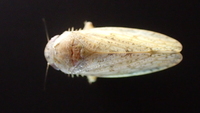 | Photo by: Erich Hofmann
New Hanover Co.
Comment: https://www.inaturalist.org/observations/60970175 | 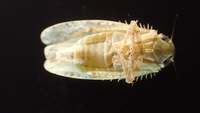 | Photo by: Erich Hofmann
New Hanover Co.
Comment: https://www.inaturalist.org/observations/60970175 |
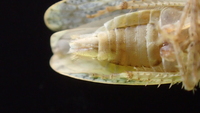 | Photo by: Erich Hofmann
New Hanover Co.
Comment: https://www.inaturalist.org/observations/60970175 | 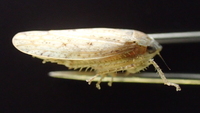 | Photo by: Erich Hofmann
New Hanover Co.
Comment: https://www.inaturalist.org/observations/60970175 |
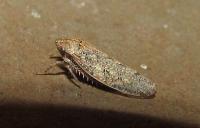 | Photo by: Robert Meehan
Durham Co.
Comment: https://www.inaturalist.org/observations/33839056 | 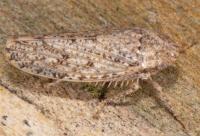 | Photo by: Mark Shields
Onslow Co.
Comment: unid_leafhopper |
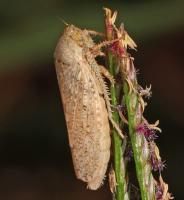 | Photo by:
Cumberland Co.
Comment: female; https://www.inaturalist.org/observations/35152274 | 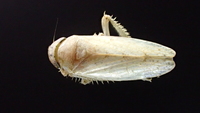 | Photo by: Erich Hofmann
New Hanover Co.
Comment: https://www.inaturalist.org/observations/59240002 |
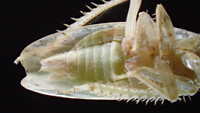 | Photo by: Erich Hofmann
New Hanover Co.
Comment: https://www.inaturalist.org/observations/59240002 | 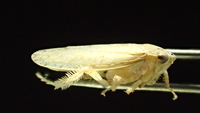 | Photo by: Erich Hofmann
New Hanover Co.
Comment: https://www.inaturalist.org/observations/59240002 |
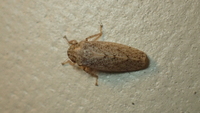 | Photo by: Erich Hofmann
New Hanover Co.
Comment: https://www.inaturalist.org/observations/62083684 | 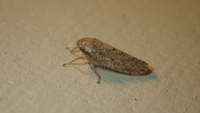 | Photo by: Erich Hofmann
New Hanover Co.
Comment: https://www.inaturalist.org/observations/62083684 |
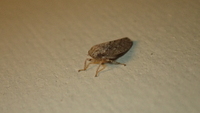 | Photo by: Erich Hofmann
New Hanover Co.
Comment: https://www.inaturalist.org/observations/62083684 | 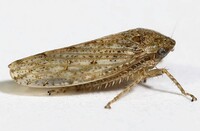 | Photo by: Rob Van Epps
Mecklenburg Co.
Comment: Abersham Park. Caught sweeping. |
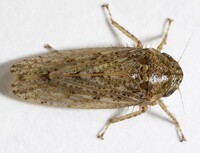 | Photo by: Rob Van Epps
Mecklenburg Co.
Comment: Abersham Park. Caught sweeping. | 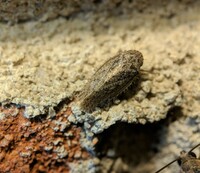 | Photo by: Cindy Darnell
Durham Co.
Comment: Attracted to yellow porch light. |
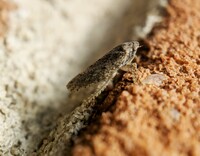 | Photo by: Cindy Darnell
Durham Co.
Comment: Attracted to yellow porch light. | 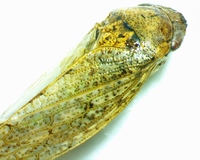 | Photo by: Ken Kneidel
Mecklenburg Co.
Comment: 7 mm male, stuck in Tanglefoot in a tree band on Willow Oak. |
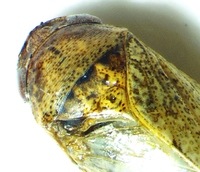 | Photo by: Ken Kneidel
Mecklenburg Co.
Comment: 7 mm male, stuck in Tanglefoot in a tree band on Willow Oak. | 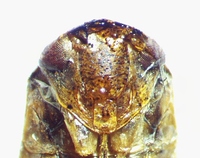 | Photo by: Ken Kneidel
Mecklenburg Co.
Comment: 7 mm male, stuck in Tanglefoot in a tree band on Willow Oak. |
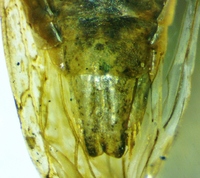 | Photo by: Ken Kneidel
Mecklenburg Co.
Comment: 7 mm male, stuck in Tanglefoot in a tree band on Willow Oak. | 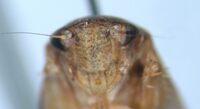 | Photo by: Bo Sullivan
Carteret Co.
Comment: Female |
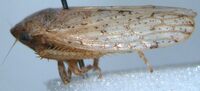 | Photo by: Bo Sullivan
Carteret Co.
Comment: Female | 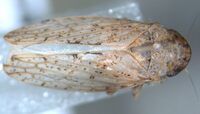 | Photo by: Bo Sullivan
Carteret Co.
Comment: Female |
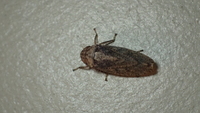 | Photo by: Erich Hofmann
New Hanover Co.
Comment: | 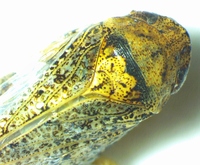 | Photo by: Ken Kneidel
Mecklenburg Co.
Comment: male stuck in a tree band put up in mid-December, hence active between then and 1/12 |
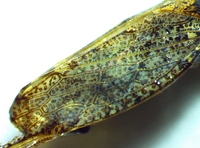 | Photo by: Ken Kneidel
Mecklenburg Co.
Comment: male stuck in a tree band put up in mid-December, hence active between then and 1/12 | 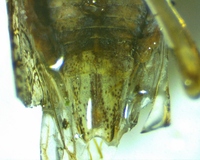 | Photo by: Ken Kneidel
Mecklenburg Co.
Comment: male stuck in a tree band put up in mid-December, hence active between then and 1/12 |
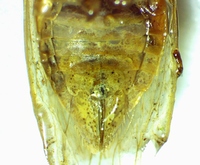 | Photo by: Ken Kneidel
Mecklenburg Co.
Comment: female stuck in Tanglefoot on a tree band, active between mid December when the bands were put up and 1/12; the light oval area in the pronotum is an air pocket, probably created when pulled from the sticky Tanglefoot | 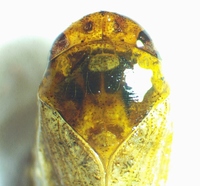 | Photo by: Ken Kneidel
Mecklenburg Co.
Comment: female stuck in Tanglefoot on a tree band, active between mid December when the bands were put up and 1/12; the light oval area in the pronotum is an air pocket, probably created when pulled from the sticky Tanglefoot |
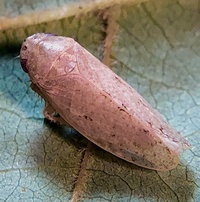 | Photo by: Ken Kneidel
Mecklenburg Co.
Comment: 8.5 mm female came to UV light at night | 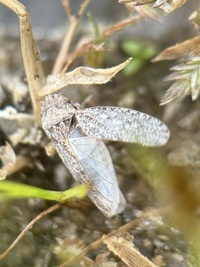 | Photo by: Larry Chen, Sarah Toner
Chatham Co.
Comment: |
 | Photo by: the_little_elephant - A
Craven Co.
Comment: iNat record: 341505119 |

 »
»