Moths of North Carolina
Scientific Name:
Common Name:
Family (Alpha):
« Home »
View PDFGelechiidae Members: Dichomeris Members: 11 NC Records

Dichomeris georgiella (Walker, 1866) - Georgia Dichomeris


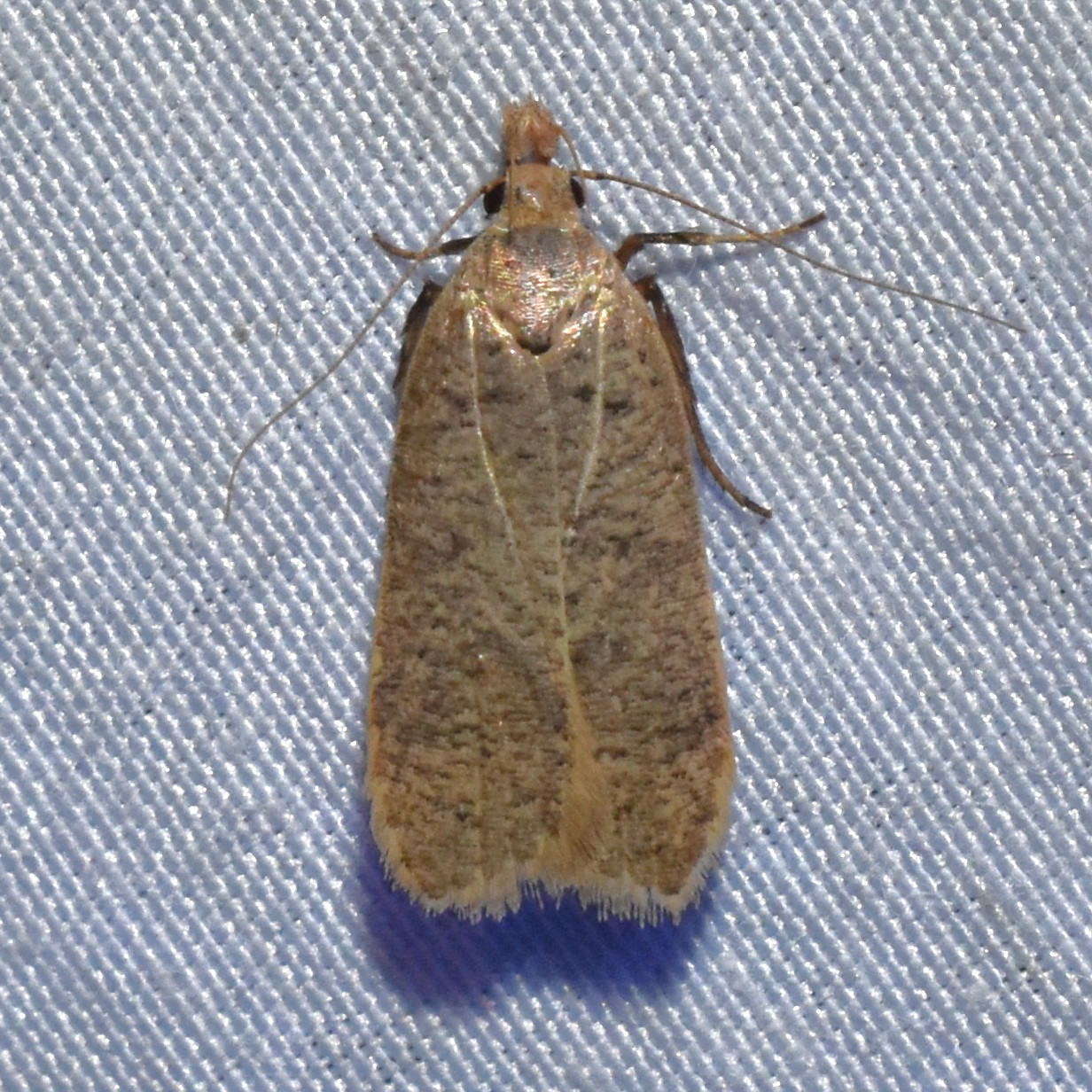
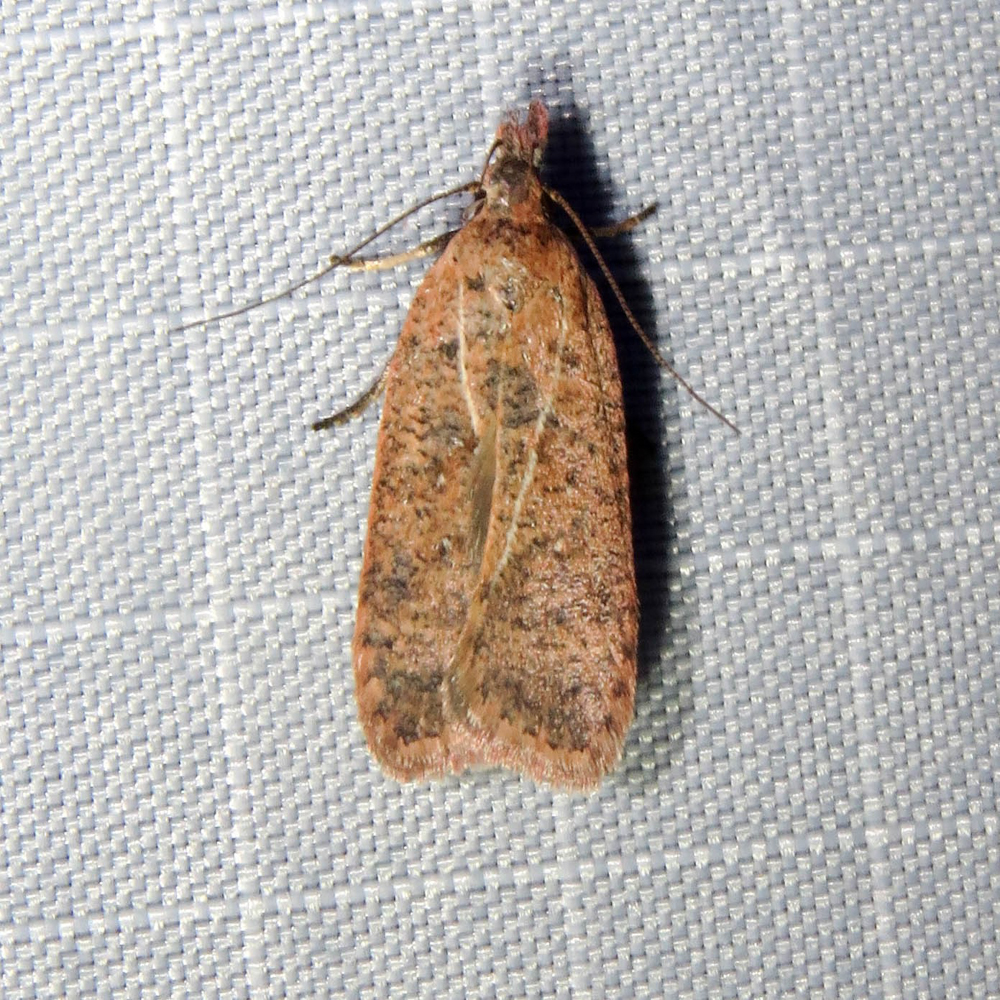
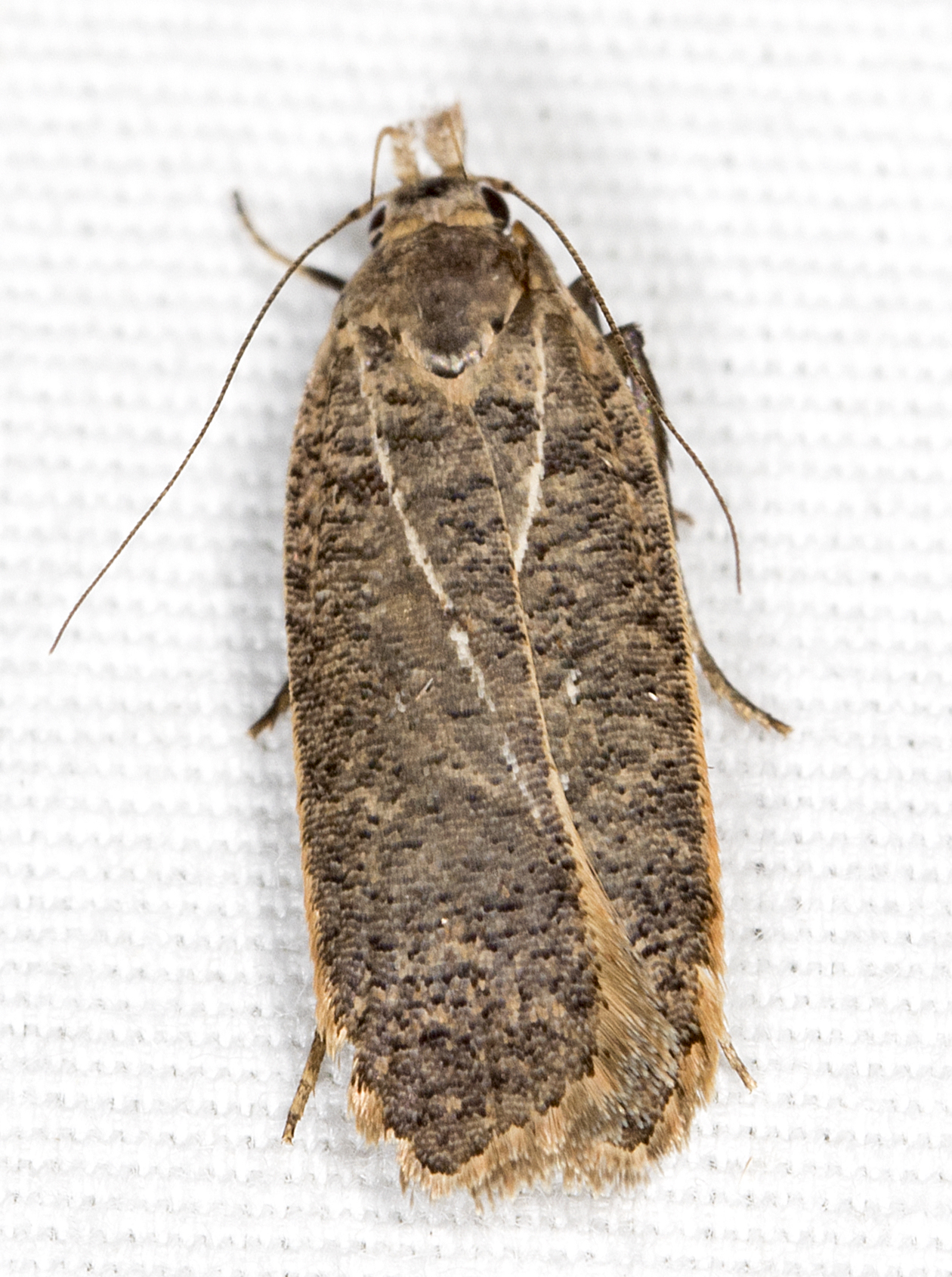
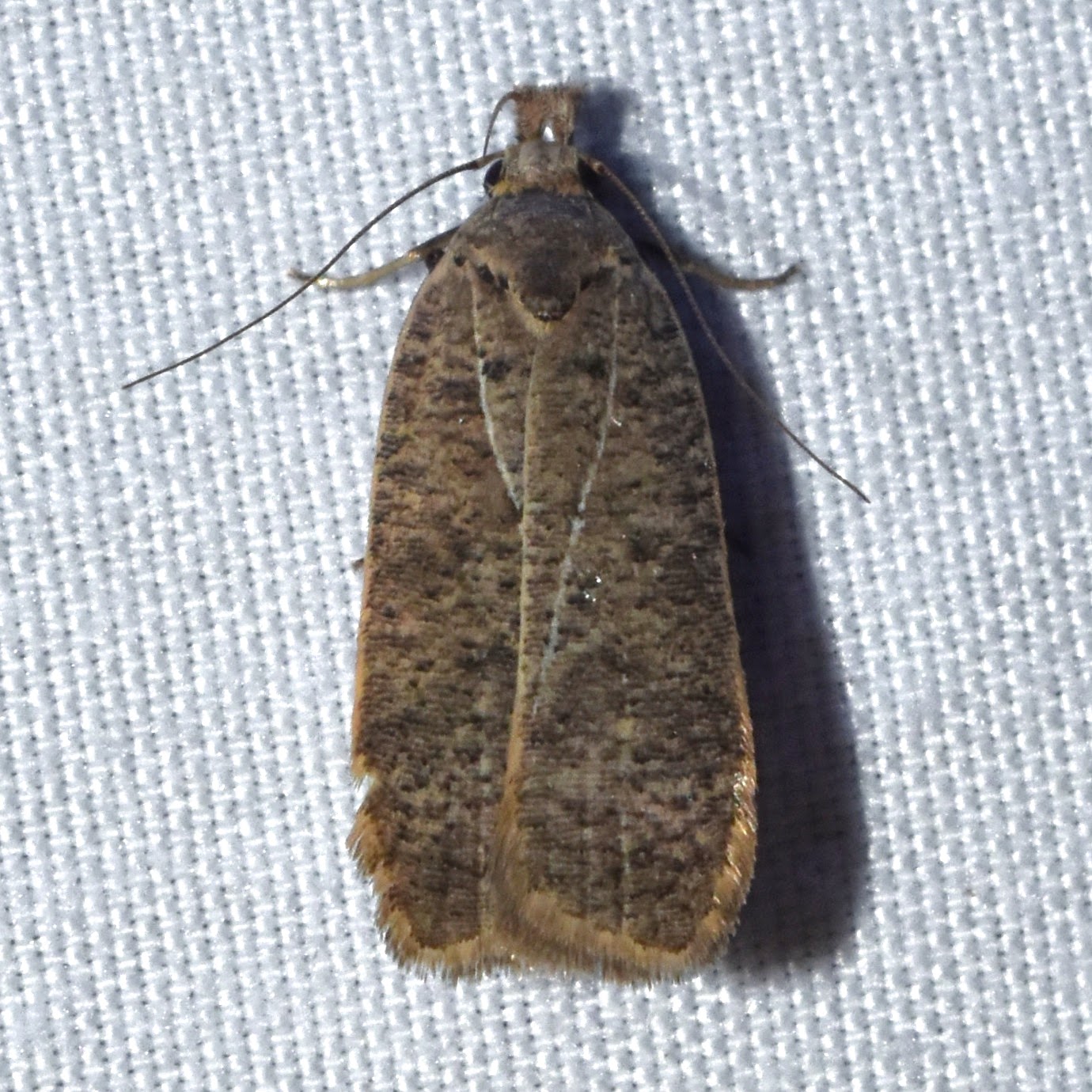
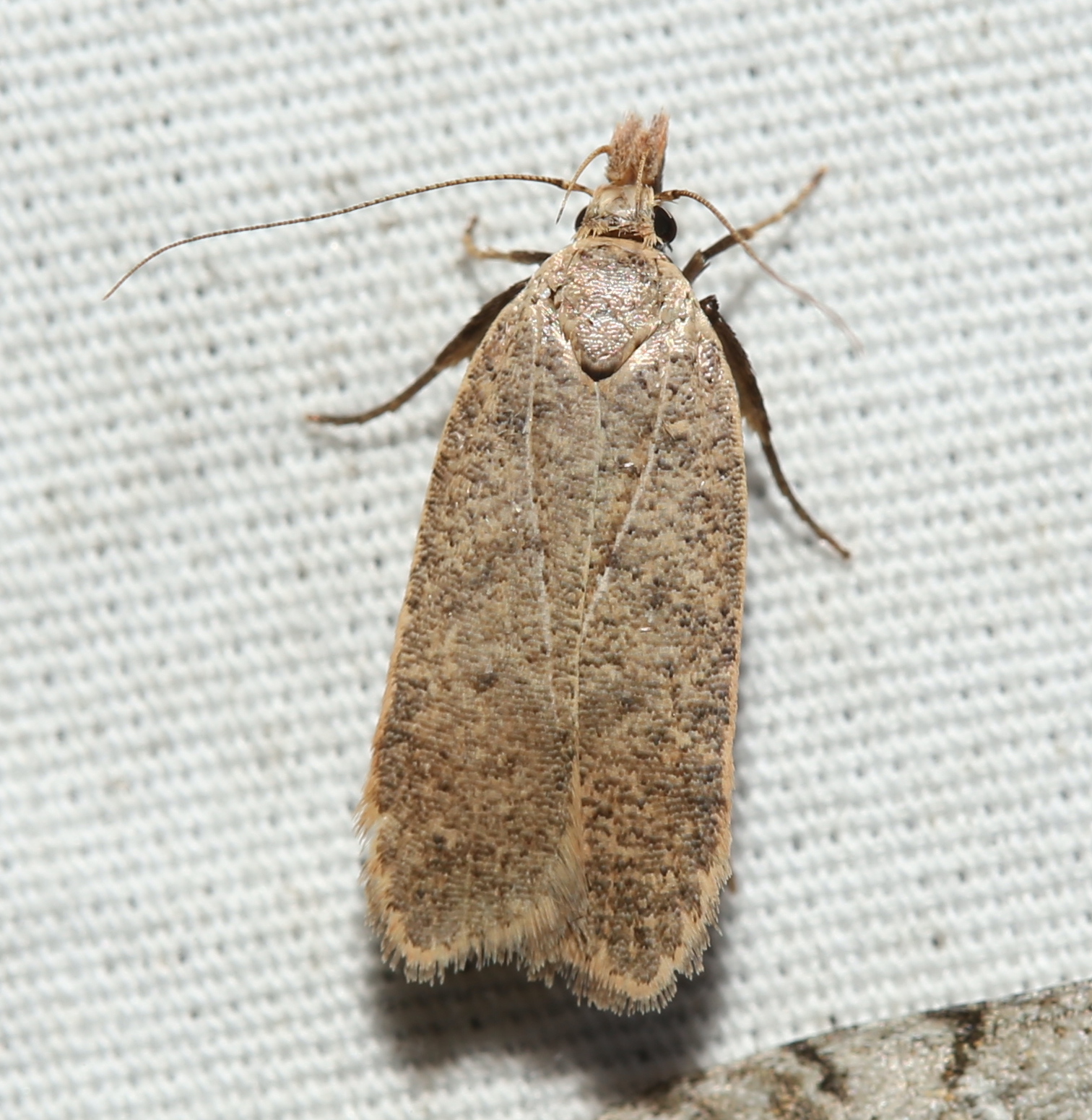
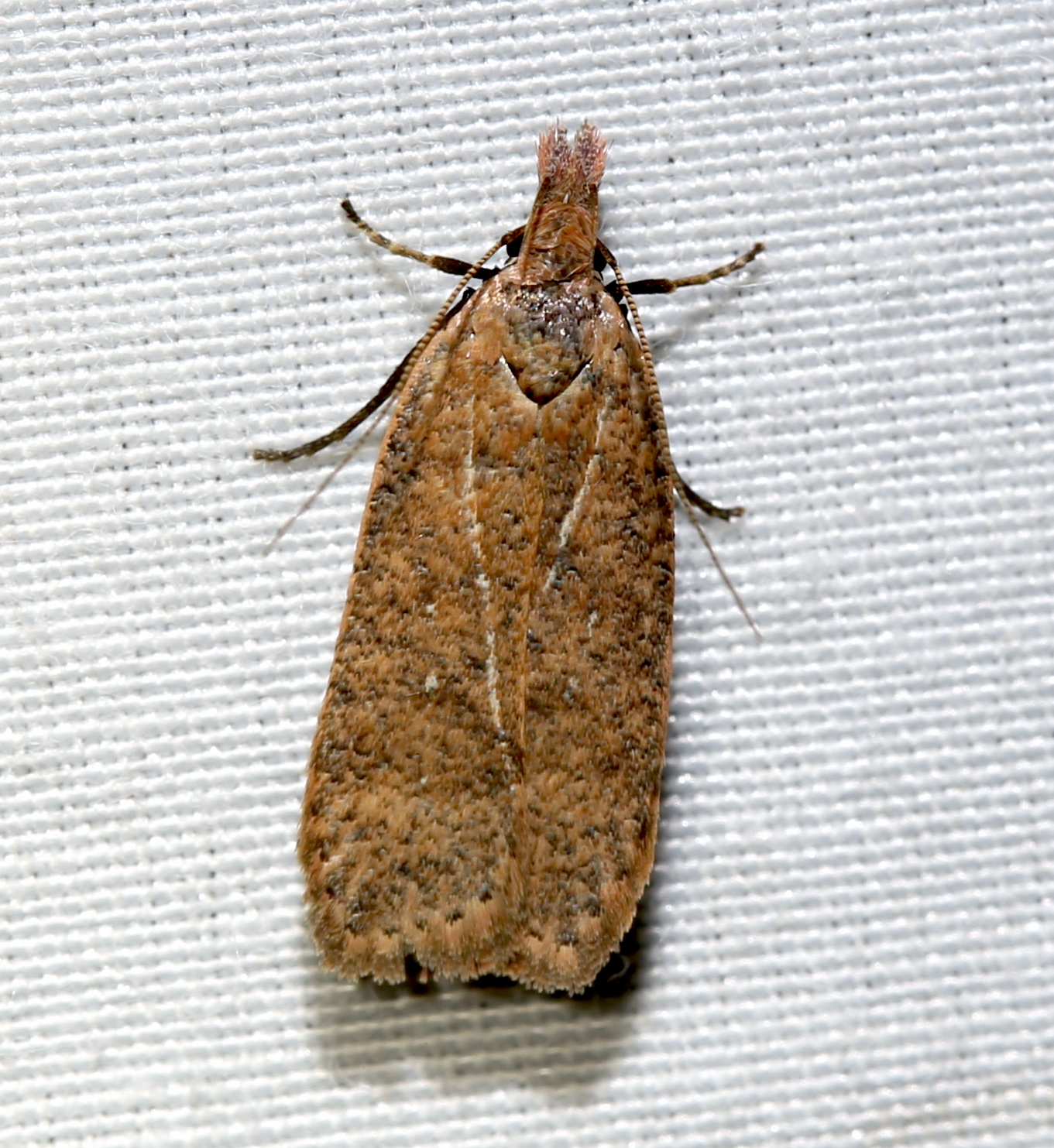
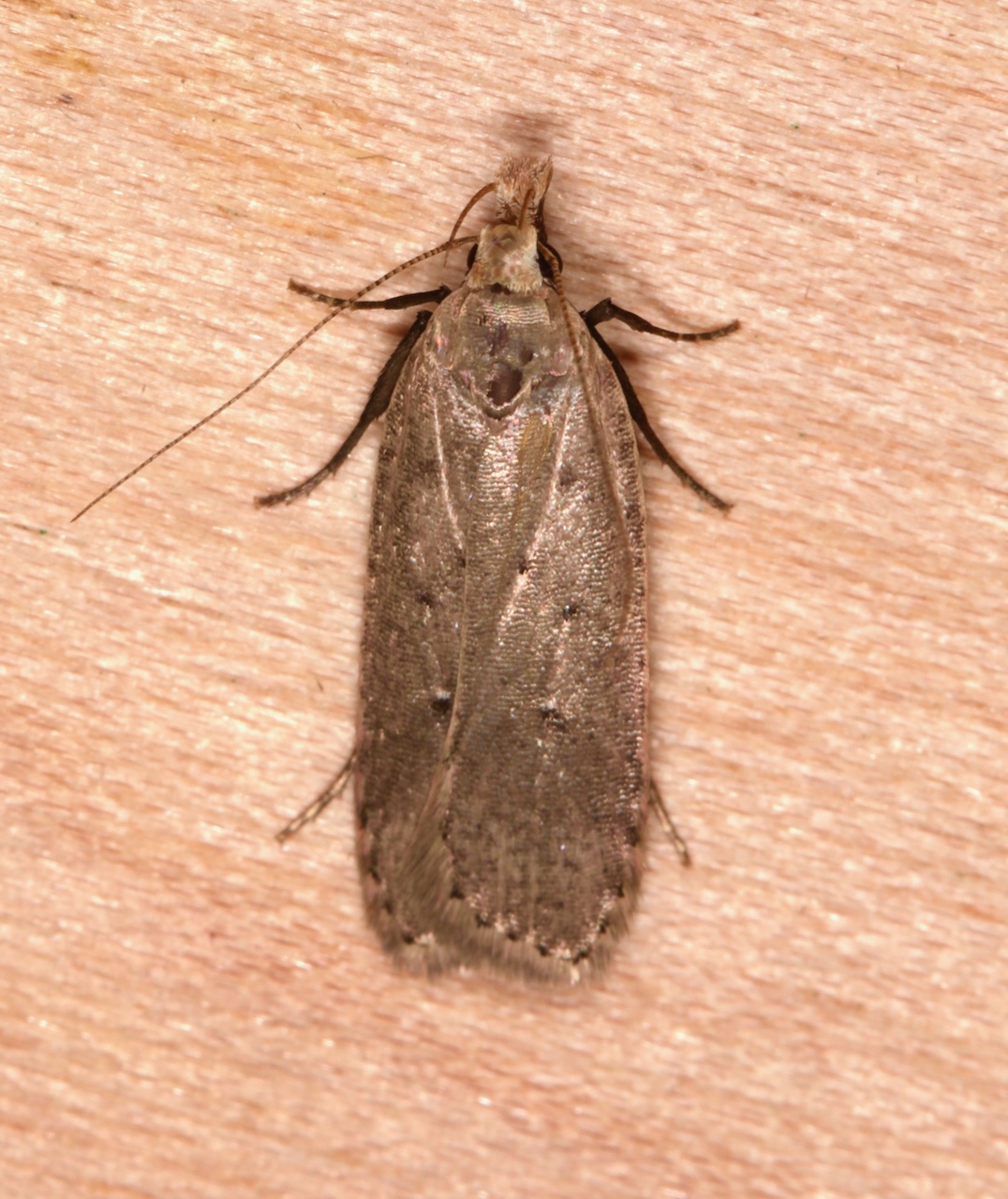
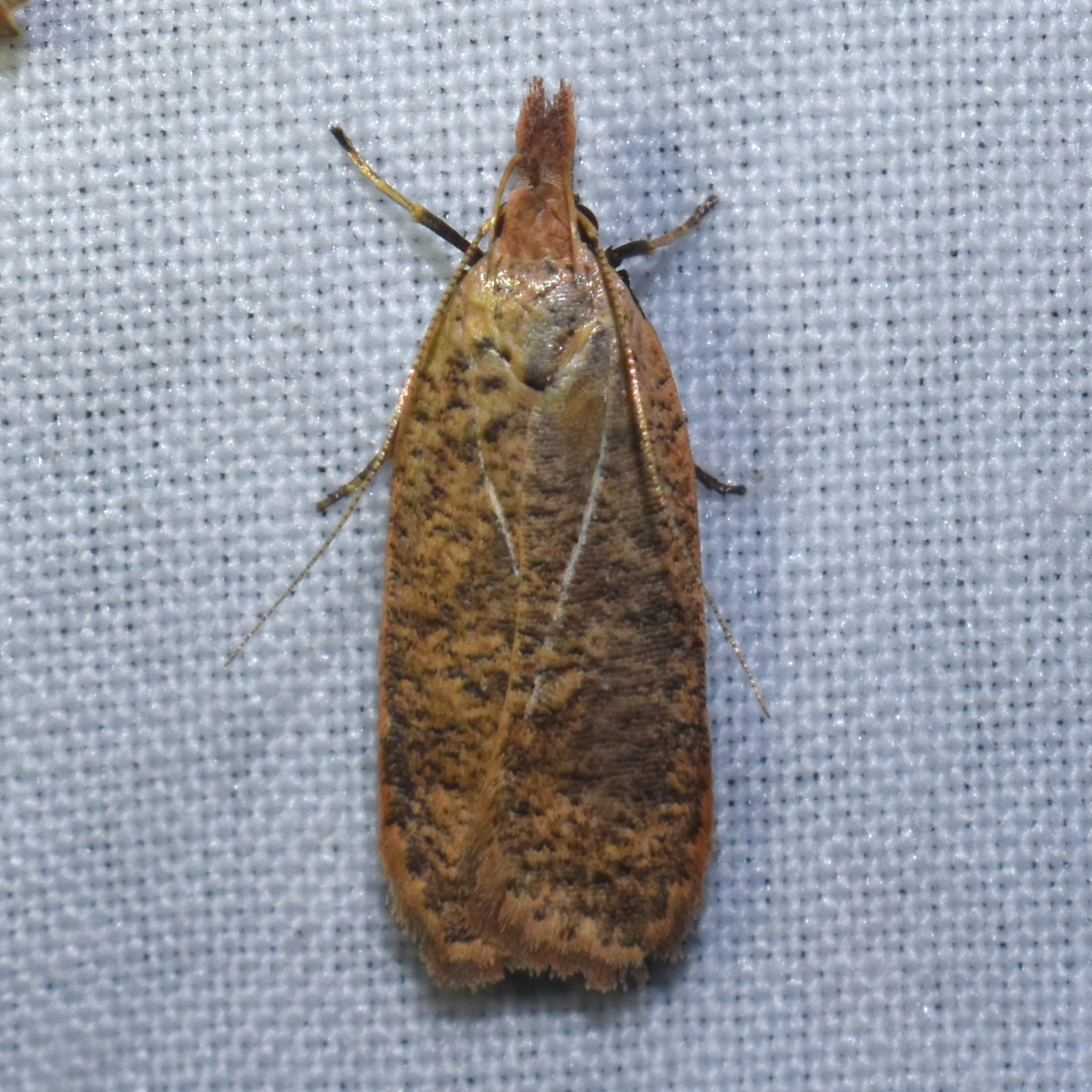
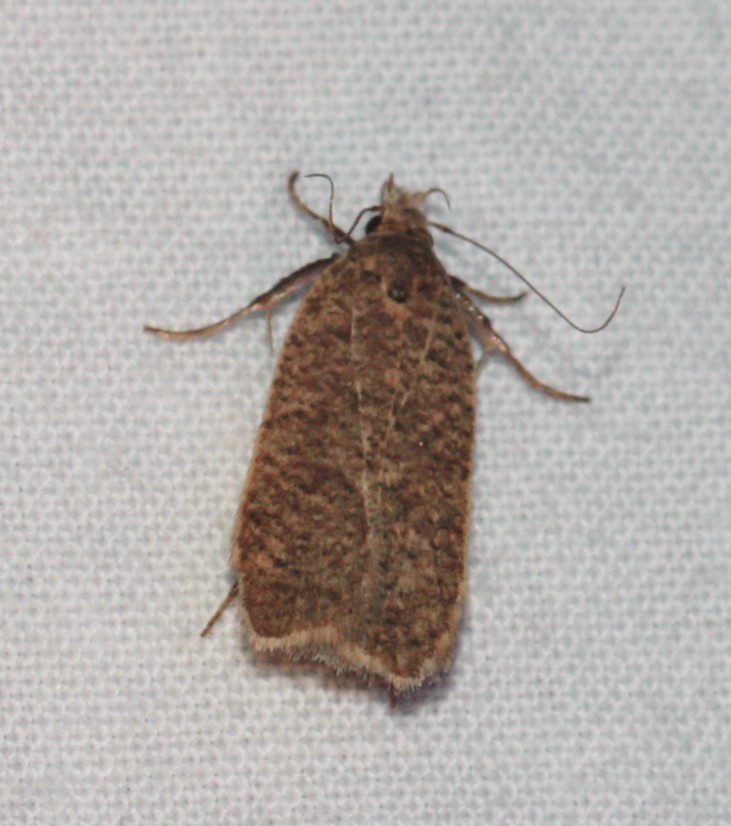
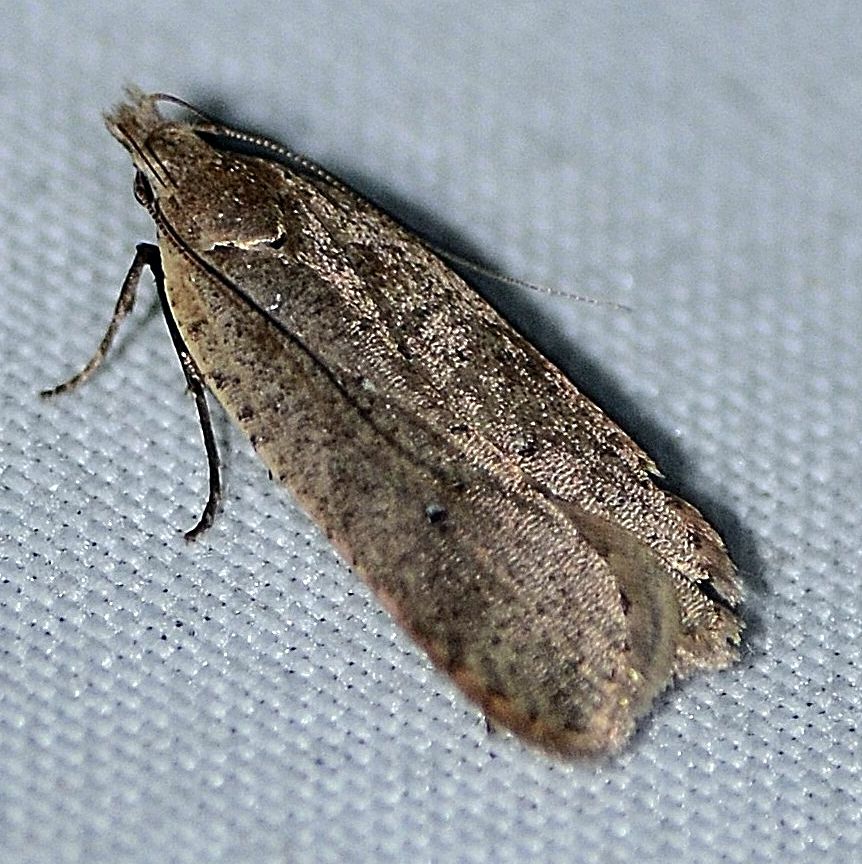
Dichomeris georgiellaDichomeris georgiellaDichomeris georgiella
view caption
Dichomeris georgiella
Taxonomy
Superfamily:
Gelechioidea
Family:
Gelechiidae
Subfamily:
Dichomeridinae
P3 Number:
59a0534
MONA Number:
2277.00
Identification
Field Guide Descriptions: Online Resources: MPG, BugGuide, iNaturalist, Google, BAMONA, GBIF, BOLDTechnical Description, Adults: Hodges (1986)                                                                                 
Adult Markings: Dichomeris georgiella has a highly flattened body and prominent labial palps. The forewing varies from grayish-orange to more grayish-brown, and is finely mottled with dark-brown and paler scales. There are three small spots with a scattering of white scales around the margins. These include a diagonal pair just before the middle of the wing -- with the spot closer to the inner margin larger and displaced more basally -- and a single larger spot at around two-thirds the wing length. On many specimens these may be obscure or entirely missing, but relatively pale specimens often have them well-developed (Hodges, 1986). In most eastern specimens the forewing has a row of pale-yellow scales on the fold.

The frons and head are pale grayish orange, and the outer surface of the first and second segments of the labial palps are dark grayish-brown. The tuft on the second segment varies from pale-yellow to reddish-orange or orangish-gray. The scape of the antenna is grayish-brown and the shaft has pale yellowish-gray rows that alternate with darker orangish-gray to brown rows. The thorax has three small dark-brown to blackish spots on the posterior margin (often obscure), with one at the apex and the other two displaced to the sides. The hindwing is pale gray, while the legs are mainly dark-brown.

Dichomeris ventrellus is often confused with D. georgiella. Hodges (1986) noted that the dark spots of D. ventrellus are usually well-defined, while those of D. georgiella usually are not, but can be on pale specimens. In addition, D. georgiella usually has a line of pale yellowish-gray scales on the fold of the forewing (see illustration above), and has the dorsal surface of the prothoracic tarsus blotched and with pale yellowish gray on the first two or three segments. In contrast, D. ventrellus lacks pale scales on the fold and has the first three segments of the tarsus dark brown. If needed, these two species can be easily distinguished using the male genitalia. Dichomeris ventrellus might also be confused with D. vacciniella, but in the latter the head and labial palps are darker than the thorax. Dichomeris vacciniella also usually has a forewing that is heavily dusted with dark scales in the subterminal region.
Forewing Length: 8.0-10.7 mm (Hodges, 1986).
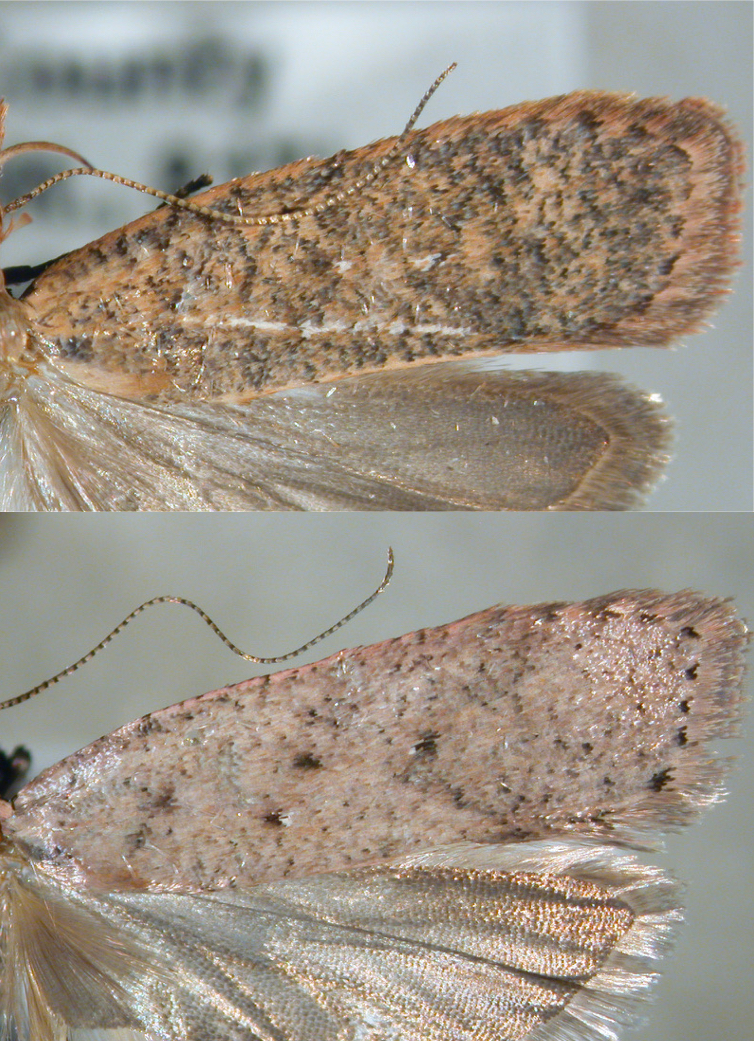
Adult Structural Features: Hodges (1986) has descriptions and illustrations of the male and female genitalia. Also, see images of North Carolina specimens below.
Genitalia and other structural photos
Adult ID Requirements: Identifiable from good quality photos of unworn specimens.
Immatures and Development: The larvae tie or fold the leaves of blueberries. Darlington (1952) studied this species in New Jersey and reported that the larvae live within a cylindrically folded leaf or between two cupped leaves. The top of the cylinder or cup remains slightly open, which allows the larva to escape from predators and feed on the the leaf tissue outside of the shelter. Pupation typically occurred in a cluster of dead leaves, and most commonly around the base of the plant where the leaves collected.

The older larvae are greenish, with the head and prothoracic shield black. They frequently turn red just before leaving the plant to pupate.
Distribution in North Carolina
Distribution: Dichomeris georgiella is widely distributed in most of the eastern US and in adjoining areas of southern Ontario and Quebec. The range in the US extends from Maine and other New England states southwestward to central Florida and westward to central and southern Texas, central Oklahoma, western Kentucky and Illinois. There is also an isolated cluster in southeastern Arizona and southwestern New Mexico that appear to be this species (Hodges, 1986). As of 2025, our records are restricted to the southwestern Blue Ridge and the eastern Piedmont.
County Map: Clicking on a county returns the records for the species in that county.
Dichomeris georgiellaAlamance Alexander Alleghany Anson Ashe Avery Beaufort Bertie Bladen Brunswick Buncombe Burke Cabarrus Caldwell Camden Carteret Caswell Catawba Chatham Cherokee Chowan Clay Cleveland Columbus Craven Cumberland Currituck Dare Davidson Davie Duplin Durham Edgecombe Forsyth Franklin Gaston Gates Graham Granville Greene Guilford Halifax Harnett Haywood Henderson Hertford Hoke Hyde Iredell Jackson Johnston Jones Lee Lenoir Lincoln Macon Madison Martin McDowell Mecklenburg Mitchell Montgomery Moore Nash New Hanover Northampton Onslow Orange Pamlico Pasquotank Pender Perquimans Person Pitt Polk Randolph Richmond Robeson Rockingham Rowan Rutherford Sampson Scotland Stanly Stokes Surry Swain Transylvania Tyrrell Union Vance Wake Warren Washington Watauga Wayne Wilkes Wilson Yadkin Yancey
Flight Dates:
 High Mountains (HM) ≥ 4,000 ft.
 Low Mountains (LM) < 4,000 ft.
 Piedmont (Pd)
 Coastal Plain (CP)

Click on graph to enlarge
Image showing flight dates by month for High Mountains greater than 4,000 feet, Low Mountains, Piedmont, and Coastal Plain: adults.
Flight Comments: The adult have been documented from March through October in different areas of the range. The adults overwinter and are occasionally seen at bait and lights during the fall, winter, and spring on warm nights (Hodges, 1986). As of 2025, our records extend from early February through late-October, with most from the late-winter and early-spring months.
Habitats and Life History
Habitats: The adults prefer forested sites where members of the red oak group such as Scarlet Oak are well-represented.
Larval Host Plants: Larvae reportedly feed on oaks, including Scarlet Oak (Quercus coccinea) and Northern Red Oak (Q. rubra; Forbes, 1923; Godfrey et al., 1987; Wagner et al., 1995a). - View
Observation Methods: The adults are attracted to bait and lights and the larvae can be found in leaf rolls or leaf folds on oaks.
Wikipedia
Status in North Carolina
Natural Heritage Program Status:
Natural Heritage Program Ranks:
State Protection:
Comments:

 Photo Gallery for Dichomeris georgiella - Georgia Dichomeris

Photos: 11
Dichomeris georgiella
Recorded by: David George, Jeff Niznik on 2025-04-05
Chatham Co.
Comment:
Dichomeris georgiella
Recorded by: David George, Jeff Niznik, Rich Teper on 2025-03-28
Chatham Co.
Comment:
Dichomeris georgiella
Recorded by: David George, Steve Hall on 2025-03-15
Chatham Co.
Comment:
Dichomeris georgiella
Recorded by: David George, Jeff Niznik, Kevin Bischof on 2024-08-07
Transylvania Co.
Comment:
Dichomeris georgiella
Recorded by: Jim Petranka and Becky Elkin on 2024-04-16
Buncombe Co.
Comment:
Dichomeris georgiella
Recorded by: David George, Stephen Dunn, Jeff Niznik, Rich Teper, Becky Watkins on 2023-07-29
Swain Co.
Comment:
Dichomeris georgiella
Recorded by: John Petranka on 2023-02-09
Orange Co.
Comment:
Dichomeris georgiella
Recorded by: Julie Tuttle on 2016-10-30
Chatham Co.
Comment: iNat record - ID is based on discussion by several people on the iNaturalist observation but would like verification: https://www.inaturalist.org/observations/4884390
Dichomeris georgiella
Recorded by: Robert Gilson on 2016-06-02
Mecklenburg Co.
Comment:
Dichomeris georgiella
Recorded by: Paul Scharf on 2015-03-10
Warren Co.
Comment: ID confirmed by P. Backstrom. First record for NC
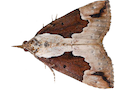
Dichomeris georgiella
Recorded by: Paul Scharf on 2015-03-10
Warren Co.
Comment: ID confirmed by P. Backstrom. First record for NC