Moths of North Carolina
Scientific Name:
Common Name:
Family (Alpha):
« Home »
View PDFCossidae Members: Cossula Members: 113 NC Records

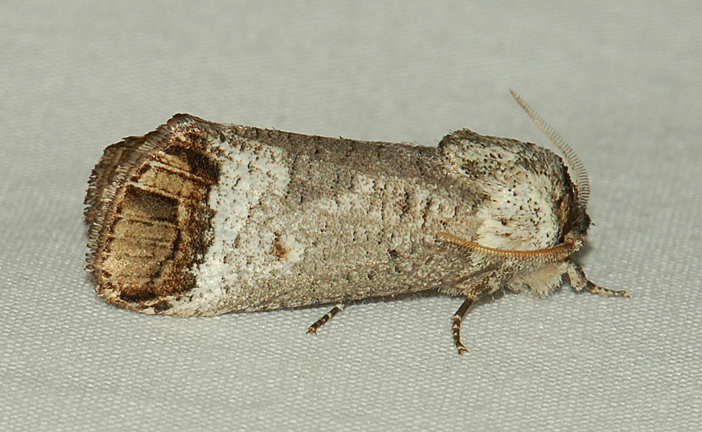
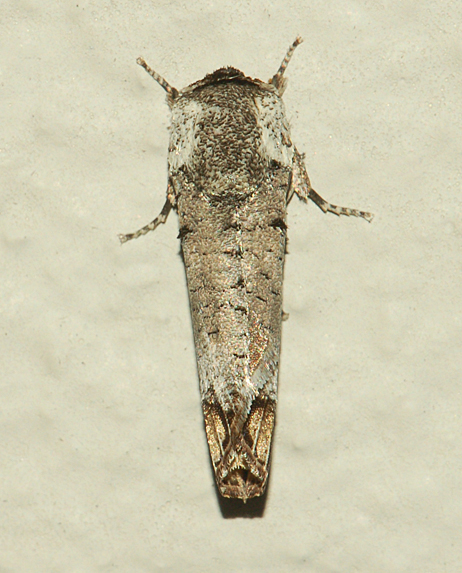
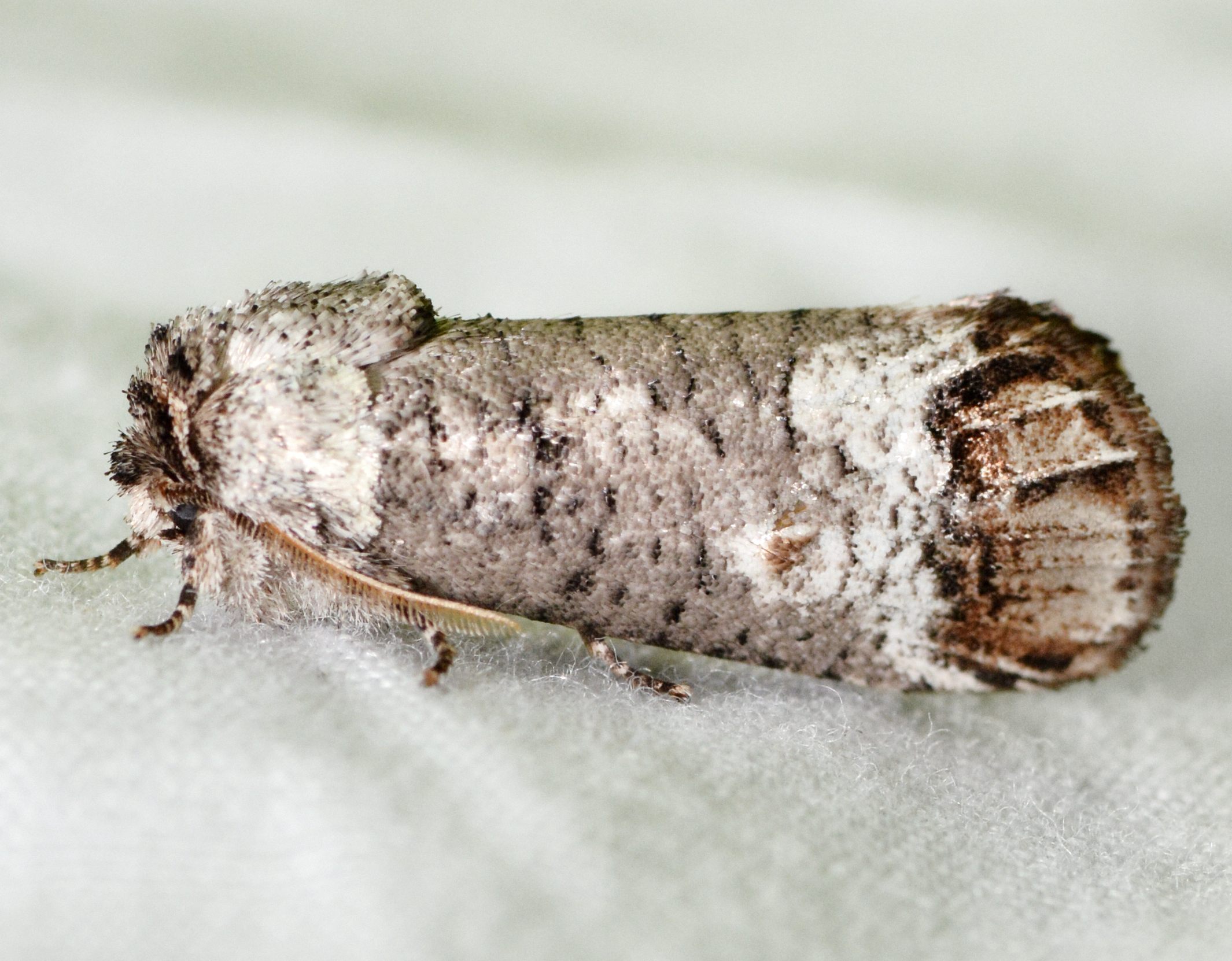
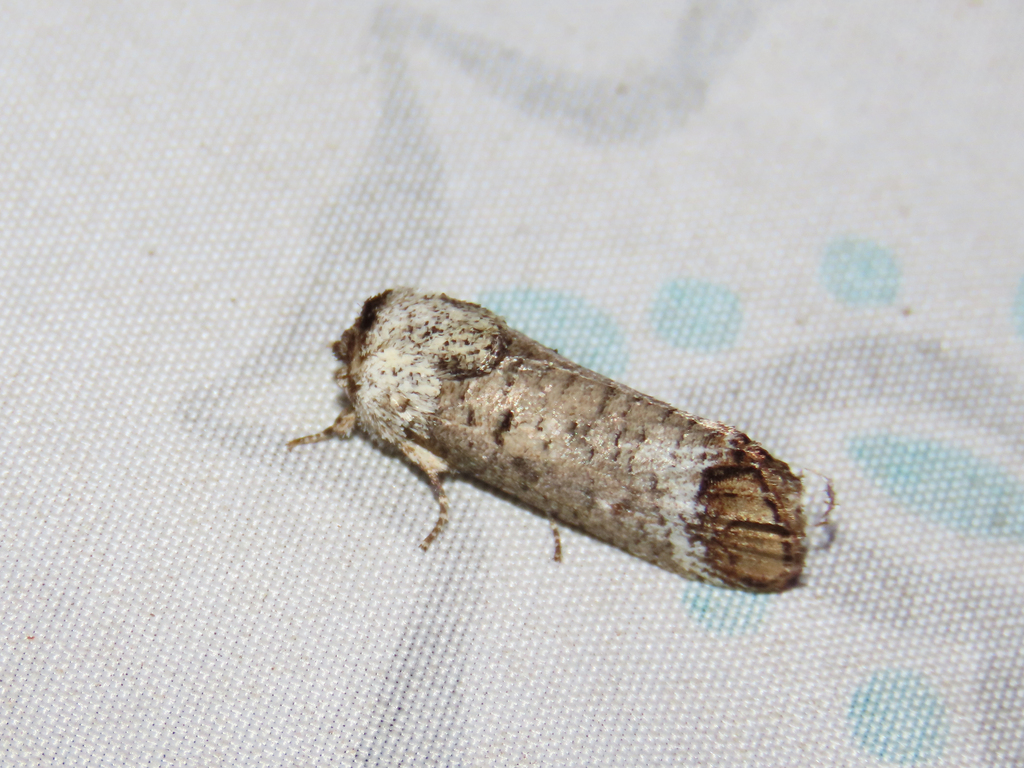
Cossula magnifica (Strecker, 1876) - Pecan Carpenterworm Moth


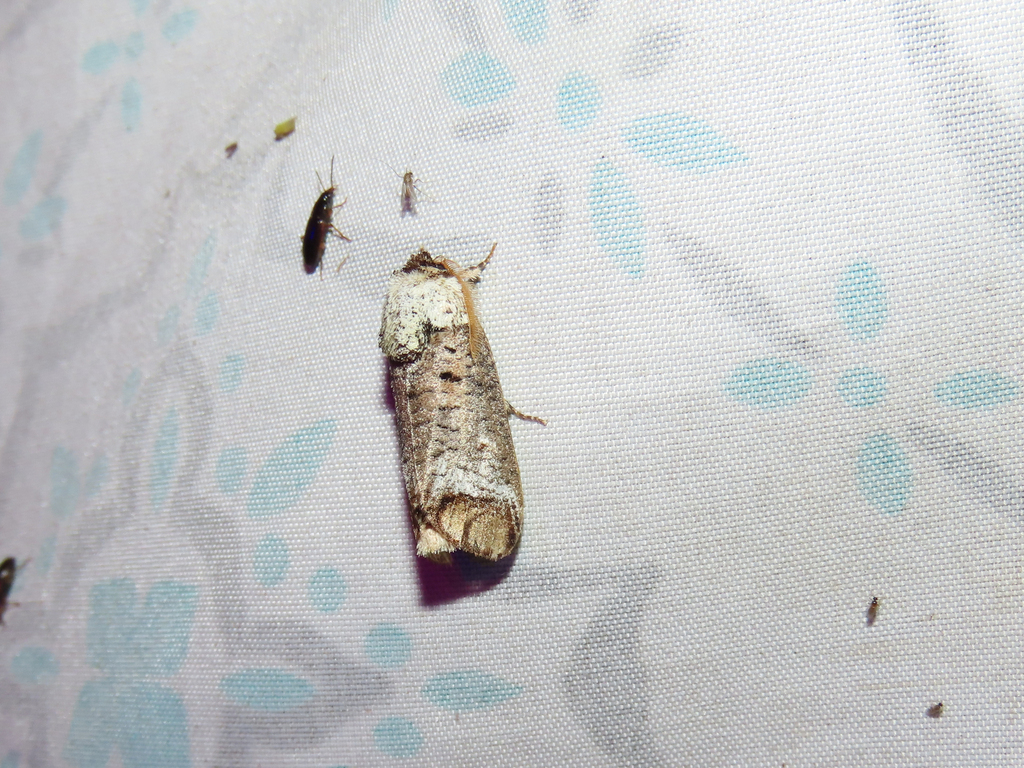
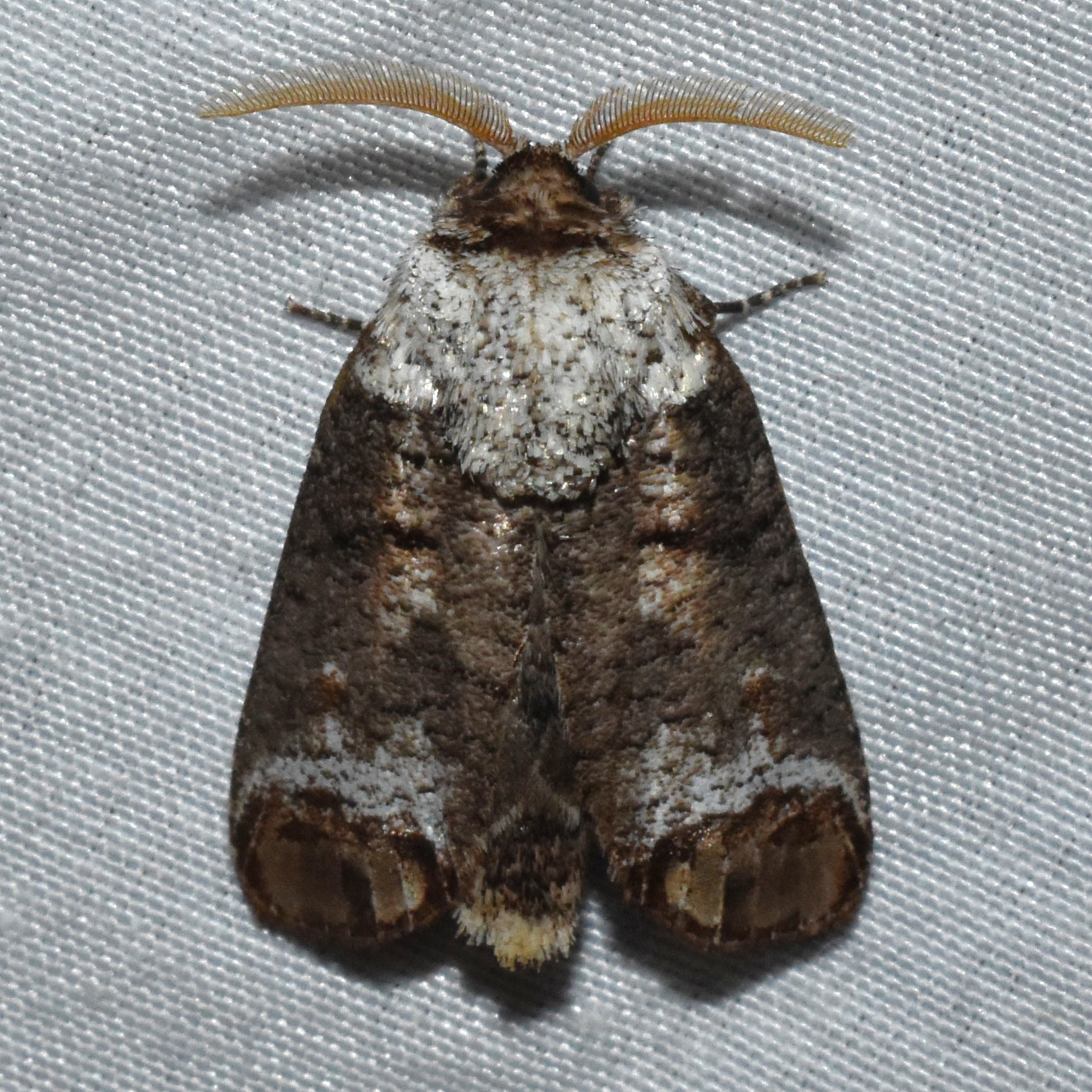
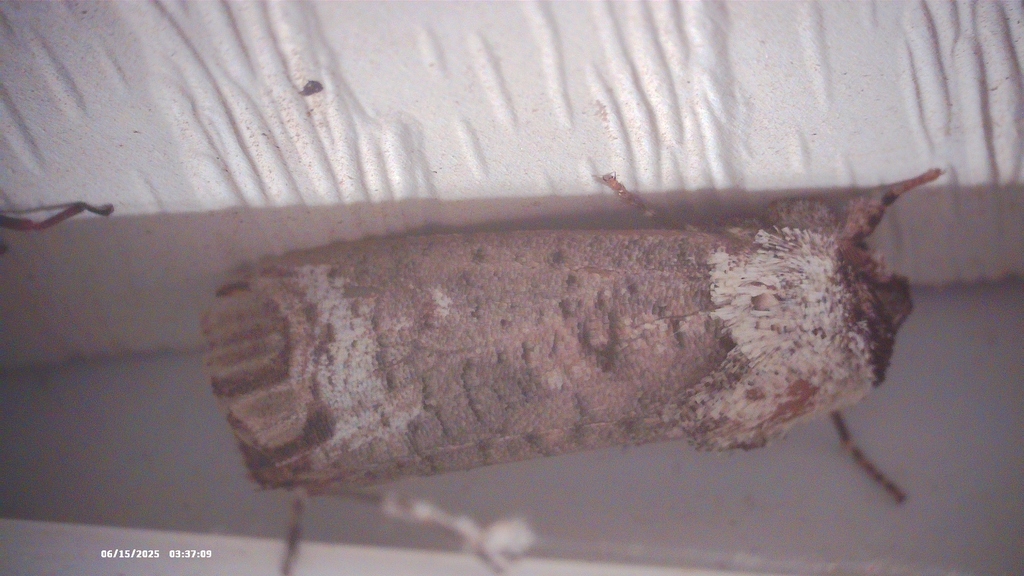
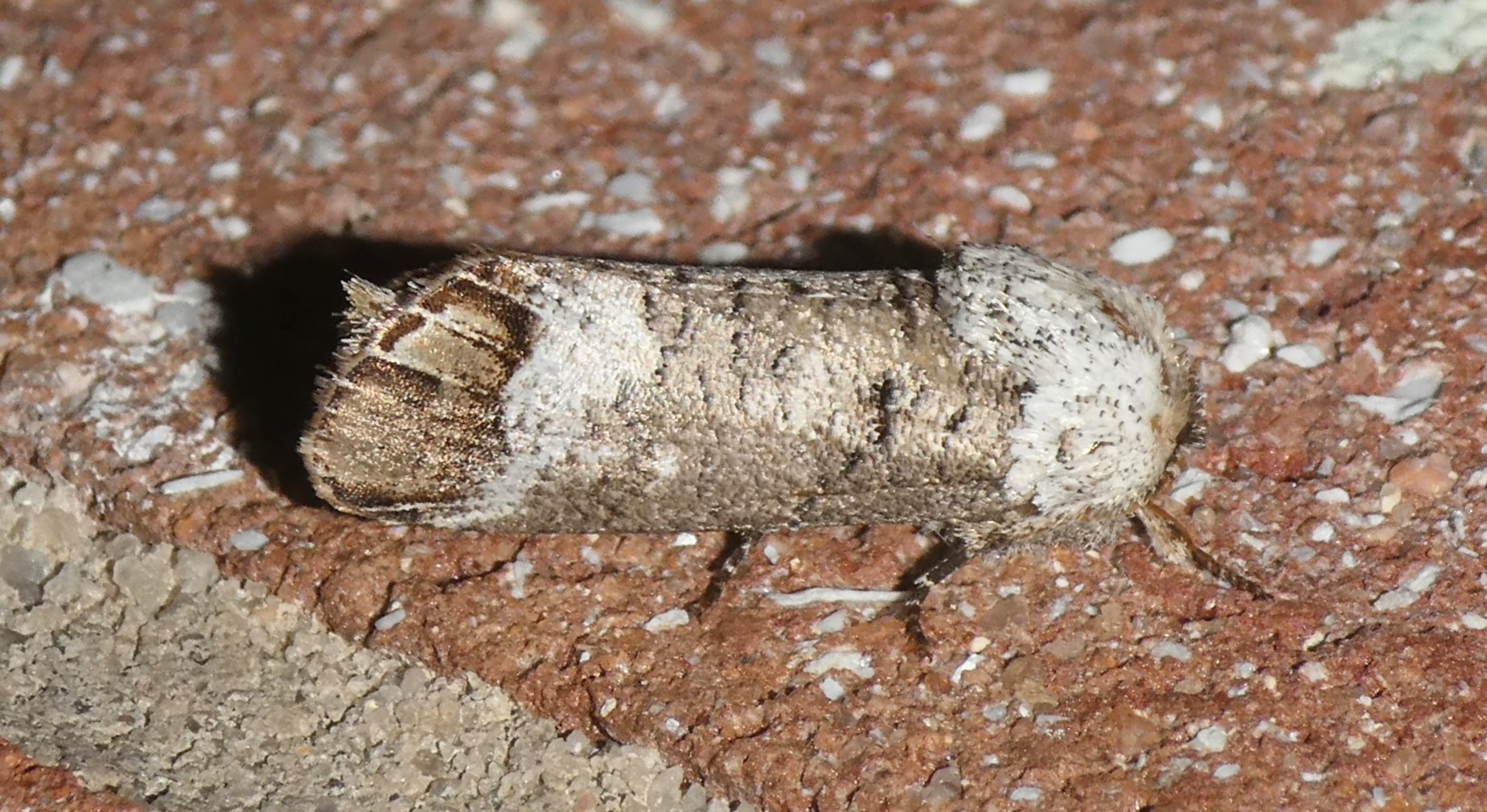
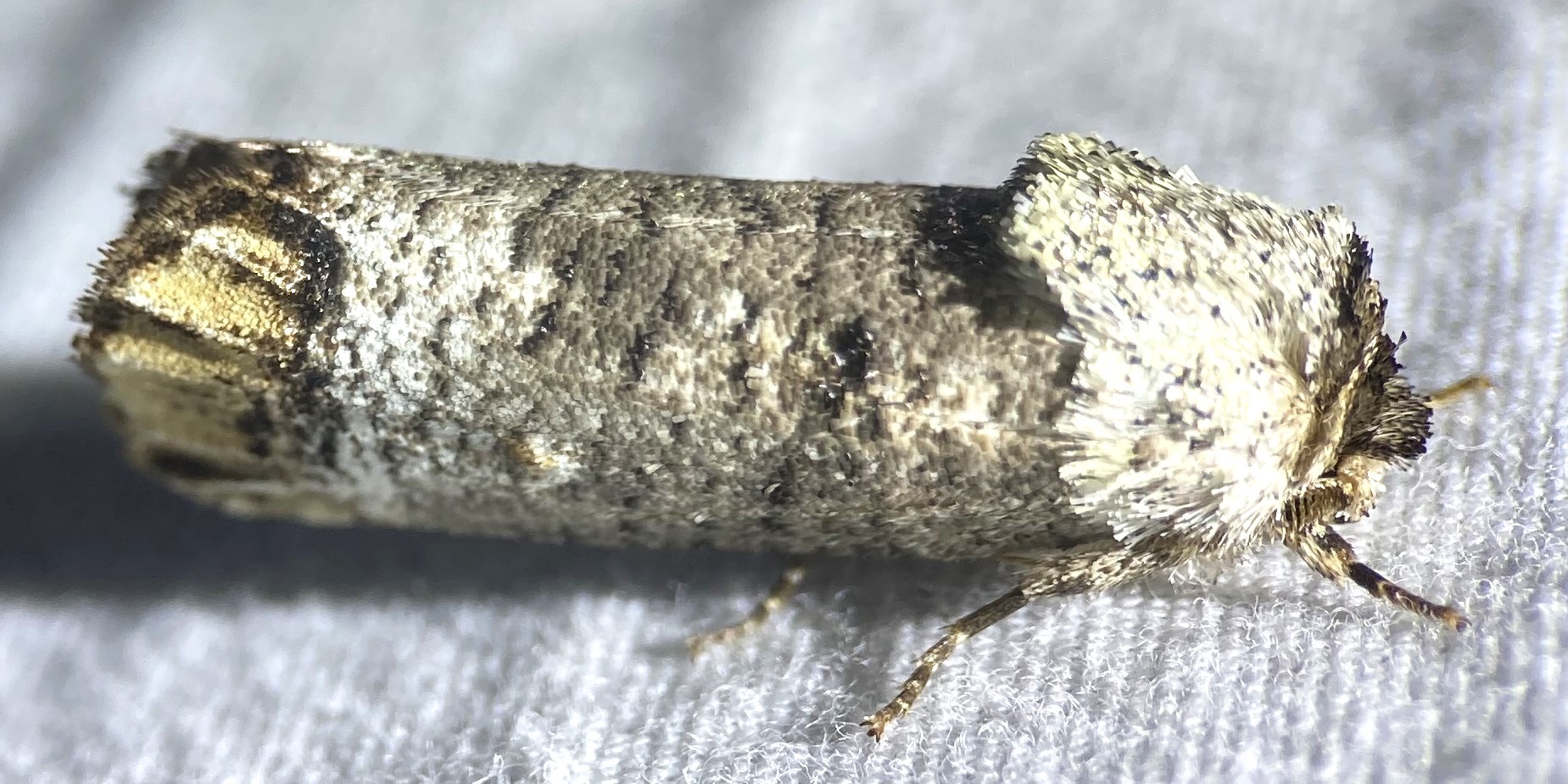
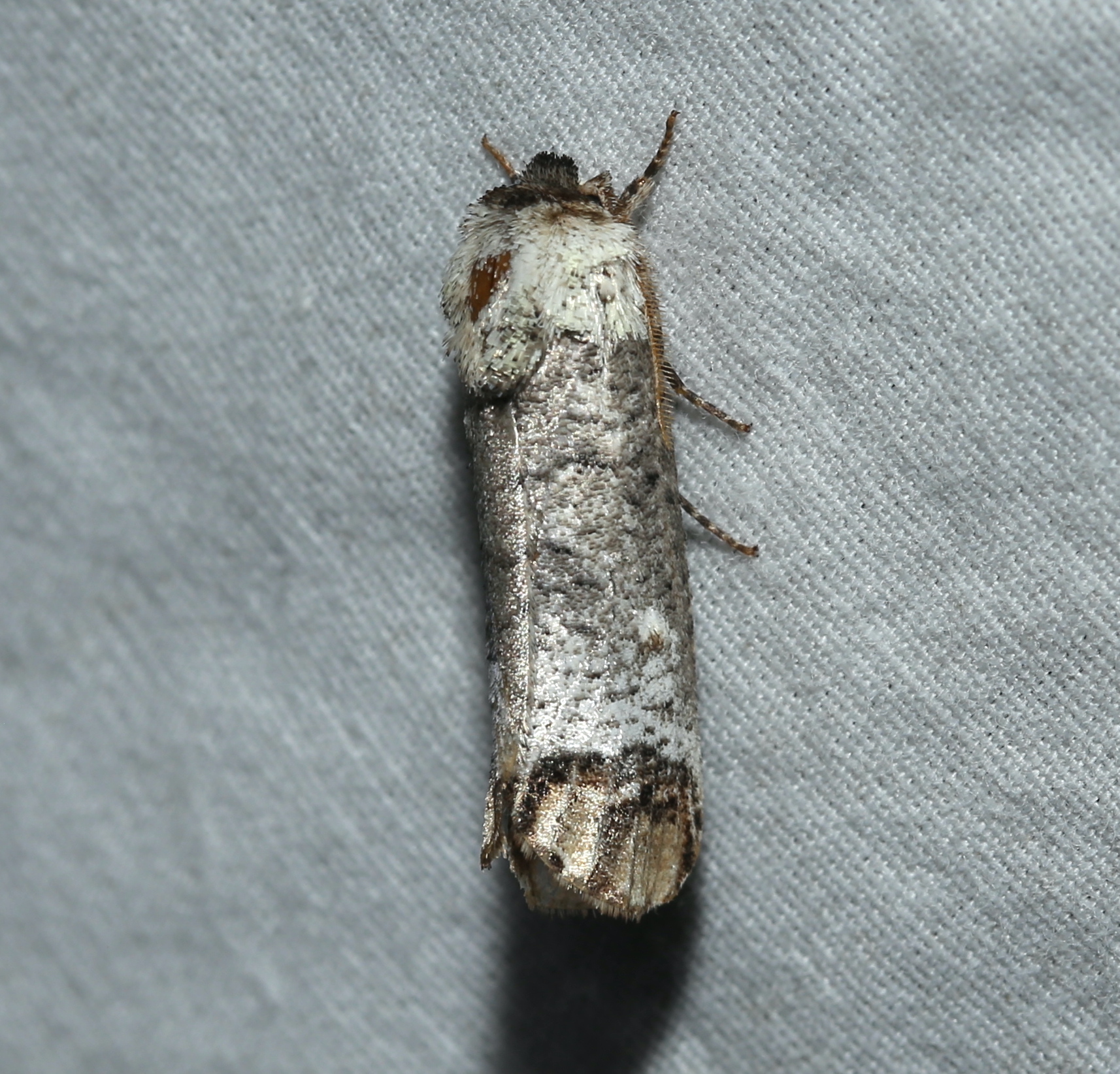
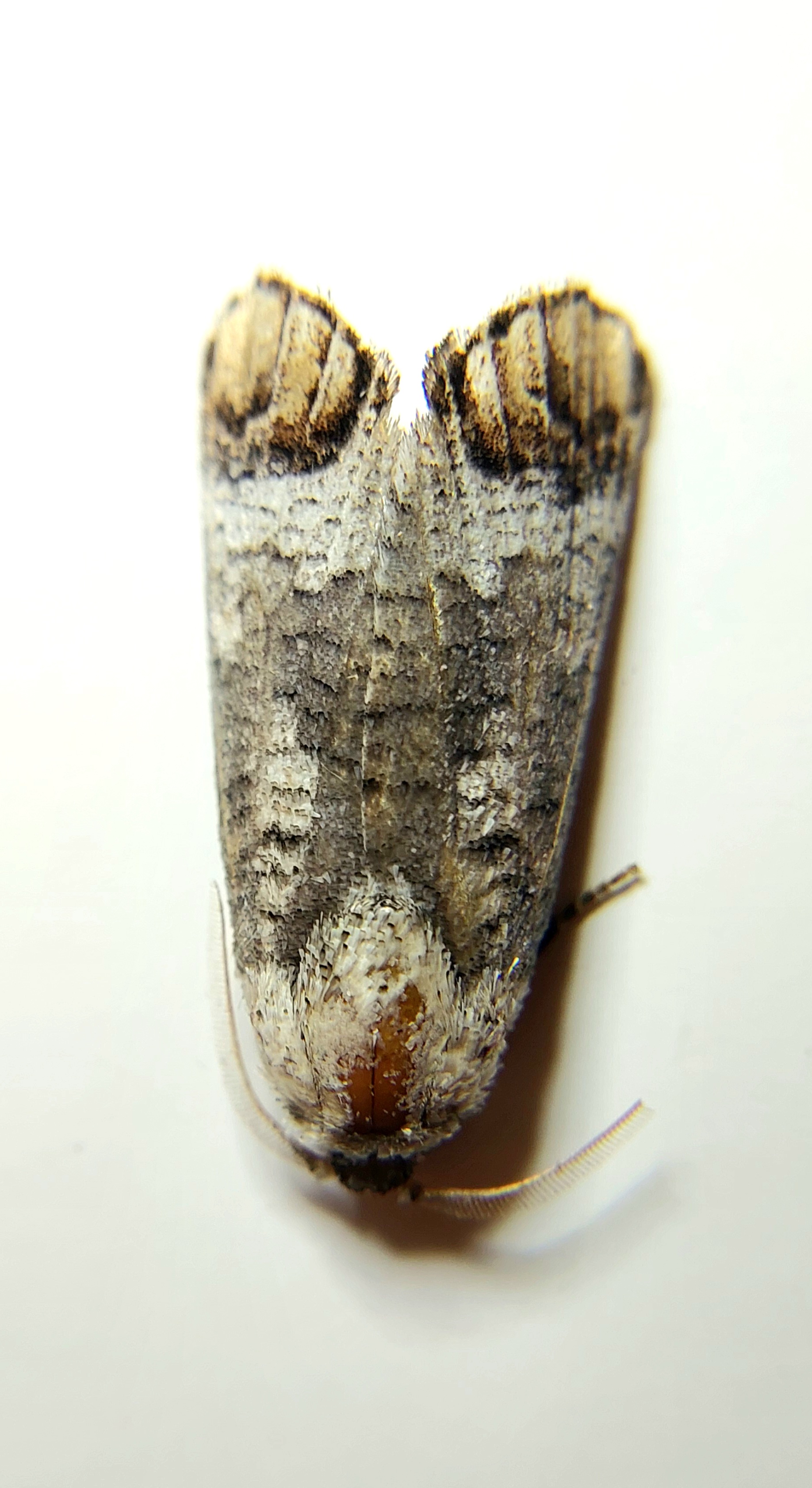
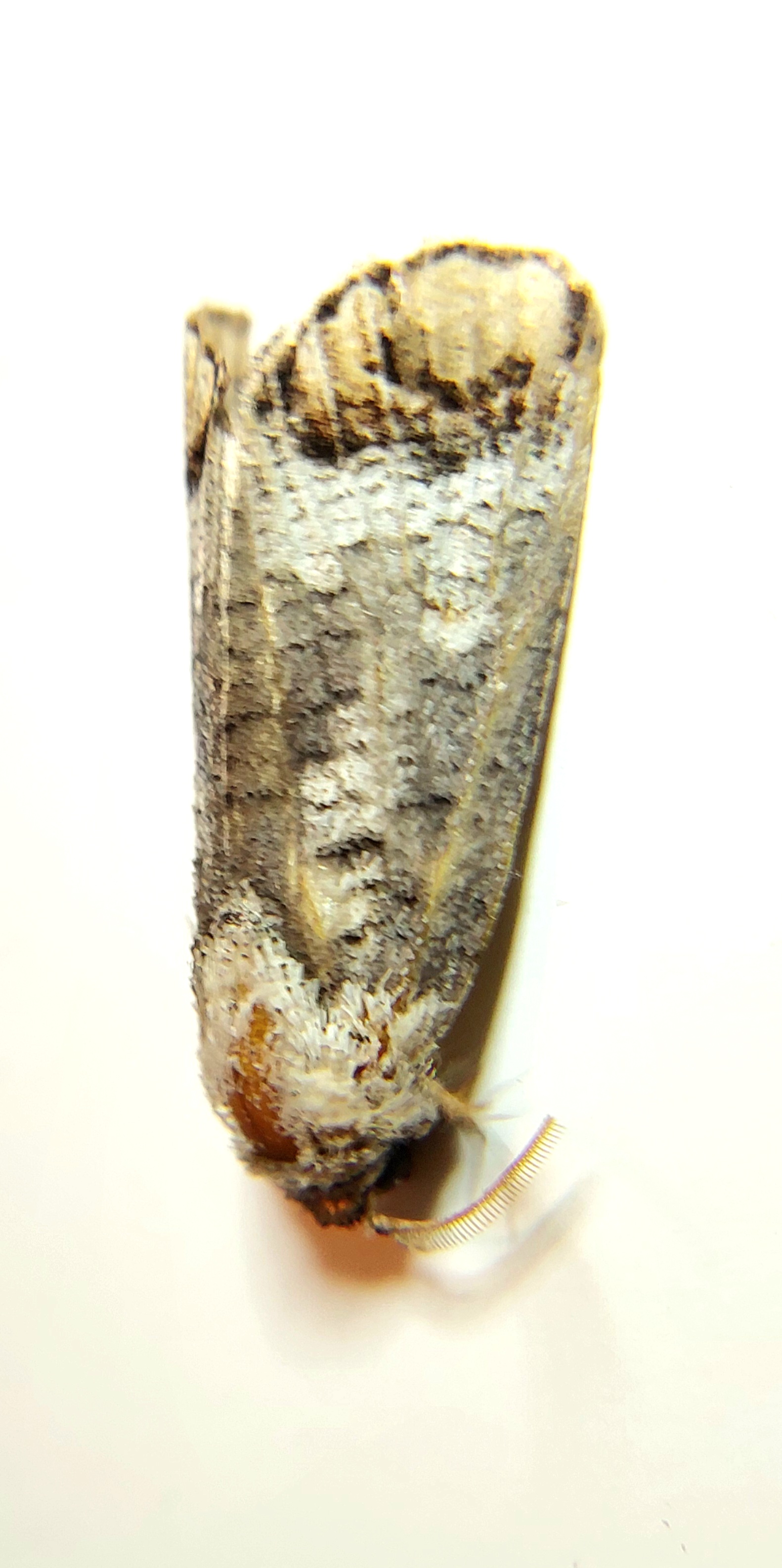
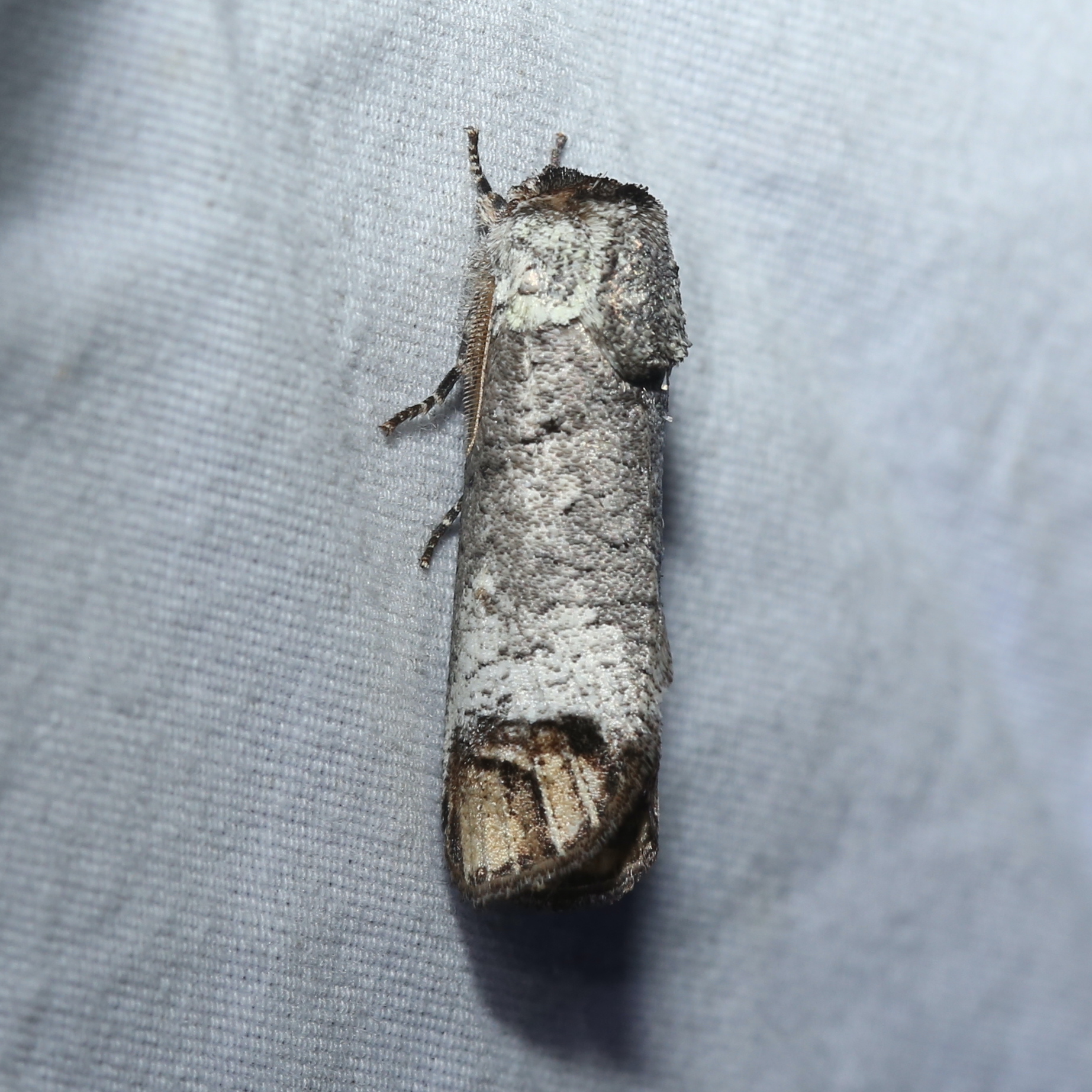
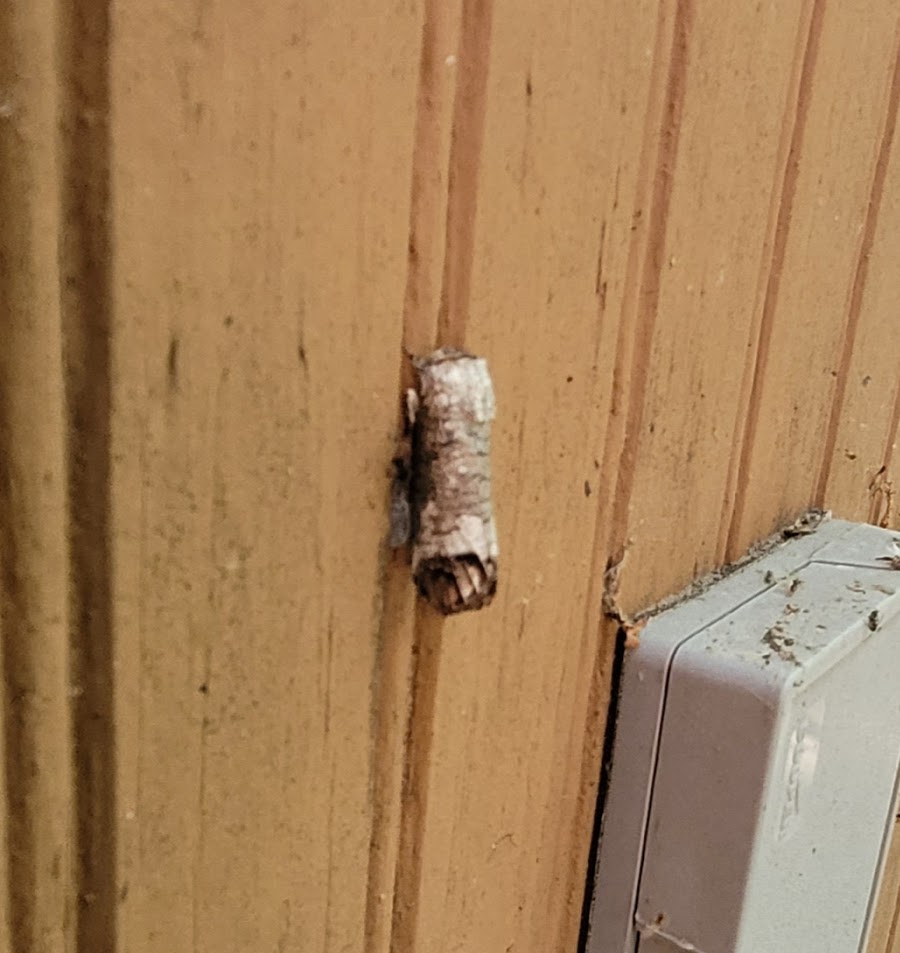
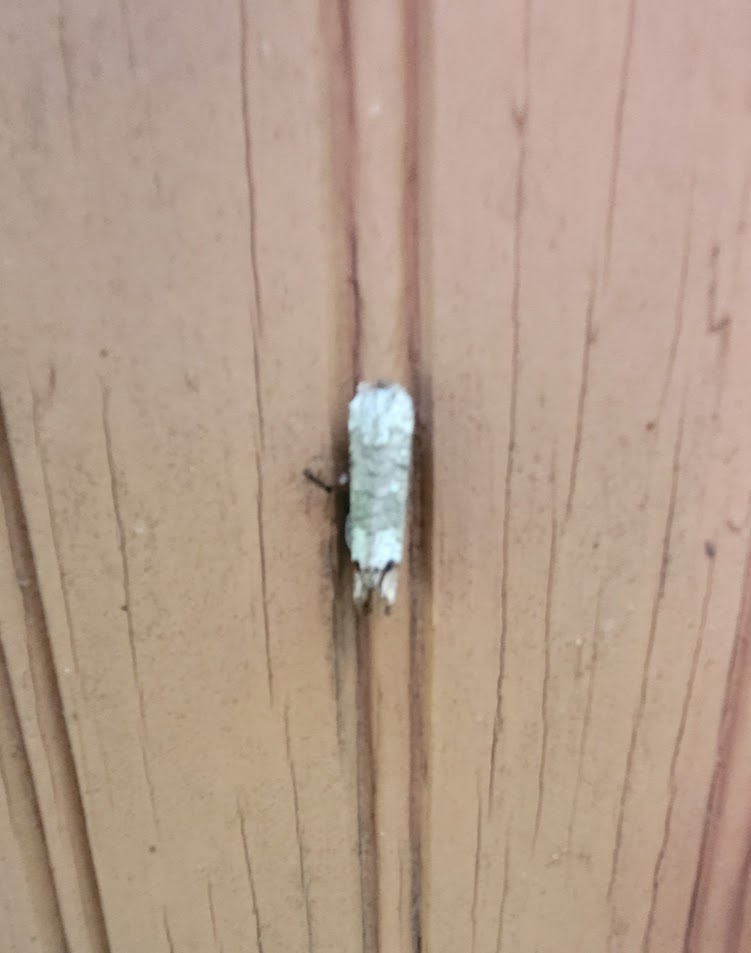
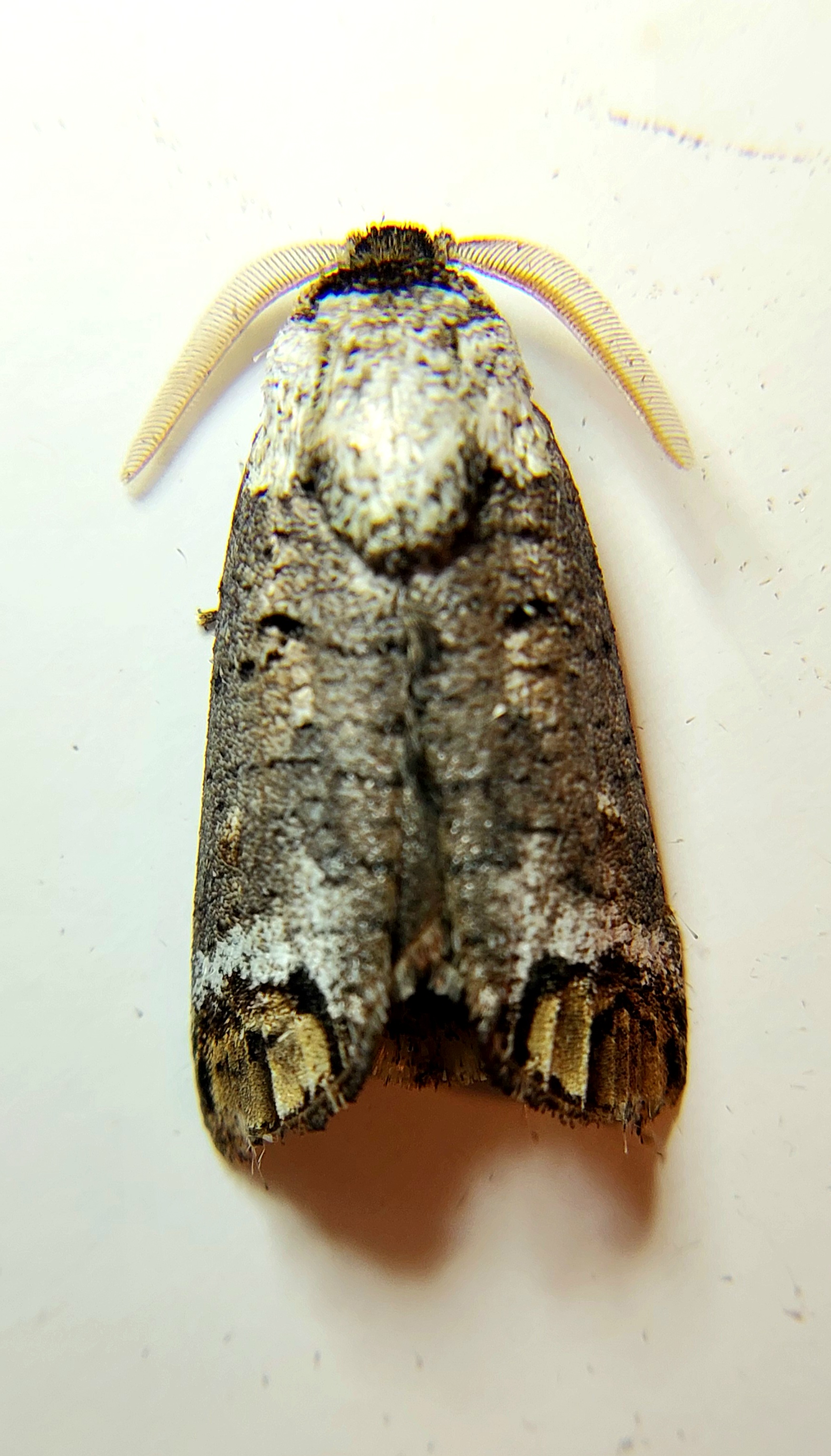
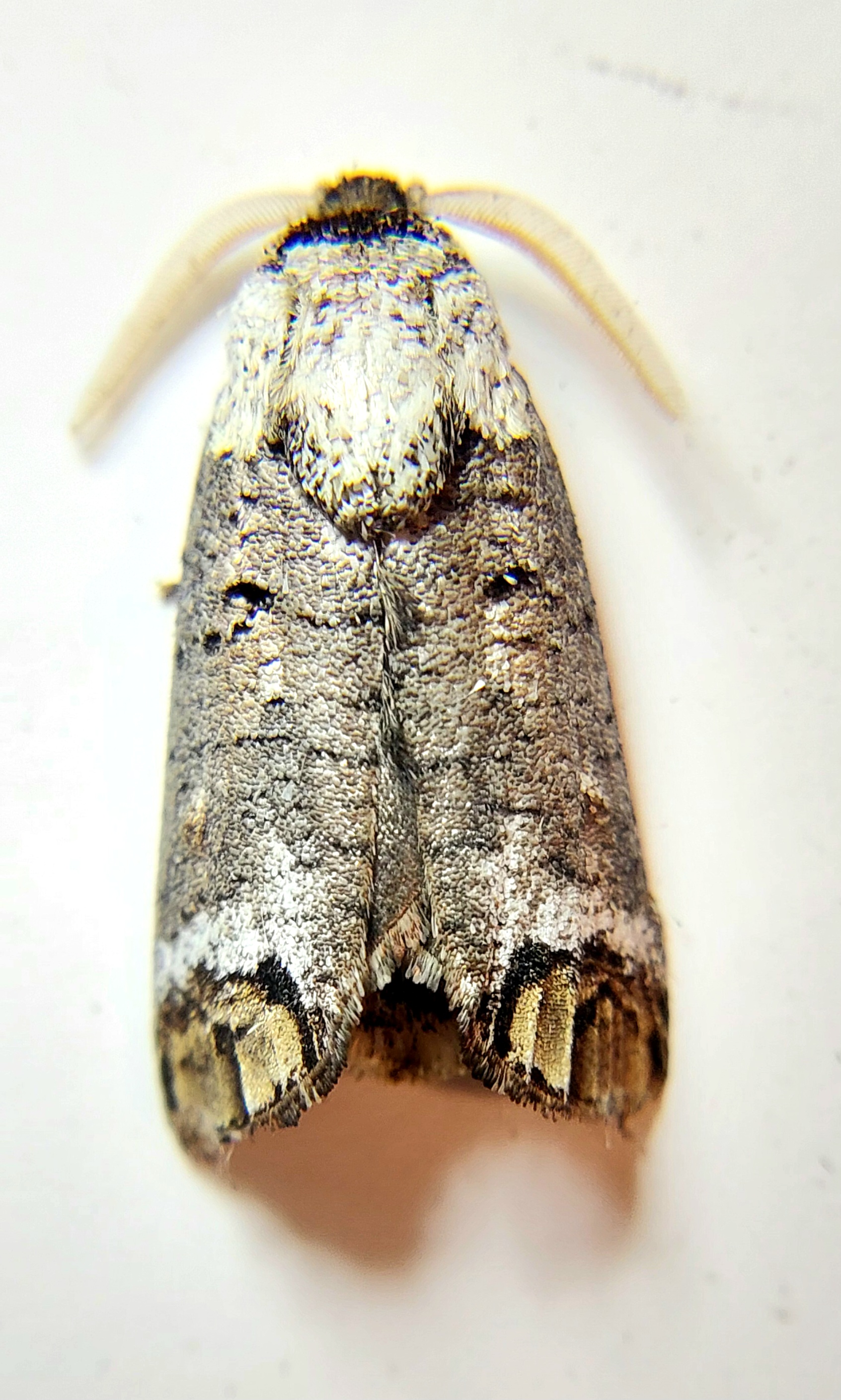
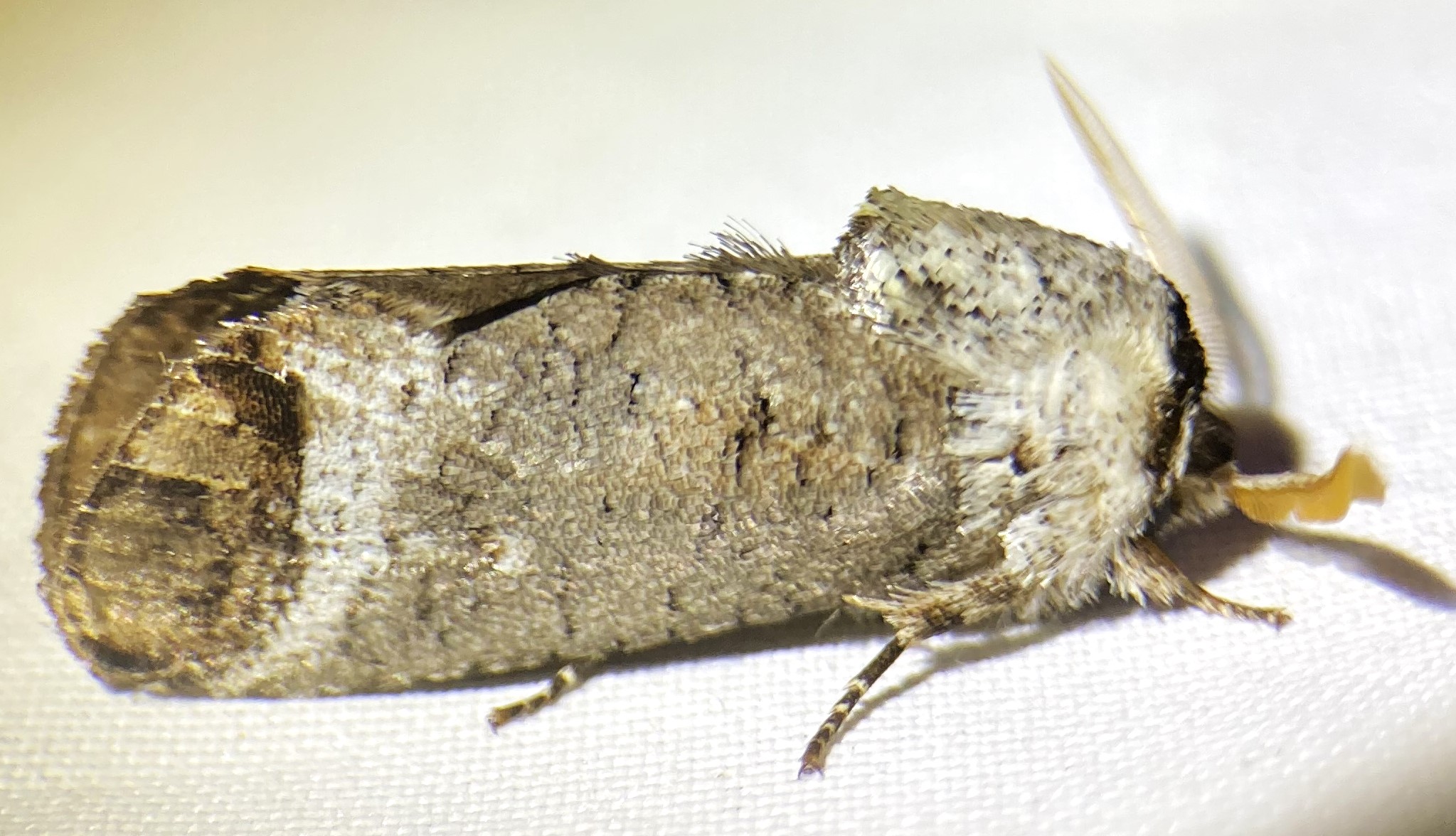
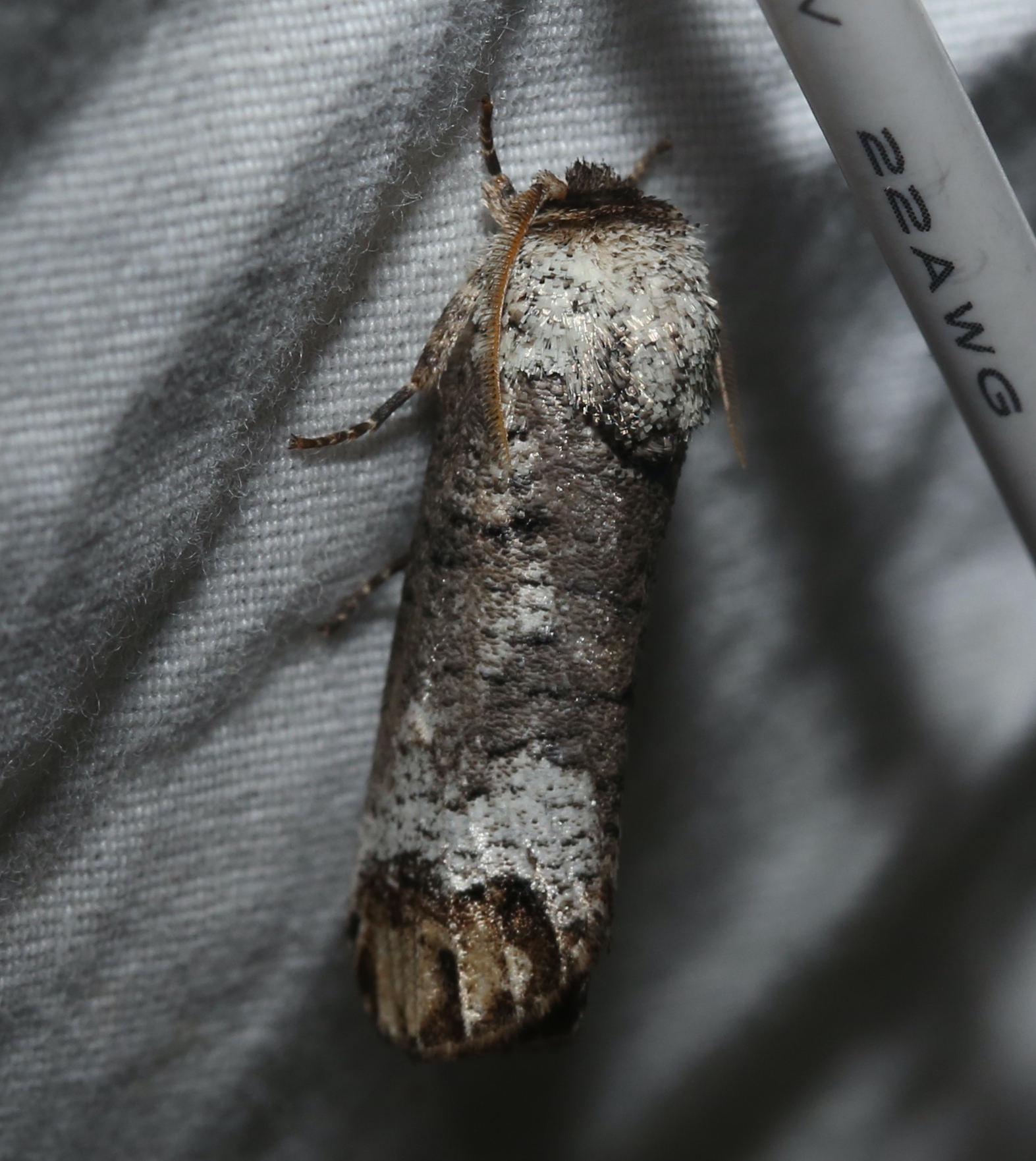
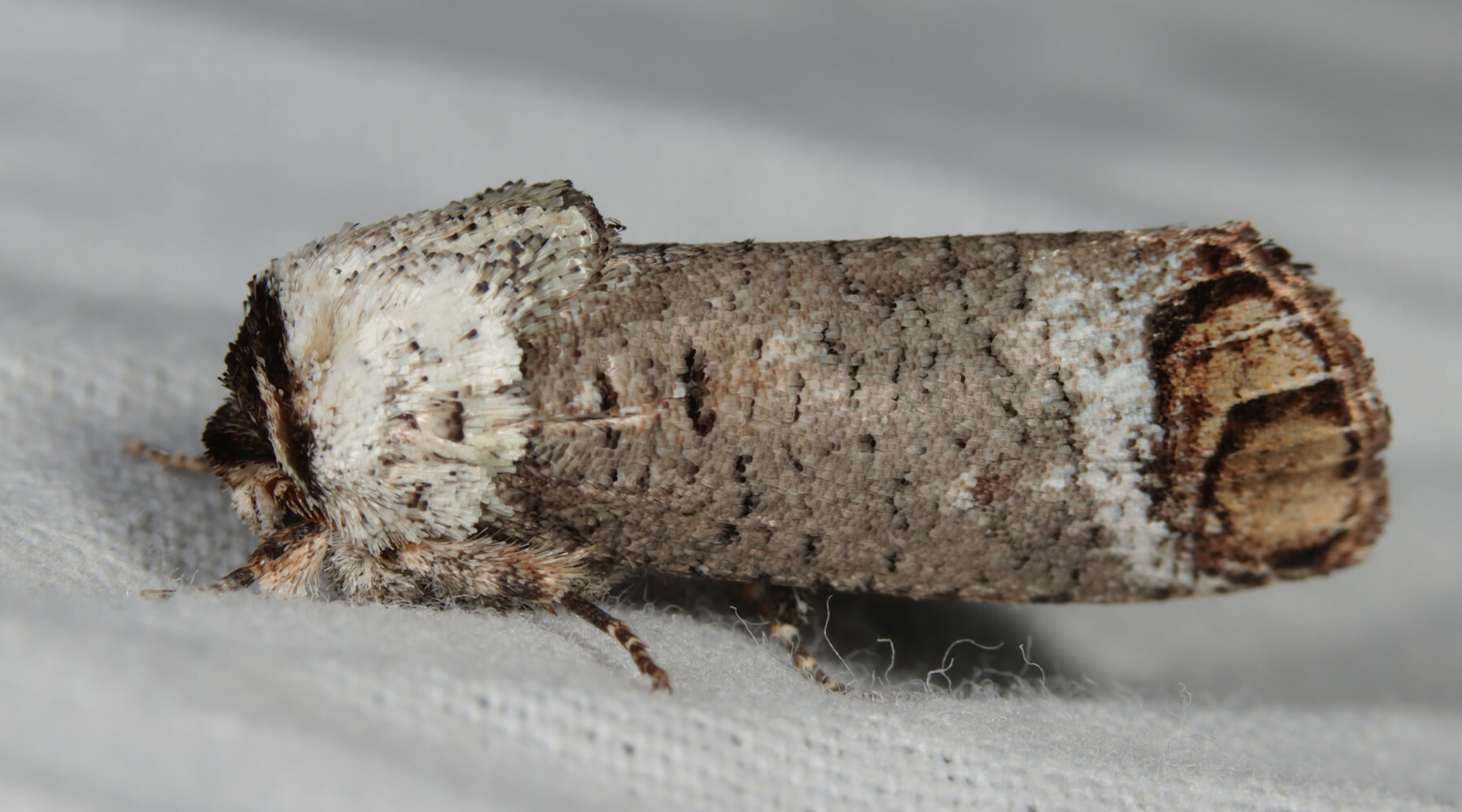
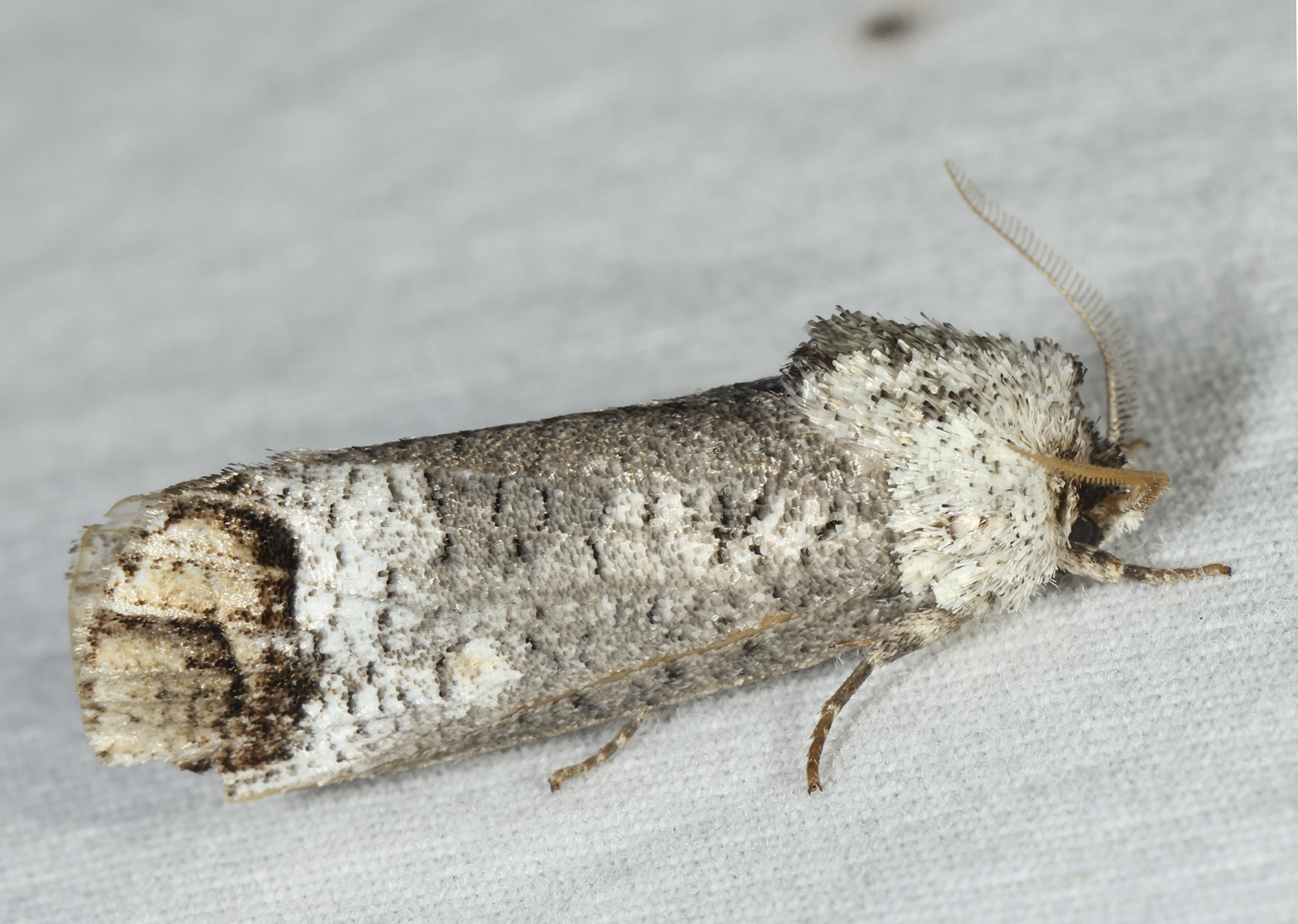
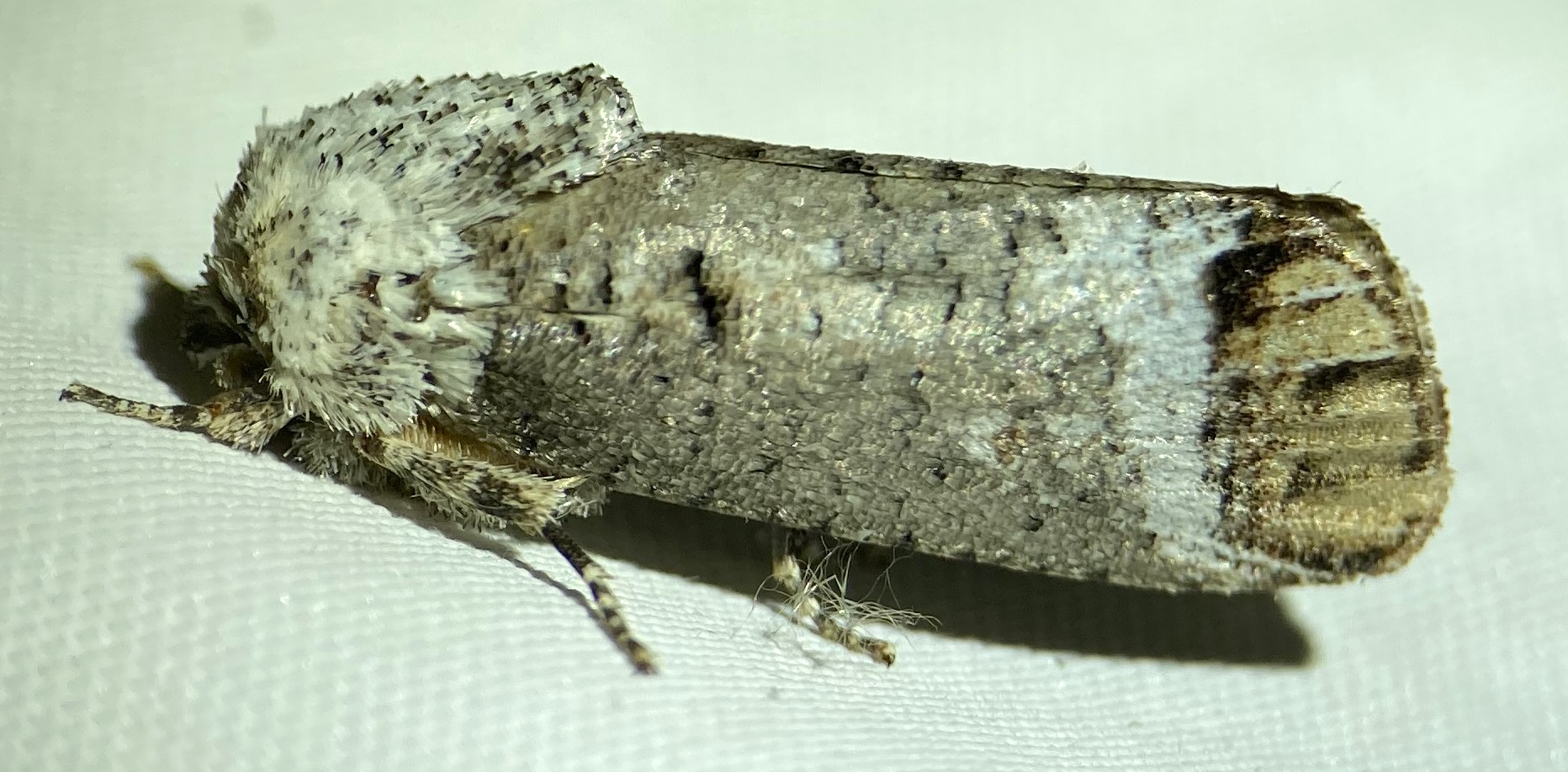
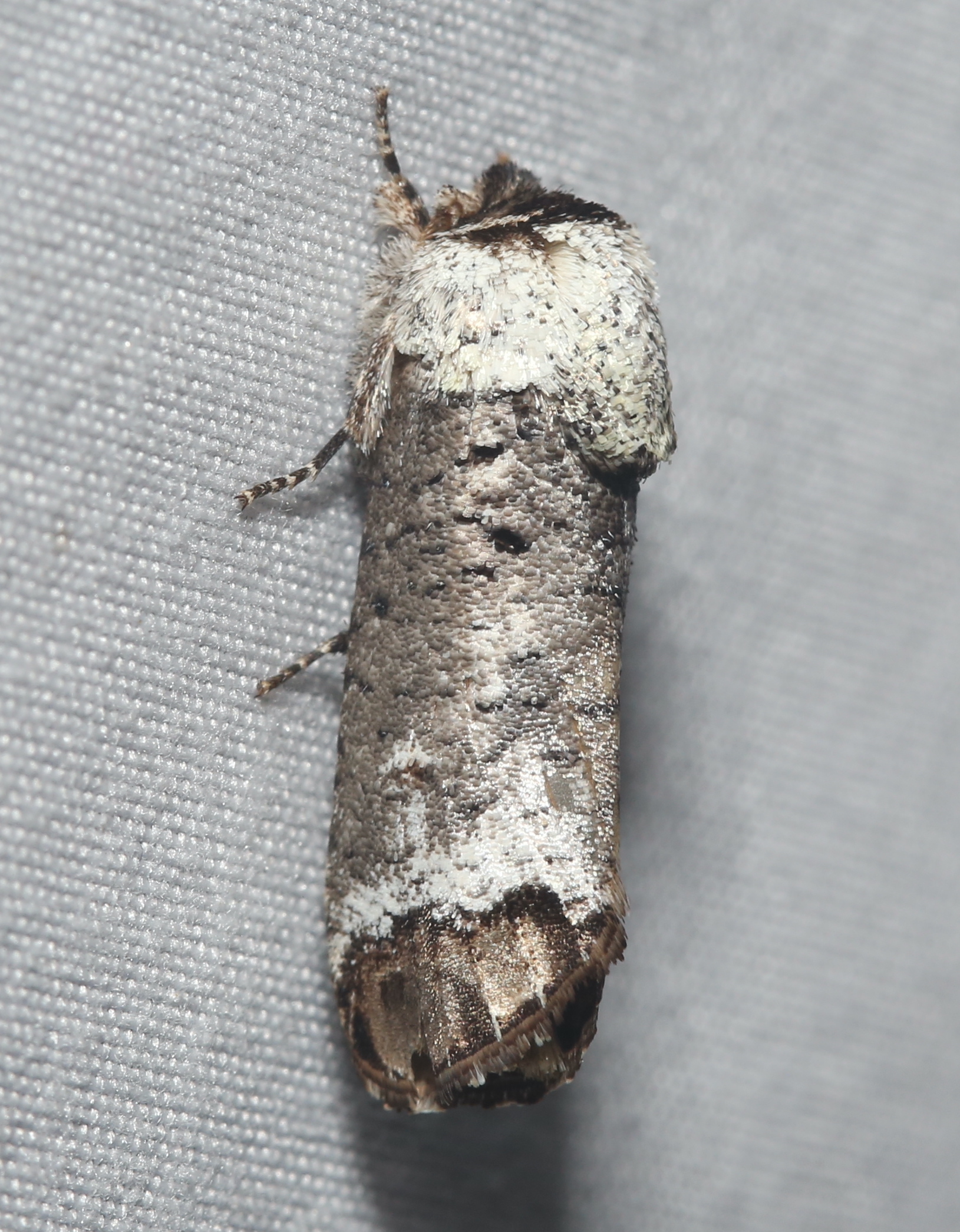
Cossula magnificaCossula magnificaCossula magnificaCossula magnifica
Taxonomy
Superfamily:
Cossoidea
Family:
Cossidae
Subfamily:
Cossulinae
Tribe:
[Cossulini]
P3 Number:
53a0047
MONA Number:
2674.00
Comments: A resident of the southeastern U.S., this is the sole representative of this genus in North America.
Identification
Field Guide Descriptions: Covell (1984)Online Resources: MPG, BugGuide, iNaturalist, Google, BAMONA, GBIF, BOLDTechnical Description, Adults: Barnes and McDunnough (1911)Technical Description, Immature Stages: Solomon (1995)                                                                                 
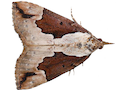
Adult Markings: Cossula magnifica is easily identified by two contrastingly white areas, with one on the thorax, and the second on the forewing at around three-fourths the wing length. The white region on the forewing is followed by a prominent, brownish oval mark. A more detailed description follows.

The head is dark-brown and contrast sharply with the thorax and tegula that are white with darker specks. The antenna is brownish-orange in the male and mostly brownish in the female. The ground color of the forewing varies from tannish-gray to brownish-gray and is overlain with numerous irregular, blackish, tranverse strigulae that are most prevalent on the dorsal half of the wing. Scattered, diffuse, blackish spots are also present that are more concentrated on the costal half of the wing. A relatively large spot is present in the middle of the wing at around two-fifths the wing length from the base, and a prominent, white, irregular band is present at around three-fourths the wing length. The band often has two or three tranverse strigulae within, and is followed by an oval-shaped, brownish mark that fills the apical fourth of the wing. The oval mark is irregularly edged with dark-brown or blackish scales, and often has one or two broad longitudinal bands near the tornus and middle. The terminal fringe is mottled with brownish and yellowish-brown patches, and has a brown sub-basal line that surrounds the oval patch. The hindwing is uniformly dark-brown with a white fringe that is checked with dark-brown marks.
Wingspan: 37-44 mm (Solomon, 1995).
Adult Structural Features: Length from tip of head to apex of forewing at rest averages 19.3 mm (n = 4 North Carolina specimens).
Adult ID Requirements: Identifiable from good quality photos of unworn specimens.
Immatures and Development: The larvae are borers that primarily use pecans and hickories, and to a lesser extent oaks. Local populations are univoltine, with the adults emerging after the spring leaf-out. The following life history account is based on that of Solomon (1995).

The adults emerge in late-April through June and lay eggs on small branches in the tops of trees. The hatchlings bore into the twigs and small branches and feed on the pithy material in the center. The larvae often exit small twigs as they grow and move to larger branches, where they again bore and tunnel through the stems and consume most of the tissue. They may tunnel up to 10 cm in both directions from the entrance holes. By early fall, the larvae leave these branches and move to larger branches and the tree trunk. Those that attack the tree trunk often tunnel horizontally or obliquely upward for 13-32 cm, then vertically for another 6-13 cm. Some may also tunnel downward from the point of entrance for 5-10 cm. Individuals most commonly bore into the trunk in crevices, and from the ground to around 1.2 meters up the trunk. The initial bore holes are around 6.5 mm in diameter, and are sap-stained with a bit of pellet-like frass showing in the bark crevices. Frass may also may accumulate in piles around the base of the trees.

The larvae overwinter in the galleries and continue feeding until April or May, when they can reach up to 37 mm in length. Shortly before pupating, they enlarge the entrance holes to around 9.5 mm in diameter, then enclose themselves in the ends of the upper galleries behind a network of thread-like material. Just before emergence, the pupae break through the threadlike material and move to the entrance holes. The adults emerge shortly thereafter and leave the pupal skin partially protruding from the hole.

The larvae are pinkish with numerous short-haired tubercles, and the head, prothoracic shield and anal plate are shiny dark brown. The late instars turn brown and have an orange prothoracic shield on a strongly humped first thoracic segment that bears a lateral black band across the front just above the orange head. The last anterior segment is dark and elongated, giving the appearance of a false head. The pupae are brown and have sharp projections on the head that facilitate moving through the pupal cells to the entrance holes.
Larvae ID Requirements: Identifiable from good quality photos, especially where associated with known host plants.
Distribution in North Carolina
Distribution: Cossula magnifica is found in the southeastern US where it ranges from Maryland and Virginia southward to southern Florida, and westward through the Gulf Coast states to eastern Texas. The range extends north to southern Arkansas, northern Mississippi, northern Alabama, and southeastern Tennessee, with one isolated record from north-central Tennessee. As of 2025, we have numerous records from throughout the Coastal Plain and the eastern and central Piedmont. This species is rare in the Blue Ridge, where we have a few records from the southernmost tier of counties.
County Map: Clicking on a county returns the records for the species in that county.
Cossula magnificaAlamance Alexander Alleghany Anson Ashe Avery Beaufort Bertie Bladen Brunswick Buncombe Burke Cabarrus Caldwell Camden Carteret Caswell Catawba Chatham Cherokee Chowan Clay Cleveland Columbus Craven Cumberland Currituck Dare Davidson Davie Duplin Durham Edgecombe Forsyth Franklin Gaston Gates Graham Granville Greene Guilford Halifax Harnett Haywood Henderson Hertford Hoke Hyde Iredell Jackson Johnston Jones Lee Lenoir Lincoln Macon Madison Martin McDowell Mecklenburg Mitchell Montgomery Moore Nash New Hanover Northampton Onslow Orange Pamlico Pasquotank Pender Perquimans Person Pitt Polk Randolph Richmond Robeson Rockingham Rowan Rutherford Sampson Scotland Stanly Stokes Surry Swain Transylvania Tyrrell Union Vance Wake Warren Washington Watauga Wayne Wilkes Wilson Yadkin Yancey
Flight Dates:
High Mountains (HM) ≥ 4,000 ft.
Low Mountains (LM) < 4,000 ft.
Piedmont (Pd)
Coastal Plain (CP)

Click on graph to enlarge
Image showing flight dates by month for High Mountains greater than 4,000 feet, Low Mountains, Piedmont, and Coastal Plain: adults.
Flight Comments: The adults have been documented from March through July in different areas of the range, with a seasonal peak in May and June. A few individuals also have been found during the winter months. Local populations in North Carolina are univoltine. As of 2025, our records range from mid-May to late-August, with a seasonal peak in May and June.
Habitats and Life History
Habitats: North Carolina records for this species come from a wide range of woody habitats, including maritime forest and scrub, xeric Carolina bay rims and sandhills, mesic hardwood slopes and ridges, reservoir shorelines, and wooded residential neighborhoods.
Larval Host Plants: The larvae are borers that prefer pecans and hickories (Solomon, 1995). They also commonly use oaks, and rarely use other hardwoods such as persimmons (Bailey, 1892; Covell, 1984; Kimball, 1965; Smith, 1990; Solomon, 1995). The reported hosts include Pecan (Carya illinoinensis), hickories, including Mockernut Hickory (Carya tomentosa), American Persimmon (Diospyros virginiana), White Oak (Q. alba), Scarlet Oak (Q. coccinea), Southern Red Oak (Q. falcata), Cherrybark Oak (Q. pagoda), Post Oak (Q. stellata), Black Oak (Q. velutina) and Live Oak (Q. virginiana). In North Carolina, it has recently been reported from Common Hazel (Corylus avellana) (M. Bertone, BugGuide, 2017), which is not native to our state. - View
Observation Methods: The adults are attracted to lights, but have rudimentary mouthparts and do not come to bait or visit flowers.
Wikipedia
Status in North Carolina
Natural Heritage Program Status:
Natural Heritage Program Ranks: G5 [S4]
State Protection: Has no legal protection, although permits are required to collect it in state parks and on other public lands.
Comments: This species is uncommon to locally common in the Coastal Plain and Piedmont, but rare in the Blue Ridge.

 Photo Gallery for Cossula magnifica - Pecan Carpenterworm Moth

91 photos are available. Only the most recent 30 are shown.
Cossula magnifica
Recorded by: R. Newman on 2025-07-13
Carteret Co.
Comment:
Cossula magnifica
iNaturalist
Recorded by: alinamartin - Alina Martin on 2025-06-24
Clay Co.
Comment: iNat record - https://www.inaturalist.org/observations/296641985***(c) Alina Martin, some rights reserved (CC BY)| Public Positional Accuracy=4 m Elevation=1934.3 feet
Cossula magnifica
iNaturalist
Recorded by: alinamartin - Alina Martin on 2025-06-23
Clay Co.
Comment: iNat record - https://www.inaturalist.org/observations/296641950***(c) Alina Martin, some rights reserved (CC BY)| Public Positional Accuracy=4 m Elevation=1934.3 feet
Cossula magnifica
Recorded by: K. Bischof on 2025-06-22
Transylvania Co.
Comment:
Cossula magnifica
Recorded by: Jeff Niznik, David George, Larry Chen, Sarah Toner, Joye Zhou on 2025-06-20
Richmond Co.
Comment:
Cossula magnifica
Recorded by: Allison Garton on 2025-06-19
Moore Co.
Comment:
Cossula magnifica
Recorded by: Lior S. Carlson, Dean Furbish on 2025-06-18
Alamance Co.
Comment:
Cossula magnifica
iNaturalist
Recorded by: bullhillnaturalist on 2025-06-15
Stanly Co.
Comment: iNat record - https://www.inaturalist.org/observations/295539412***(c) bullhillnaturalist, some rights reserved (CC BY-NC)| Public Positional Accuracy=2 m Elevation=526.3 feet
Cossula magnifica
Recorded by: Mark Basinger on 2025-06-15
Rowan Co.
Comment:
Cossula magnifica
Recorded by: Mark Basinger on 2025-06-14
Rowan Co.
Comment:
Cossula magnifica
Recorded by: Simpson Eason on 2025-06-12
Durham Co.
Comment:
Cossula magnifica
Recorded by: Catherine Rose on 2025-06-11
Craven Co.
Comment:
Cossula magnifica
Recorded by: R. Newman on 2025-05-20
Carteret Co.
Comment:
Cossula magnifica
Recorded by: R. Newman on 2024-07-07
Carteret Co.
Comment:
Cossula magnifica
Recorded by: Dean Furbish, Lior S. Carlson on 2024-06-18
Lincoln Co.
Comment:
Cossula magnifica
Recorded by: R. Newman on 2024-06-16
Carteret Co.
Comment:
Cossula magnifica
Recorded by: David George, Steve Hall, Patrick Coin, Mark Basinger on 2024-06-16
Chatham Co.
Comment:
Cossula magnifica
Recorded by: Mark Basinger on 2024-06-15
Rowan Co.
Comment:
Cossula magnifica
Recorded by: Mark Basinger on 2024-06-15
Rowan Co.
Comment:
Cossula magnifica
Recorded by: David George on 2024-06-14
Durham Co.
Comment:
Cossula magnifica
Recorded by: Michael P. Morales on 2024-06-13
Cumberland Co.
Comment:
Cossula magnifica
Recorded by: Michael P. Morales on 2024-06-13
Cumberland Co.
Comment:
Cossula magnifica
Recorded by: Mark Basinger on 2024-06-13
Wilson Co.
Comment:
Cossula magnifica
Recorded by: Mark Basinger on 2024-06-13
Wilson Co.
Comment:
Cossula magnifica
Recorded by: Dean Furbish on 2024-06-11
Wake Co.
Comment:
Cossula magnifica
Recorded by: David George, Jeff Niznik on 2024-06-10
Chatham Co.
Comment:
Cossula magnifica
Recorded by: David George, Tracy Feldman, Jeff Niznik, Rich Teper, Patrick Coin, Becky Watkins on 2024-06-08
Wake Co.
Comment:
Cossula magnifica
Recorded by: John Petranka on 2024-06-07
Orange Co.
Comment:
Cossula magnifica
Recorded by: Dean Furbish on 2024-06-02
Wake Co.
Comment:
Cossula magnifica
Recorded by: David George, Jeff Niznik on 2024-06-01
Chatham Co.
Comment:

Photos of Cossula magnifica from iNaturalist

Cossula magnifica
© bullhillnaturalist - 2025-06-15 - Stanly Co.
iNat record
Cossula magnifica
© alinamartin - Alina Martin - 2025-06-23 - Clay Co.
iNat record
Cossula magnifica
© alinamartin - Alina Martin - 2025-06-24 - Clay Co.
iNat record