Moths of North Carolina
Home Page
Recent Entries
Recent Account Updates
County Searches
General Search
Submit a Public Record
Larval Hosts
References
Maps
Draft Checklists
Family Photo Gallery
Family PDFs
NC Biodiversity Project
Comments
Significant Contributors
Scientific Name:
Common Name:
Family (Alpha):
Choose a Family
ACROLEPIIDAE-False Diamondback Moths
ADELIDAE-Fairy moths
ALUCITIDAE-Many-plumed Moths
AMPHISBATIDAE-
ARGYRESTHIIDAE-Shiny Head-standing Moths
AUTOSTICHIDAE-Autostichid Moths
BATRACHEDRIDAE-Batrachedrid Moths
BEDELLIIDAE-Bedelliid Moths
BLASTOBASIDAE-Blastobasid Moths
BOMBYCIDAE-Silkworm Moths
BUCCULATRICIDAE-Ribbed Cocoon-maker Moths
CARPOSINIDAE-Fruitworm Moths
CHOREUTIDAE-Metalmark Moths
COLEOPHORIDAE-Casebearer Moths and Relatives
COSMOPTERIGIDAE-Cosmopterigid Moths
COSSIDAE-Carpenter Moths, Goat Moths
CRAMBIDAE-Grass Moths, Snout Moths
DEPRESSARIIDAE-
DREPANIDAE-Hook-tips and Thyatirid Moths
DRYADAULIDAE-
ELACHISTIDAE-Grassminer Moths and Relatives
EPERMENIIDAE-Fringe-tufted Moths
EPIPYROPIDAE-Planthopper Parasite Moths
EREBIDAE-Erebid Moths
ERIOCRANIIDAE-Eriocraniid Moths
EUTELIIDAE-Euteliid Moths
GALACTICIDAE-Galacticid Moths
GELECHIIDAE-Gelechiid Moths; Twirler Moths
GEOMETRIDAE-Geometer Moths, Loopers
GLYPHIDOCERIDAE-Glyphidocerid Moths
GLYPHIPTERIGIDAE-Sedge Moths
GRACILLARIIDAE-Leafblotch miner moths
HELIOZELIDAE-Shield bearer moths
HEPIALIDAE-Ghost or Swift Moths
HYBLAEIDAE-
INCURVARIIDAE-Leafcutter Moths
LASIOCAMPIDAE-Tent Caterpillar Moths, Lappet Moths
LECITHOCERIDAE-Long-horned Moths
LIMACODIDAE-Slug Caterpillar Moths
LIMOCODIDAE-
LYONETIIDAE-Lyonetiid Moths
MEGALOPYGIDAE-Flannel Moths
MICROPTERIGIDAE-Mandibulate Moths
MIMALLONIDAE-
MOMPHIDAE-Mompha Moths
NEPTICULIDAE-Minute leaf miners
NOCTUIDAE-Owlet Moths
NOLIDAE-
NOTODONTIDAE-Prominents
OECOPHORIDAE-Oecophorid Moths
OPOSTEGIDAE-
PELEOPODIDAE-
PLUTELLIDAE-Diamondback Moths
PRODOXIDAE-Yucca Moths
PSYCHIDAE-Bagworm Moths
PTEROPHORIDAE-Plume Moths
PYRALIDAE-Pyralid Moths, Snout Moths
SATURNIIDAE-Giant Silkworm Moths
SCHRECKENSTEINIIDAE-Schreckensteiniid Moths
SCYTHRIDIDAE-
SESIIDAE-Clearwing Moths
SPHINGIDAE-Sphinx Moths
THYATIRIDAE-
THYRIDIDAE-Window-winged Moths
TINEIDAE-Clothes moths
TISCHERIIDAE-Tischerid Moths
TORTRICIDAE-Leafroller Moths
URANIIDAE-
URODIDAE-Urodid Moths
XYLORYCTIDAE-
YPONOMEUTIDAE-Ermine Moths
YPSOLOPHIDAE-Ypsolophid Moths
ZYGAENIDAE-
«
Home
»
View
PDF
Notodontidae Members:
Americerura scitiscripta
Baltodonta broui
Cecrita biundata
Cecrita guttivitta
Clostera albosigma
Clostera apicalis
Clostera inclusa
Coelodasys apicalis
Coelodasys unicornis
Dasylophia anguina
Dasylophia thyatiroides
Datana angusii
Datana contracta
Datana drexelii
Datana integerrima
Datana major
Datana ministra
Datana perspicua
Datana ranaeceps
Datana robusta
Datana unidentified species
Ellida caniplaga
Furcula borealis
Furcula cinerea
Gluphisia septentrionis
Heterocampa astarte
Heterocampa obliqua
Heterocampa umbrata
Heterocampa unidentified species
Heterocampa varia
Hyparpax aurora
Hyparpax perophoroides
Ianassa lignicolor
Lochmaeus bilineata
Lochmaeus manteo
Lochmaeus unidentified species
Macrurocampa marthesia
Misogada unicolor
Nadata gibbosa
Nerice bidentata
Notodonta scitipennis
Oedemasia concinna
Oedemasia leptinoides
Oedemasia semirufescens
Paraeschra georgica
Peridea angulosa
Peridea basitriens
Peridea bordeloni
Peridea ferruginea
Pheosia rimosa
Rifargia subrotata
Schizura badia
Schizura ipomaeae
Schizura matheri
Schizura unidentified species
Symmerista albifrons
Symmerista canicosta
Symmerista leucitys
Symmerista unidentified species
Datana
Members:
Datana angusii
Datana contracta
Datana drexelii
Datana integerrima
Datana major
Datana ministra
Datana perspicua
Datana ranaeceps
Datana robusta
Datana unidentified species
190 NC Records
Datana angusii
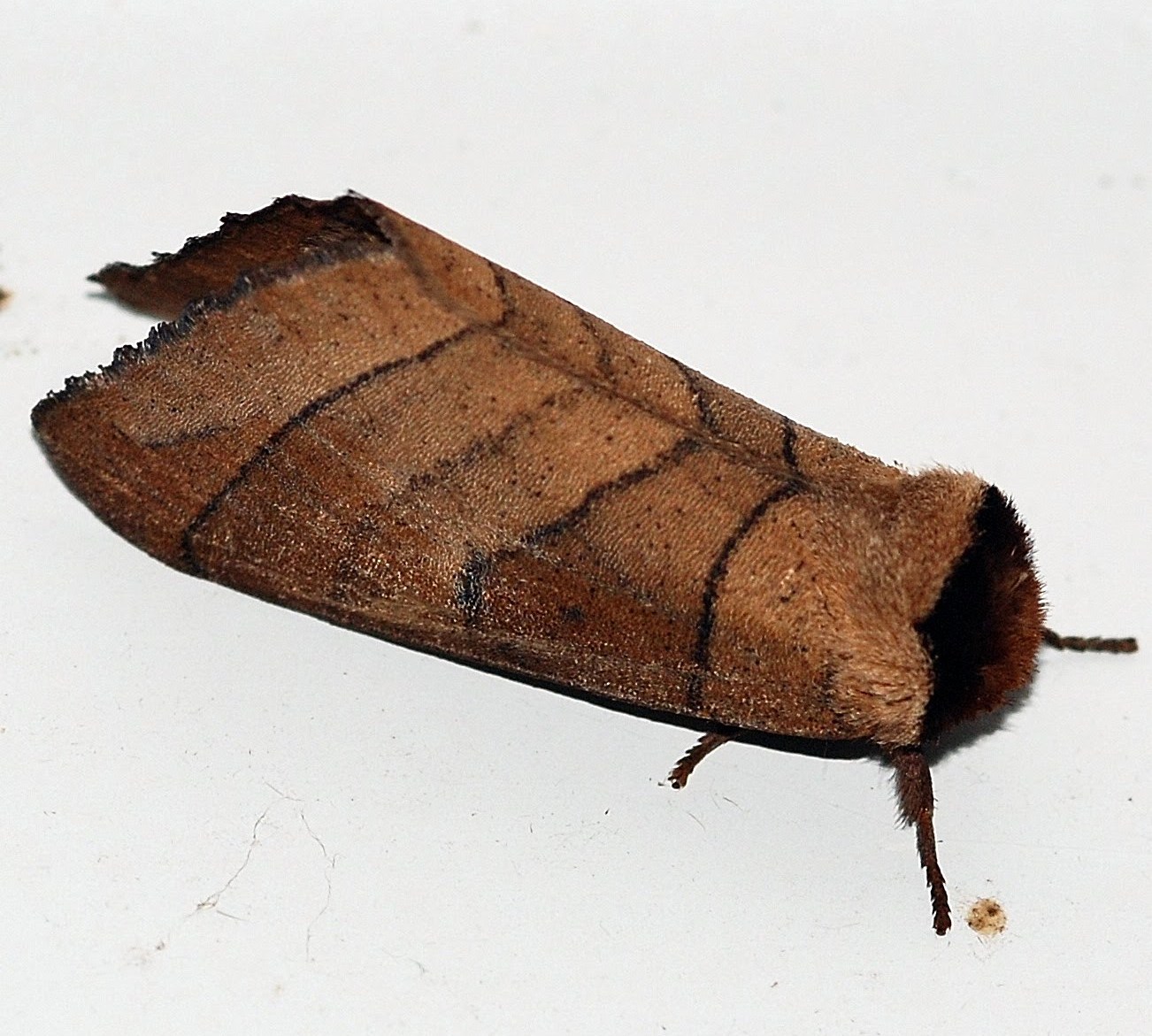
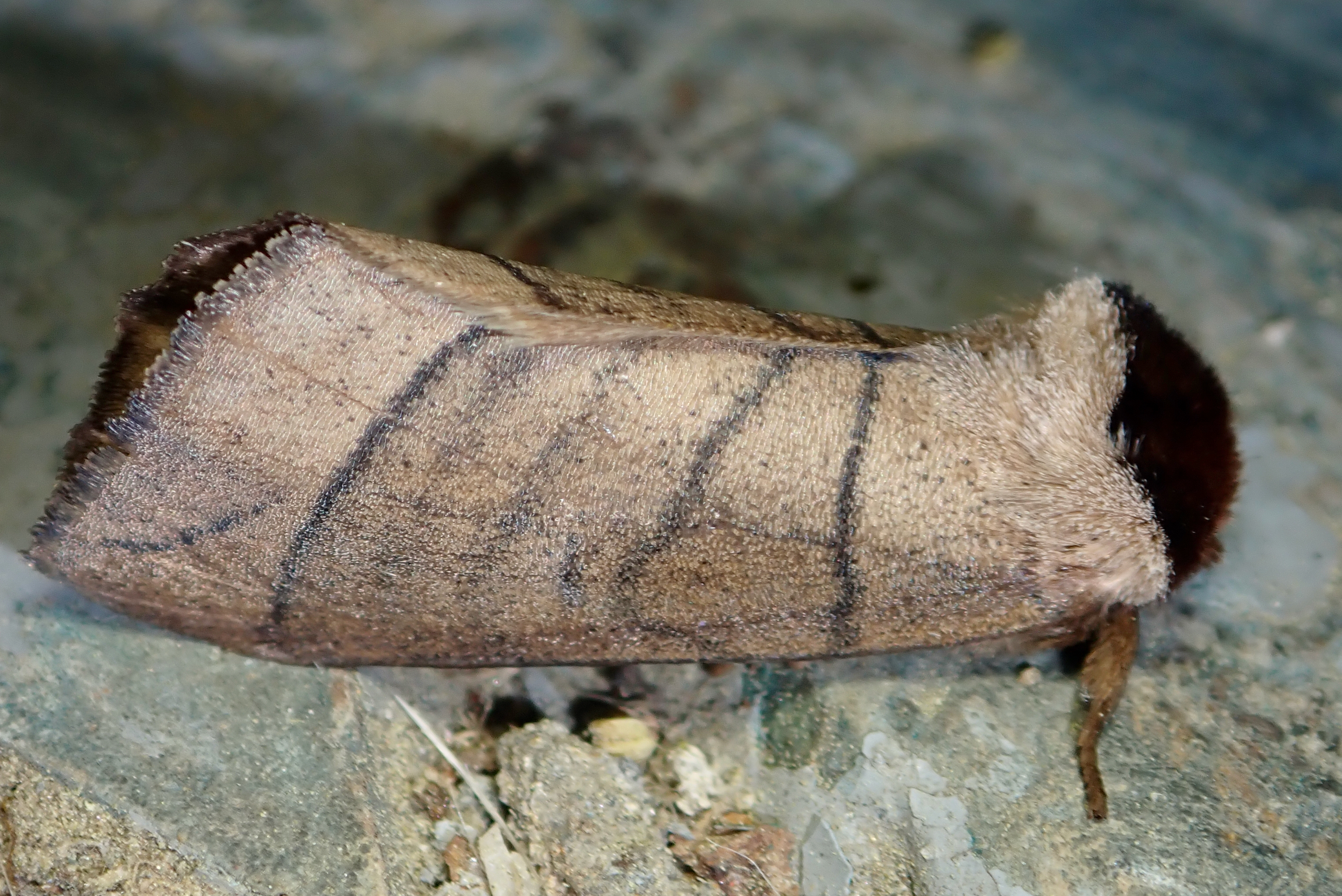
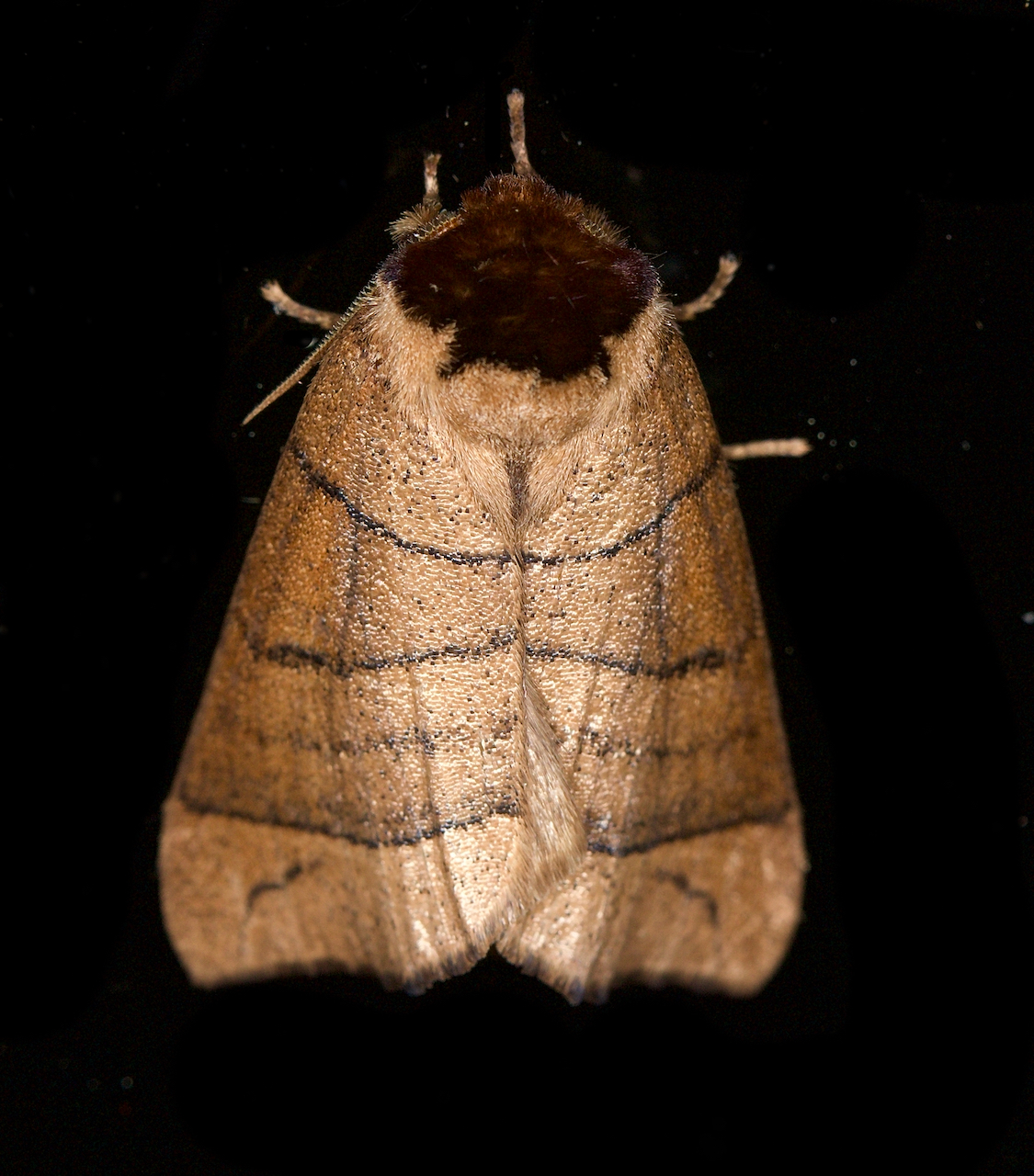
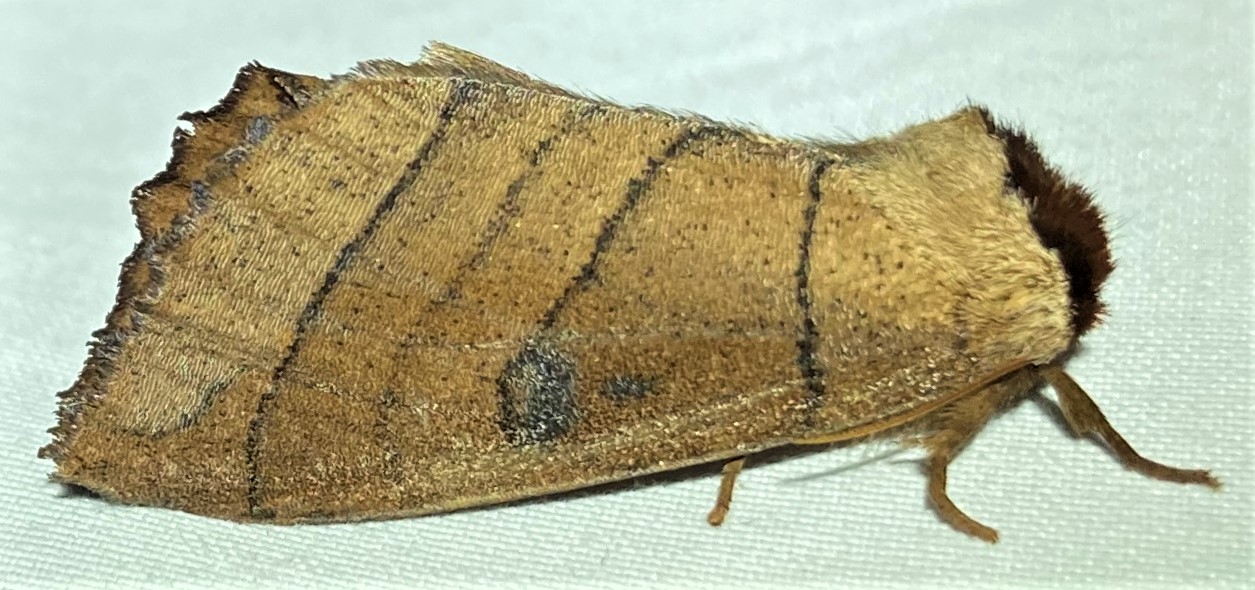
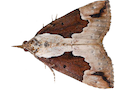
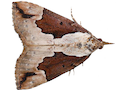
Grote & Robinson, 1866 - Angus's Datana
view caption
Confirmed via specimen by Bo sullivan
Taxonomy
Superfamily:
Noctuoidea
Family:
Notodontidae
Subfamily:
Phalerinae
P3 Number:
930034
MONA Number:
7903.00
Comments:
One of 16 species in this genus, all but one of which occurs in North America north of Mexico (Miller et al., 2018). Nine have been recorded in North Carolina.
Identification
Field Guide Descriptions:
Covell (1984); Beadle and Leckie (2012)
Online Resources:
MPG
,
BugGuide
,
iNaturalist
,
Google
,
BAMONA
,
GBIF
,
BOLD
Technical Description, Adults:
Forbes (1948); Miller et al., (2018)
Technical Description, Immature Stages:
Forbes (1948); Wagner (2005); Miller et al., (2018)
Adult Markings:
Along with
ministra
,
major
, and
drexelli
,
angusii
possesses a crenulate outer margin; our other species have a smooth margin instead (Forbes, 1948; Miller et al., 2018). Forbes describes the ground color of
angusii
as ranging from dull luteous to a dark gray- or umber-brown, with no reddish or yellowish shading but sometimes with a greenish tinge. As in
ministra
, the area between the costa and cubitus is not contrastingly lighter than the lower portion of the wing and the two spots are either absent or obscure, with the outer one sometimes incorpoated in the second line (Forbes, 1948). The lines are dark brown, as is the disc of the thorax.
Datana ministra
is most similar in pattern but is reddish- to yellowish-brown and has a reddish thoracic disc and reddish-brown lines.
Wingspan:
45 mm (Forbes, 1948)
Adult Structural Features:
Valves of the males have a single transverse flange; in angusii this flange is dentate or tuberculate rather than smooth as in ministra (Forbes, 1948; Miller et al., 2018). The uncus is bifid, whereas it is rounded over in ministra (Forbes, 1948). See Forbes and Miller et al. for additional details and illustrations. Miller et al., also describe distinctive features of the female structures.
Genitalia and other structural photos
Tergite; Montgomery County; J.B. Sullivan.
Adult ID Requirements:
Identifiable from good quality photos of unworn specimens.
Immatures and Development:
Larvae are black with pale yellow stripes. The thoracic shield is usually black and the prolegs are reddish (Wagner, 2005). The thoracic shield can sometimes be reddish-orange, but is never the yellow found in ministra (Miller et al., 2018).
Larvae ID Requirements:
Identifiable from good quality photos, especially where associated with known host plants.
Distribution in North Carolina
Distribution:
County Map:
Clicking on a county returns the records for the species in that county.
Flight Dates:
High Mountains (HM) ≥ 4,000 ft.
Low Mountains (LM) < 4,000 ft.
Piedmont (Pd)
Coastal Plain (CP)
Click on graph to enlarge
 »
»