| description |
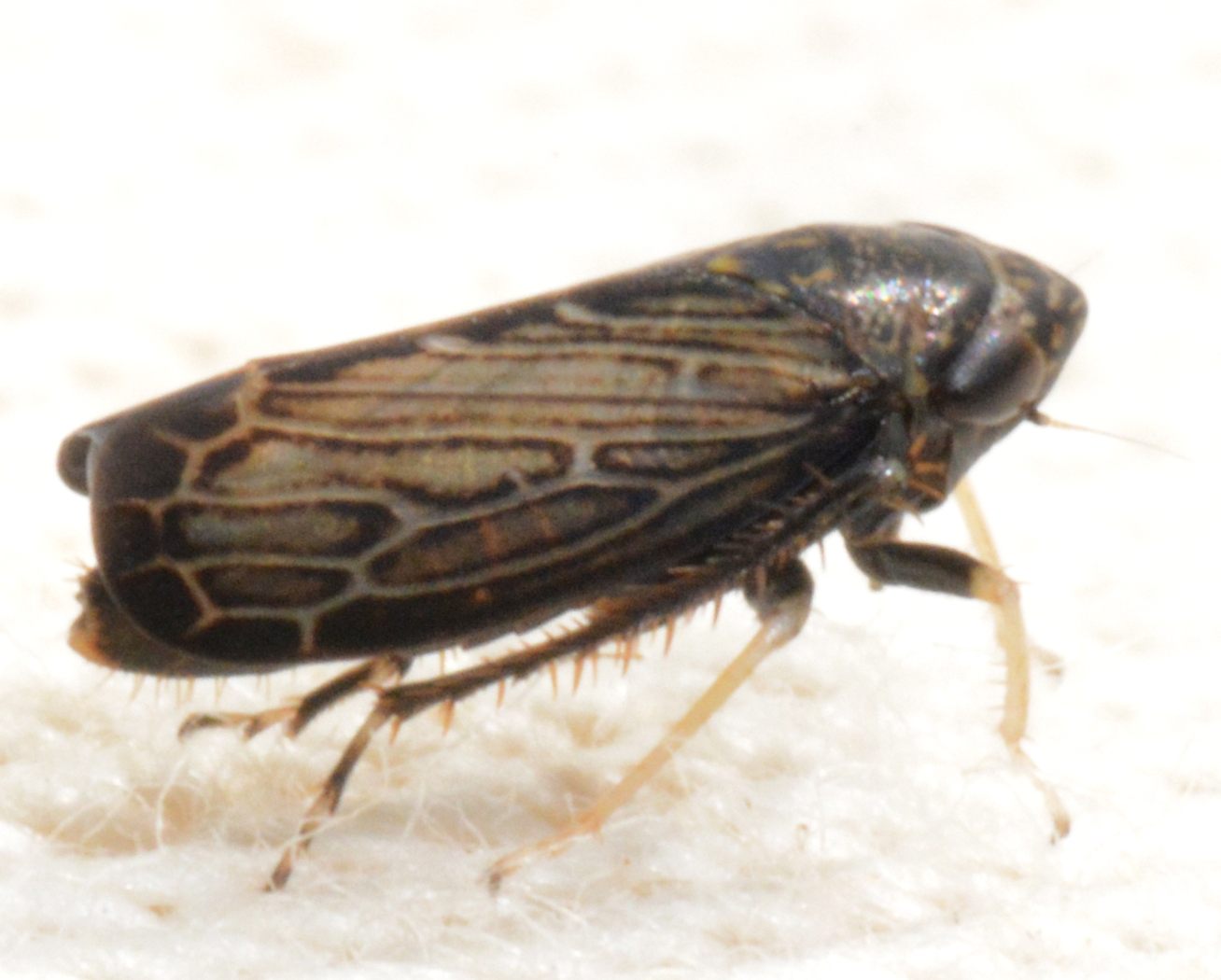
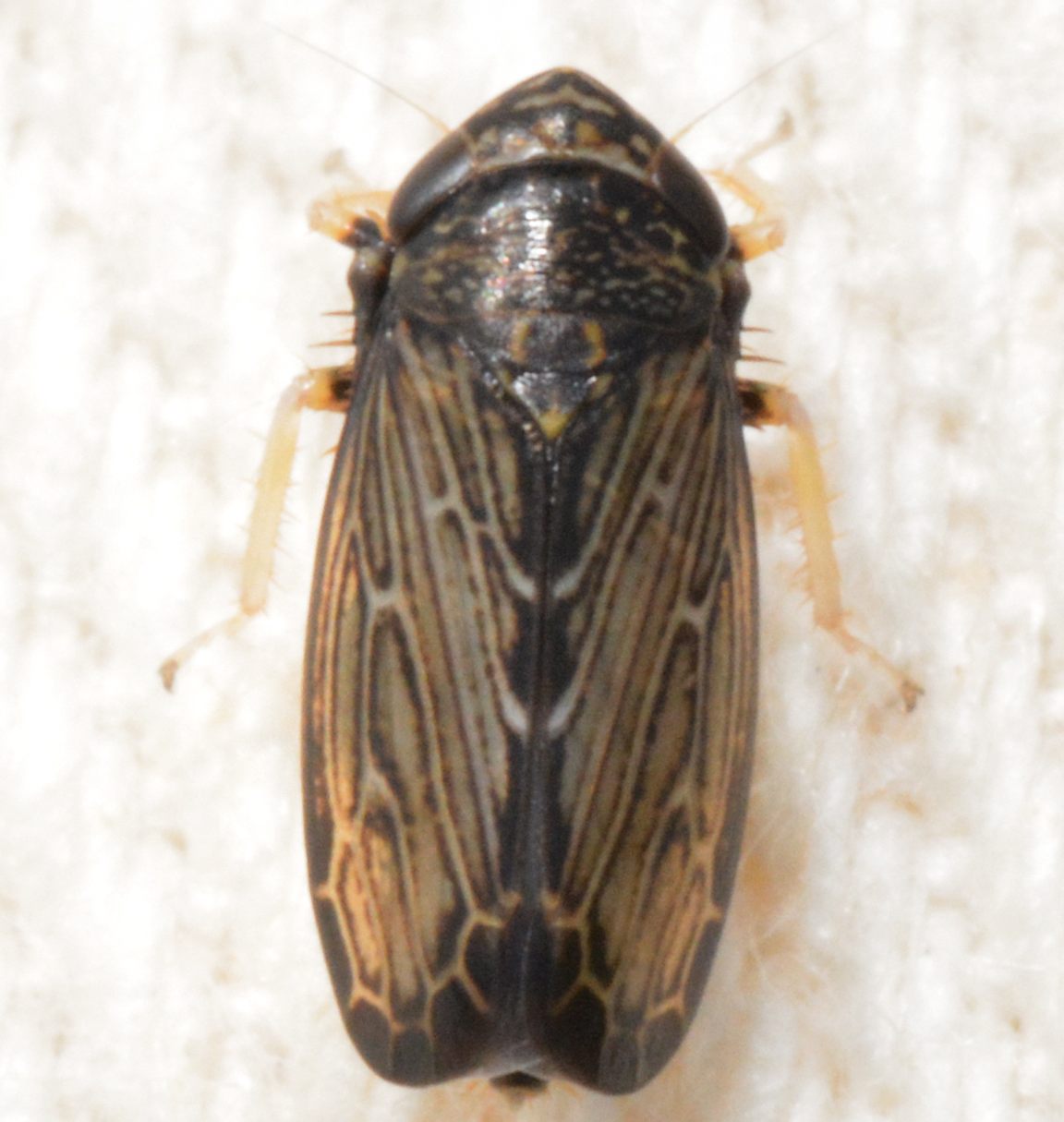
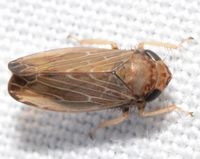
A fuscous species that varies in coloration, ranging from pale brownish to blackish; pale individuals were once treated as species/subspecies Limotettix speculata. The wings tends to have pale golden venation and inner areas of cells, and there are golden markings on the thorax and head. However, some adults are almost all black. The face is dark brown to blackish. The legs are bicolored, yellow with a black base. Adult males are around 4.0 mm long, females are 4.5-4.7 mm (McKamey 2001).
For diagrams of this species, see: 3I. |
| comments |
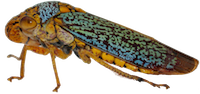
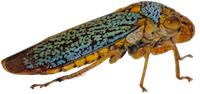
The only species that have the legs divided into yellow and black halves like this are L. anthracinus (body all black), L.vaccinii, L. cachcolus, L. uhleri, L. kryptus and L. osborni (more slender). (McKamey 2001)
The external features of L. uhleri closely resemble those of L. kryptus, with both species sharing a broadly overlapping geographic distribution. However, females of uhleri have a more angulate head and are a little larger than kryptus females. (McKamey 2001) Additionally, the pregenital sternites of the two species are different per Beirne (1956). In kryptus, the sternite is distinctly trilobed with a sinusoidal posterior margin; there also appear to be two pale spots on the anterior margin, with the rest of the sternite dark. In uhleri, the sternite is wider [than in kryptus] and largely blackish, and is more bilobed than trilobed with a gradual median projection that doesn't quite extend out as far as the pointed lateral margins of the sternite.
NOTE: Some authors treat Ophiola, Ophiolix, and Scleroracus as distinct genera, while other authors treat these as subgenera within Limotettix. More work needs to be done to verify these distinctions/determine the borders of each genus (J. Kits pers. comment). For now, we will follow the latest treatment used in the World Auchenorrhyncha Database (BG). |
Species Photo Gallery for Scleroracus uhleri No Common Name |
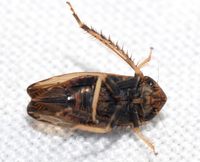 | Photo by: Kyle Kittelberger, Brian Bockhahn, Paul Scharf
Watauga Co.
Comment: grassy, brushy area on mixed forest edge; female, possibly this species | 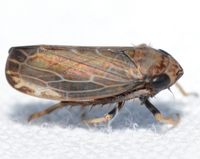 | Photo by: Kyle Kittelberger, Brian Bockhahn, Paul Scharf
Watauga Co.
Comment: grassy, brushy area on mixed forest edge; female, possibly this species |
 | Photo by: Kyle Kittelberger, Brian Bockhahn, Paul Scharf
Watauga Co.
Comment: grassy, brushy area on mixed forest edge; female, possibly this species | 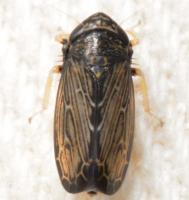 | Photo by: Kyle Kittelberger, Brian Bockhahn, Paul Scharf
Avery Co.
Comment: grassy, brushy field-type habitat in old christmas tree farm |
 | Photo by: Kyle Kittelberger, Brian Bockhahn, Paul Scharf
Avery Co.
Comment: grassy, brushy field-type habitat in old christmas tree farm |  | Photo by: Margarita Lankford
Swain Co.
Comment: https://www.inaturalist.org/observations/52211889 |
 | Photo by: Margarita Lankford
Swain Co.
Comment: https://www.inaturalist.org/observations/52211889 | 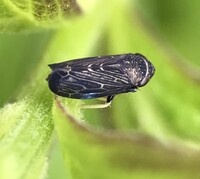 | Photo by: Ted Wilcox
Watauga Co.
Comment: unid_leafhopper |
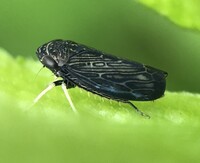 | Photo by: Ted Wilcox
Watauga Co.
Comment: unid_leafhopper | 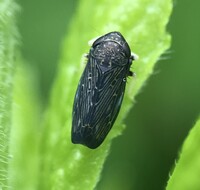 | Photo by: Ted Wilcox
Watauga Co.
Comment: unid_leafhopper |
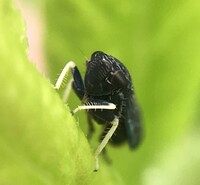 | Photo by: Ted Wilcox
Watauga Co.
Comment: unid_leafhopper | 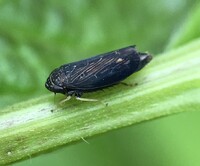 | Photo by: Ted Wilcox
Watauga Co.
Comment: |
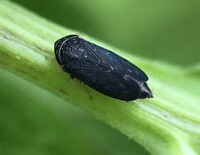 | Photo by: Ted Wilcox
Watauga Co.
Comment: | 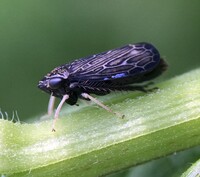 | Photo by: Ted Wilcox
Watauga Co.
Comment: unid_leafhopper |
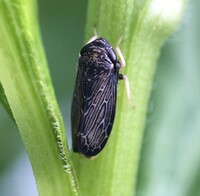 | Photo by: Ted Wilcox
Watauga Co.
Comment: unid_leafhopper | 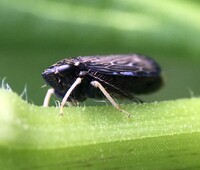 | Photo by: Ted Wilcox
Watauga Co.
Comment: unid_leafhopper |
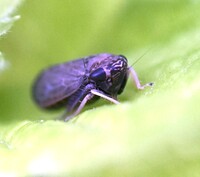 | Photo by: Ted Wilcox
Watauga Co.
Comment: unid_leafhopper | 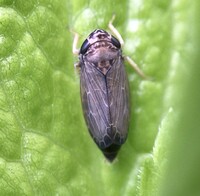 | Photo by: Ted Wilcox
Watauga Co.
Comment: unid_leafhopper |
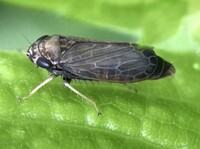 | Photo by: Ted Wilcox
Watauga Co.
Comment: unid_leafhopper | 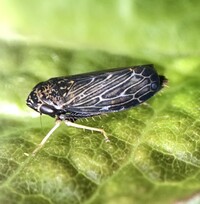 | Photo by: Ted Wilcox
Watauga Co.
Comment: unid_leafhopper |
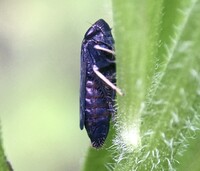 | Photo by: Ted Wilcox
Watauga Co.
Comment: unid_leafhopper | 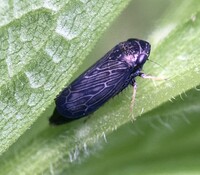 | Photo by: Ted Wilcox
Watauga Co.
Comment: unid_leafhopper |
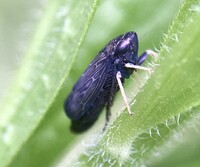 | Photo by: Ted Wilcox
Watauga Co.
Comment: unid_leafhopper | 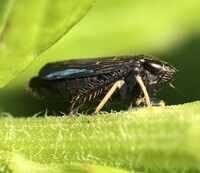 | Photo by: Ted Wilcox
Watauga Co.
Comment: unid_leafhopper |
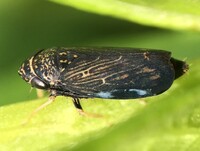 | Photo by: Ted Wilcox
Watauga Co.
Comment: unid_leafhopper | 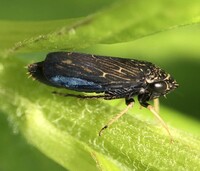 | Photo by: Ted Wilcox
Watauga Co.
Comment: unid_leafhopper |
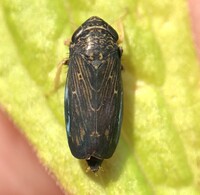 | Photo by: Ted Wilcox
Watauga Co.
Comment: unid_leafhopper |

 »
»