Moths of North Carolina
Scientific Name:
Common Name:
Family (Alpha):
« Home »
View PDFTortricidae Members: Episimus Members: 76 NC Records

Episimus argutana (Clemens, 1860) - Sumac Leaftier Moth


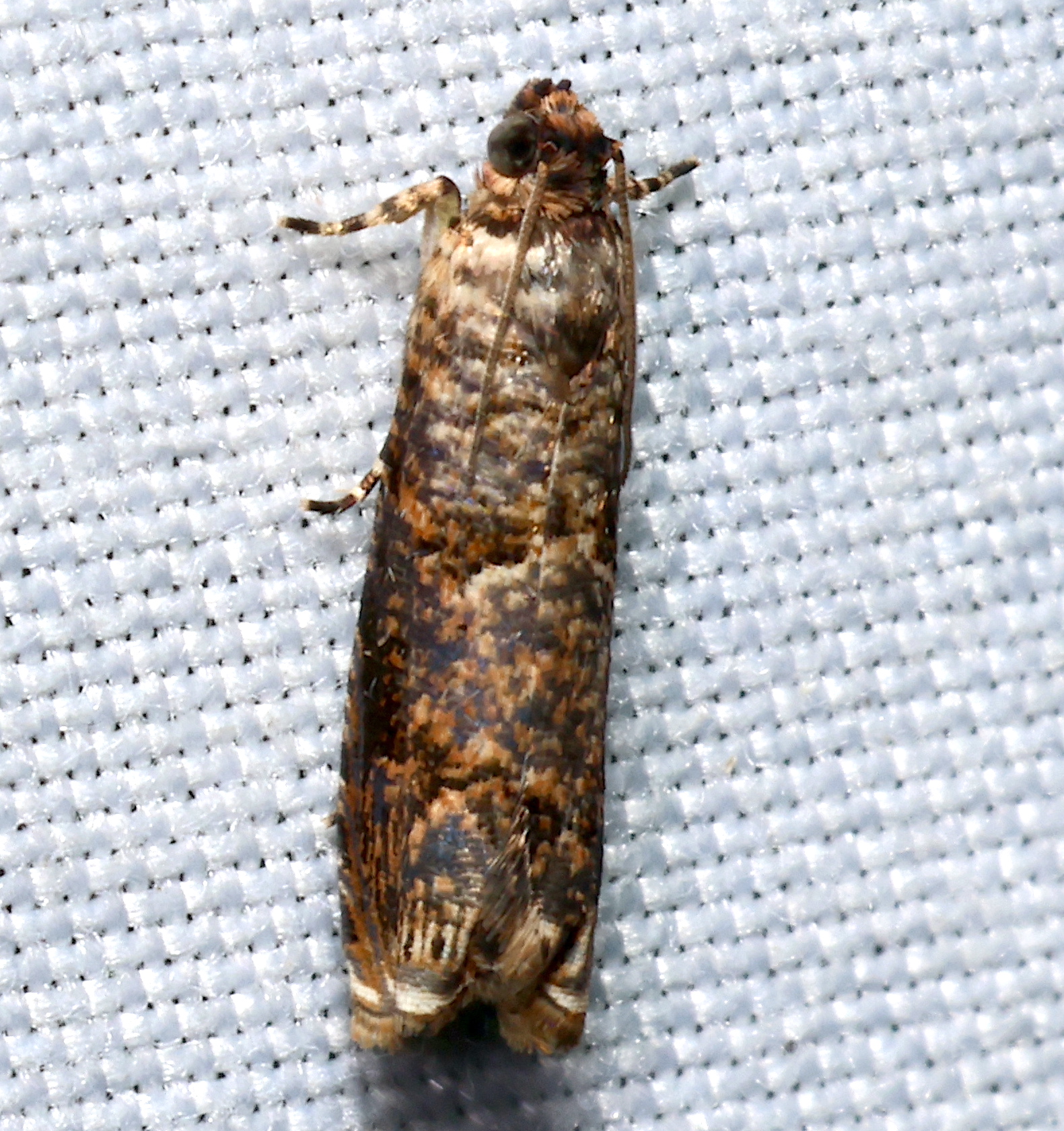
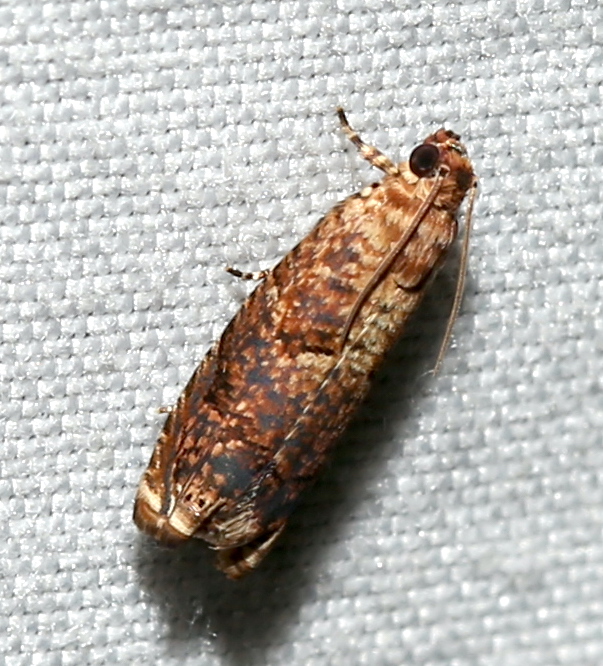
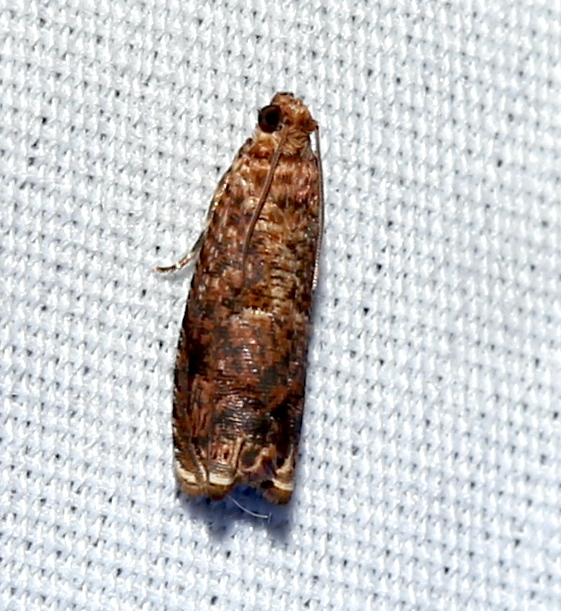
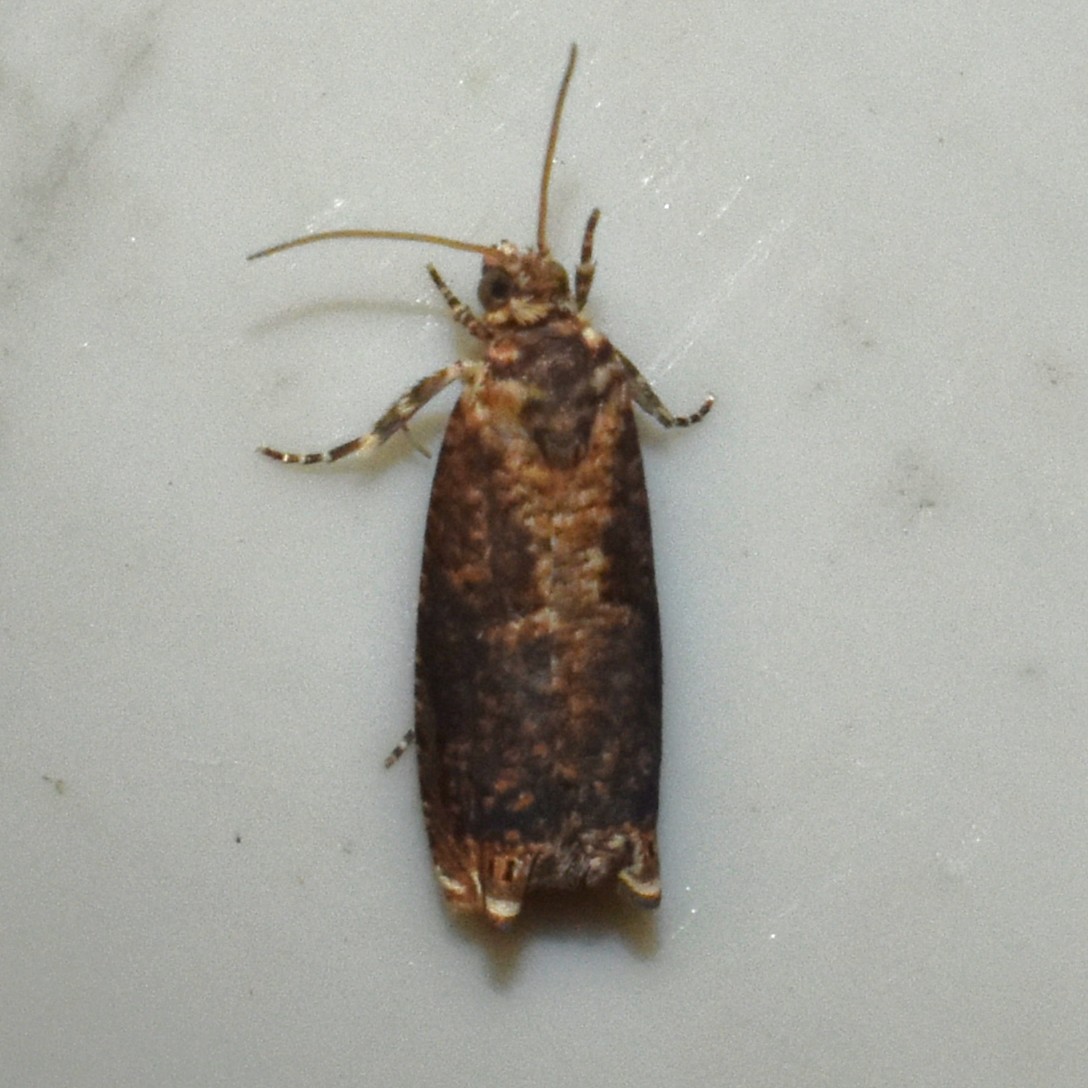
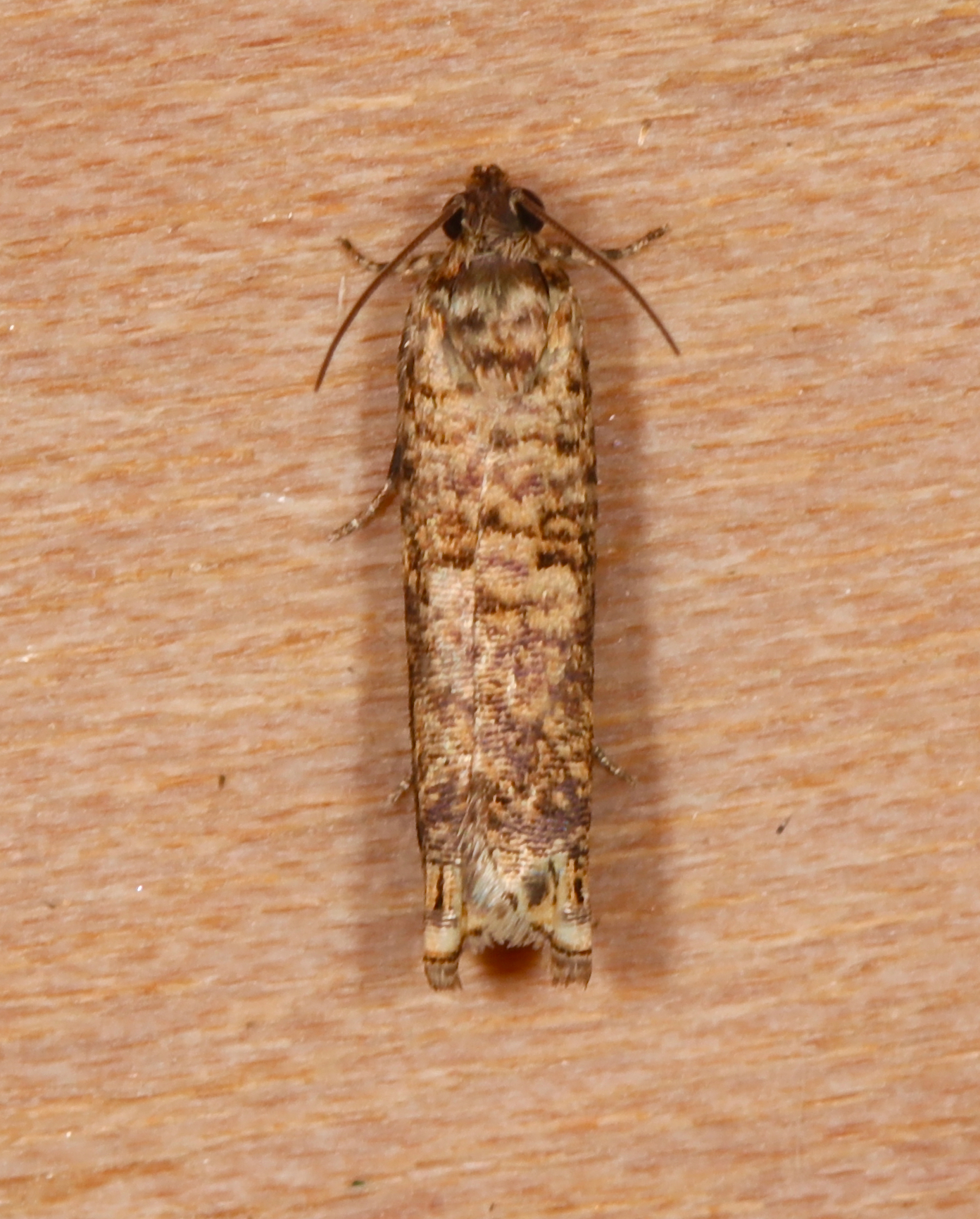
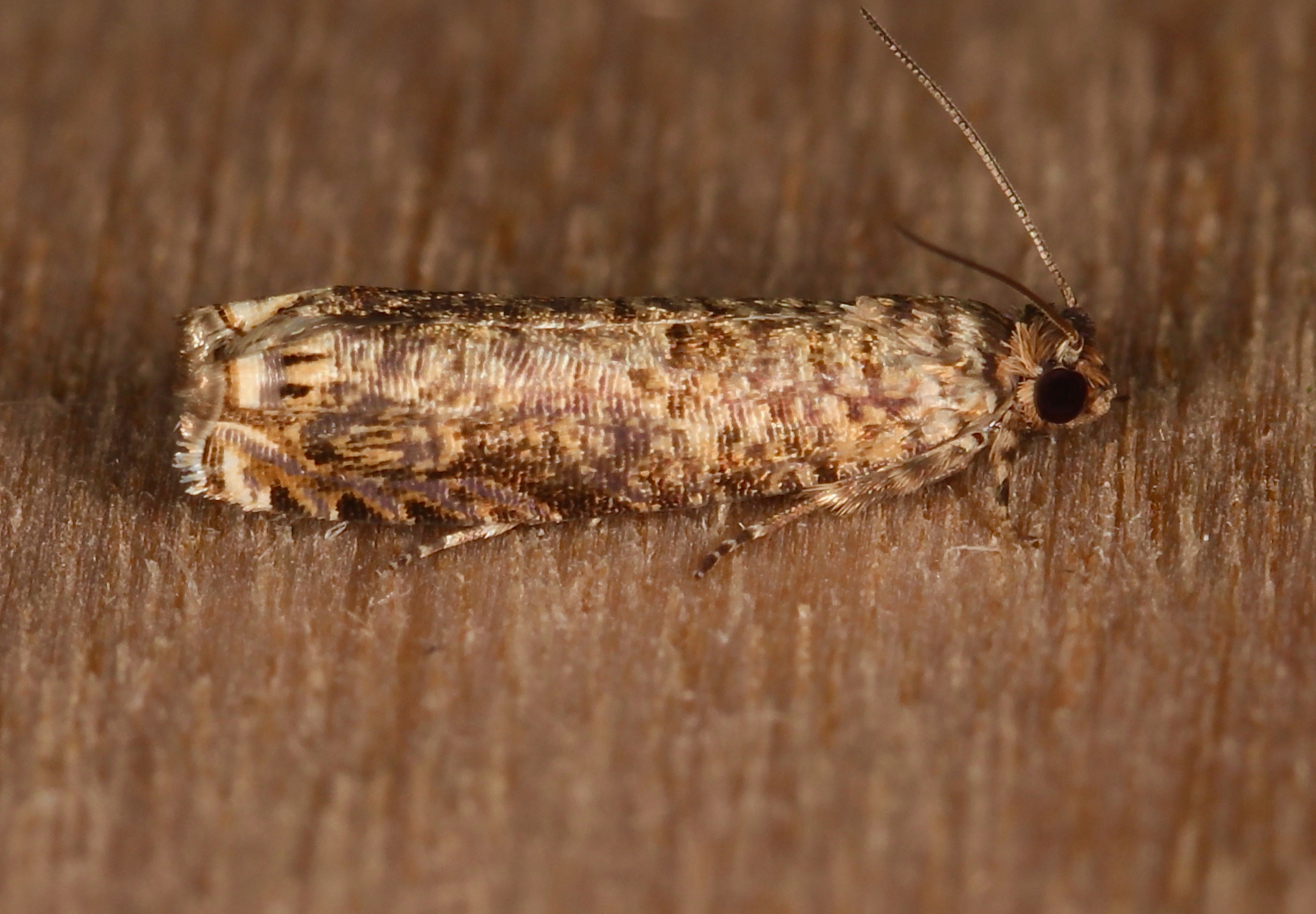
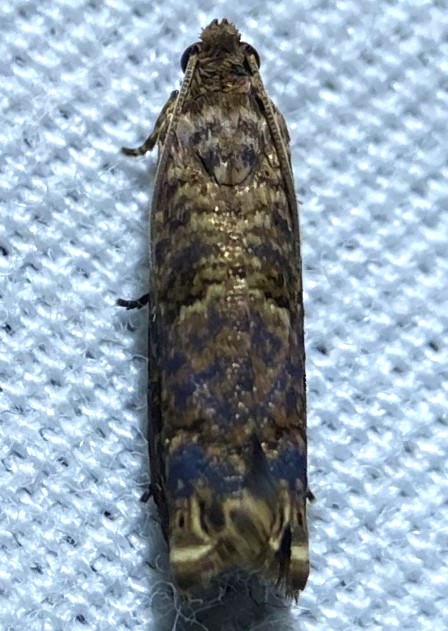
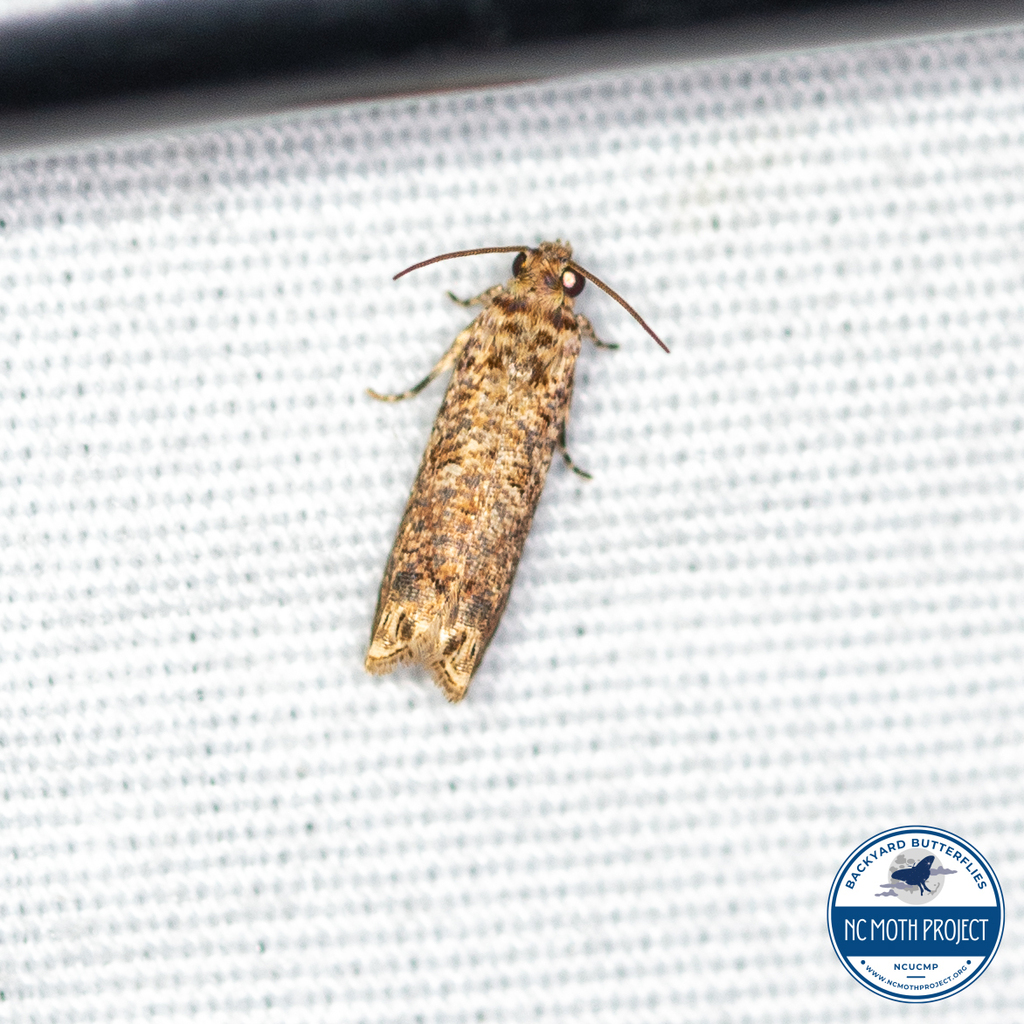
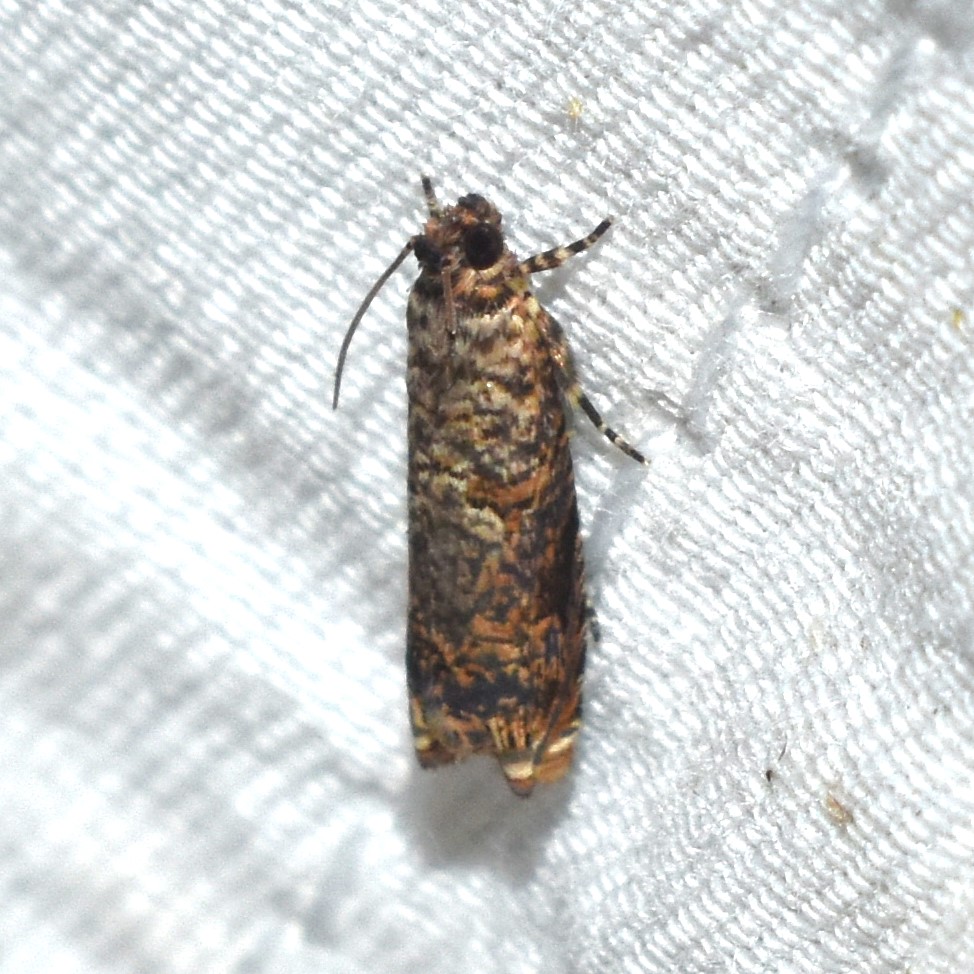
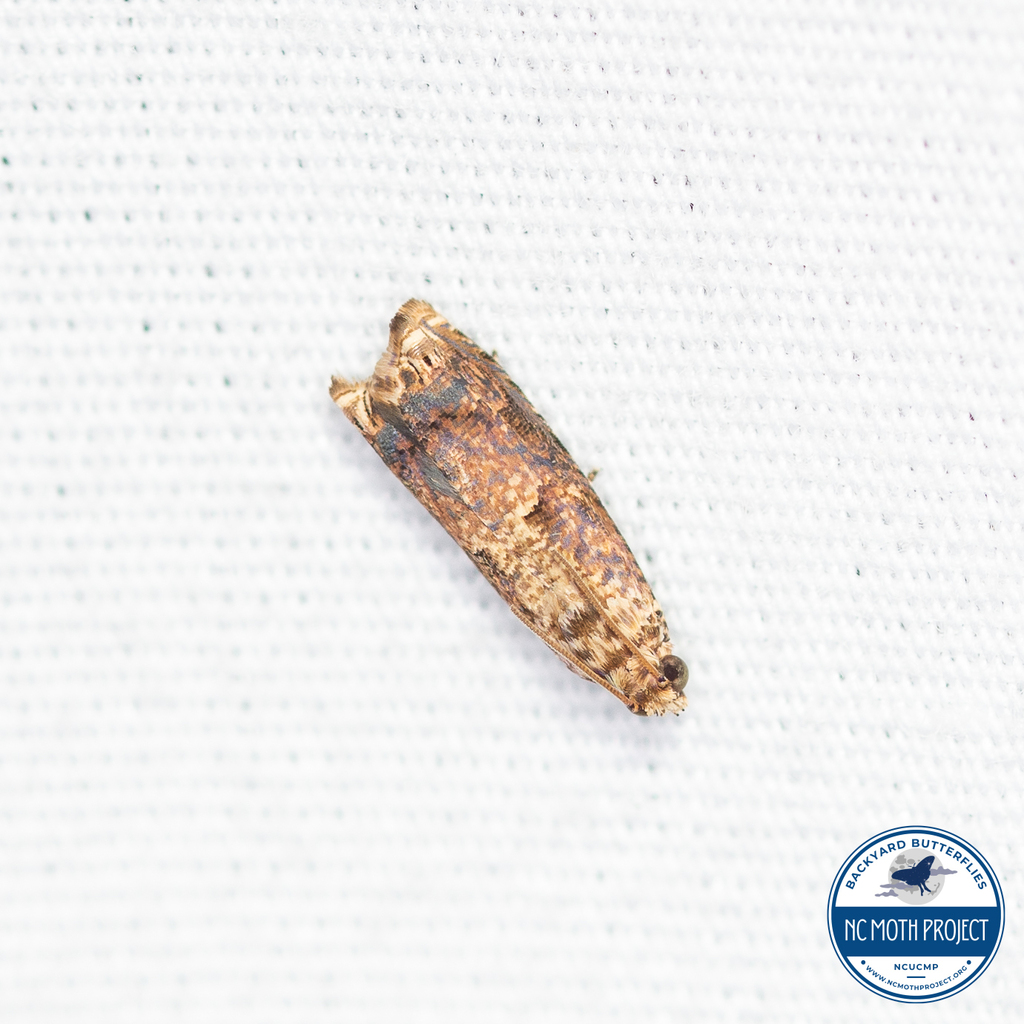
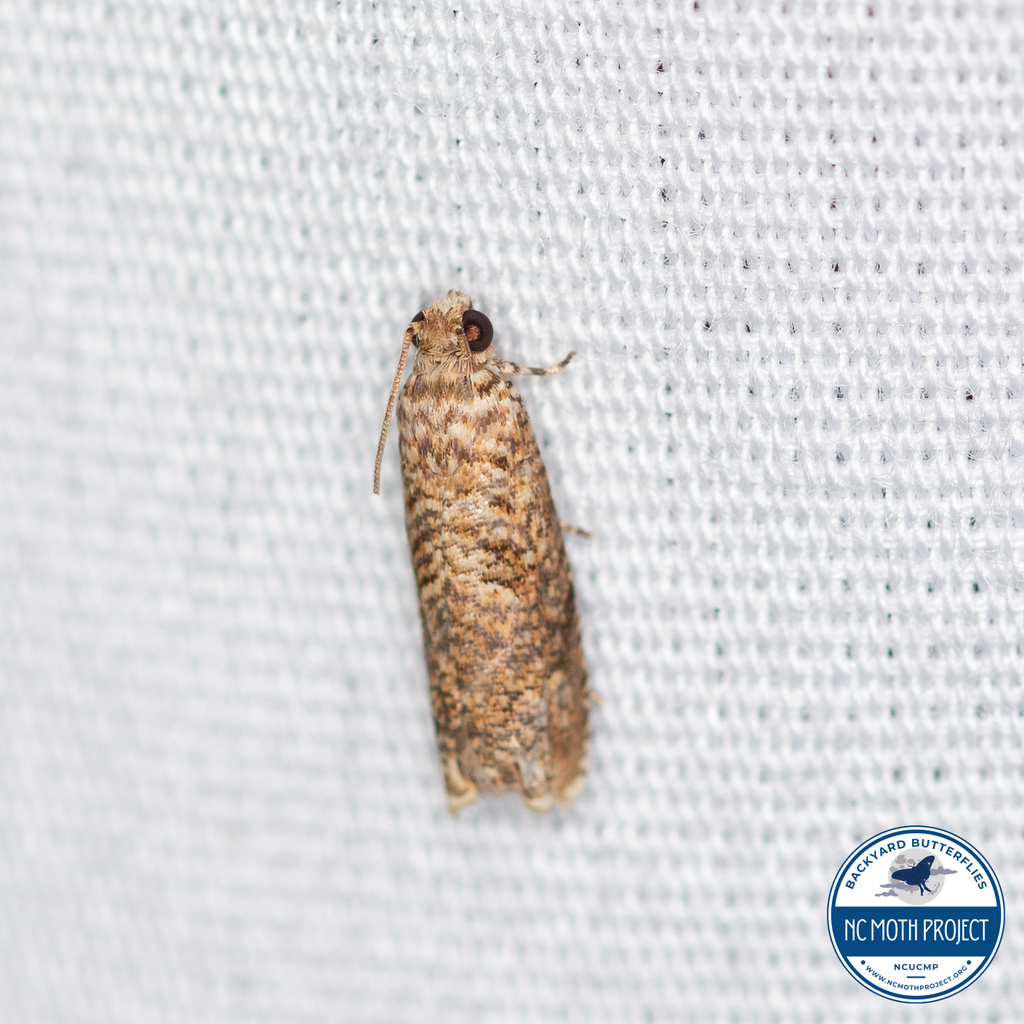
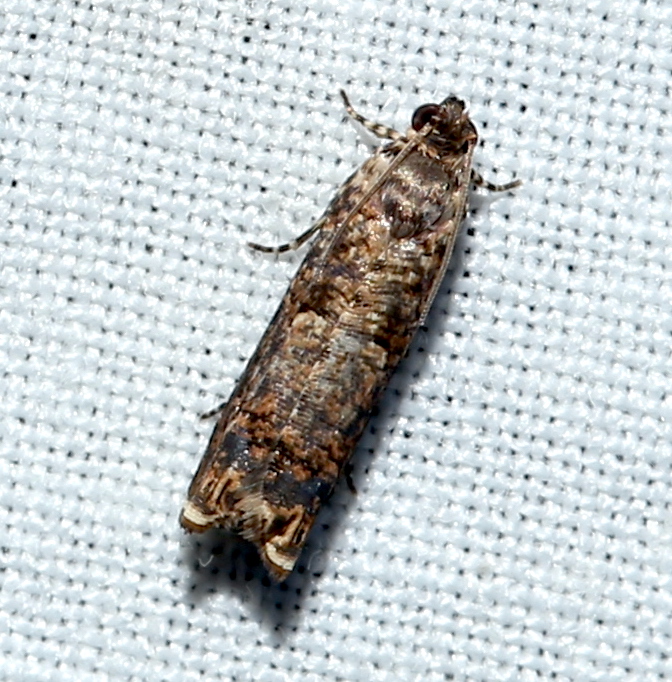
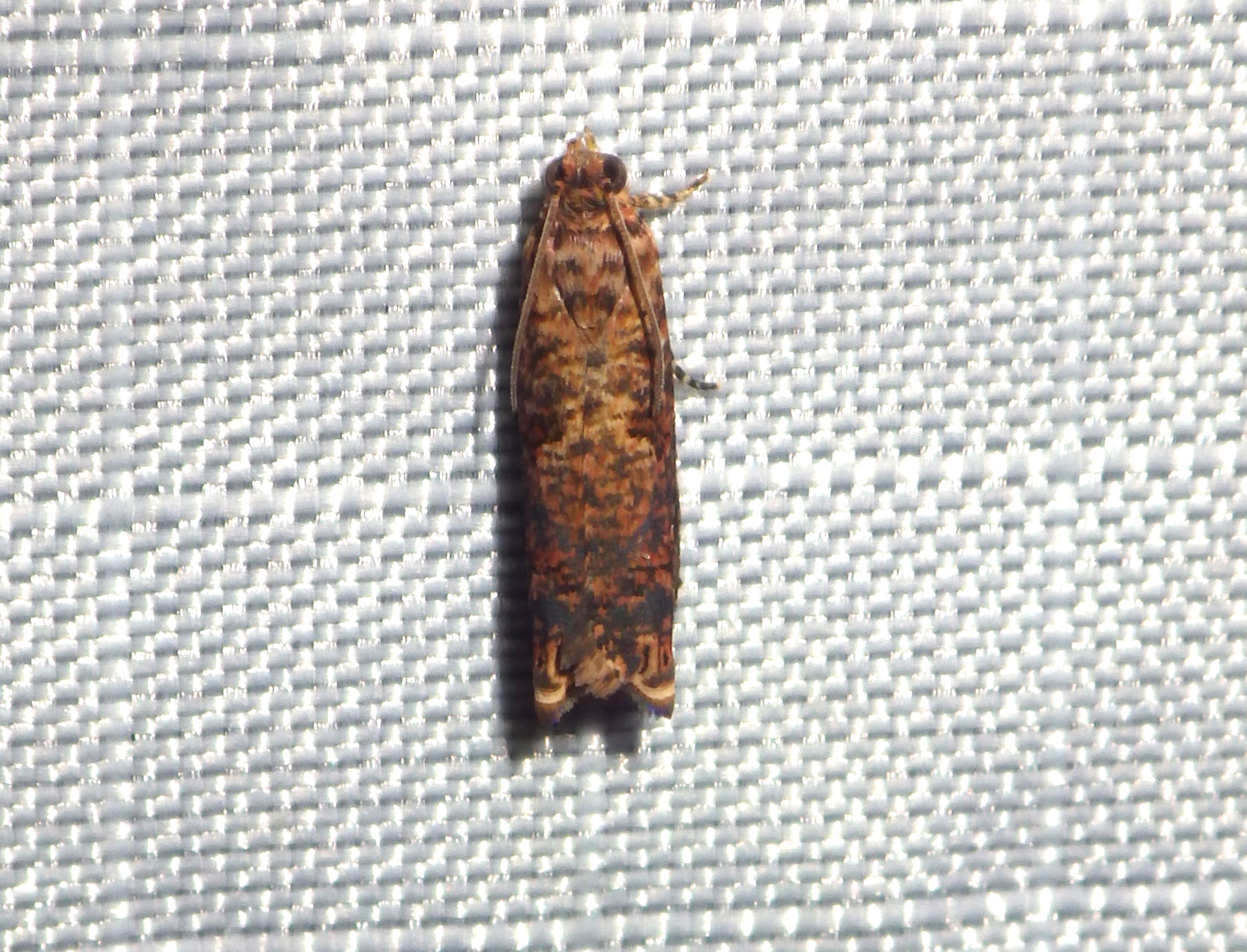
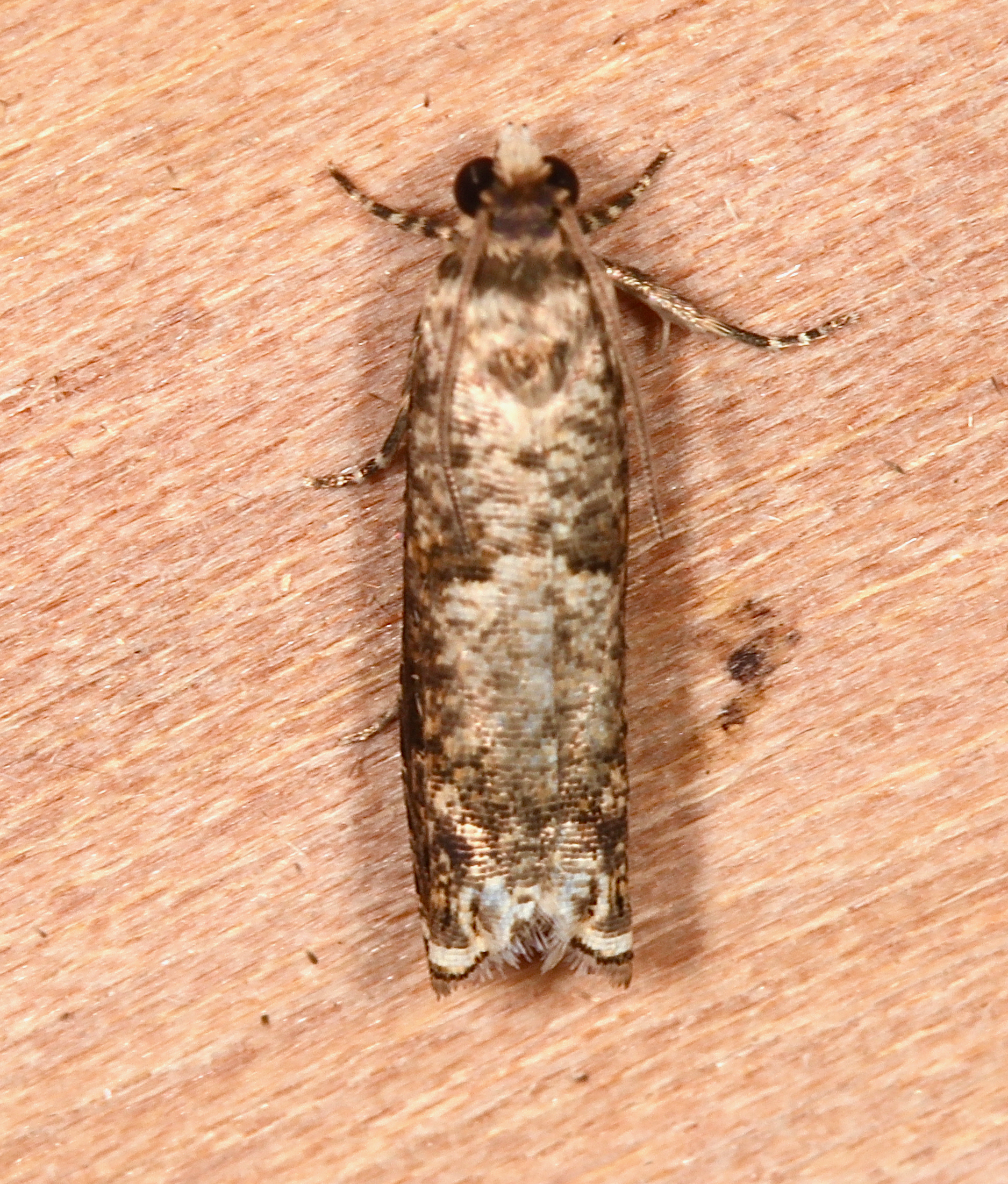
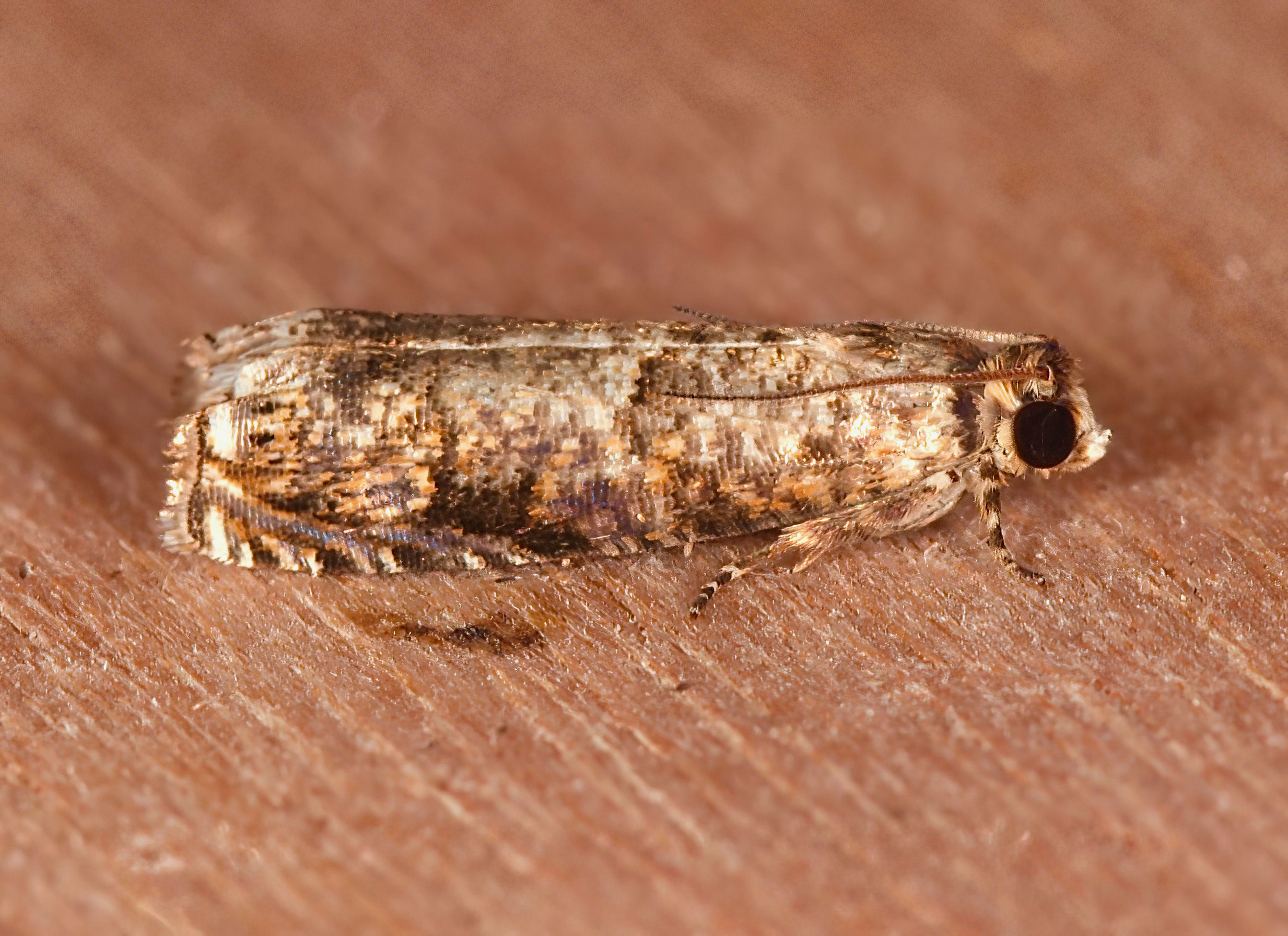
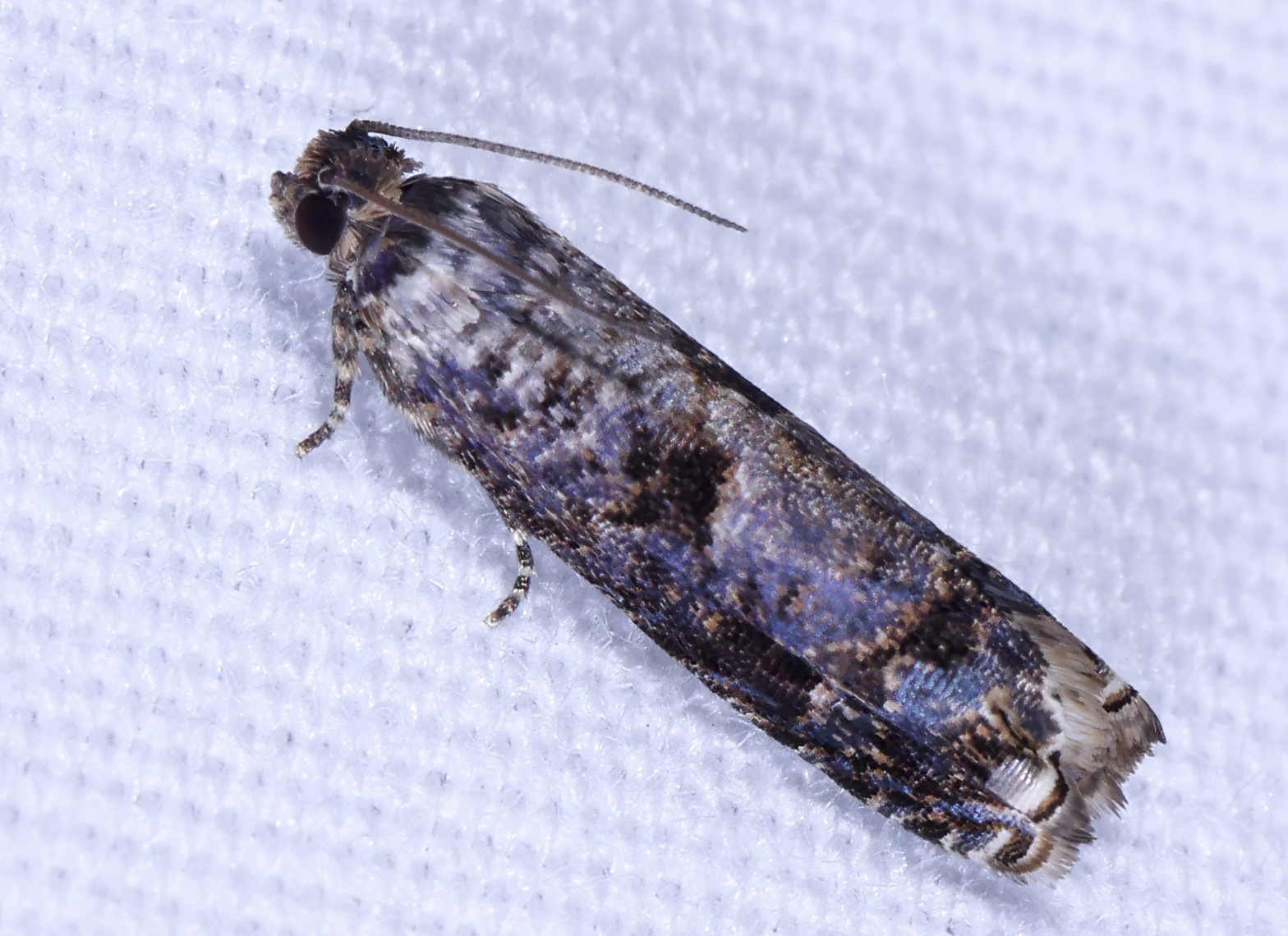
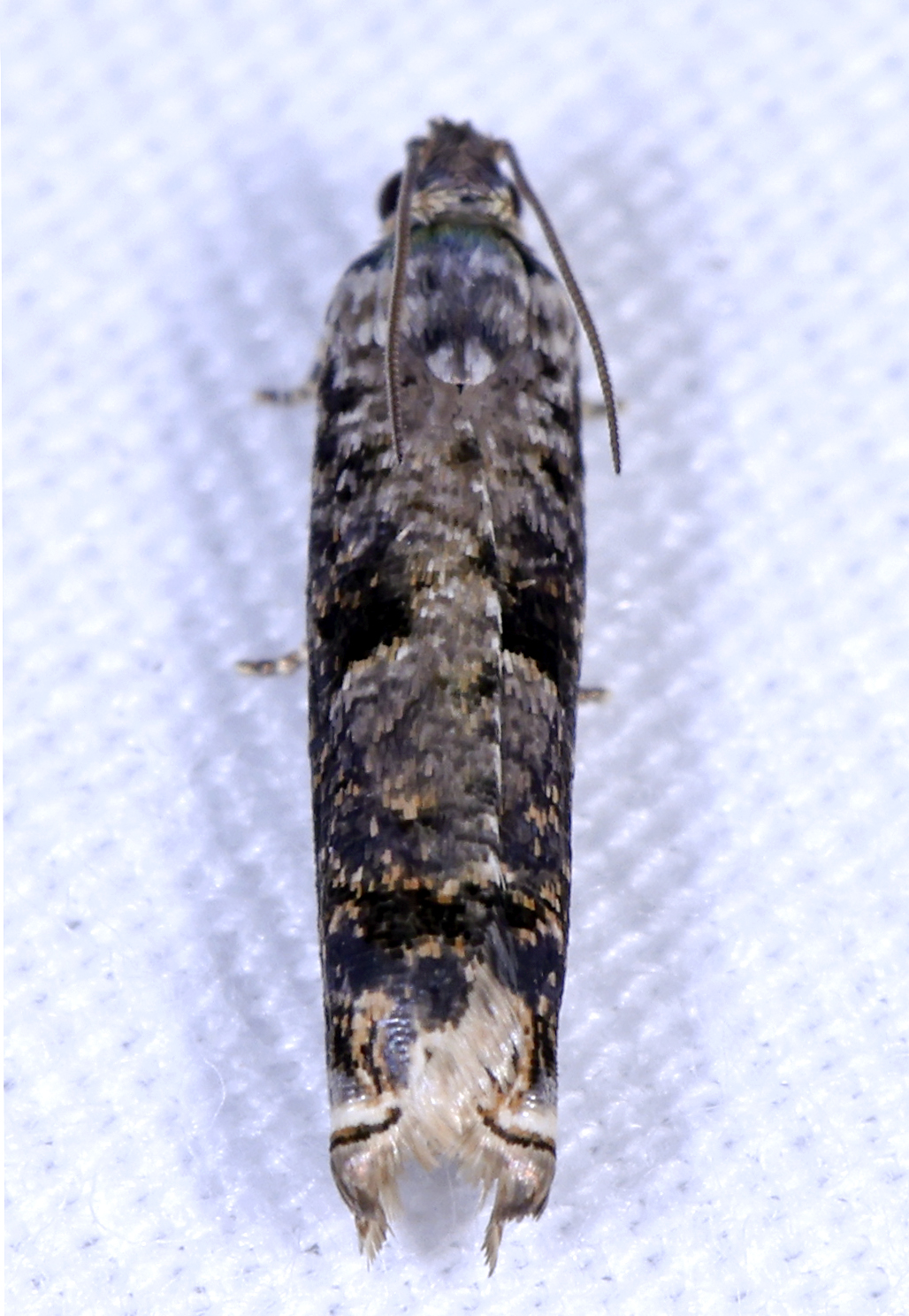
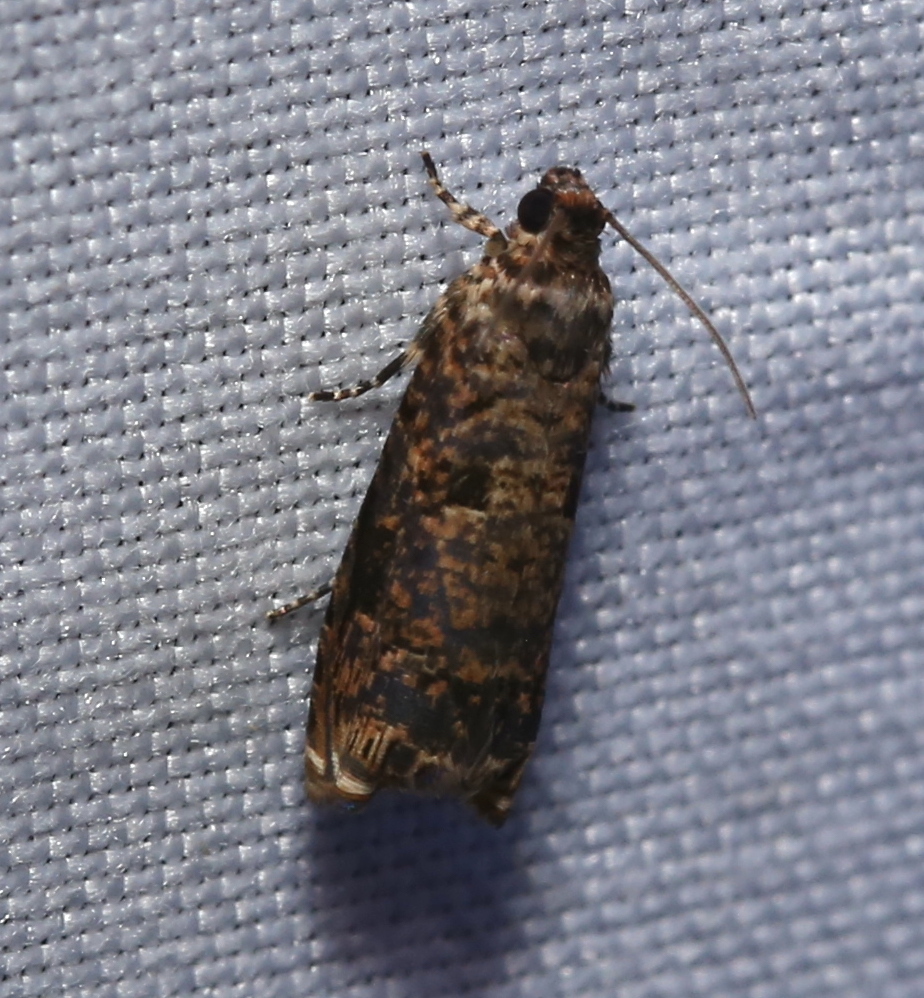
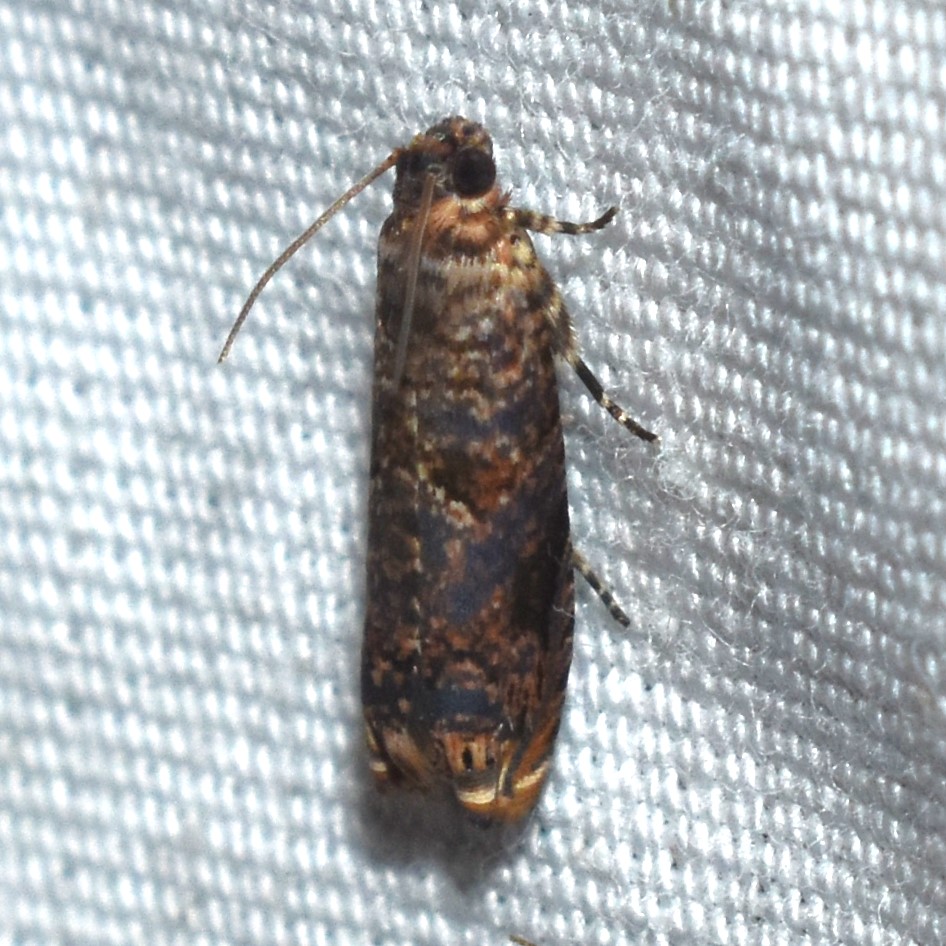
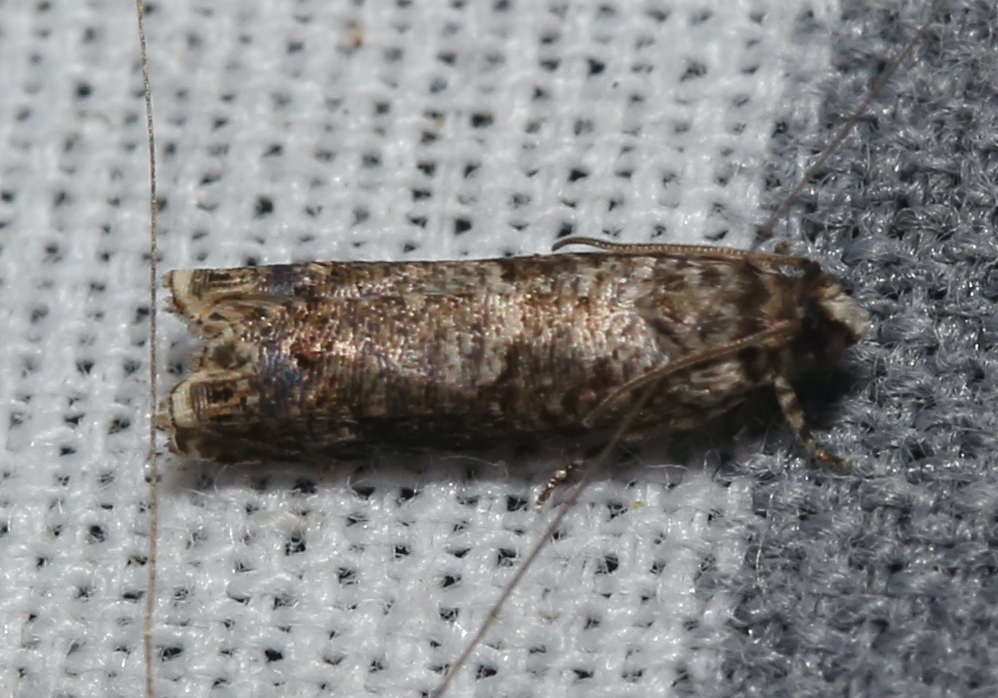
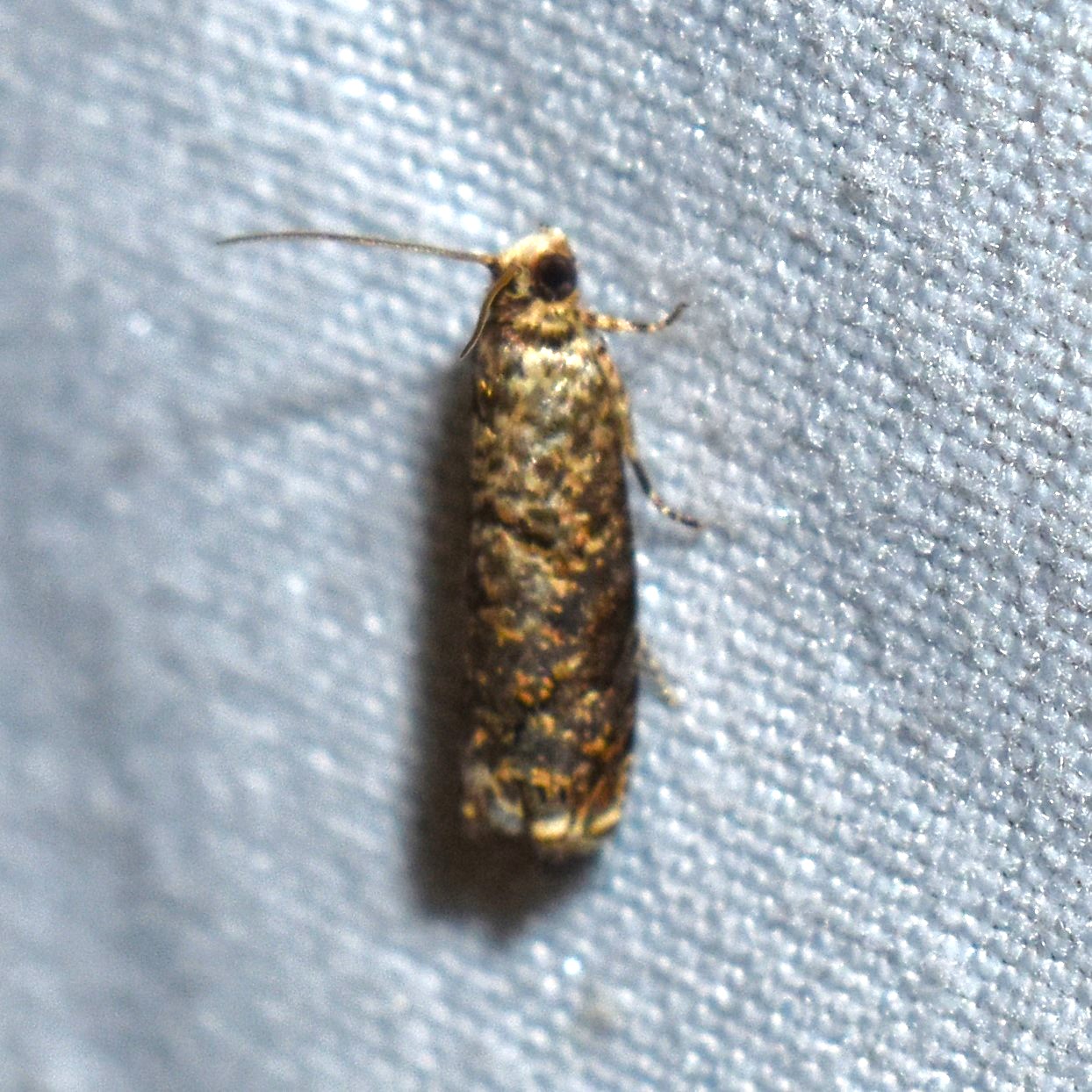
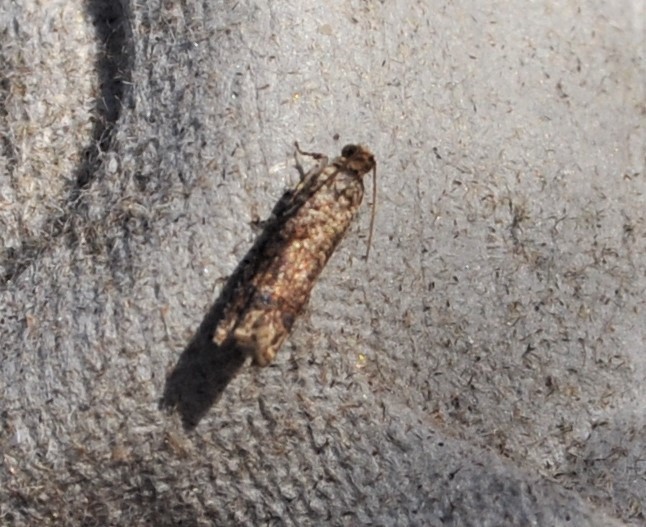
Episimus argutana
view caption
Episimus argutanaEpisimus argutanaEpisimus argutana
Taxonomy
Superfamily:
Tortricoidea
Family:
Tortricidae
Subfamily:
Olethreutinae
Tribe:
Olethreutini
P3 Number:
51a0485
MONA Number:
2701.00
Comments: As currently recognized, Episimus argutana exhibits substantial geographic variation in molecular markers and likely reflects a species complex.
Identification
Field Guide Descriptions: Online Resources: MPG, BugGuide, iNaturalist, Google, BAMONA, GBIF, BOLDTechnical Description, Adults: Forbes (1923)Technical Description, Immature Stages: MacKay (1959)                                                                                 
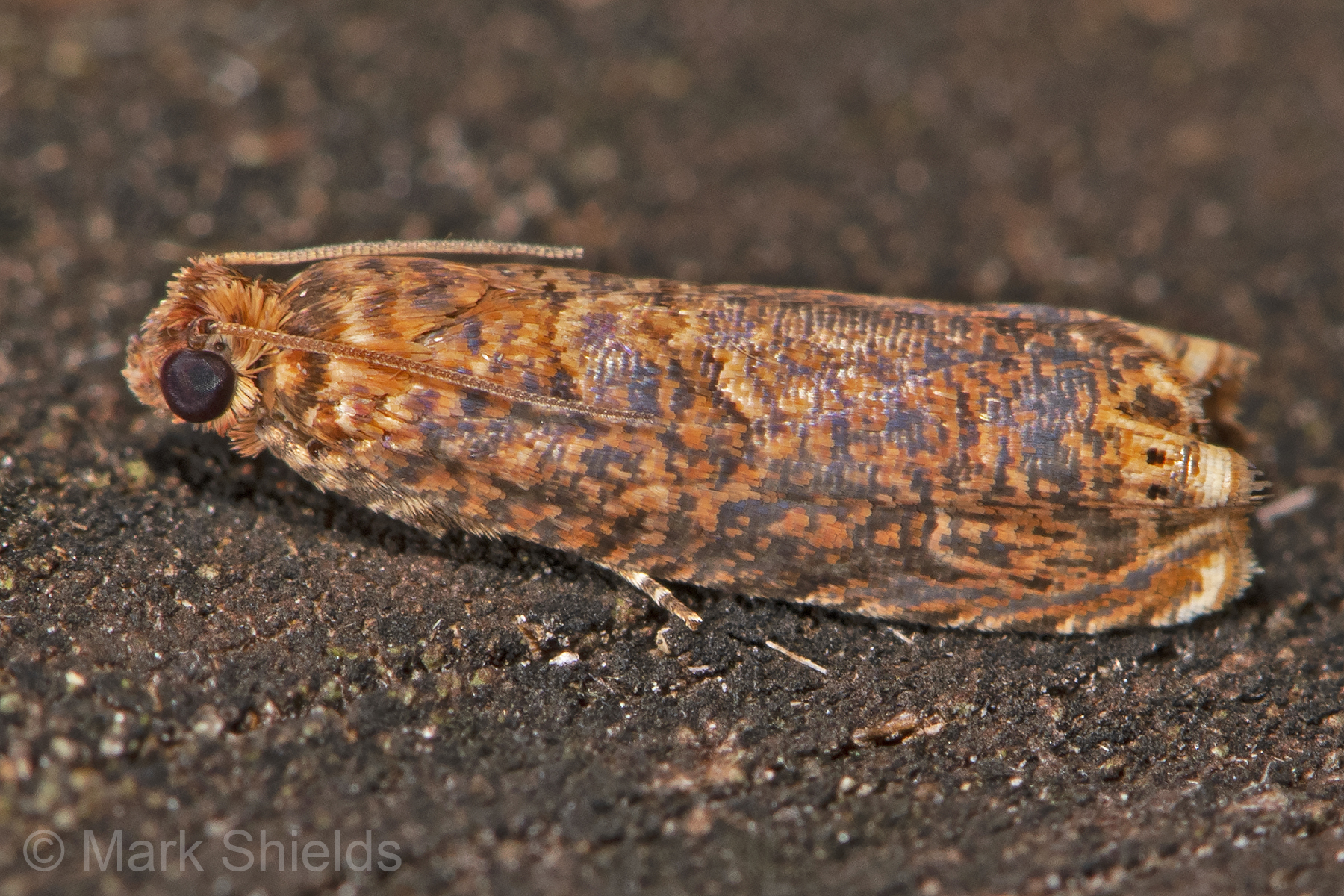
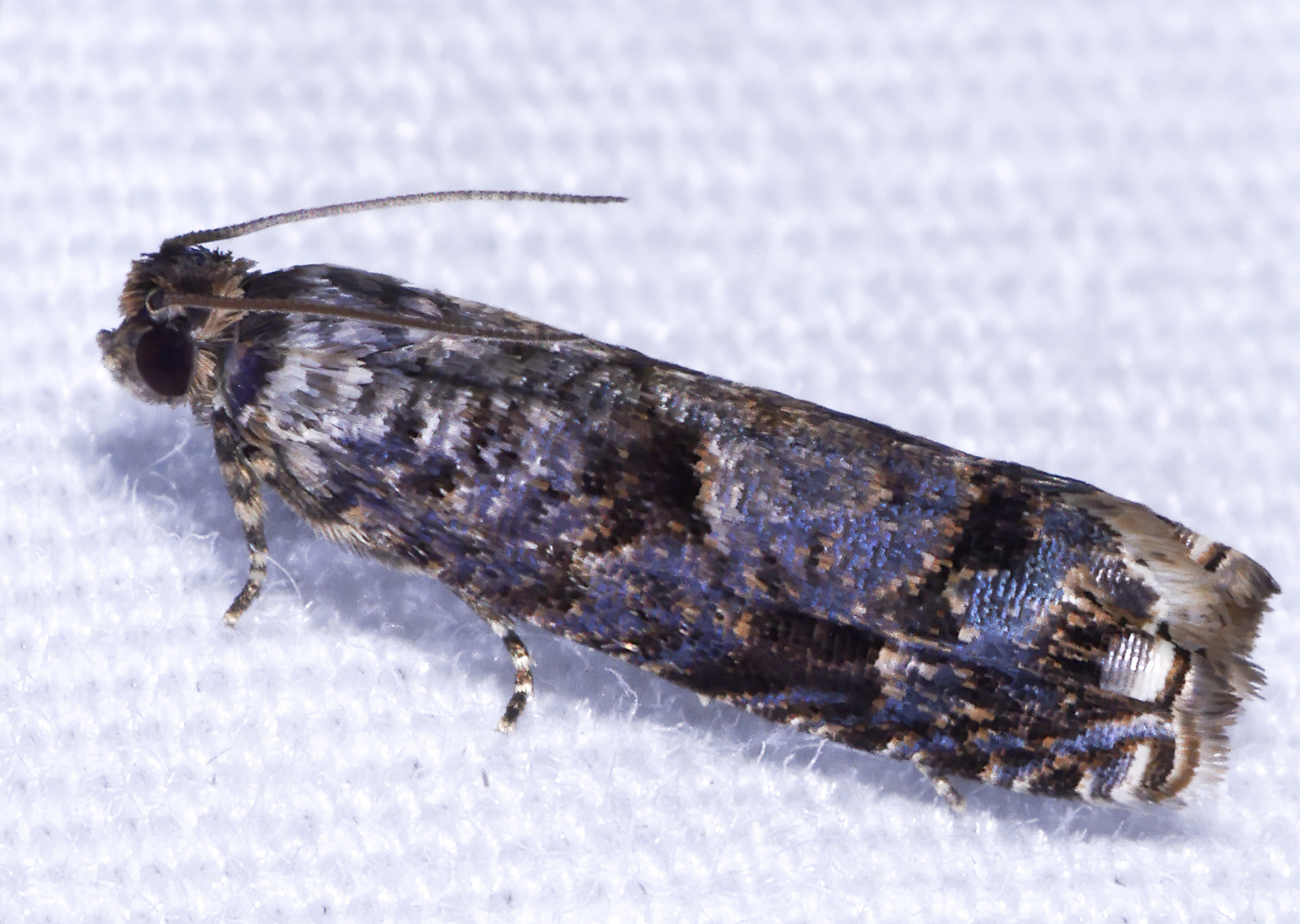
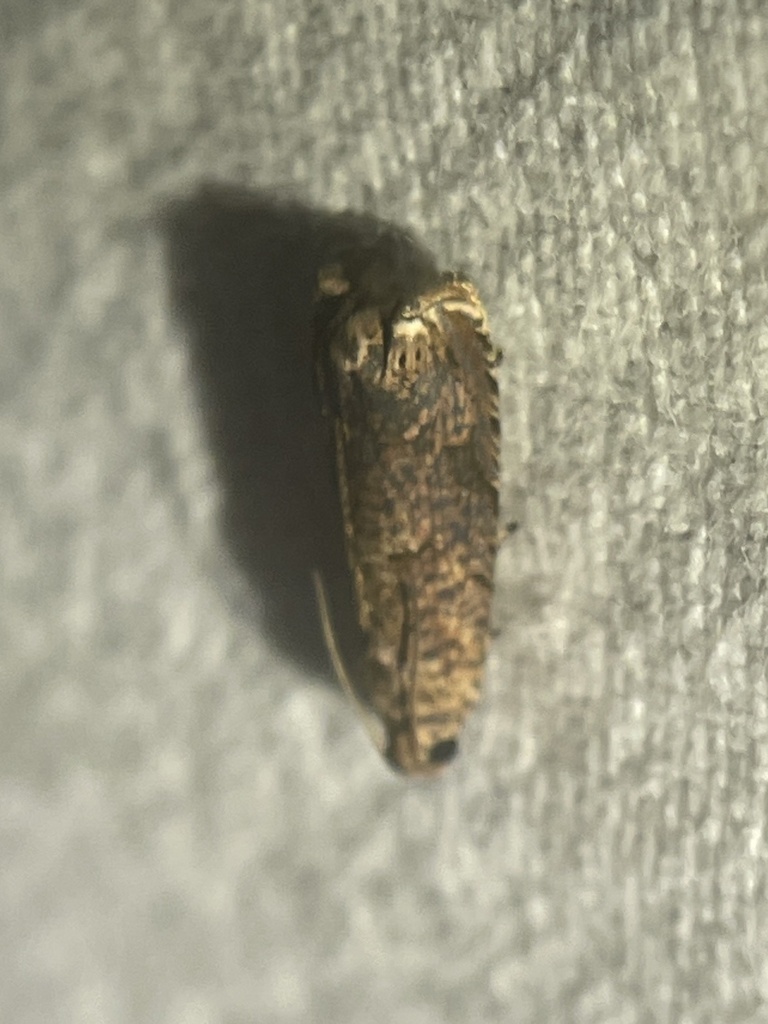
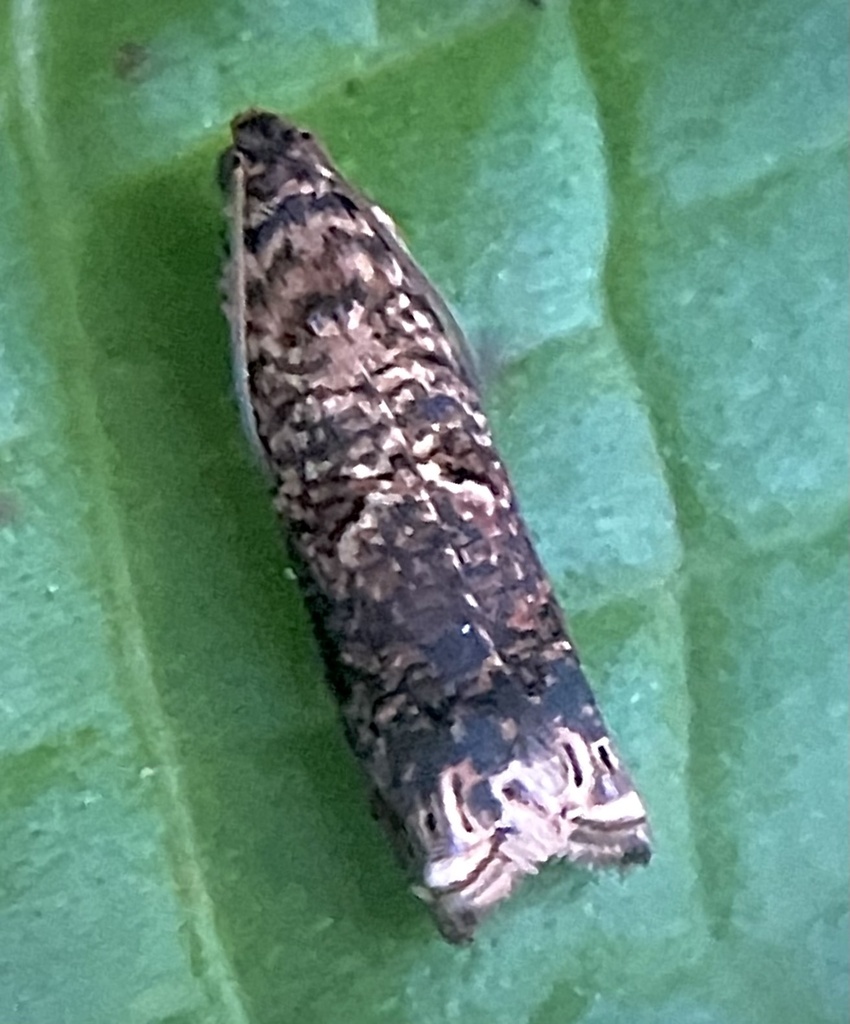
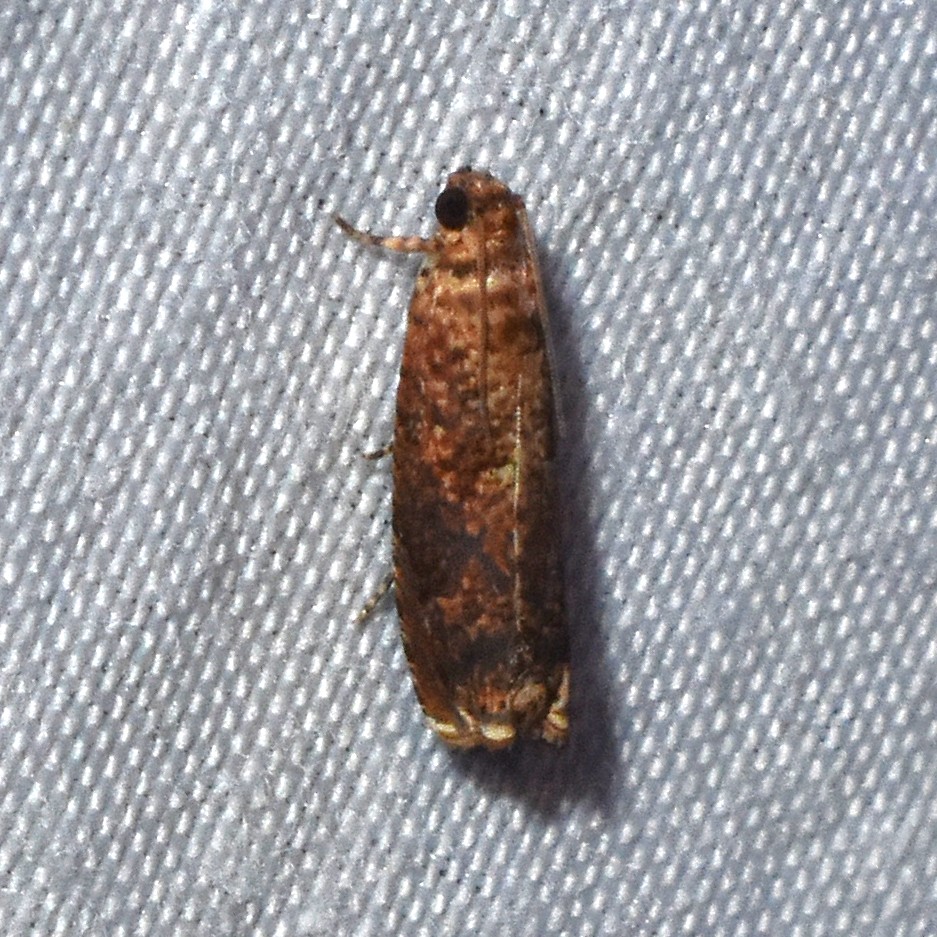
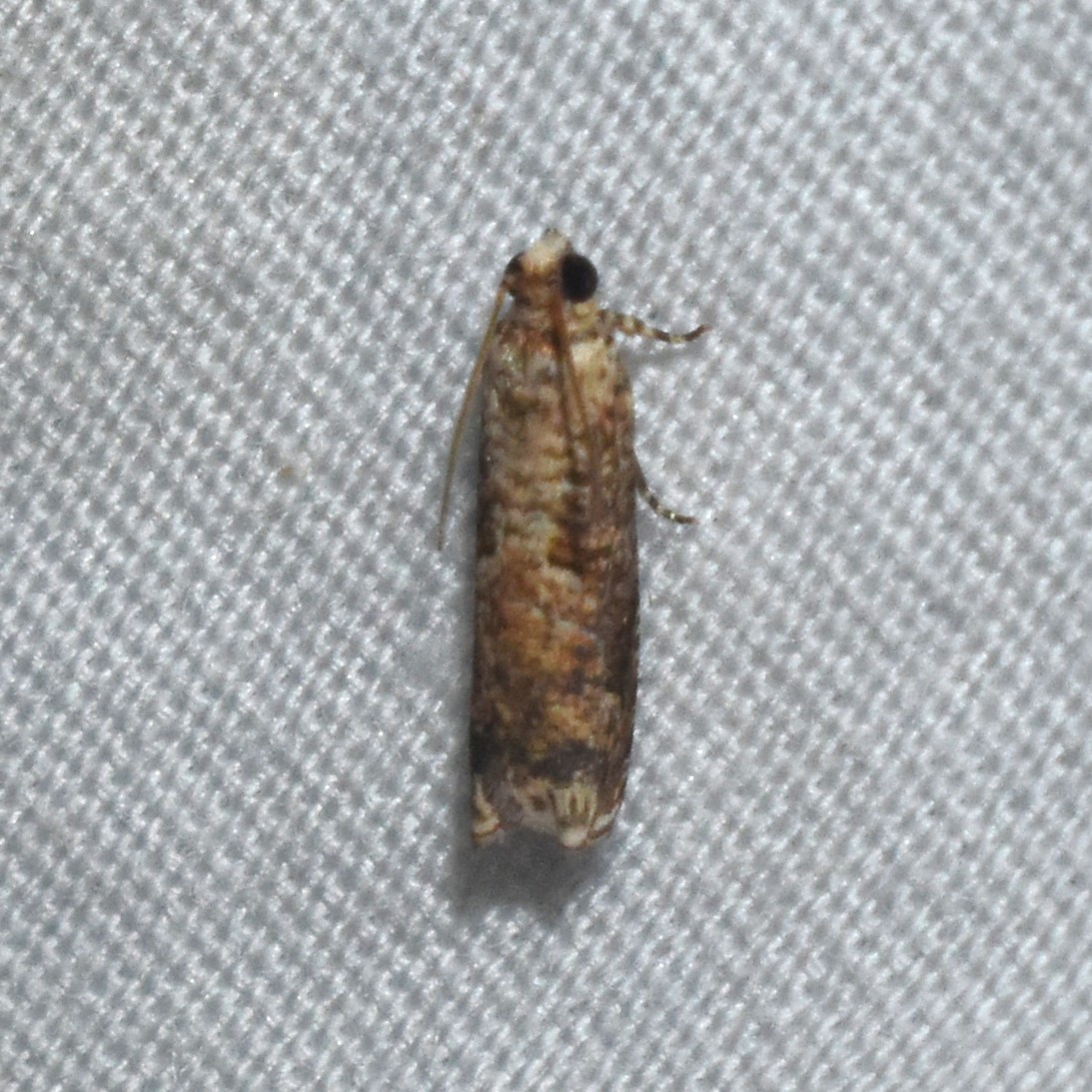
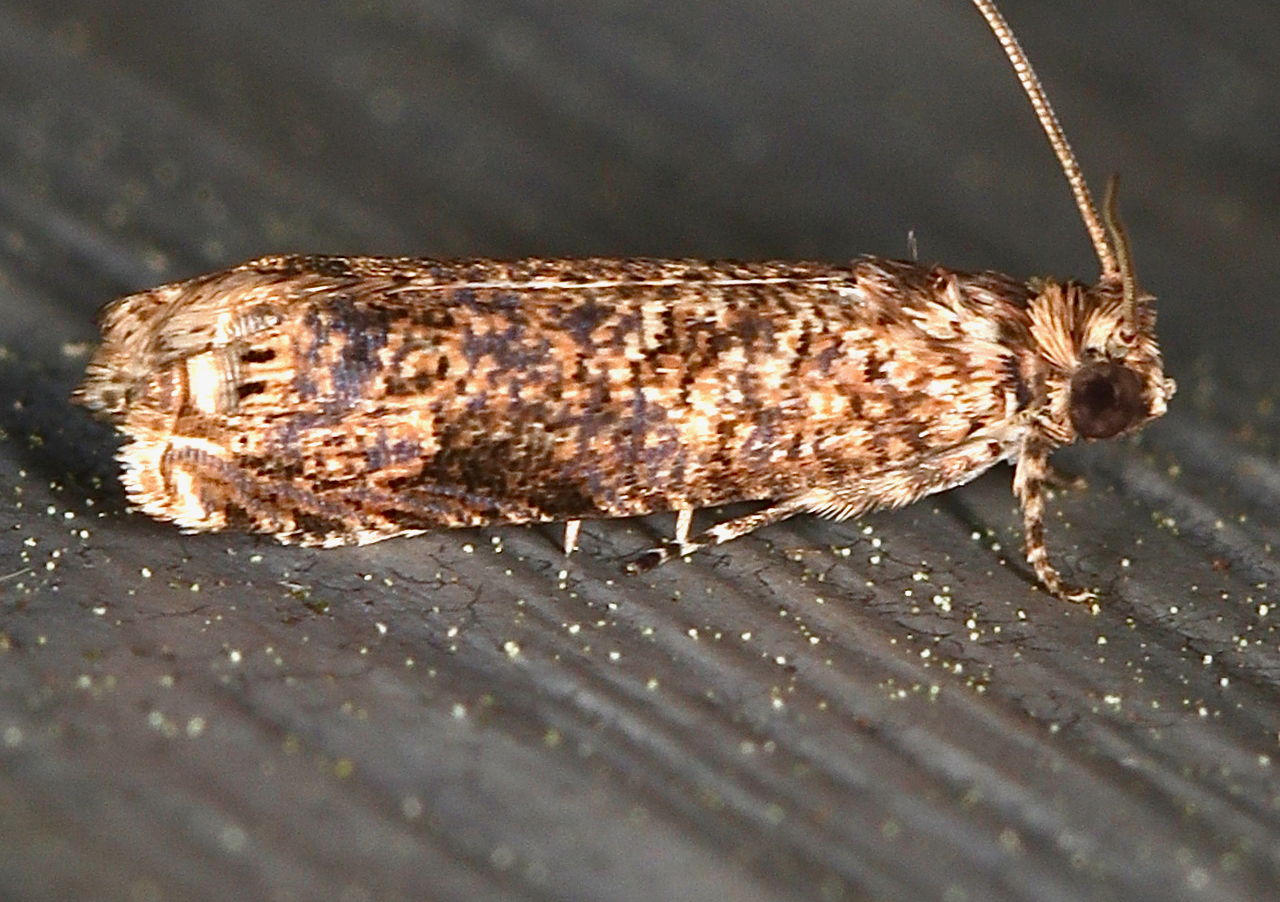
Adult Markings: Episimus argutana is a variably colored moth that has a forewing that is finely mottled with mixtures of pale-white, pale-yellow, cinnamon-red, wood-brown, grayish-brown, and blackish patches that are often overlain with purplish coloration. A given individual is usually mottled with only some of the colors described above. Individuals in North Carolina tend to grade from specimens that are relatively light-colored, with pale white, pale-yellow, reddish, and grayish-brown patches predominating, to relatively dark individuals with dark-brown, purplish and black patches predominating. The color of the antennae, head tuft and thorax vary and generally conform to the coloration of the forewings. The ocellus in the subterminal area is relatively dark on the basal half, with two black, longitudinal dashes or spots that are followed by a silvery-gray bar, then a white bar at the posterior end. Short, white streaks or marks are also present along the costal at the apex and near the tornus that collectively produce an irregular, broken, white line of sorts below the outer margin. The line is followed by a more continuous reddish to blackish line at the outer margin. The hindwing varies from grayish-brown to medium brown, with a slightly lighter fringe.
Wingspan: 13 mm (Forbes, 1923).
Forewing Length: 4.5–6.0 mm for males and 5.0–7.0 mm for females (Austin et al., 2025).
Adult Structural Features: See genitalia images below for North Carolina specimens.
Genitalia and other structural photos
Adult ID Requirements: Identifiable from good quality photos of unworn specimens.
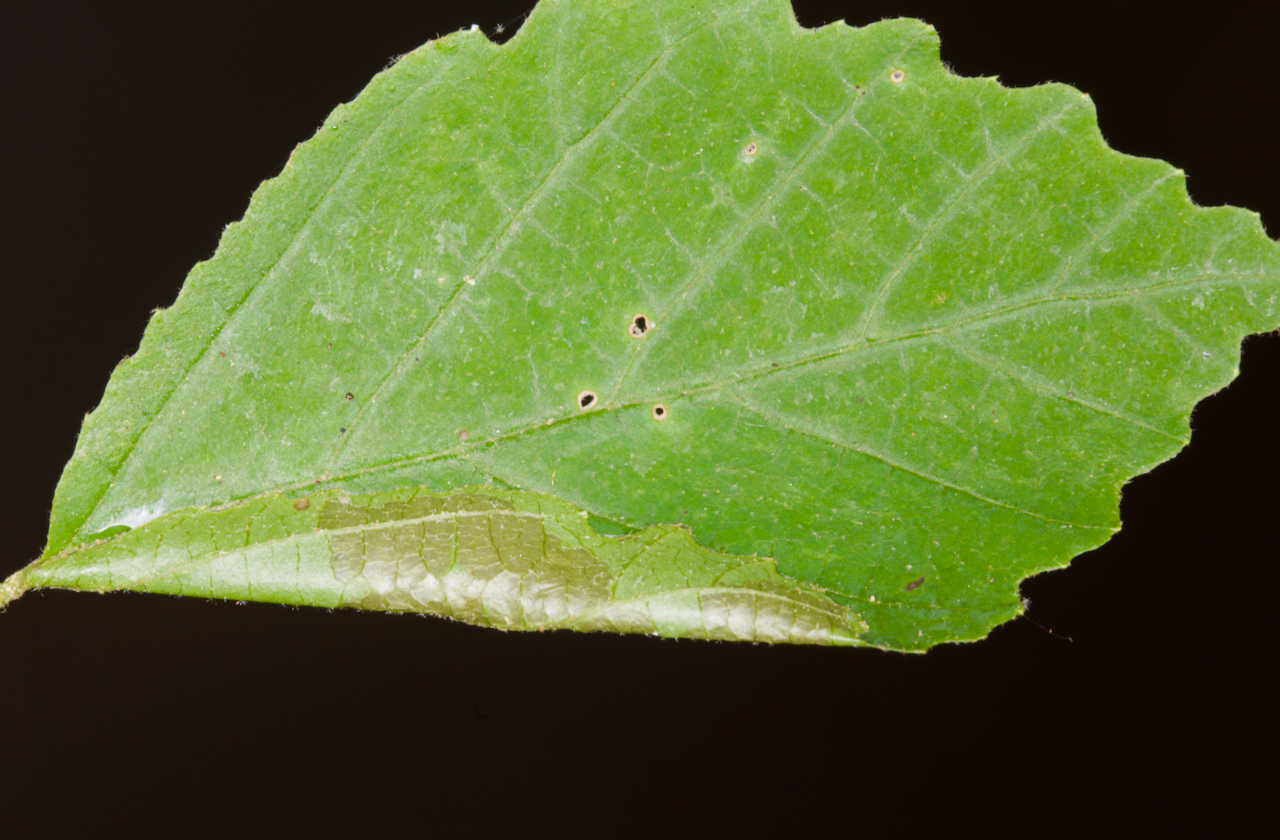
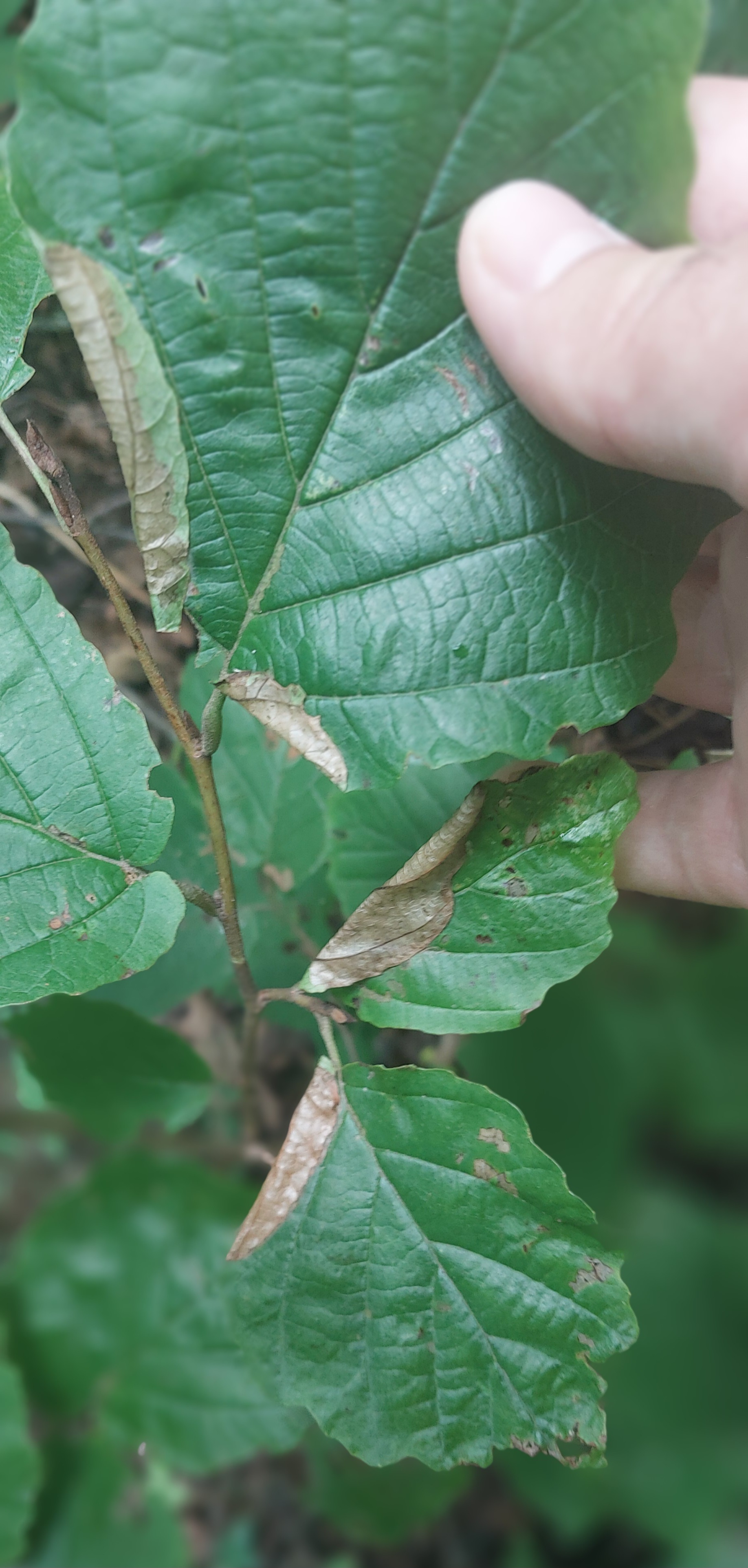
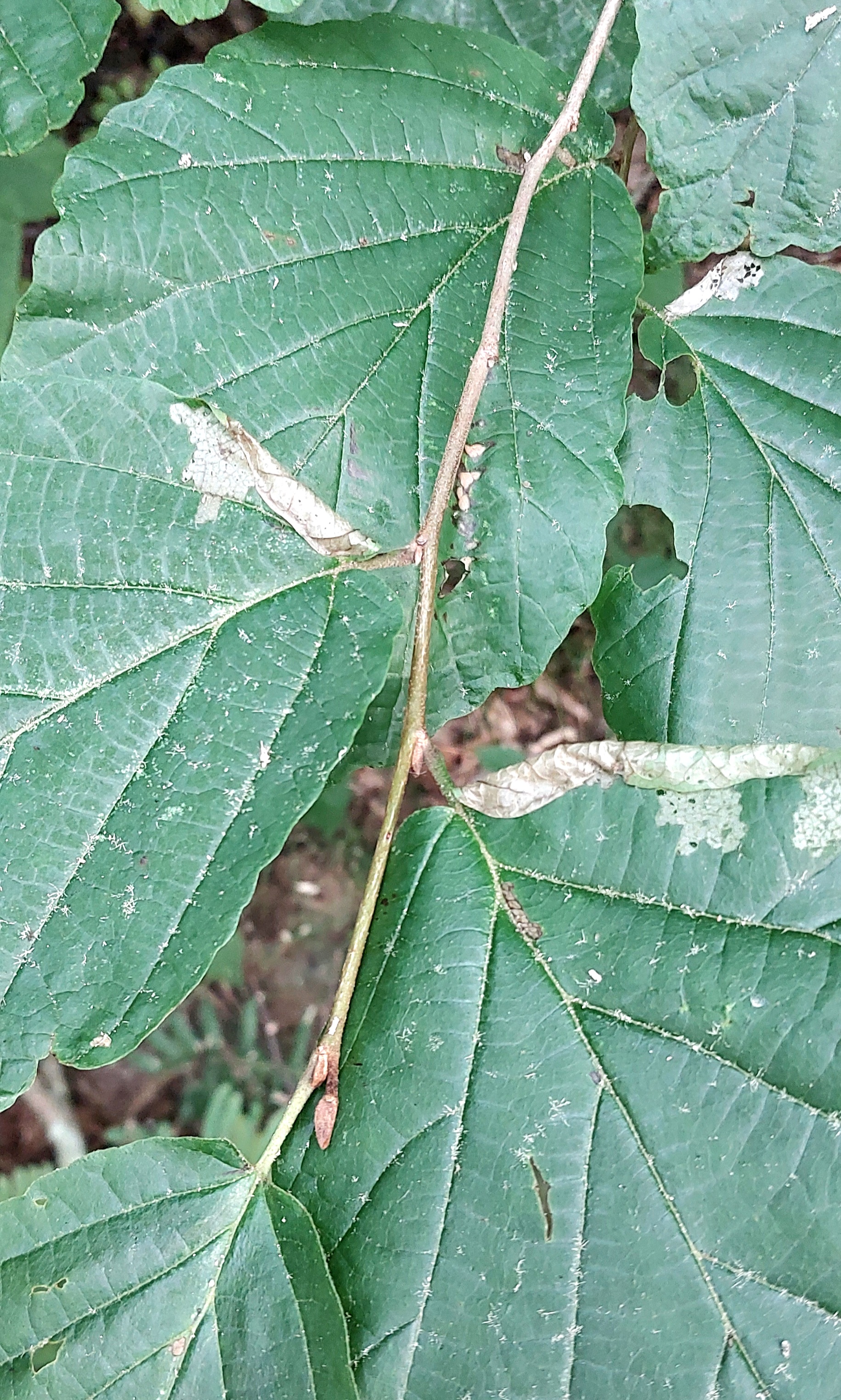
Immatures and Development: The larvae feed primarily on sumacs and Witch Hazel and either fold the leaves or roll them into a cone. Heppner (1994) also reported one occurrence of the larvae at least partially feeding on the fruiting heads of Winged Sumac. The folded and rolled leaves are used as shelters and feeding sites, with the larvae skeletonizing the leaf surfaces from within. Details of the larval life history are poorly documented, but most local populations appear to produce two or three broods annually, with pupation occurring within the shelter. Populations in the northernmost areas of the range likely only produce one brood annually.

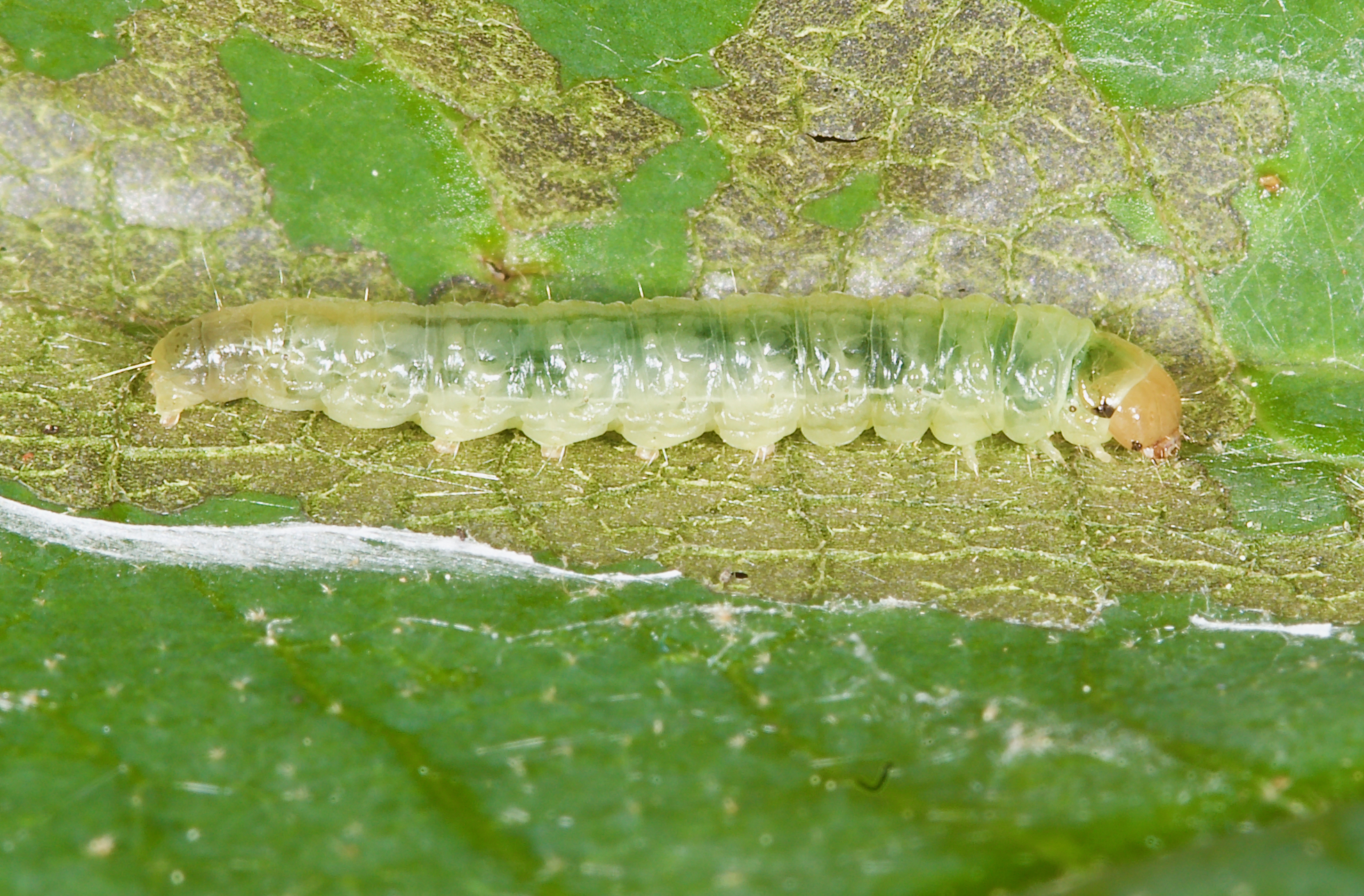
The larvae are rather drab with a pale yellowish head. The other body parts, including the prothoracic shield, legs, body, and anal shield, are pale translucent-yellow (MacKay, 1959; Tortricid ID, Austin et al., 2025). Older larvae often develop a reddish tinge that can vary from faint to strong, and the mature larvae are around 10-12 mm long and 1 mm wide.


Larvae ID Requirements: Identifiable only through rearing to adulthood.
Distribution in North Carolina
Distribution: Episimus argutana is broadly distributed across the eastern US and adjoining areas of southern Canada, from Manitoba eastward to New Brunswick and Nova Scotia. It also occurs farther west as scattered populations in Colorado, Arizona, California, Washington and British Columbia. In the eastern US the range extends from Maine southward to southern Florida, and westward to central Texas, Oklahoma, eastern Kansas, Missouri, Illinois, southeastern Iowa and Wisconsin. This species occurs statewide in North Carolina.
County Map: Clicking on a county returns the records for the species in that county.
Episimus argutanaAlamance Alexander Alleghany Anson Ashe Avery Beaufort Bertie Bladen Brunswick Buncombe Burke Cabarrus Caldwell Camden Carteret Caswell Catawba Chatham Cherokee Chowan Clay Cleveland Columbus Craven Cumberland Currituck Dare Davidson Davie Duplin Durham Edgecombe Forsyth Franklin Gaston Gates Graham Granville Greene Guilford Halifax Harnett Haywood Henderson Hertford Hoke Hyde Iredell Jackson Johnston Jones Lee Lenoir Lincoln Macon Madison Martin McDowell Mecklenburg Mitchell Montgomery Moore Nash New Hanover Northampton Onslow Orange Pamlico Pasquotank Pender Perquimans Person Pitt Polk Randolph Richmond Robeson Rockingham Rowan Rutherford Sampson Scotland Stanly Stokes Surry Swain Transylvania Tyrrell Union Vance Wake Warren Washington Watauga Wayne Wilkes Wilson Yadkin Yancey
Flight Dates:
High Mountains (HM) ≥ 4,000 ft.
Low Mountains (LM) < 4,000 ft.
Piedmont (Pd)
Coastal Plain (CP)

Click on graph to enlarge
Image showing flight dates by month for High Mountains greater than 4,000 feet, Low Mountains, Piedmont, and Coastal Plain: adults.
Immature Dates:
 High Mountains (HM) ≥ 4,000 ft.
 Low Mountains (LM) < 4,000 ft.
 Piedmont (Pd)
 Coastal Plain (CP)

Click on graph to enlarge
Image showing flight dates by month for High Mountains greater than 4,000 feet, Low Mountains, Piedmont, and Coastal Plain: immatures.
Flight Comments: The adults fly year-round in Florida, with progressively shorter fly periods as one moves north. Populations in the east-central US mostly fly from April through September, and those in Canada from May through August. As of 2025, our records range from early-April through mid-September. Local populations in the Coastal Plain and Piedmont appear to produce three broods per year, versus only two broods per year in the Blue Ridge.
Habitats and Life History
Habitats:
Larval Host Plants: The larvae are polyphagous, with sumacs and American Witch-hazel (Hamamelis virginiana) being the two most commonly used host groups (Forbes, 1923; Heinrich, 1926; Craighead et al., 1950; Schaffner, 1959; Prentice, 1966; Baker, 1972; Godfrey et al., 1987; Heppner, 1994; Robinson et al., 2010, Beadle and Leckie, 2018, Austin et al., 2025). Sumacs that are used include Winged Sumac (Rhus copallinum), Smooth Sumac (R. glabra) and Staghorn Sumac (R. typhina). Atlantic Poison-oak (Toxicodendron pubescens) and Poison-ivy (T. radicans) are also occasionally used. Several other hosts have also been reported that need additional verification. These include alders (Alnus), Giant Ragweed (Ambrosia trifida), American Smoketree (Cotinus obovatus), hawthorns (Crataegus), Wild Poinsettia (Euphorbia cyathophora), Mexican Fireplant (E. heterophylla), Blackgum (Nyssa sylvatica), elderberries (Sambucus), goldenrods (Solidago), elms (Ulmus), and grapes (Vitis). As of 2025, larvae only have been found in North Carolina in leaf-folds of American Witch-hazel, but other hosts are undoubtedly used. - View
Observation Methods: The adults are attracted to lights and the larvae can be found in leaf rolls and leaf folds on the host plants.
Wikipedia
Status in North Carolina
Natural Heritage Program Status:
Natural Heritage Program Ranks: GNR SNR [S3S4]
State Protection: Has no legal protection, although permits are required to collect it on state parks and other public lands.
Comments:

 Photo Gallery for Episimus argutana - Sumac Leaftier Moth

79 photos are available. Only the most recent 30 are shown.
Episimus argutana
Recorded by: David George, Kevin Bischof, Rich Teper, Patrick Coin on 2025-08-15
Transylvania Co.
Comment:
Episimus argutana
iNaturalist
Recorded by: cypselurus - Larry Chen on 2025-07-22
Tyrrell Co.
Comment: iNat record - https://www.inaturalist.org/observations/300315219***(c) Larry Chen, some rights reserved (CC BY-NC)| Public Positional Accuracy=28620 m
Episimus argutana
Recorded by: David George, Jeff Niznik, Rob Van Epps, Kevin Metcalf on 2025-07-20
Richmond Co.
Comment:
Episimus argutana
Recorded by: David George, David Cheng, Patrick Coin on 2025-06-29
Richmond Co.
Comment:
Episimus argutana
Recorded by: Ken Kneidel on 2025-06-21
Mecklenburg Co.
Comment:
Episimus argutana
Recorded by: Jeff Niznik, David George, Larry Chen, Sarah Toner, Joye Zhou on 2025-06-20
Richmond Co.
Comment:
Episimus argutana
Recorded by: David George, Jeff Niznik on 2025-05-09
Cumberland Co.
Comment:
Episimus argutana
Recorded by: Jim Petranka on 2025-05-01
Madison Co.
Comment:
Episimus argutana
Recorded by: R. Newman on 2025-04-21
Carteret Co.
Comment:
Episimus argutana
Recorded by: Jeff Niznik on 2025-04-19
Orange Co.
Comment:
Episimus argutana
Recorded by: Jim Petranka and Becky Elkin on 2024-08-27
Madison Co.
Comment:
Episimus argutana
Recorded by: Jim Petranka and Becky Elkin on 2024-08-27
Madison Co.
Comment:
Episimus argutana
Recorded by: Dean Furbish, Lior S. Carlson on 2024-08-14
Pamlico Co.
Comment:
Episimus argutana
Recorded by: Dean Furbish, Lior S. Carlson on 2024-08-14
Pamlico Co.
Comment:
Episimus argutana
Recorded by: Mark Basinger on 2024-08-09
Mitchell Co.
Comment: Unoccupied leaf folds were on Witch Hazel; id is tentative and adults need to be reared.
Episimus argutana
Recorded by: David George, Jeff Niznik on 2024-08-06
Transylvania Co.
Comment:
Episimus argutana
iNaturalist
Recorded by: ncmothproject - NC Moth Project on 2024-07-10
Perquimans Co.
Comment: iNat record - https://www.inaturalist.org/observations/228383052***(c) NC Moth Project, some rights reserved (CC BY-SA)| Public Positional Accuracy=199 m Elevation=12.4 feet
Episimus argutana
iNaturalist
Recorded by: ncmothproject - NC Moth Project on 2024-07-10
Perquimans Co.
Comment: iNat record - https://www.inaturalist.org/observations/228383350***(c) NC Moth Project, some rights reserved (CC BY-SA)| Public Positional Accuracy=199 m Elevation=12.4 feet
Episimus argutana
Recorded by: David George, Jeff Niznik on 2024-07-08
Chatham Co.
Comment:
Episimus argutana
Recorded by: Lenny Lampel on 2024-06-27
Mecklenburg Co.
Comment:
Episimus argutana
Recorded by: Mark Basinger on 2024-06-26
Yancey Co.
Comment: Unoccupied leaf folds were on Witch Hazel; id is tentative and adults need to be reared.
Episimus argutana
Recorded by: Jim Petranka and Becky Elkin on 2024-06-19
Madison Co.
Comment:
Episimus argutana
Recorded by: Jim Petranka and Becky Elkin on 2024-06-19
Madison Co.
Comment:
Episimus argutana
Recorded by: John Petranka on 2024-06-19
Watauga Co.
Comment:
Episimus argutana
Recorded by: John Petranka on 2024-06-19
Watauga Co.
Comment:
Episimus argutana
Recorded by: John Petranka on 2024-06-19
Watauga Co.
Comment:
Episimus argutana
Recorded by: David George, Steve Hall, Patrick Coin, Mark Basinger on 2024-06-16
Chatham Co.
Comment:
Episimus argutana
Recorded by: David George, Jeff Niznik on 2024-06-10
Chatham Co.
Comment:
Episimus argutana
Recorded by: David George, Rich Teper on 2024-05-13
Chatham Co.
Comment:
Episimus argutana
Recorded by: Jeff Niznik on 2024-05-12
Madison Co.
Comment:

Photos of Episimus argutana from iNaturalist

Episimus argutana
© lehamon - Laurie Hamon - 2022-04-08 - Craven Co.
iNat record
Episimus argutana
© ncmothproject - NC Moth Project - 2024-07-10 - Perquimans Co.
iNat record
Episimus argutana
© ncmothproject - NC Moth Project - 2024-07-10 - Perquimans Co.
iNat record
Episimus argutana
© cypselurus - Larry Chen - 2025-07-22 - Tyrrell Co.
iNat record