Moths of North Carolina
Home Page
Recent Entries
Recent Account Updates
County Searches
General Search
Submit a Public Record
Larval Hosts
References
Maps
Draft Checklists
Family Photo Gallery
Family PDFs
NC Biodiversity Project
Comments
Significant Contributors
Scientific Name:
Common Name:
Family (Alpha):
Choose a Family
ACROLEPIIDAE-False Diamondback Moths
ADELIDAE-Fairy moths
ALUCITIDAE-Many-plumed Moths
AMPHISBATIDAE-
ARGYRESTHIIDAE-Shiny Head-standing Moths
AUTOSTICHIDAE-Autostichid Moths
BATRACHEDRIDAE-Batrachedrid Moths
BEDELLIIDAE-Bedelliid Moths
BLASTOBASIDAE-Blastobasid Moths
BOMBYCIDAE-Silkworm Moths
BUCCULATRICIDAE-Ribbed Cocoon-maker Moths
CARPOSINIDAE-Fruitworm Moths
CHOREUTIDAE-Metalmark Moths
COLEOPHORIDAE-Casebearer Moths and Relatives
COSMOPTERIGIDAE-Cosmopterigid Moths
COSSIDAE-Carpenter Moths, Goat Moths
CRAMBIDAE-Grass Moths, Snout Moths
DEPRESSARIIDAE-
DREPANIDAE-Hook-tips and Thyatirid Moths
DRYADAULIDAE-
ELACHISTIDAE-Grassminer Moths and Relatives
EPERMENIIDAE-Fringe-tufted Moths
EPIPYROPIDAE-Planthopper Parasite Moths
EREBIDAE-Erebid Moths
ERIOCRANIIDAE-Eriocraniid Moths
EUTELIIDAE-Euteliid Moths
GALACTICIDAE-Galacticid Moths
GELECHIIDAE-Gelechiid Moths; Twirler Moths
GEOMETRIDAE-Geometer Moths, Loopers
GLYPHIDOCERIDAE-Glyphidocerid Moths
GLYPHIPTERIGIDAE-Sedge Moths
GRACILLARIIDAE-Leafblotch miner moths
HELIOZELIDAE-Shield bearer moths
HEPIALIDAE-Ghost or Swift Moths
HYBLAEIDAE-
INCURVARIIDAE-Leafcutter Moths
LASIOCAMPIDAE-Tent Caterpillar Moths, Lappet Moths
LECITHOCERIDAE-Long-horned Moths
LIMACODIDAE-Slug Caterpillar Moths
LIMOCODIDAE-
LYONETIIDAE-Lyonetiid Moths
MEGALOPYGIDAE-Flannel Moths
MICROPTERIGIDAE-Mandibulate Moths
MIMALLONIDAE-
MOMPHIDAE-Mompha Moths
NEPTICULIDAE-Minute leaf miners
NOCTUIDAE-Owlet Moths
NOLIDAE-
NOTODONTIDAE-Prominents
OECOPHORIDAE-Oecophorid Moths
OPOSTEGIDAE-
PELEOPODIDAE-
PLUTELLIDAE-Diamondback Moths
PRODOXIDAE-Yucca Moths
PSYCHIDAE-Bagworm Moths
PTEROPHORIDAE-Plume Moths
PYRALIDAE-Pyralid Moths, Snout Moths
SATURNIIDAE-Giant Silkworm Moths
SCHRECKENSTEINIIDAE-Schreckensteiniid Moths
SCYTHRIDIDAE-
SESIIDAE-Clearwing Moths
SPHINGIDAE-Sphinx Moths
THYATIRIDAE-
THYRIDIDAE-Window-winged Moths
TINEIDAE-Clothes moths
TISCHERIIDAE-Tischerid Moths
TORTRICIDAE-Leafroller Moths
URANIIDAE-
URODIDAE-Urodid Moths
XYLORYCTIDAE-
YPONOMEUTIDAE-Ermine Moths
YPSOLOPHIDAE-Ypsolophid Moths
ZYGAENIDAE-
«
Home
»
View
PDF
Acrolepiidae Members:
Acrolepiopsis heppneri
Acrolepiopsis incertella
Acrolepiopsis leucoscia
Acrolepiopsis unidentified species
Acrolepiopsis
Members:
Acrolepiopsis heppneri
Acrolepiopsis incertella
Acrolepiopsis leucoscia
Acrolepiopsis unidentified species
6 NC Records
Acrolepiopsis incertella
(Chambers, 1872) - Carrionflower Moth
Taxonomy
Superfamily:
Yponomeutoidea
Family:
Acrolepiidae
Subfamily:
[Acrolepiinae]
Tribe:
[Acrolepiini]
P3 Number:
36a0230
MONA Number:
2490.00
Comments:
The genus
Acrolepiopsis
includes 37 species that are distributed in most areas of the world, including 18 species in the Palearctic region (Landry, 2007). There are six species in North America, including three in North Carolina.
Identification
Field Guide Descriptions:
Covell (1984)
Online Resources:
MPG
,
BugGuide
,
iNaturalist
,
Google
,
BAMONA
,
GBIF
,
BOLD
Technical Description, Adults:
Landry (2007)
Technical Description, Immature Stages:
Landry (2007)
Adult Markings:
Acrolepiopsis incertella
and
A. heppneri
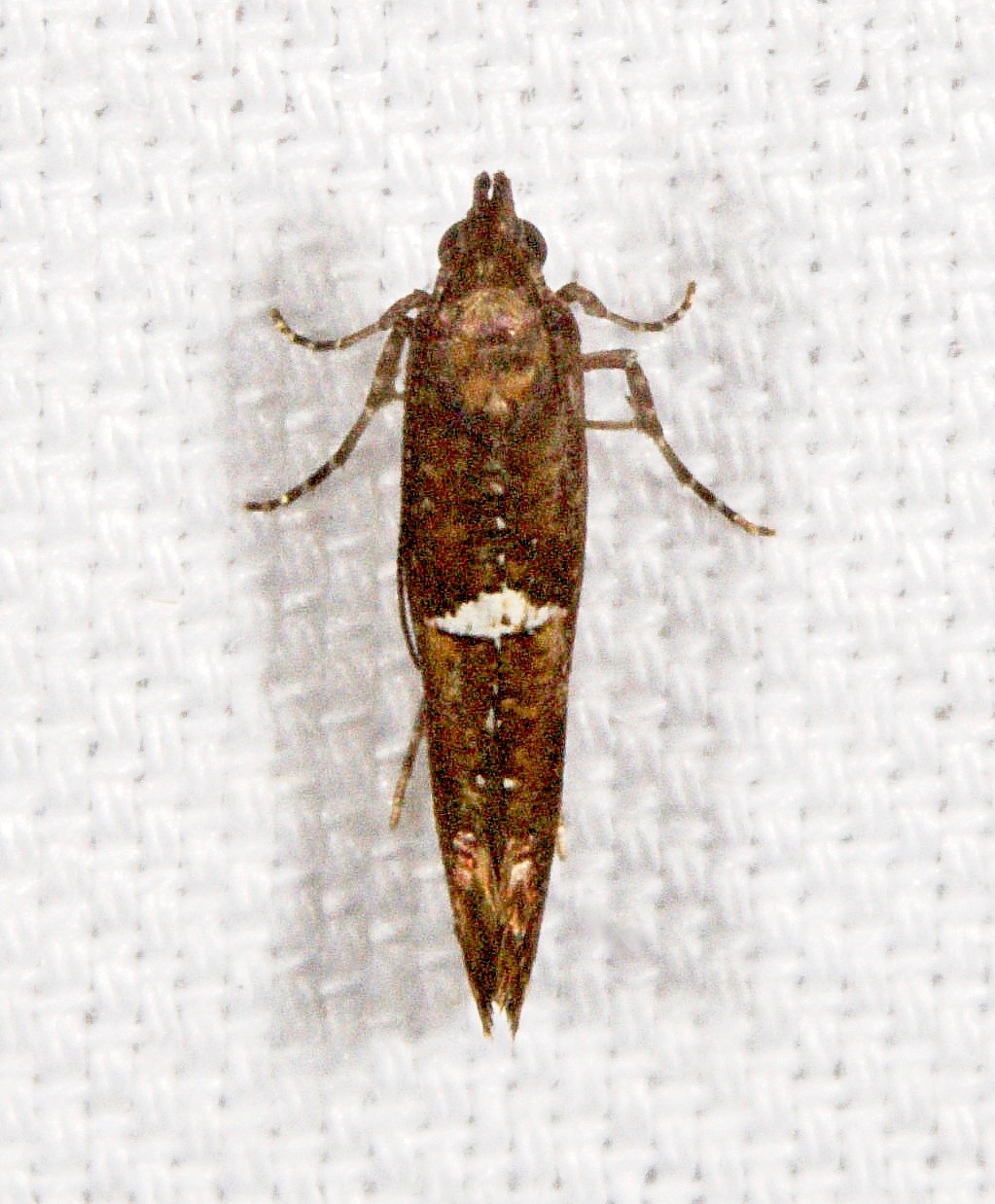
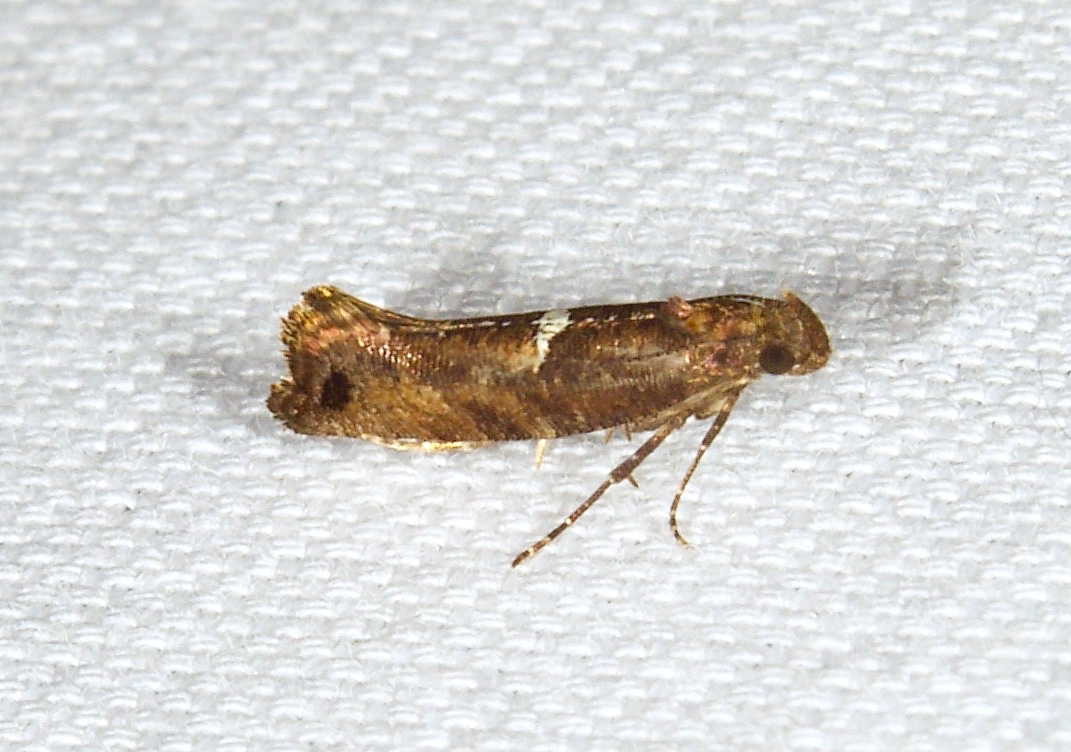
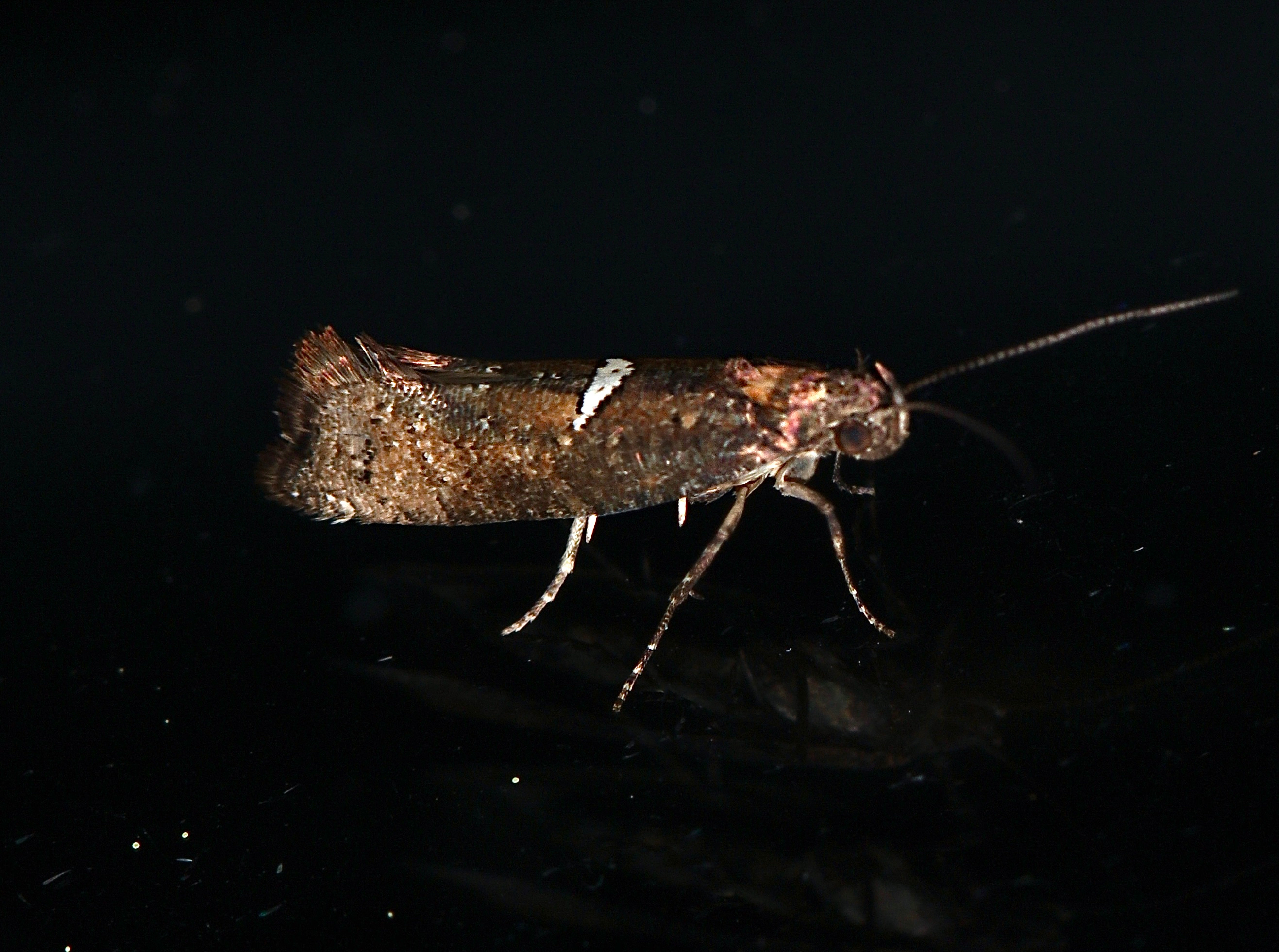
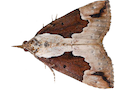
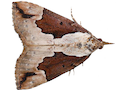
are two closely related forms that can only be reliably identified using genitalia or molecular markers (DNA barcoding). The following is a general description that applies to both and is based on that of Landry (2007). Both of these species have erect scales on the vertex. The labial palps are upcurved and extend to the top of vertex, with the third segment longer than the second. The palps, head, thorax and forewing are all brown, while the dorsum of the antenna is mostly brown with some whitish coloration along the sides. The most conspicuous mark on the forewing is a white, triangular mark on the inner margin at around one-half the wing length. Individuals normally rest with the wings folded so that the two marks form a larger triangular mark when viewed from above. A few small white dots are usually present along the inner margin just before and after the triangular mark. The only other conspicuous mark is a subterminal black spot that can vary from being conspicuous to missing altogether. The hindwing and fringe are brown, with a tendency to phase into brownish-white on the basal half. The outer portions of the legs are brown to dark-brown and have a few whitish tarsal spots on the joints.
Wingspan:
9-10 mm (Covell, 1984).
Forewing Length:
4.3–6.0 mm; mean 5.2 mm (Landry, 2007).
Adult Structural Features:
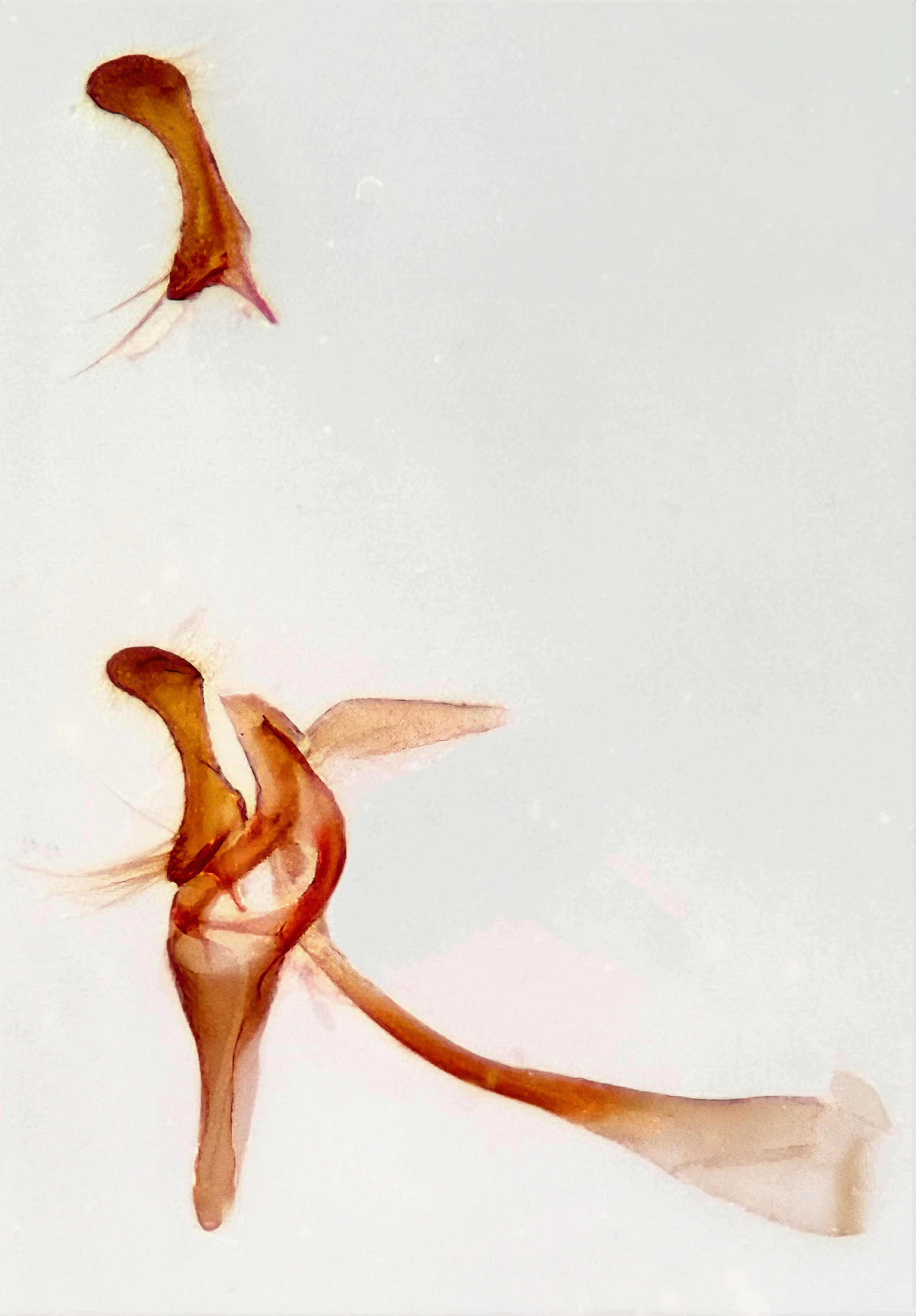
Landry (2007) has illustrations and descriptions of the male and female genitalia. Also, see North Carolina material below.
Genitalia and other structural photos
Male genitalia (with isolated valve); Madison County; Jim Petranka.
Adult ID Requirements:
Identifiable only by close inspection of structural features or by DNA analysis.
Immatures and Development:
Larvae feed on the young leaves and fruits of greenbriers (
Smilax
spp.). Terry Harrison (microleps.org; Landry, 2007) reared adults from both
S. hispida
( =
tamnoides
) and
S. herbacea
in Illinois. He noted that the larvae appear once per year when the plants are starting to produce new leaves in May after the spring warm-up. Each larva ties together the margins of one of the young, waxy-looking, yellowish-green terminal leaves to make a small shelter. The shelter resemble a miniature waxy garden pepper, with the apex of the shelter turning black with age. The larva lives within and skeletonizes the inside of the shelter, with the later instars sometimes eating all but the outer epidermis to produce translucent, window-like patches on the surface of the shelter. After completing its development, the larva leaves the shelter and pupates, followed by the adult emerging around late-May or early-June. The larva is pale green with a pale brownish-yellow head and does not have distinctively colored pinacula. Pupation occurs in a lace-like, large-meshed cocoon that is spun prior to pupating, and the pupa does not protrude from the cocoon at adult emergence. Harrison surmised that the adults in this area remain inactive until they mated and laid eggs the following year around mid-April.
Mark Hatfield (BugGuide) observed the larvae feeding on the fruits of
S. herbacea
in Iowa. The larvae lived within the tightly packed fruiting umbels and also pupated there on the stalks of the individual fruits. Cocoons with pupae were collected in late-September, and the adults emerged the following April. Although speculative, these two very different life history accounts suggest that some populations may produce two broods per year, with the first using the young leaves in the spring and the second using the fruits in the summer and early fall and overwintering as pupae.
Larvae ID Requirements:
Identifiable only through rearing to adulthood.
Distribution in North Carolina
Distribution:
Acrolepiopsis incertella
is widely distributed in eastern North America with the range extending from New Hampshire, Massachusetts and Ontario southward to the Carolinas, and westward to Mississippi, western Tennessee, Michigan, Illinois and northwestern Iowa. There is at least two records for northern Florida that may be a disjunct population. Delineating the range has been hampered by the fact that the adults are not strongly attracted to lights, and need to be dissected for identification. As of 2025, we have two disjunct groups, with one in the Sandhills and a second in the Blue Ridge.
County Map:
Clicking on a county returns the records for the species in that county.
Flight Dates:
High Mountains (HM) ≥ 4,000 ft.
Low Mountains (LM) < 4,000 ft.
Piedmont (Pd)
Coastal Plain (CP)
Click on graph to enlarge
Flight Comments:
The adults have been observed from March through October in different areas of the range. As of 2025, our very limited records based on dissections range from early-February through mid-October, with the February records presumably being an overwintering adult.
Habitats and Life History
Habitats:
The adults are generally associated with forest or forest edges where greenbriers are present.
Larval Host Plants:
Larvae feed on greenbriers (
Smilax
spp.), with Smooth Carrion-flower (
S. herbacea
) and Bristly Greenbrier (
S. hispida
=
S. tamnoides
) the reported host plants (Landry, 2007; Beadle and Leckie, 2018; BugGuide; microleps.org). As of 2025, we do not have any feeding records in North Carolina. -
View
Observation Methods:
The adults appear to be only weakly attracted to lights (Landry, 2007).
Wikipedia
See also Habitat Account for
General Greenbrier Tangles
Status in North Carolina
Natural Heritage Program Status:
Natural Heritage Program Ranks:
GNR SNR [S2S4]
State Protection:
Comments:
Documenting the distribution and abundance of this species has been hampered by the fact that the adults do not appear to be strongly attracted to lights and require dissection for accurate identification. Additional work is needed before we can accurately assess the conservation status of this species in North Carolina.
Photo Gallery for
Acrolepiopsis incertella
- Carrionflower Moth
Photos: 4
Recorded by: Jim Petranka on 2025-04-09
Madison Co.
Comment:
Recorded by: Jim Petranka on 2025-04-09
Madison Co.
Comment: Male genitalia.
Recorded by: Jim Petranka and Becky Elkin on 2019-02-07
Madison Co.
Comment: Determined by J.B. Sullivan based on dissection.
Recorded by: Jim Petranka and Becky Elkin on 2019-02-07
Madison Co.
Comment: Determined by J.B. Sullivan based on dissection.
 »
»