Moths of North Carolina
Scientific Name:
Common Name:
Family (Alpha):
« Home »
View PDFGelechiidae Members: Dichomeris Members: 69 NC Records

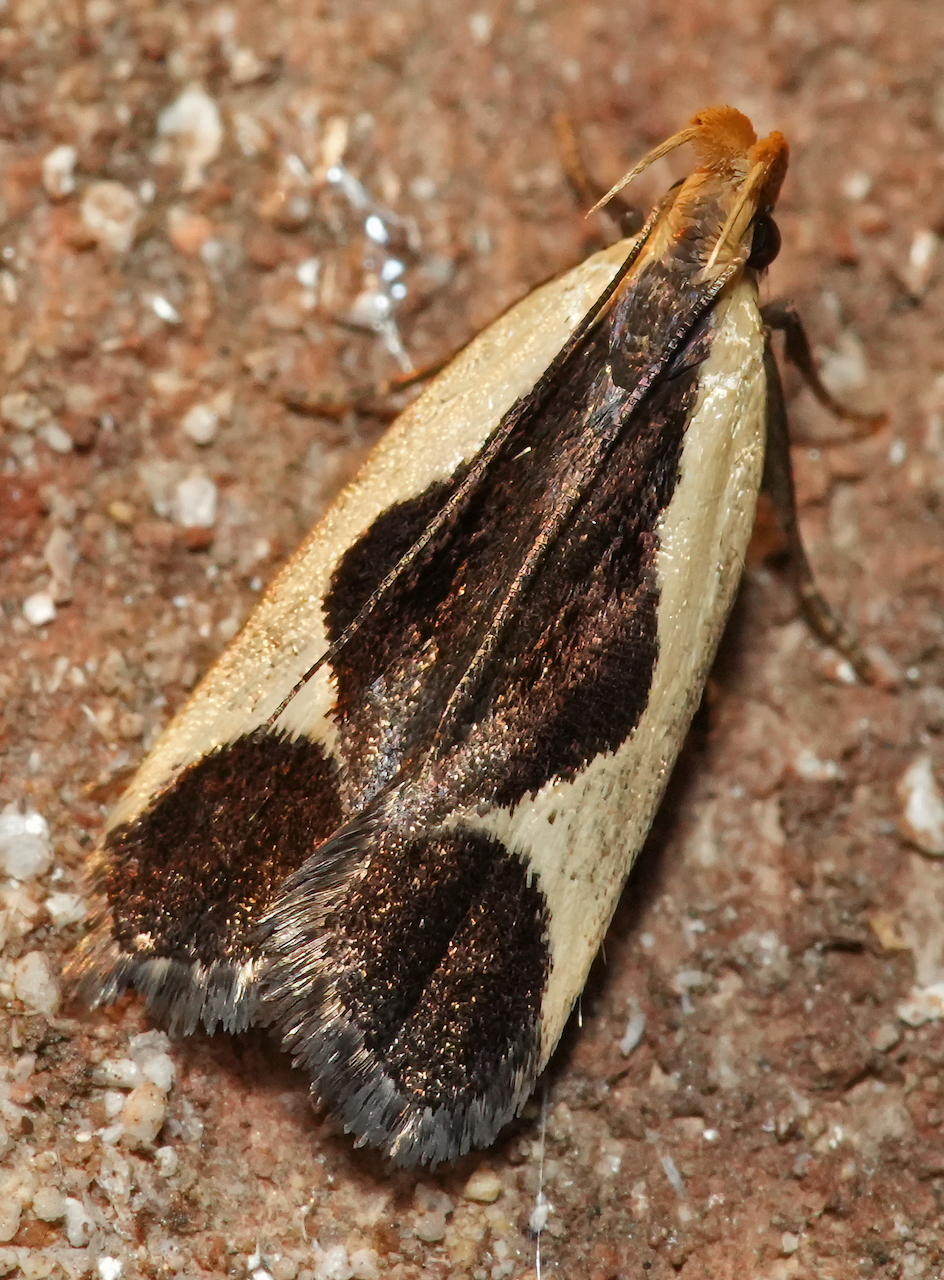
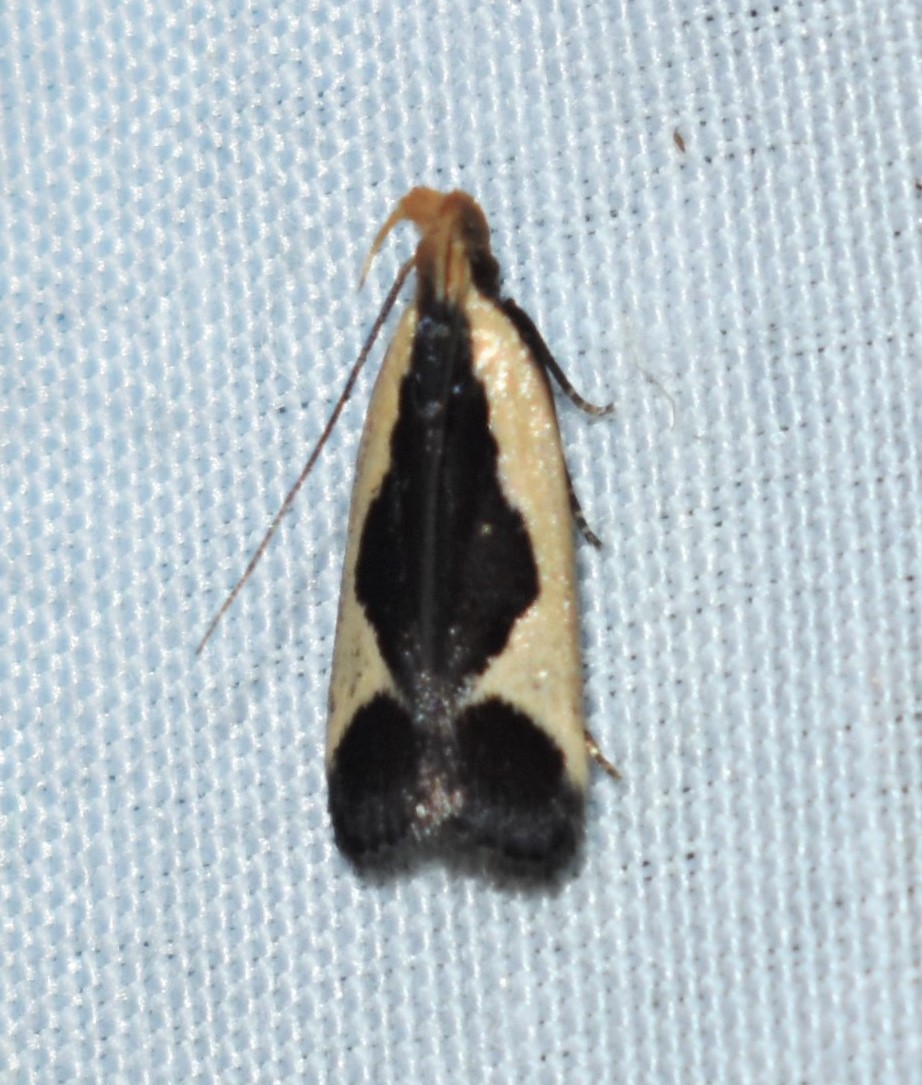
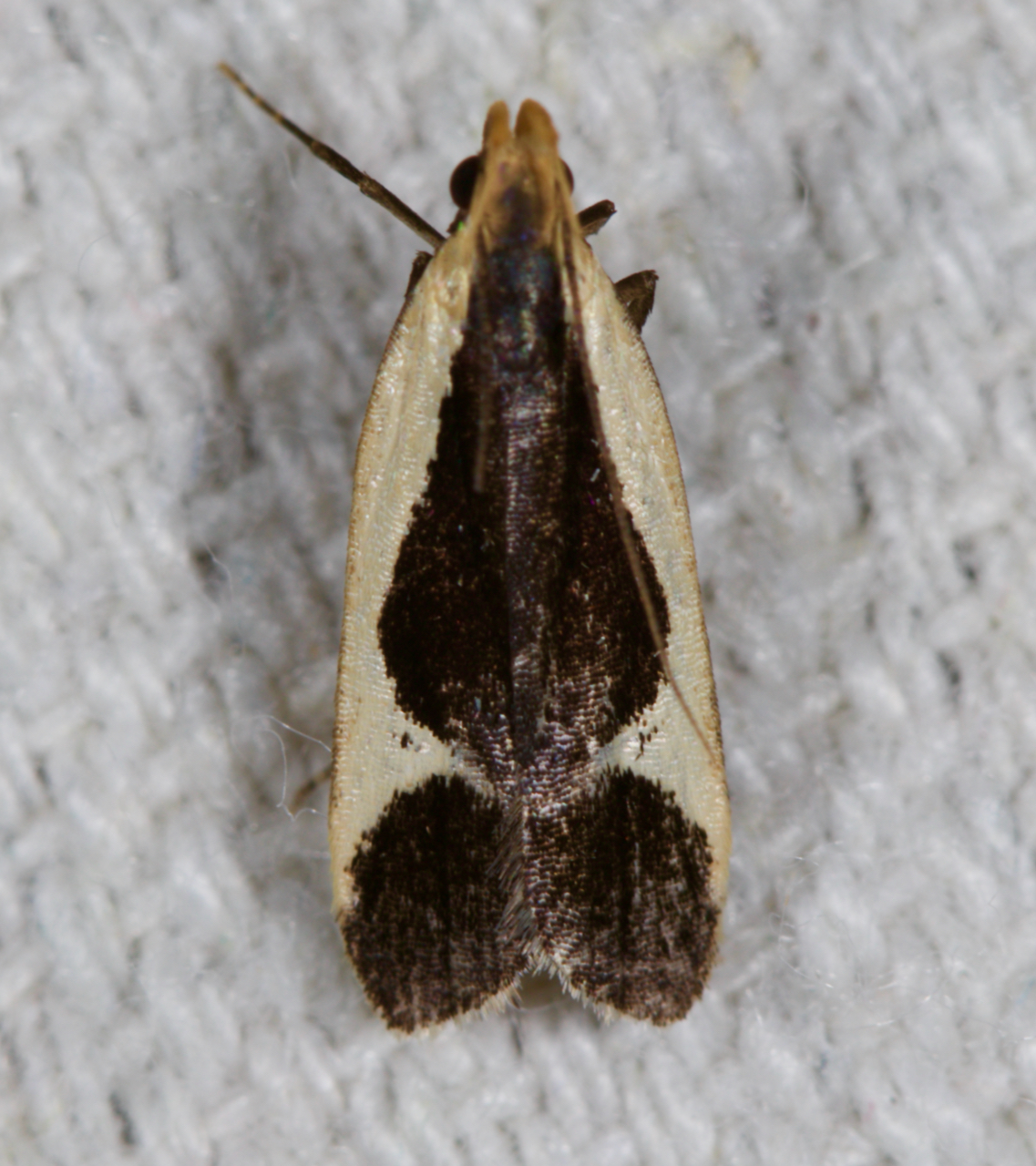
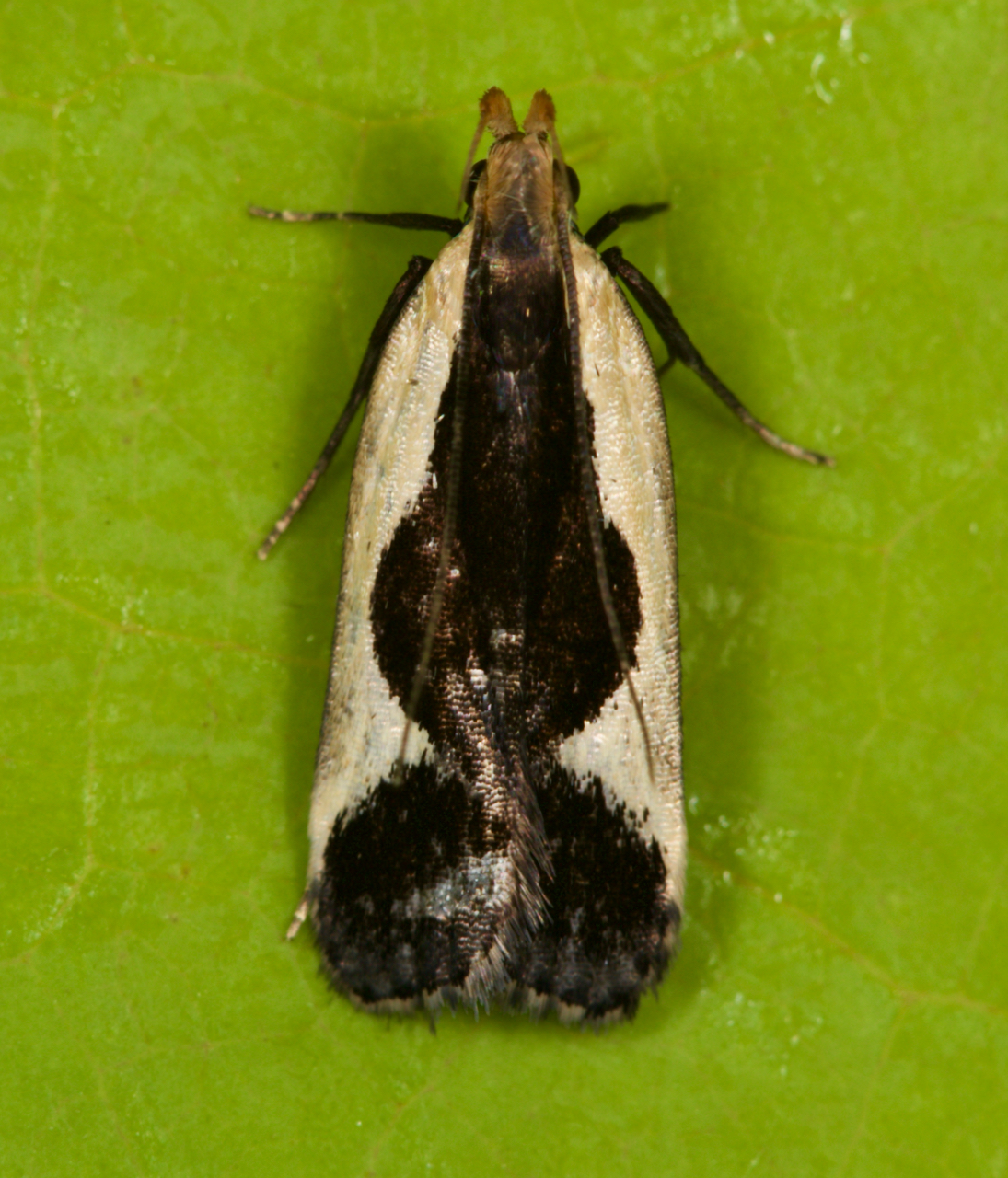
Dichomeris flavocostella (Clemens, 1860) - Cream-edged Dichomeris


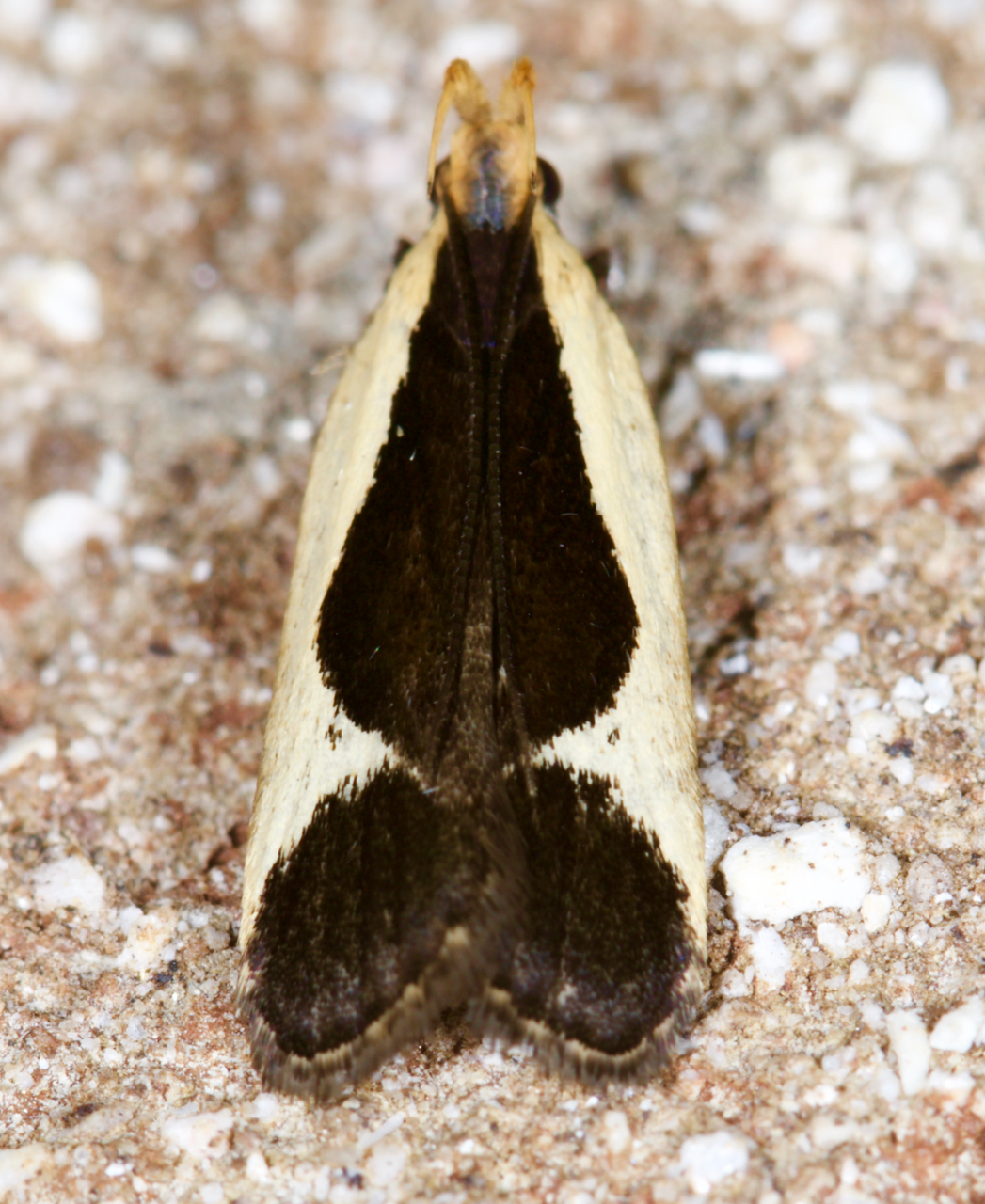
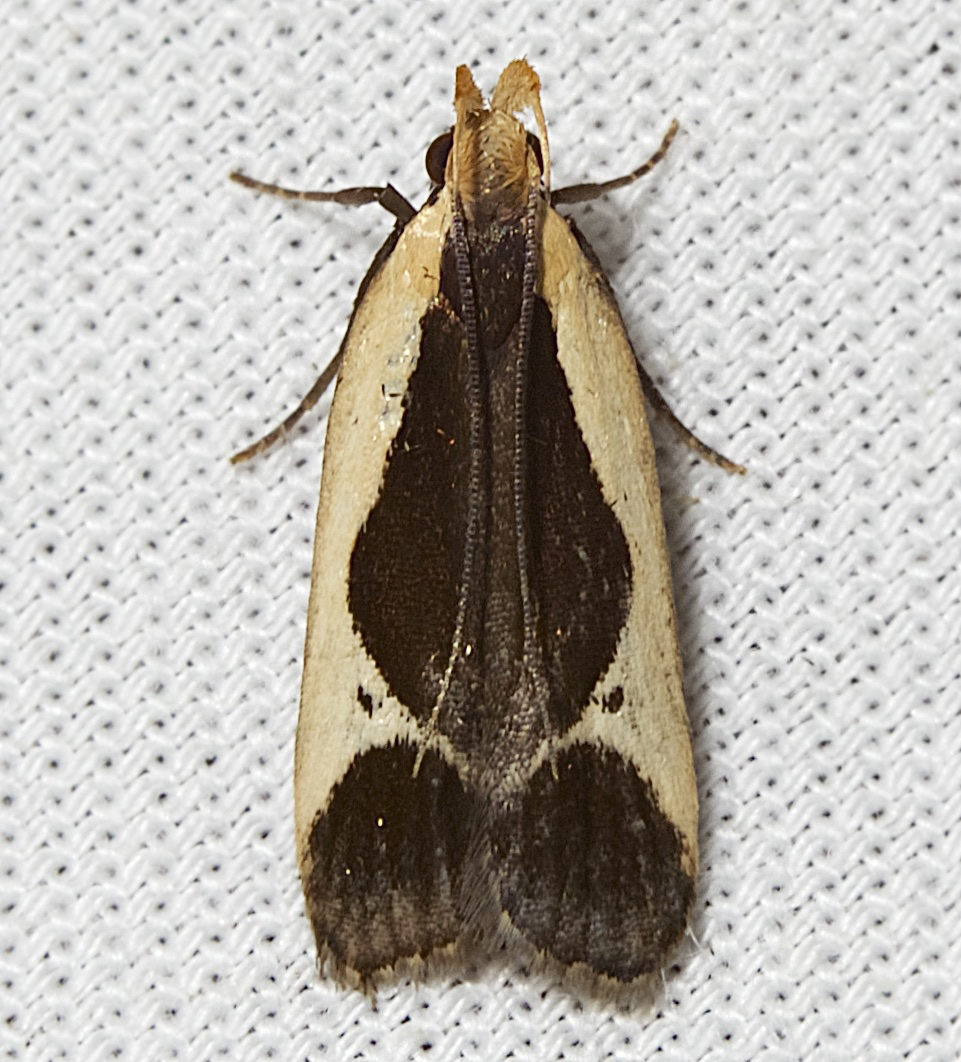
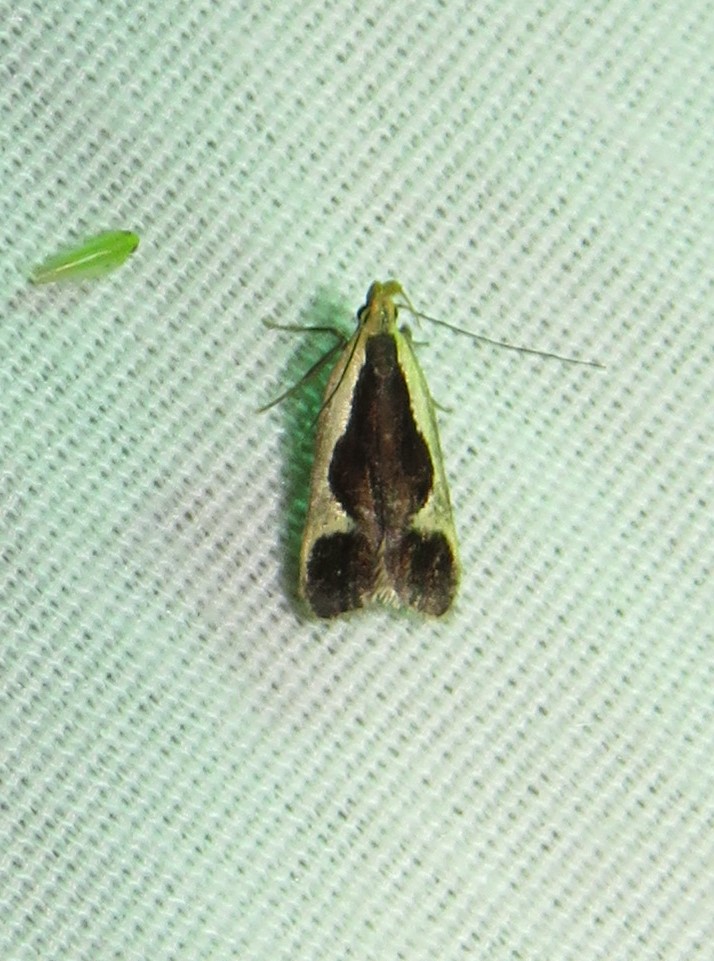
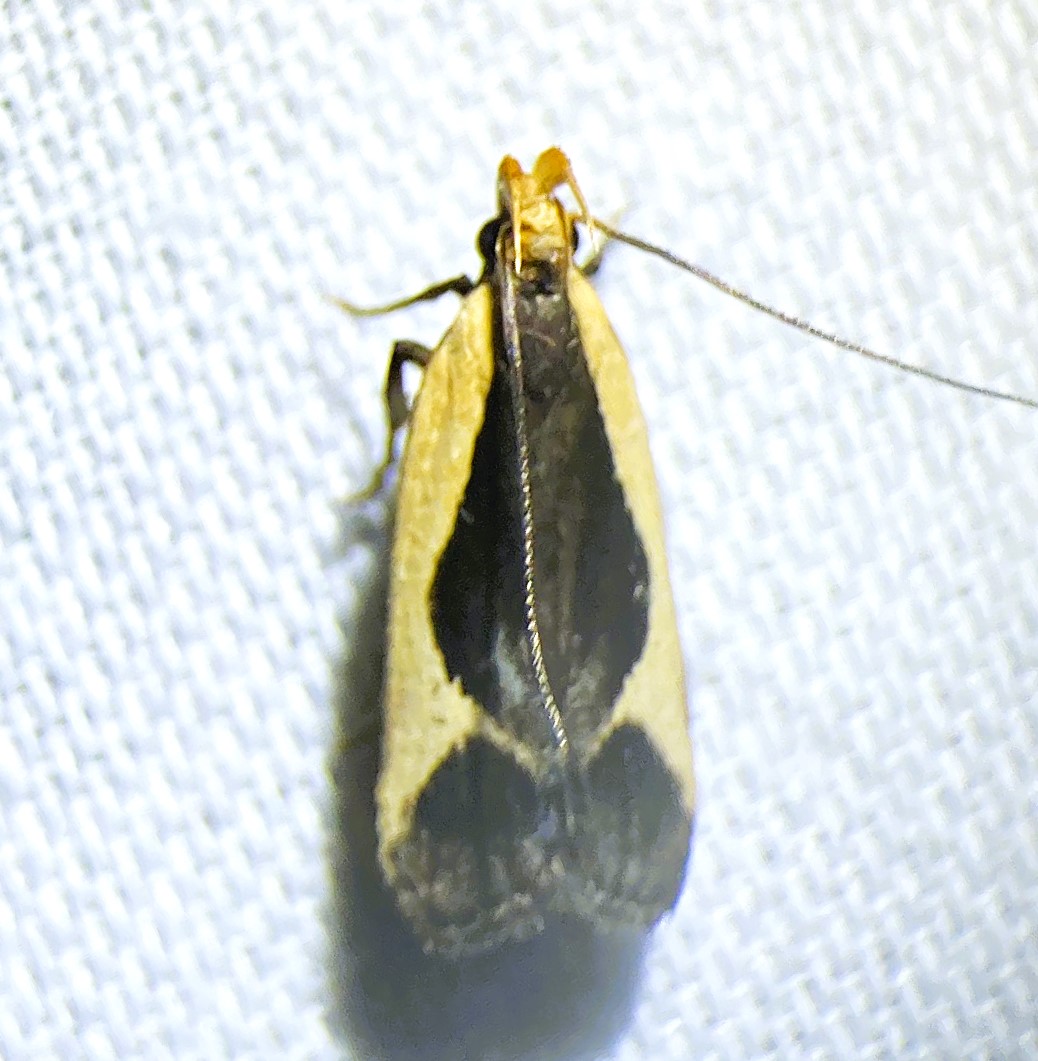
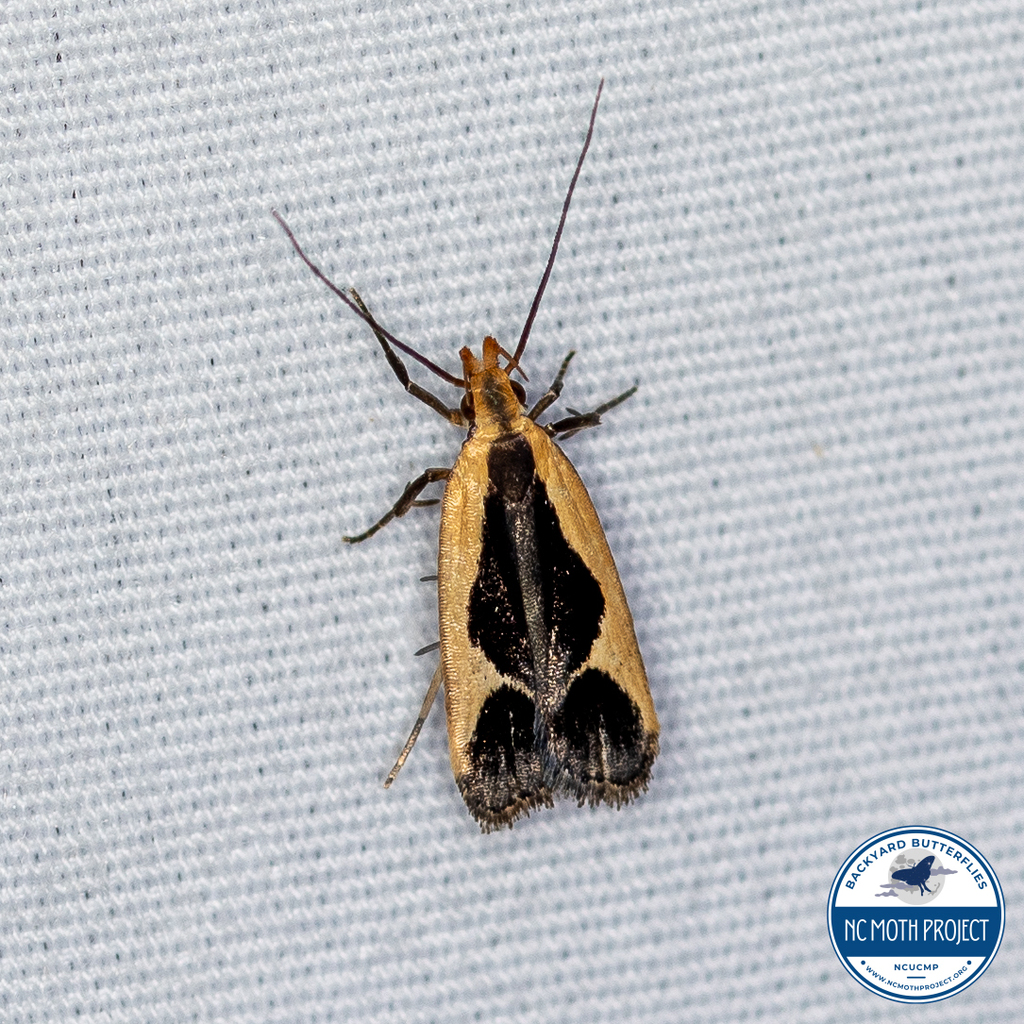
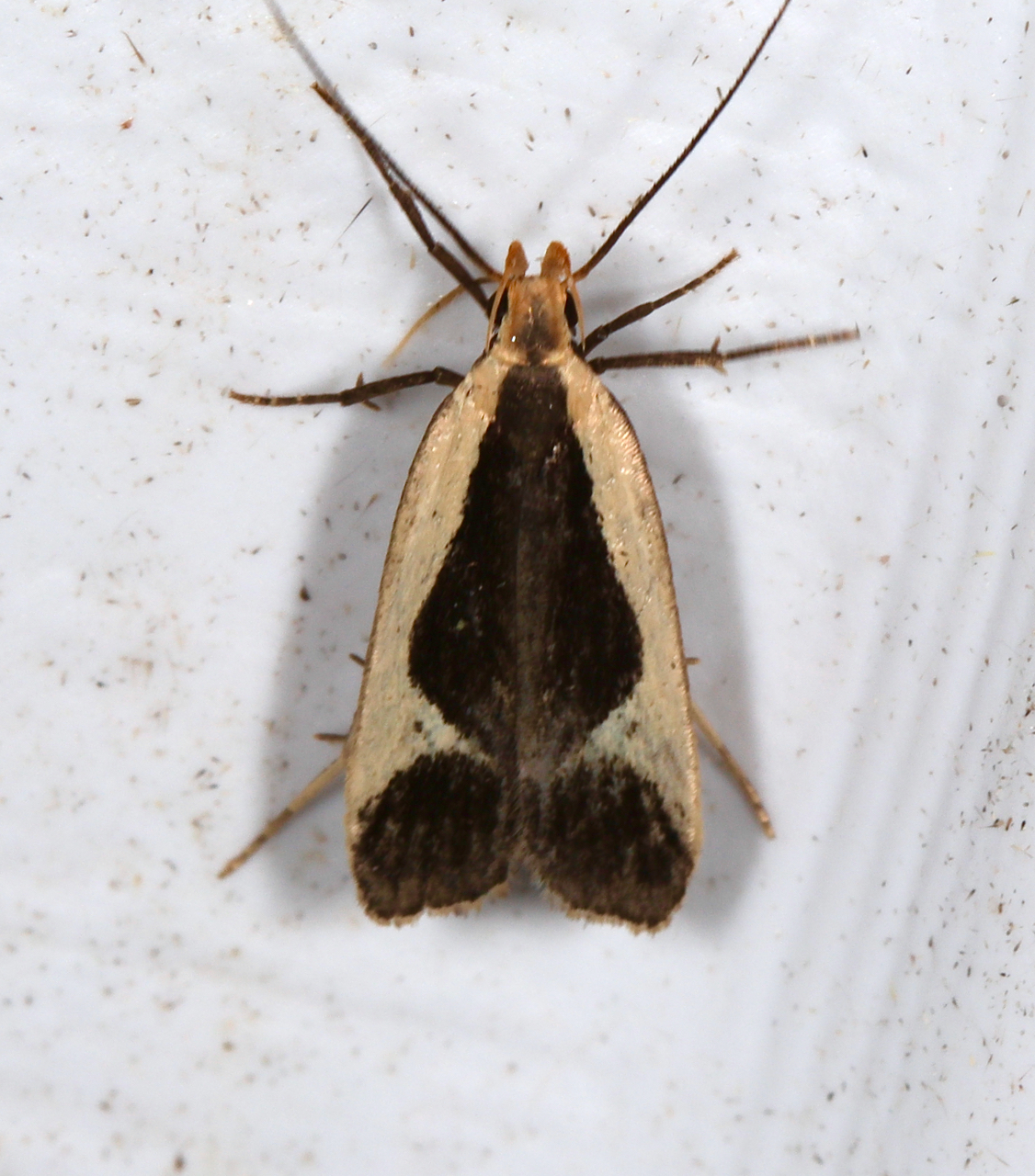
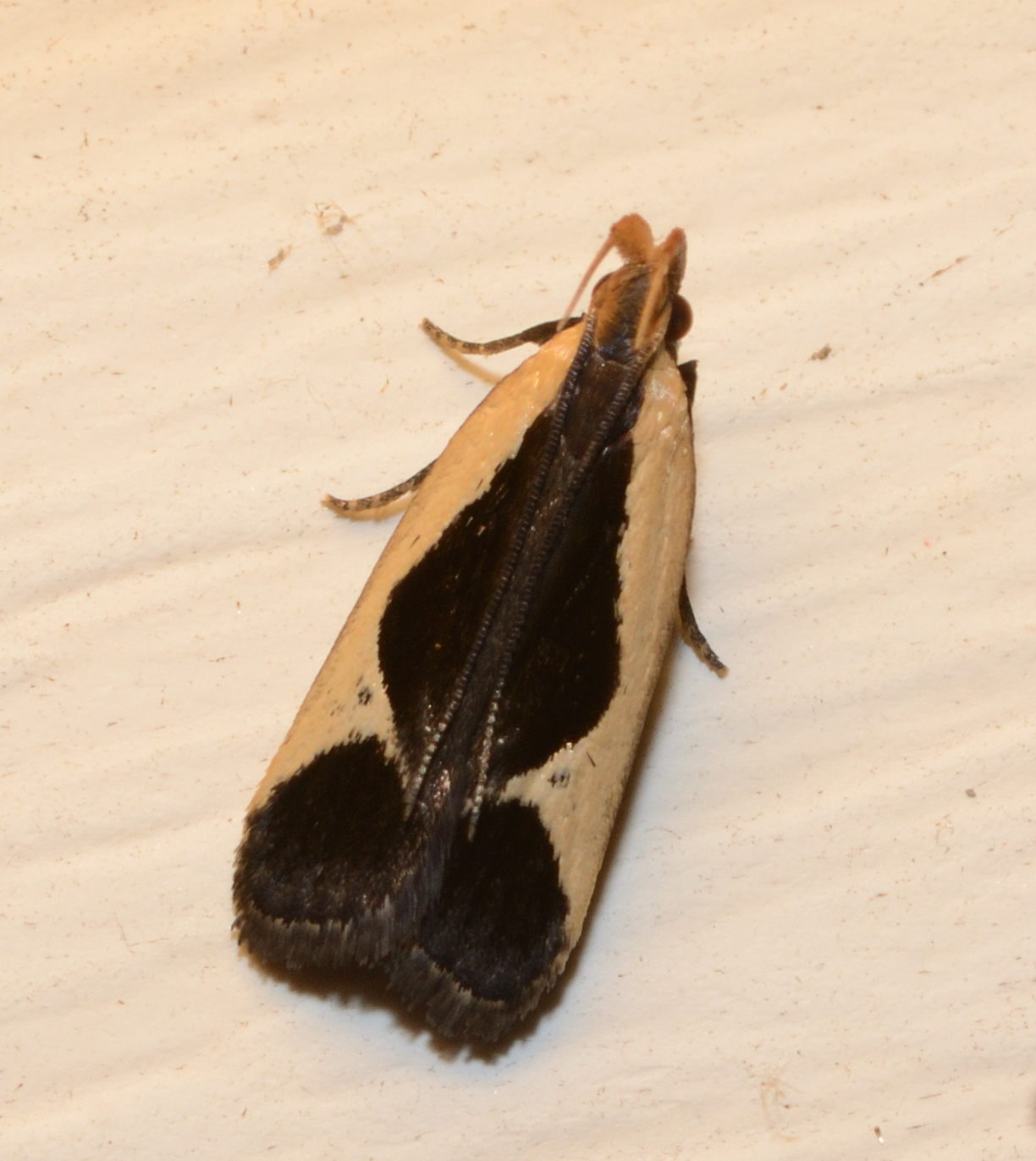
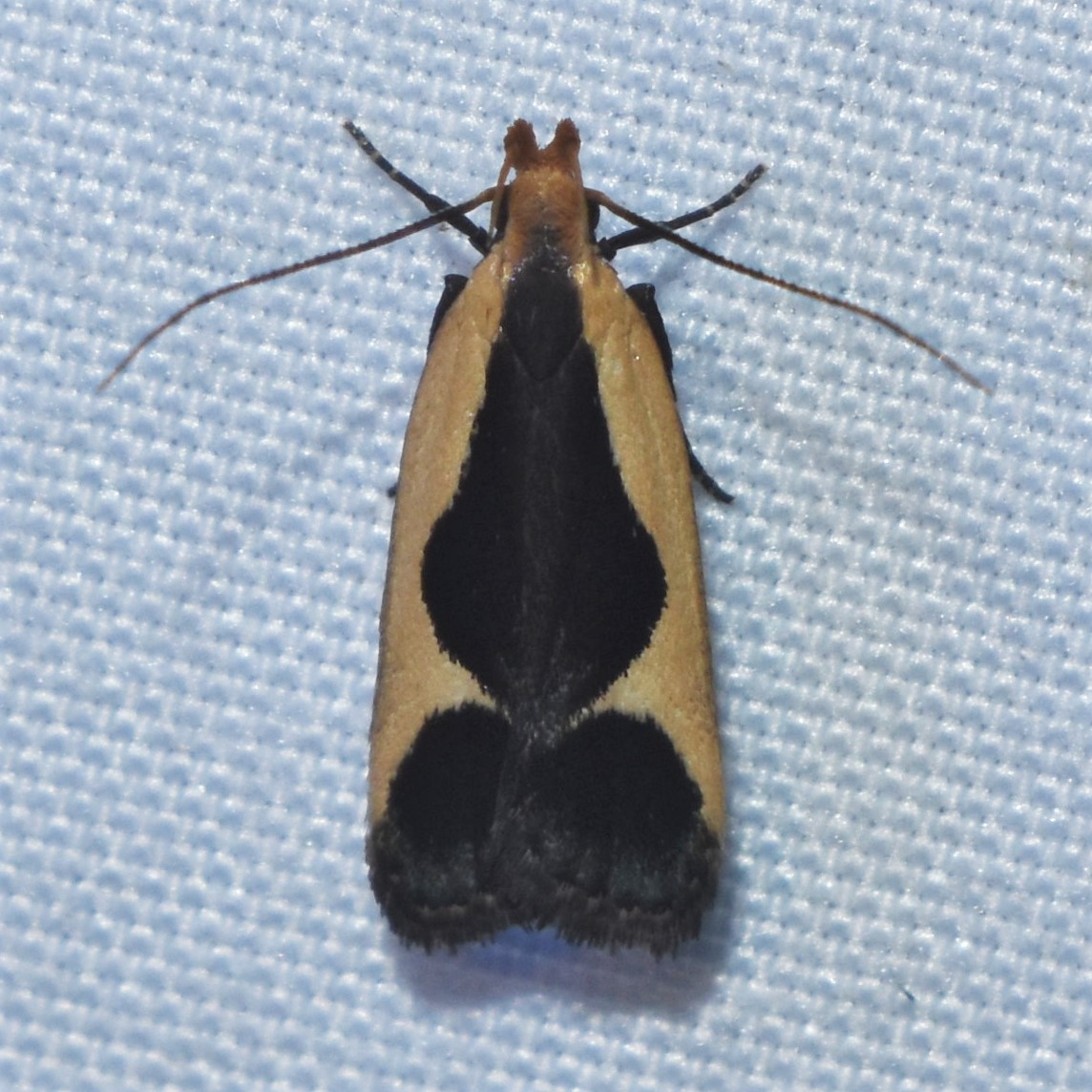
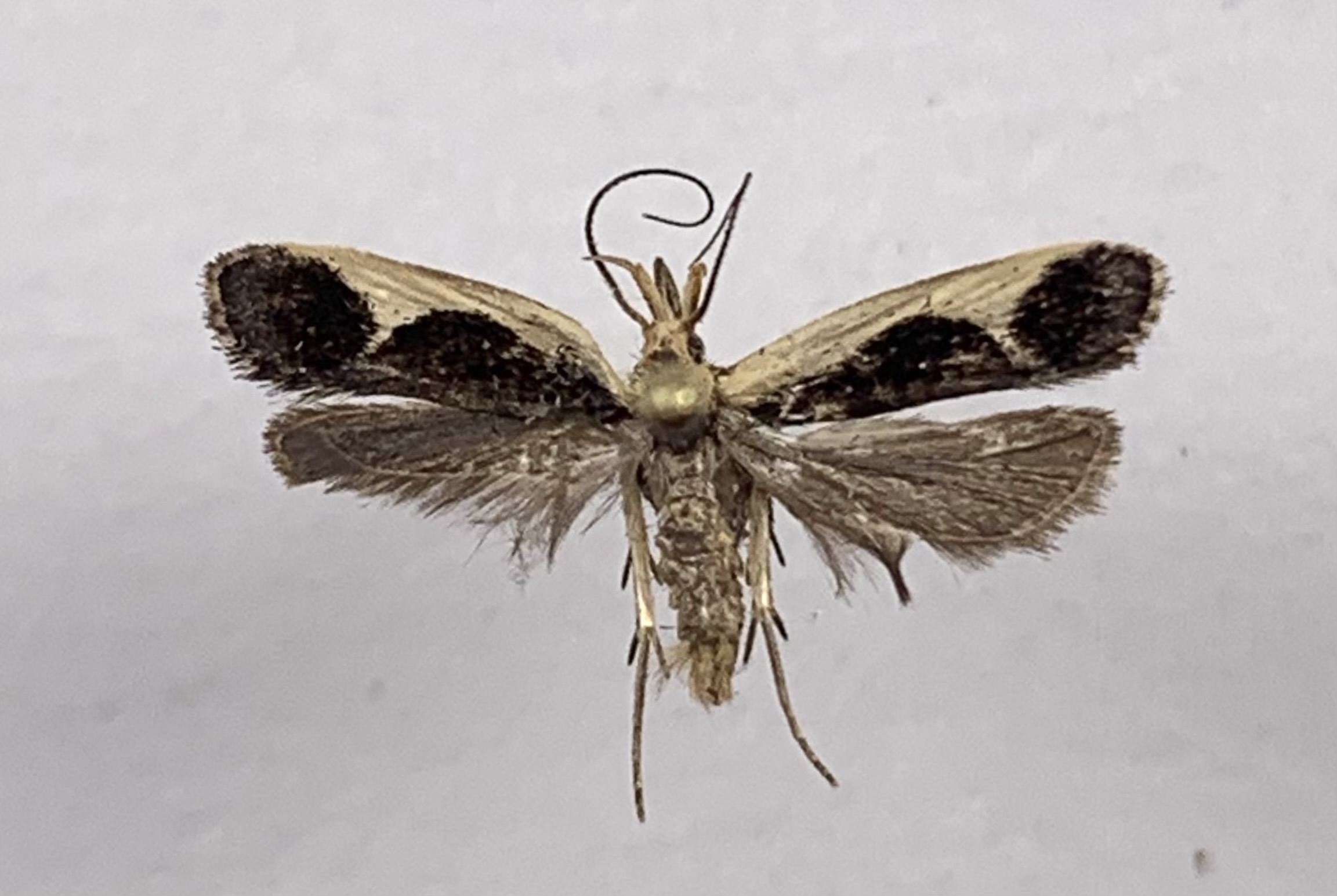
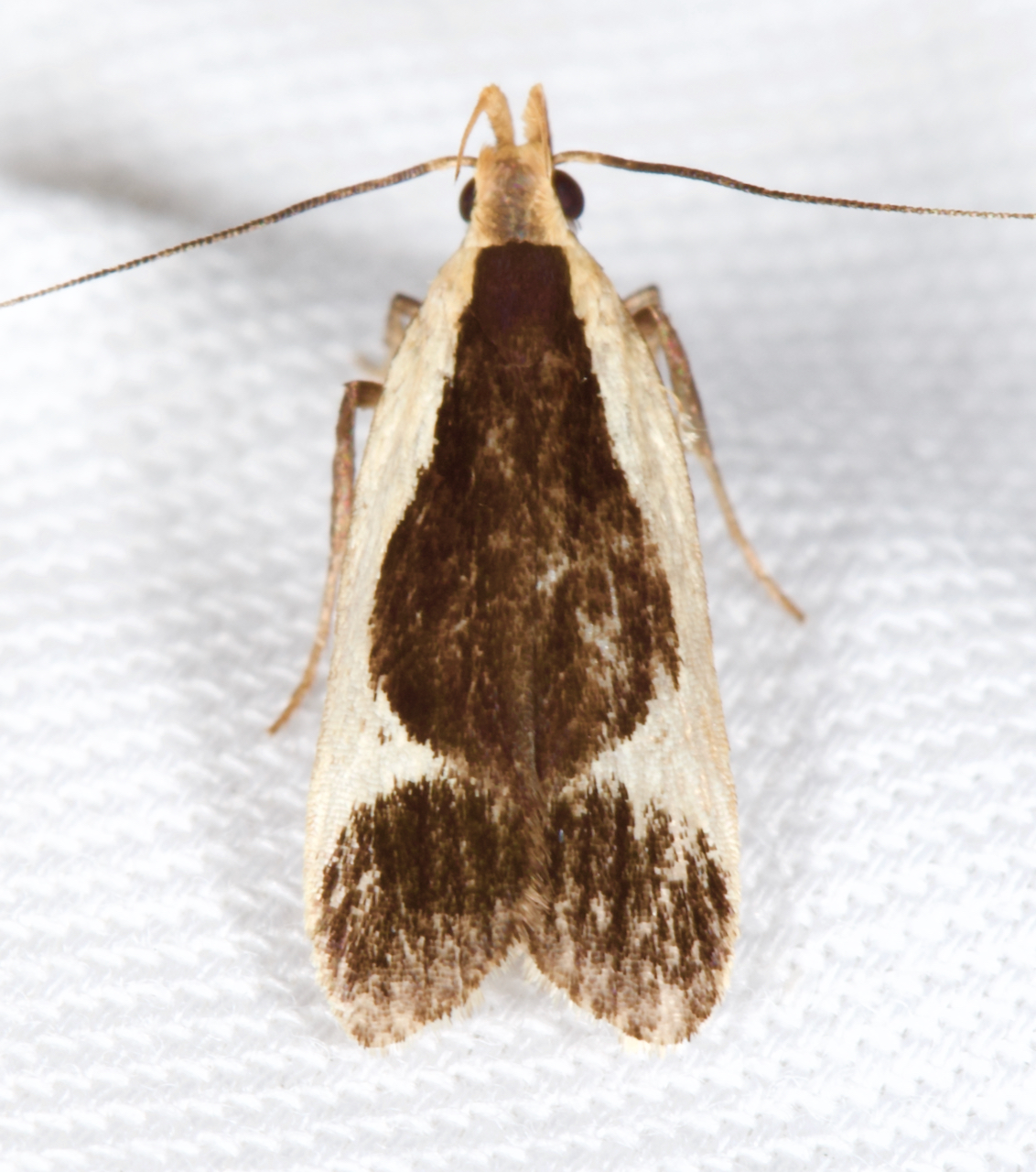
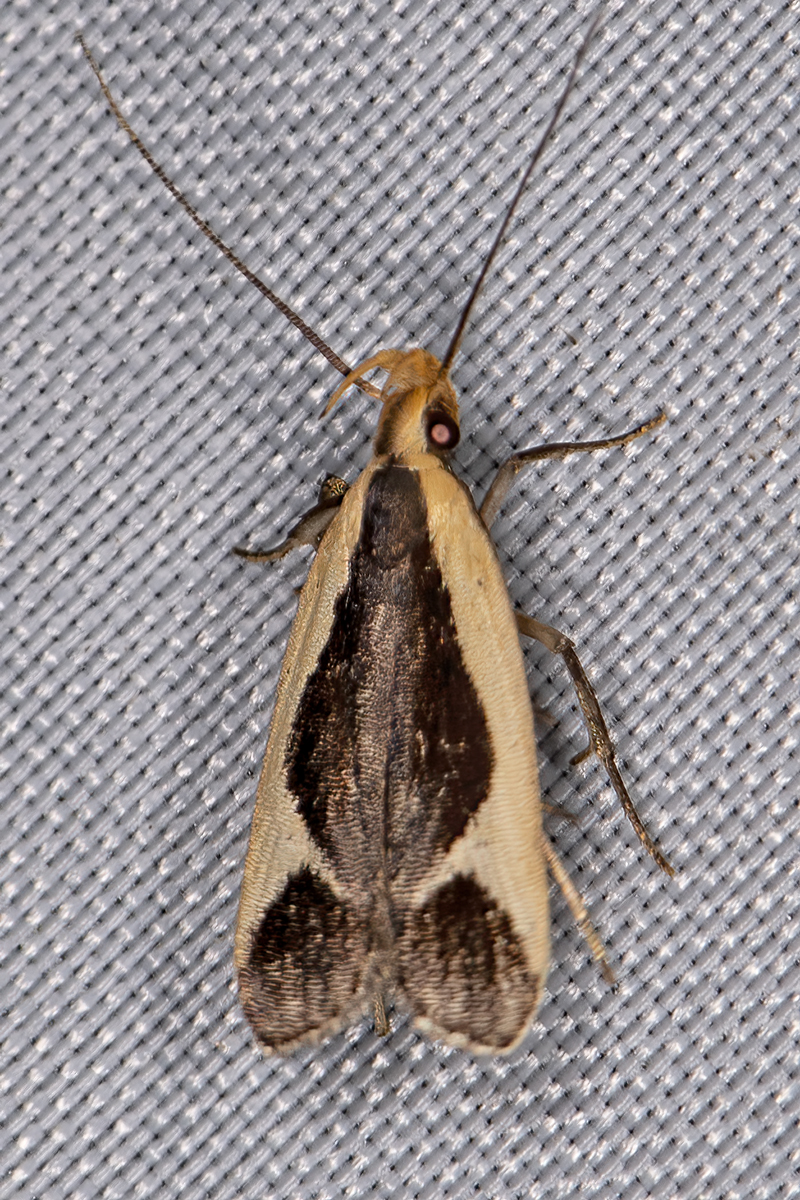
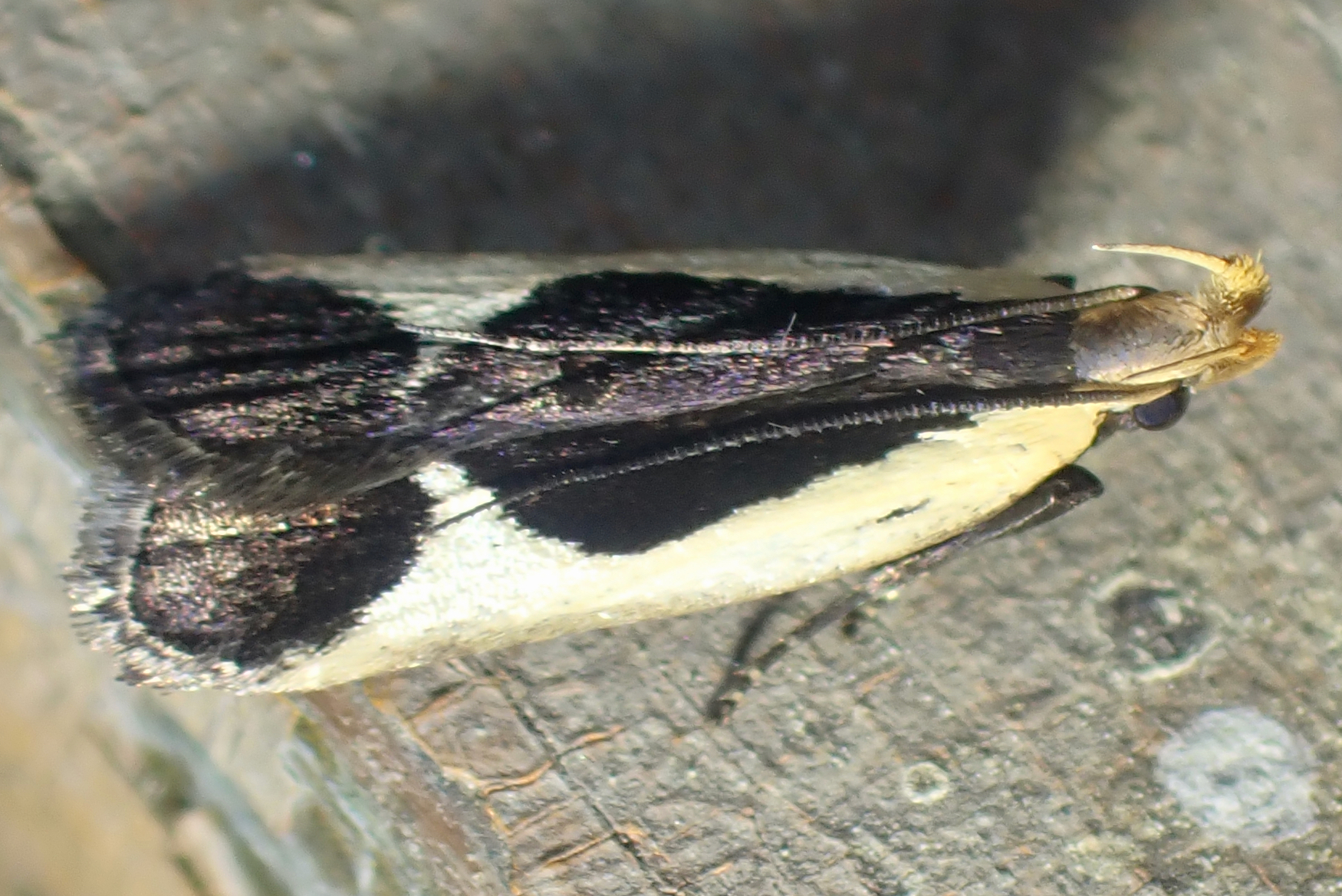
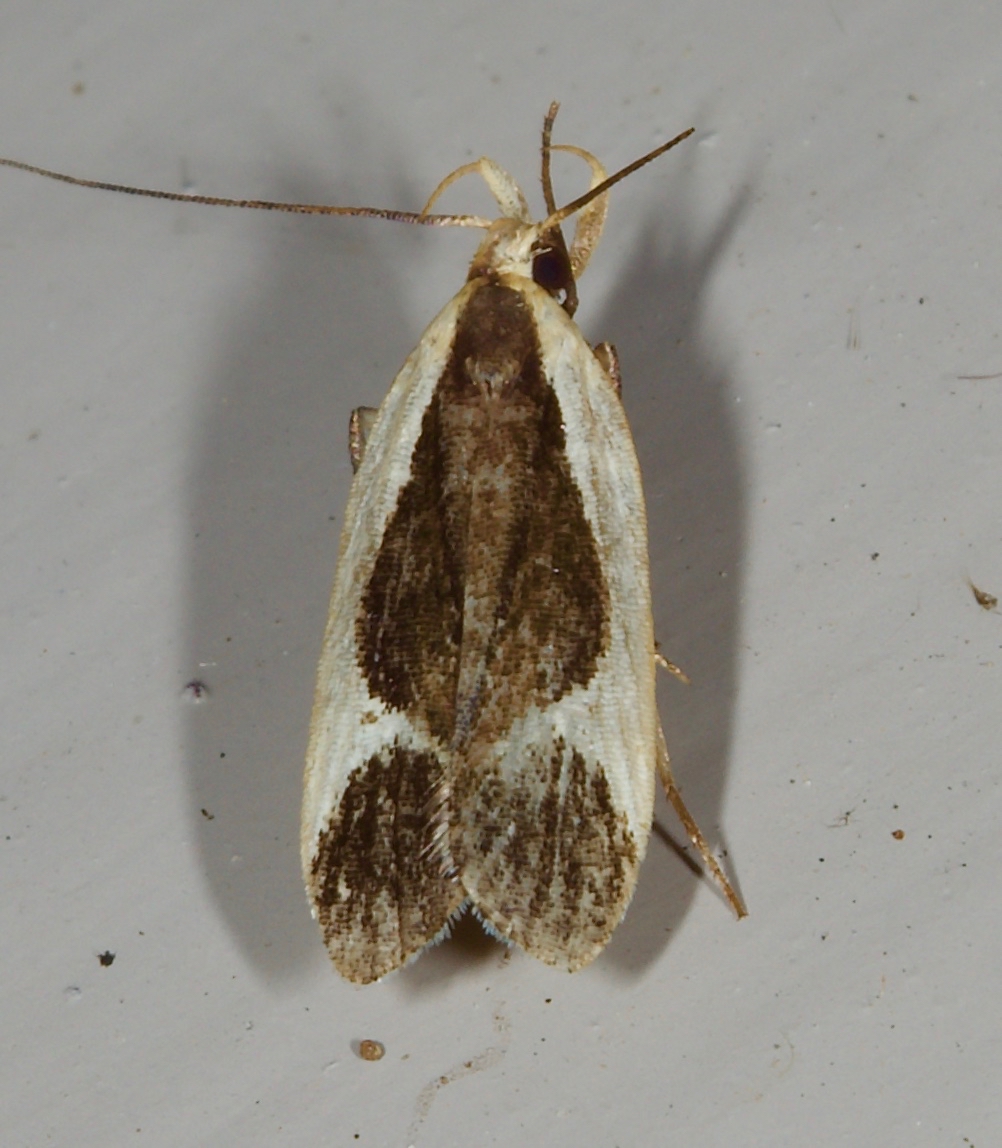
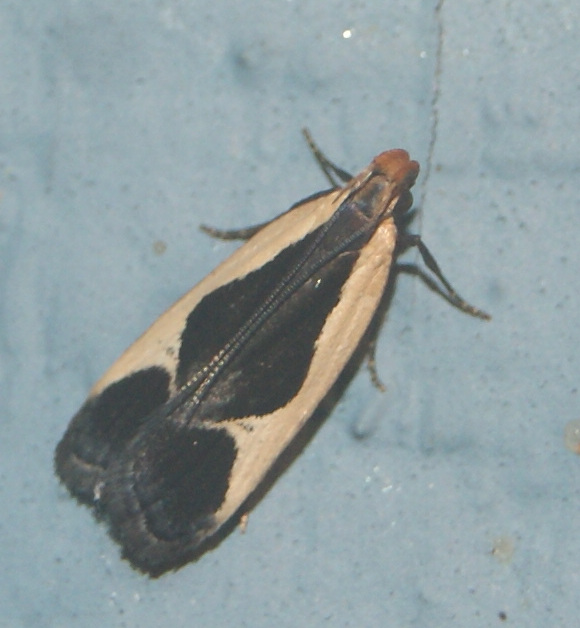
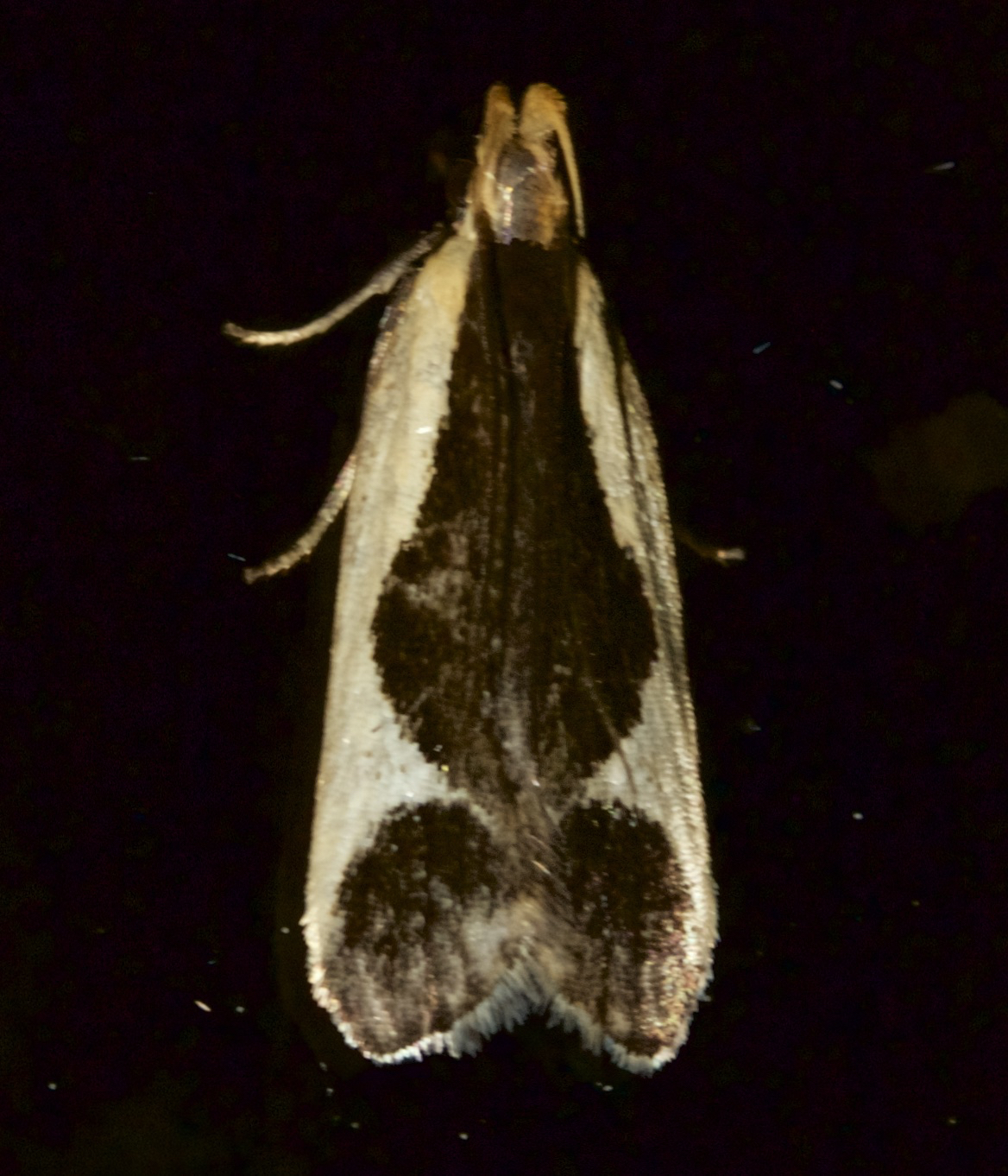
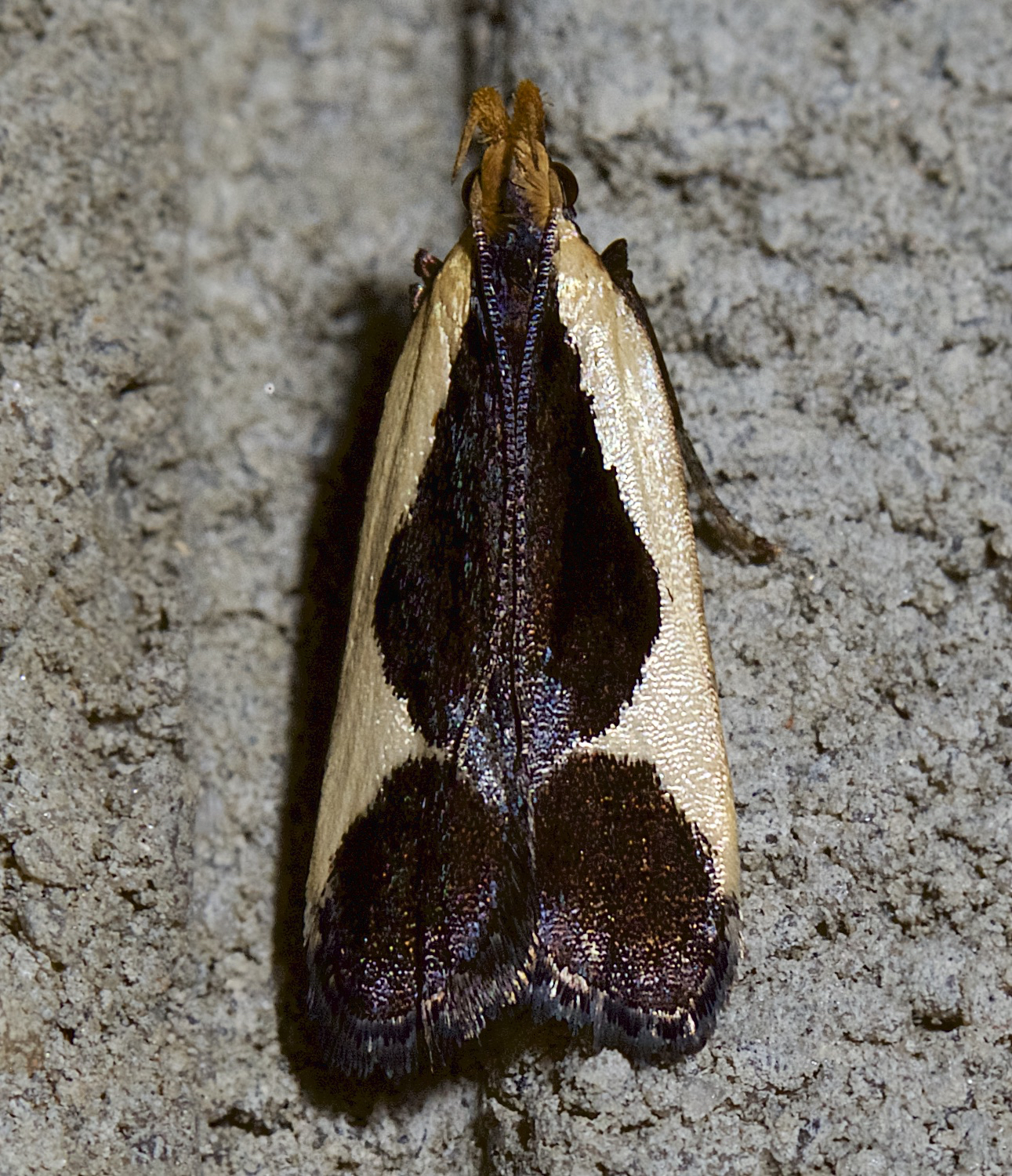
Dichomeris flavocostellaDichomeris flavocostellaDichomeris flavocostellaDichomeris flavocostella
Taxonomy
Superfamily:
Gelechioidea
Family:
Gelechiidae
Subfamily:
Dichomeridinae
P3 Number:
59a0529
MONA Number:
2295.00
Identification
Field Guide Descriptions: Covell (1984; as Trichotaphe flavocostella); Beadle and Leckie (2012)Online Resources: MPG, BugGuide, iNaturalist, Google, BAMONA, GBIF, BOLDTechnical Description, Adults: Hodges (1986)Technical Description, Immature Stages: Loeffler (1994)                                                                                 
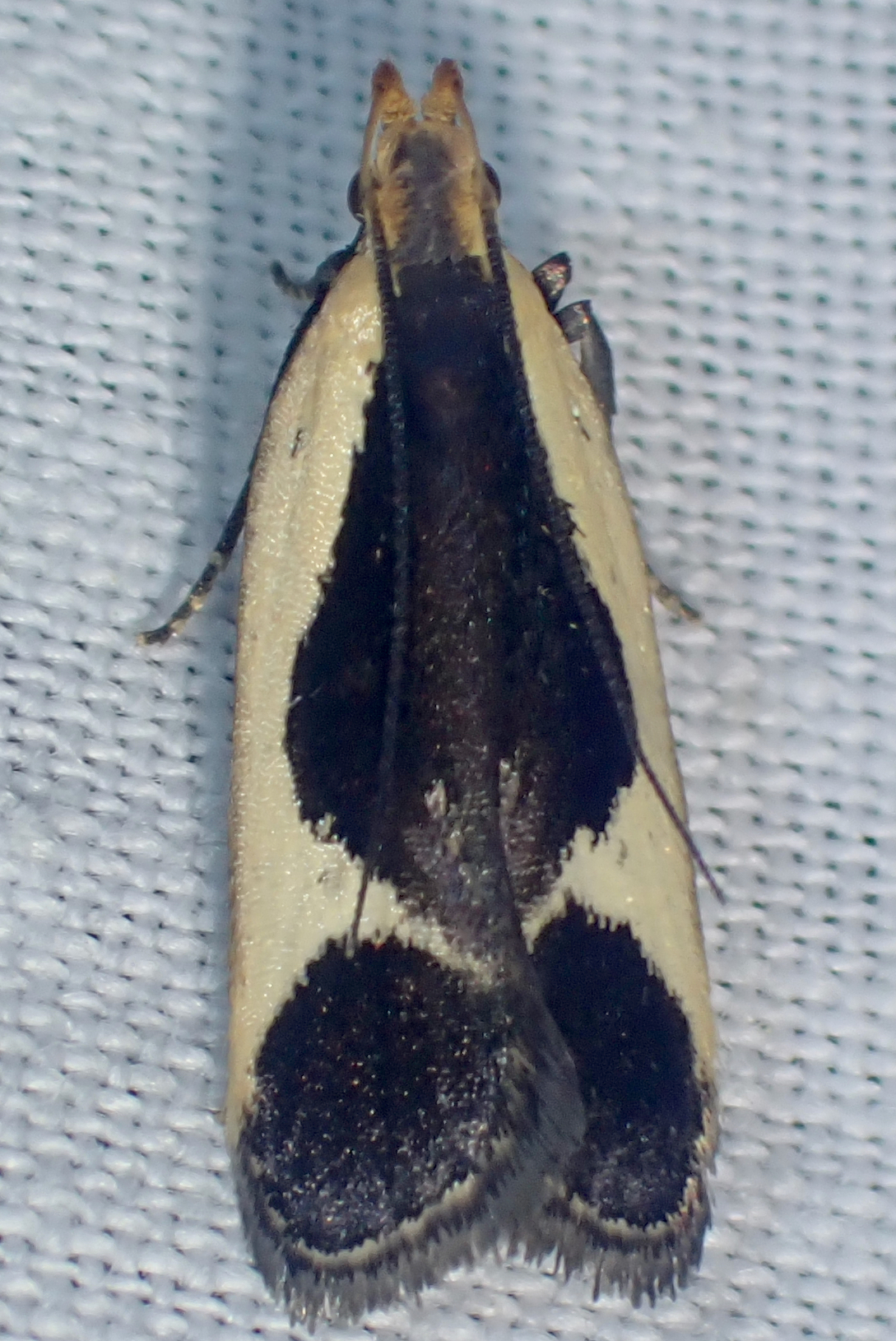
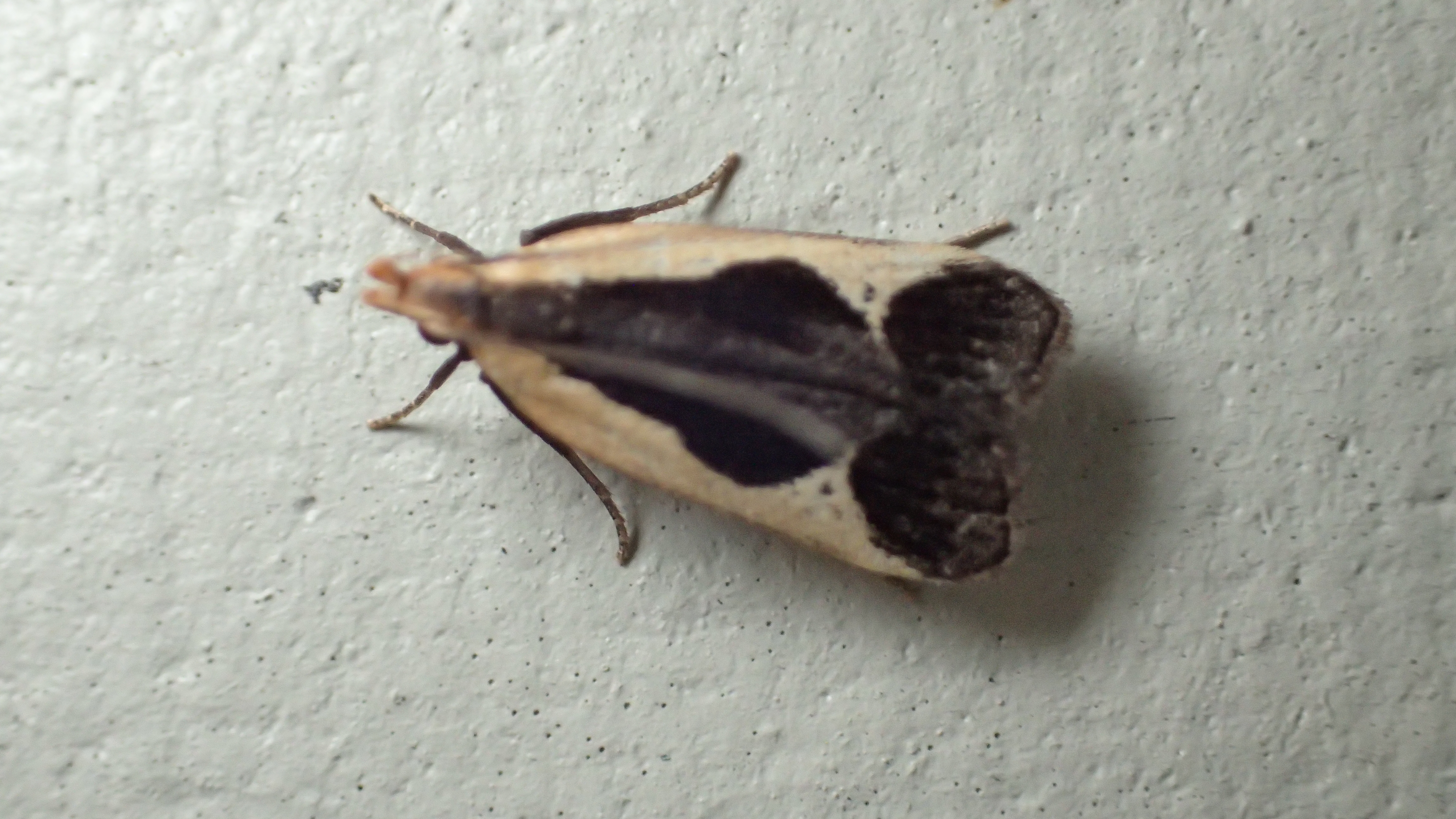
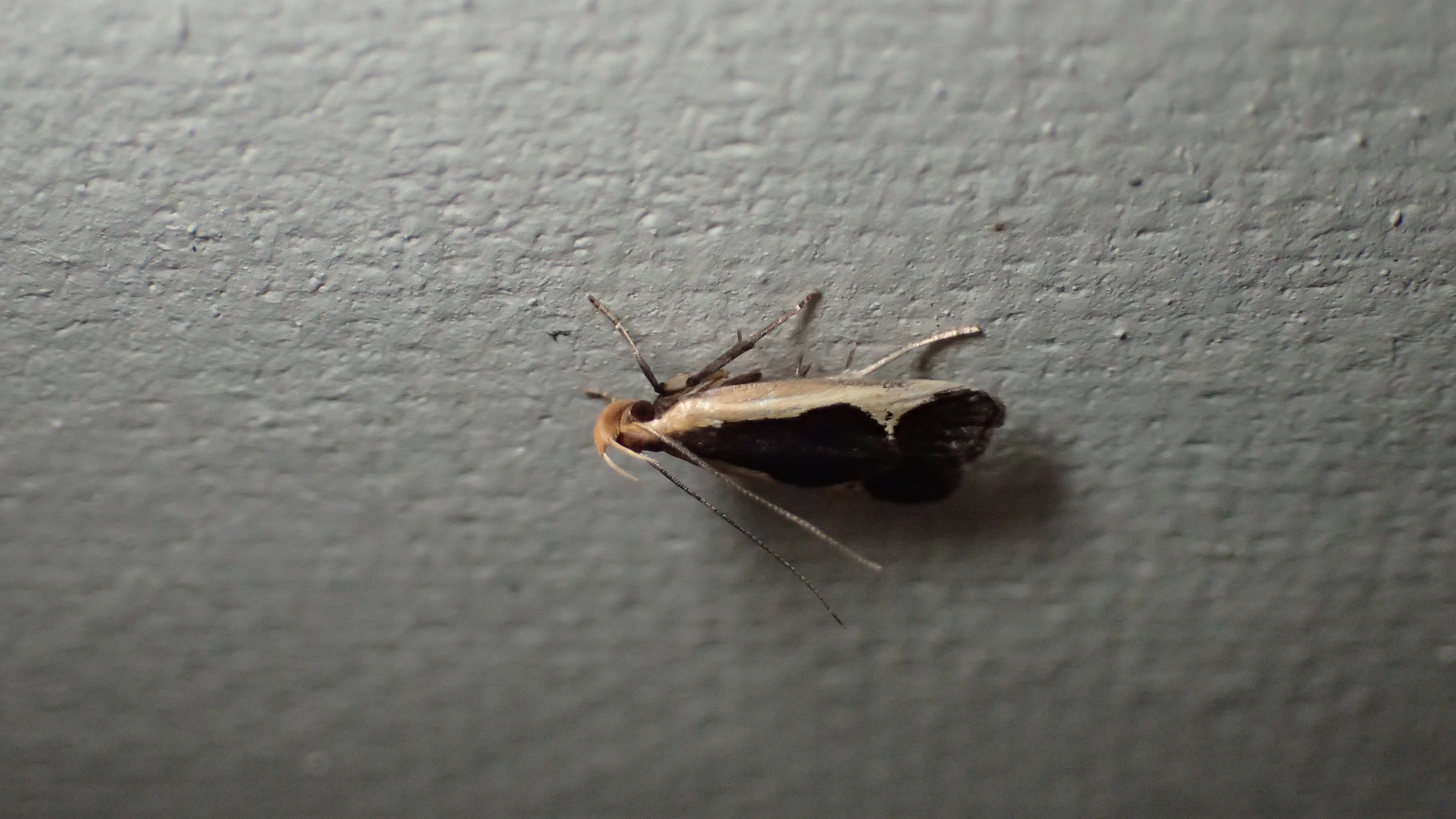
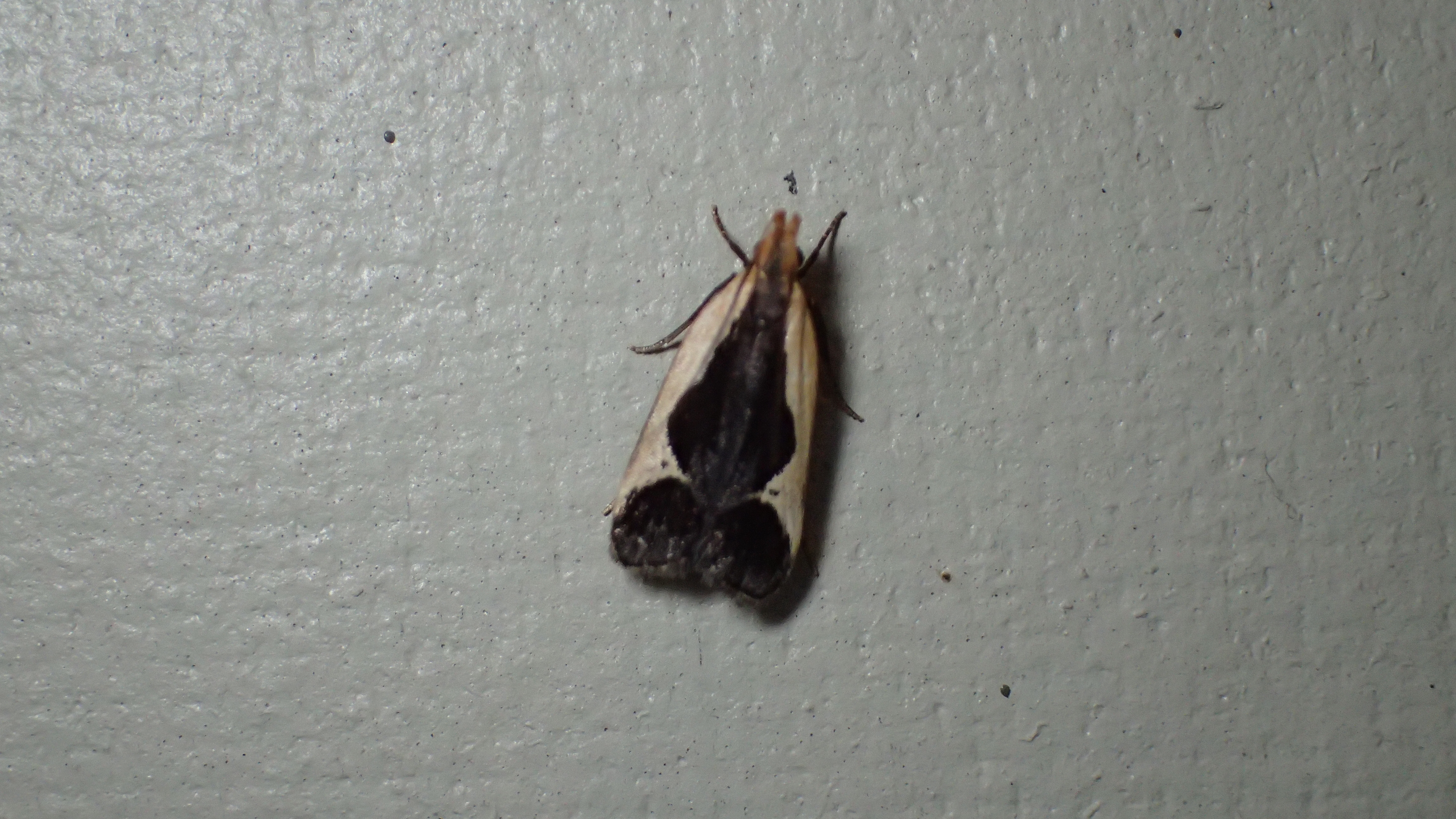
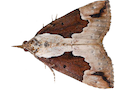
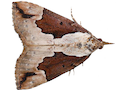
Adult Markings: Dichomeris flavocostella is rather boldly marked with a creamy-yellow to orangish-yellow region that fills most of the subcostal portion of the wing, along with two large, brownish-black to blackish marks on the remainder of the wing. The first extends from near the wing base along the inner margin. It gradually widens near the middle of the wing, then smoothly curves inward and terminates on the inner margin at around three-fourths the wing length. The second is a semi-oval mark that fills most of the apical third of the wing. The two marks meet at around three-fourths the wing length and are partially separated by a creamy-yellow tooth that tapers to a fine tip just beyond the middle of the wing. A small black spot is usually centered within the tooth. The outer fringe is grayish-brown with a series of diffuse, cream-colored patches along the base, while the thorax and legs are predominantly dark brown to blackish. The hindwing is yellowish gray.

The first and second segments of the labial palp are light orange on the ventral margin, and the dorsal surface of the second segment has a prominent tuft. The third segment is light orange with a brown apex (Hodges, 1986). The frons is pale orange, while the vertex and occiput are metallic grayish-brown medially and pale-orange more dorsally. The antenna is mostly brown, but with light orange on the first or second segments.

Dichomeris flavocostella is morphologically similar to both D. fistuca and D. inserrata, but in the latter two the basal dark mark is more irregular and less smoothly rounded, while the creme-colored tooth is blunter and less acutely angled.
Forewing Length: 6.5-8.1 mm (Hodges, 1986).
Adult Structural Features: Hodges (1986) has illustrations and descriptions of the male and female genitalia. Also, see images below of North Carolina specimens.
Genitalia and other structural photos
Adult ID Requirements: Identifiable from good quality photos of unworn specimens.
Immatures and Development: Almost all of our knowledge of the larval life history is based on Loeffler's (1994) detailed studies of this and other Dichomeris species that feed on goldenrods and asters in central New York and surrounding areas. Loeffler (1994) reported that the adults of this and several other Dichomeris species eclose in late-June in central New York and lay eggs singly in July -- and perhaps into August -- on the undersides of leaves. The hatchings grow slowly and reach the second through fourth instars when 3-5 mm long by October. They then drop to the ground and overwinter in the litter. They emerge in late-April or early-May and climb onto fresh shoots where they resume feeding and grow rapidly. Final instars began appearing as early as late-May in warm years, and pupae are present by early to mid-June, with the pupal stage lasting about two weeks. The peak of adult eclosion is in late-June through early-July.

The larvae of D. flavocostella feed on goldenrods and asters and live within loose leaf folds. Their feeding damage consists mainly of pits and indentations in the leaf margin outside of the fold. The youngest larvae of this and other summer-feeding species are incapable of folding or rolling leaves. Hatchlings initially move into hiding places such as cracks or crannies on the leaf undersides. They may also take shelter among clusters of aphid galls, or in abandoned leaf mines or leaf folds of other moths (Loeffler, 1994). The young larvae eventually spin silk mats that are commonly placed along the leaf midrib, then live beneath these. The larvae feed either beneath the mats, or a few millimeters outside of the mats, and leave small pits where the leaf surface is skeletonized. Expansion of the mats with time causes the leaf to fold over the silk mat and create a larger shelter for feeding and hiding. Individuals either remain in a single leaf fold for the entire summer, or leave their refuges and construct one or more new ones before overwintering. Overwintering occurs on the ground in winter refuges that are made from short folds on senescent leaves. The refugia are sealed at the ends, and the larvae escape after the spring leaf-out to resume feeding on the host plants. The adults show a preference for ovipositing on tall ramets so that eggs and summer-hatching larvae are concentrated on the tallest host plant species (i.e., Solidago altissima).

The final instar larvae reach 16-18 mm and have a pale-green abdomen with a series of medium-dark, greenish-brown stripes that converge at the abdomen tip to produce a broad V-shaped pattern (Loeffler, 1994). The head, prothorax, and mesothorax are black except for a series of white patches on the posterior margin of the mesothorax.
Larvae ID Requirements: Identifiable from good quality photos, especially where associated with known host plants.
Distribution in North Carolina
Distribution: Dichomeris flavocostella is widely distributed in eastern North America, including much of the eastern US, and southern Canada from Manitoba eastward to Prince Edward Island. In the US the range extends from Maine westward to Minnesota and northeastern North Dakota, and southward to eastern Texas, Louisiana, Mississippi, Alabama, Florida, Georgia and South Carolina. As from 2025, we have records from all three physiographic provinces.
County Map: Clicking on a county returns the records for the species in that county.
Dichomeris flavocostellaAlamance Alexander Alleghany Anson Ashe Avery Beaufort Bertie Bladen Brunswick Buncombe Burke Cabarrus Caldwell Camden Carteret Caswell Catawba Chatham Cherokee Chowan Clay Cleveland Columbus Craven Cumberland Currituck Dare Davidson Davie Duplin Durham Edgecombe Forsyth Franklin Gaston Gates Graham Granville Greene Guilford Halifax Harnett Haywood Henderson Hertford Hoke Hyde Iredell Jackson Johnston Jones Lee Lenoir Lincoln Macon Madison Martin McDowell Mecklenburg Mitchell Montgomery Moore Nash New Hanover Northampton Onslow Orange Pamlico Pasquotank Pender Perquimans Person Pitt Polk Randolph Richmond Robeson Rockingham Rowan Rutherford Sampson Scotland Stanly Stokes Surry Swain Transylvania Tyrrell Union Vance Wake Warren Washington Watauga Wayne Wilkes Wilson Yadkin Yancey
Flight Dates:
 High Mountains (HM) ≥ 4,000 ft.
 Low Mountains (LM) < 4,000 ft.
 Piedmont (Pd)
 Coastal Plain (CP)

Click on graph to enlarge
Image showing flight dates by month for High Mountains greater than 4,000 feet, Low Mountains, Piedmont, and Coastal Plain: adults.
Flight Comments: The adults have been documented from April through August throughout the range, with a seasonal peak in activity in June and July. As of 2025, our record extend from late-May through early September.
Habitats and Life History
Habitats: Loeffler (1994) reported that this was the most common species that she encountered in large or contiguous fields that were searched in Pennsylvania and Florida, and that it was rarely encountered in forests. It was also found in gravel bars along streams, which may have been an important goldenrod habitat before European colonization. Our records generally come from open areas, but are not associated with specific types of natural communities.
Larval Host Plants: The larvae feed on asters, goldenrods, and sunflowers (Hodges, 1986; Robinson et al., 2010). Loeffler (1994) conducted a comprehensive study of host use by this and other Dichomeris species in the Northeast that use goldenrods and asters and documented the following hosts: Tall Goldenrod (Solidago altissima), Cutleaf Goldenrod (S. arguta), White Goldenrod (S. bicolor), Early Goldenrod (S. juncea), Wrinkle-leaf Goldenrod (S. rugosa), White Panicle Aster (S. lanceolatum) and New England Aster (S. novae-angliae). - View
Observation Methods: The adults are attracted to lights and the larvae can be found in leaf folds on goldenrods and asters.
Wikipedia
See also Habitat Account for General Successional Fields and Forblands
Status in North Carolina
Natural Heritage Program Status:
Natural Heritage Program Ranks: GNR S3S5
State Protection: Has no legal protection, although permits are required to collect it on state parks and other public lands.
Comments:

 Photo Gallery for Dichomeris flavocostella - Cream-edged Dichomeris

40 photos are available. Only the most recent 30 are shown.
Dichomeris flavocostella
Recorded by: B. Bockhahn on 2025-07-03
Macon Co.
Comment:
Dichomeris flavocostella
Recorded by: Dean Furbish on 2025-06-30
Wake Co.
Comment:
Dichomeris flavocostella
Recorded by: Lior S. Carlson, Dean Furbish on 2024-08-12
Pamlico Co.
Comment:
Dichomeris flavocostella
Recorded by: K. Bischof on 2024-07-03
Transylvania Co.
Comment:
Dichomeris flavocostella
Recorded by: Jim Petranka and Becky Elkin on 2024-07-02
Madison Co.
Comment:
Dichomeris flavocostella
Recorded by: Hunter Phillips on 2024-06-08
Onslow Co.
Comment:
Dichomeris flavocostella
Recorded by: David George, Stephen Dunn, Jeff Niznik on 2023-07-13
Orange Co.
Comment:
Dichomeris flavocostella
Recorded by: Chuck Smith and Jim Petranka on 2023-06-29
Madison Co.
Comment:
Dichomeris flavocostella
Recorded by: John Petranka on 2022-07-06
Orange Co.
Comment:
Dichomeris flavocostella
Recorded by: Jeff Niznik on 2022-06-30
Chatham Co.
Comment:
Dichomeris flavocostella
Recorded by: Jim Petranka on 2022-06-29
Madison Co.
Comment:
Dichomeris flavocostella
Recorded by: Jim Petranka on 2022-06-26
Madison Co.
Comment:
Dichomeris flavocostella
Recorded by: Richard Teper on 2022-06-16
Macon Co.
Comment:
Dichomeris flavocostella
Recorded by: Jim Petranka on 2022-06-15
Madison Co.
Comment:
Dichomeris flavocostella
Recorded by: Richard Teper on 2022-05-31
Moore Co.
Comment:
Dichomeris flavocostella
Recorded by: Jeff Niznik on 2021-07-30
Wake Co.
Comment:
Dichomeris flavocostella
Recorded by: jim Petranka and Becky Elkin on 2021-07-08
Swain Co.
Comment:
Dichomeris flavocostella
Recorded by: Mark Shields on 2021-07-03
Onslow Co.
Comment:
Dichomeris flavocostella
Recorded by: tom ward on 2021-06-21
Buncombe Co.
Comment:
Dichomeris flavocostella
Recorded by: tom ward on 2021-06-19
Buncombe Co.
Comment:
Dichomeris flavocostella
Recorded by: Erich Hofmann on 2020-08-20
New Hanover Co.
Comment:
Dichomeris flavocostella
Recorded by: Erich Hofmann on 2020-08-20
New Hanover Co.
Comment:
Dichomeris flavocostella
Recorded by: Erich Hofmann on 2020-08-20
New Hanover Co.
Comment:
Dichomeris flavocostella
Recorded by: Jim Petranka and Becky Elkin on 2020-06-21
Madison Co.
Comment:
Dichomeris flavocostella
Recorded by: Jim Petranka and Becky Elkin on 2019-07-06
Madison Co.
Comment:
Dichomeris flavocostella
Recorded by: Mark Shields on 2019-06-22
Onslow Co.
Comment:
Dichomeris flavocostella
Recorded by: Vin Stanton on 2019-06-08
Buncombe Co.
Comment:
Dichomeris flavocostella
Recorded by: Jim Petranka and Becky Elkin on 2018-07-01
Madison Co.
Comment:
Dichomeris flavocostella
Recorded by: Jim Petranka and Becky Elkin on 2018-06-20
Madison Co.
Comment:
Dichomeris flavocostella
Recorded by: Jim Petranka and Becky Elkin on 2018-06-13
Madison Co.
Comment: